

Quick Answer Box: Zoning laws in Ontario regulate how land can be used, built upon, and developed, impacting property owners, investors, and developers. Understanding Ontario zoning laws is essential to navigate rezoning applications, zoning by-laws, and municipal approval processes before starting any land development project.
What is Land Development in Ontario?
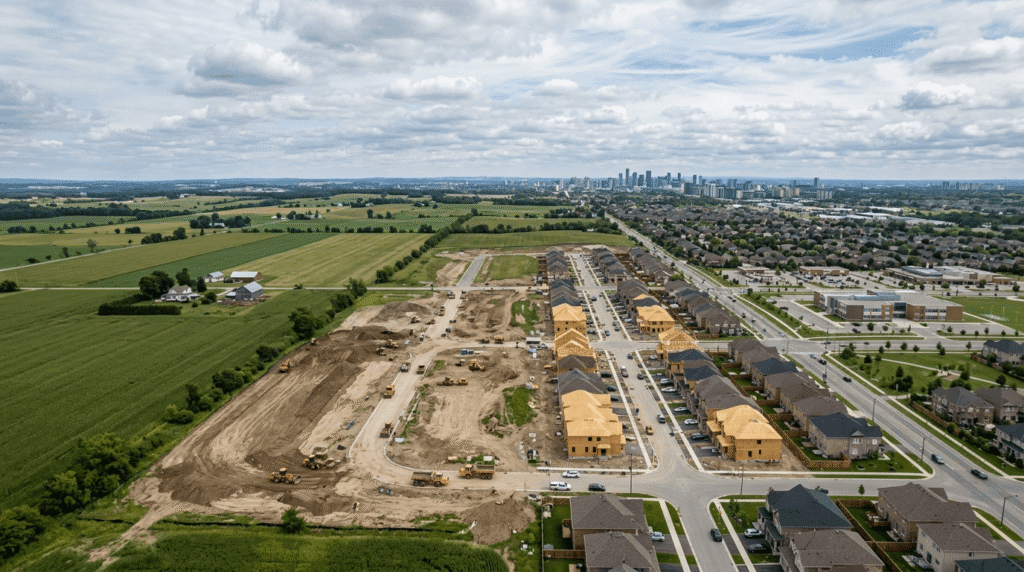
Land development in Ontario is the regulated process of converting undeveloped or underused land into properties suitable for residential, commercial, industrial, institutional, or mixed uses. The process is governed by Ontario zoning laws, which dictate how each parcel may be developed based on local zoning by laws and the overarching Planning Act. These zoning laws influence factors such as allowable building types, size, placement, and permitted activities.
Zoning regulations ensure that land development aligns with municipal plans, infrastructure capacity, and community values. For landowners and developers, understanding zoning codes list Ontario municipalities use—and adhering to these zoning regulations—is crucial to securing approvals, financing, and ultimately, successful project completion.
Zoning Laws in Ontario
Zoning laws in Ontario are legal rules set by municipalities under the authority of the Ontario Planning Act. These laws specify how properties within a city or town may be used, developed, or changed. Zoning laws cover categories like residential, commercial, institutional, and industrial uses, and dictate the rules regarding building size, placement, and density. They aim to protect public interests, separate incompatible land uses, and organize community growth.
Municipalities create detailed zoning by laws reflecting both local community priorities and requirements set by the province through documents such as the Provincial Planning Statement (PPS). The municipal by laws must align with provincial policy, adjusting as needed for new housing targets, environmental mandates, and infrastructure development.
Types of Zoning and Zoning Codes List Ontario
Ontario’s zoning structure relies on standardized codes, but their meanings and specifics can vary between municipalities. The most common zoning categories found in the zoning codes list Ontario cities enforce include:
- Residential (R): Encompasses detached houses, semi-detached homes, townhomes, low-rise and high-rise apartments, and sometimes secondary suites.
- Commercial (C): Covers retail shops, offices, personal services, restaurants, and hospitality.
- Industrial (I or M): Applies to factories, warehouses, distribution centres, manufacturing, and logistics facilities.
- Institutional (IN or I): Includes schools, government buildings, religious institutions, and hospitals.
- Mixed-Use (MU, CR or MC): Blends residential, commercial, and often institutional uses, typically found in city centers and transit corridors.
- Agricultural (A): Designates farmland, greenhouses, and support services important for rural economies.
- Open Space (OS or O): Protects parks, conservation areas, and environmental features.
Each zoning code is detailed within municipal by laws and impacts what activities are allowed, how big structures can be, and how land must be maintained. These regulations help maintain orderly growth and neighborhood character.
Navigating Local Zoning Codes
Every Ontario city maintains its own zoning codes list. For example, the Toronto zoning bylaw codifies uses and standards for each parcel, while Toronto zoning bylaw codes resemble, but do not always match, those in city of Ottawa zoning bylaw or Mississauga zoning bylaw. Always consult the official city by-law for the most current and accurate details.
| City | Residential Codes | Commercial Codes | Industrial Codes | Mixed-Use Codes | Institutional Codes |
|---|---|---|---|---|---|
| Toronto | R, RD, RM, RT, RS | CR, C1, C2, C3 | E, I1, I2 | CR, RA, RC | I, IN |
| Ottawa | R1, R2, R3, R4, R5 | TM, LC, GM, AM | IL, IG, IH | MC, MD | I1, I2, I3 |
| Mississauga | R1–R16, RA, RM | C1–C5, CC | E1, E2, M1, M2 | MU | I1, I2 |
| Hamilton | C, D, E, F (residential) | C1–C7, CR, DT, TOC | M1–M6 | C5, TOC | I1, I2 |
| Kitchener | R1, R2, R3, R4, R6 | C1, C2, C3, C6 | EMP-1, EMP-2 | MIX | I1, I2 |
| Niagara Falls | R1, R2, R3, R4 | GC, TC, CC, DC | LI, GI, HI | NC | I |
Refer to each municipality’s online resources or speak with planning staff to understand the definitions and compliance obligations for each code.

How Zoning By Laws Work: Regulations and Enforcement
Zoning by laws are the central documents that operationalize zoning in Ontario. They set out the rules for what is and isn’t allowed on every piece of land in a municipality and are strictly enforced.
Structure and Content of Zoning By Laws
Most zoning by laws contain two primary components:
- Textual Regulations: Explicit rules governing permitted uses (what buildings and activities are allowed), property dimensions, setbacks, height limits, density, landscaping, heritage requirements, and parking.
- Zoning Maps: Visuals indicating which zoning code applies to each lot, block, or area in the city.
Core Zoning Regulations
Zoning regulations within by laws address:
- Permitted and Prohibited Uses: Dictate what types of construction or activity can take place on a parcel, e.g., residential, commercial, or institutional.
- Performance Standards: Control building scale (height, size), setbacks from property lines, lot coverage, density, minimum lot sizes, access, and parking requirements.
- Overlays and Specific Requirements: Extra layers for special districts (heritage, transit, environmental), sometimes requiring additional permissions or review.
Enforcement
If an owner breaches the zoning by laws—by constructing without proper approvals or operating a forbidden use—the municipality may issue compliance orders, levy fines, or pursue court action. These processes are enforced through the municipality’s planning and services department. Legal non-conforming uses (activities or structures established before new by laws took effect) are generally protected but limited in expansion or use change.
In municipalities like Toronto, enforcement of the Toronto zoning bylaw is handled by dedicated staff, and similar structures exist in Ottawa, Mississauga, and other cities.
Zoning By Laws and Changing Community Needs
Municipal by laws undergo review to reflect evolving priorities—expanding affordable housing, supporting transit, and accommodating climate policy. Updates are often triggered by growth targets or provincial policy shifts, emphasizing the importance of monitoring updates to the zoning information relevant for your property.
Accessing Zoning Information: Toronto, Ottawa, Hamilton, Mississauga, Kitchener, Niagara Falls
Access to up-to-date zoning information is a foundational first step for anyone considering land purchase, development, or investment across Ontario’s cities.

Accessing Local Zoning Information
- Toronto: Use the Toronto zoning bylaw portal and interactive map to search by address and review property-specific zoning details.
- City of Ottawa: Access the city of Ottawa zoning bylaw via a searchable portal with downloadable bylaws and property tools.
- Mississauga: The Mississauga zoning bylaw resource includes codes, interactive zoning maps, and guides for understanding land use.
- Niagara Falls: Explore the Niagara Falls zoning site for by law pdfs and an interactive zone map.
For broader or rural areas not listed here, the municipal planning and services staff can provide direct zoning information. Before buying, selling, or redesigning any property, request a zoning verification letter or consult official by laws for legal certainty.
Utilizing Zoning Information for Planning
Early access to zoning information can also help you identify potential hurdles or opportunities before major financial investments. Consider consulting professional planning and financial guidance or land development services to help interpret the codes and optimize your proposal from the outset.
The Rezoning Process in Ontario: Step-By-Step Guide
When your land or project does not conform to current municipal zoning, you may need to submit a rezoning application. Understanding each step can improve your odds of a timely, successful outcome.
Step-by-Step Rezoning Application Guide
1. Pre-Application Consultation
Schedule a formal meeting with municipal planning staff. This consultation covers your project concept, required technical studies (traffic, environmental, heritage), and planners’ initial feedback.
2.Preparing and Submitting the Rezoning Application
– Complete the application form, assemble all supporting materials (plans, reports, studies), and submit payment for fees. Assemble your team, which might include architects, engineers, and planning consultants experienced in the local planning and services process.
3.Municipal Review and Circulation
– Planning staff send your rezoning application for internal review across municipal departments and to external agencies like school boards and conservation authorities. Technical analysis typically takes several weeks but can stretch to months in busy cities.
4.Public Notice and Consultation
– Notice of your application is mailed to nearby owners and published online or in newspapers. The city schedules a public meeting so neighbors and community members can review and comment.
5.Staff Report and Recommendation
– After reviewing all input, planning staff issue a recommendation to Council. The report evaluates compliance with zoning by laws, the municipal official plan, the Provincial Policy Statement, and community concerns.
6.Municipal Decision
– City Council or a planning committee debates the rezoning, sometimes over multiple sessions. A decision is rendered to approve, approve with conditions, or refuse your application.
7.Appeal Rights
– If you face a refusal or a non-decision (typically after 90 days), you may appeal to the Ontario Land Tribunal (OLT) for adjudication.
8.Post-Approval Conditions and Implementation
– Approved rezoning may include conditions related to site plan approval, infrastructure upgrades, or community benefits agreements. Only when all are fulfilled can development or a building permit proceed.

How Long Does a Rezoning Application Take?
Processing times for a rezoning application in Ontario average approximately 25.5 months. Quicker decisions—sometimes as short as 13 months—happen in smaller centers, while complex proposals in major cities like Toronto or Ottawa can require over two years, especially when public hearings are contentious or City Council is backlogged. Early community engagement and thorough, professionally prepared documentation improve timelines.
Comparison Table: Major Zoning By Laws Across Ontario Municipalities
| Municipality | Main Zoning Codes | Key Restrictions | Unique Features/Notes |
|---|---|---|---|
| Toronto | R, RD, CR, RA, RS, I | Height, density, parking | Density overlays; as-of-right fourplexes in certain districts |
| Ottawa | R1–R5, GM, L1, MC, I1 | Lot size, setbacks | Rural/agricultural overlays; climate resilience focus |
| Hamilton | C, D, E, F, M1–M6, TOC | Building height, site coverage | Inclusionary zoning nodes; heritage preservation areas |
| Mississauga | R1–R16, C1–C5, MU, M1–M2 | Lot and building restrictions | Major Transit Station Area (MTSA) zones; extensive mixed use |
| Kitchener | R1–R6, MIX, EMP-1, C1–C6 | Accessory uses, heights | Digital zoning lookup system; accessory apartments allowed |
| Niagara Falls | R1–R4, GC, LI, DC, I | Setbacks, development size | Riverfront overlays, tourism and entertainment zone provisions |
Always refer to the latest by laws published by each municipality for current rules, as codes and standards are frequently updated.
Appeals, Variances, and Provincial Overrides
Land development in Ontario does not always proceed as planned. The province’s planning and services system allows for appeals, variance applications, and, at times, provincial intervention.
The Ontario Land Tribunal (OLT)
The OLT handles appeals related to rezoning application refusals, non-decisions, or grievances from neighbors who are directly affected. The process is quasi-judicial, with formal hearings, expert testimony, and evidence, often requiring professional representation for the best result. Tribunal decisions are binding for both applicants and municipalities.
Minor Variances and the Committee of Adjustment
Not all issues require a full rezoning application. If your proposal only needs a small change to an existing by law (e.g., a one-meter increase in height), apply for a minor variance through the Committee of Adjustment. Approval hinges on proving the change is minor, does not negatively impact neighbors, and aligns with the intent of local zoning by laws.
Minister’s Zoning Orders (MZOs) and Provincial Controls
Ontario’s Minister of Municipal Affairs and Housing may issue an MZO to designate or fast-track development projects, bypassing municipal zoning by laws if the matter is of provincial interest. This tool is used to expedite affordable housing, infrastructure development, or crisis response. MZOs have become increasingly common, particularly in the GTA, and are controversial due to their impact on municipal autonomy.
Navigating Disputes and Government Oversight
Understanding when to pursue an OLT appeal or variance—and staying aware of shifting provincial priorities—can avoid costly delays. Consulting land development or legal professionals is highly recommended for any complex dispute.
Common Mistakes in Land Development Applications
Many landowners and developers encounter preventable pitfalls during the planning and services process. These mistakes can derail or substantially delay project approvals:
- Incomplete Documentation: Missing technical studies (environmental, traffic), outdated surveys, or incomplete rezoning application forms routinely lead to process stalls and wasted fees.
- Failure to Consider Neighbourhood Context: Proposals that ignore surrounding uses or attempted overbuilding meet resistance at public meetings, often triggering negative staff comments and council refusals.
- Non-Compliance with Official Plans: Plans that fail to follow the municipal official plan or Provincial Policy Statement rarely succeed—always demonstrate clear alignment.
- Neglecting Community Engagement: Quality community consultation lowers opposition and may surface issues that are easily addressed early in the process.
- Unrealistic Timelines: Many projects underestimate timelines, expecting approvals in months rather than years, leading to budget overruns.
- Not Using Professional Planning and Services: Attempting to manage complex application processes without expert consultants or legal counsel exposes your project to higher risks and errors.
Early use of specialized planning and financial guidance and experienced land development services, as found at Services, can streamline your rezoning application and minimize costly setbacks.
When to Apply for Rezoning or Seek a Variance?
Whether you need a rezoning application or a minor variance depends on the nature and scope of your project. For minor changes—such as small adjustments to setbacks, minor increases in building height, or additions like secondary suites—a variance through the Committee of Adjustment is faster and simpler than a full rezoning process.
Major projects that increase density, shift land uses, or drastically alter site characteristics require a full rezoning application, extensive supporting documentation, and a formal review by planning and services staff. Growing cities such as Toronto and Mississauga have adopted “as-of-right” permissions for certain infill dwellings (e.g., fourplexes), reducing rezoning barriers in some cases.
Consult local zoning information and consider seeking help from land development professionals early on for project assessments and approval strategies. For step-by-step planning, see the Services, Our Approach, and Contact pages.
Zoning Flexibility in Toronto
In 2023, updates to the Toronto zoning bylaw permitted as-of-right fourplexes in neighborhoods previously limited to single-family homes. This means that if your project fits these new zoning regulations, you may proceed without rezoning—illustrating how policy shifts can dramatically affect property value and development options.
Frequently Asked Questions
1. What is a Zoning By-law and how is it different from zoning laws?
A zoning by-law is a municipality’s specific, enforceable set of rules that regulates land use and building standards. Zoning laws refer to the broader legal system created under the Planning Act that gives municipalities authority to set those rules. The by-law operationalizes the law locally.
2. How do I find my property’s zoning code in Ontario?
Use your local municipality’s zoning lookup tool online or review the official by law text and zoning maps—such as those offered by Toronto, Ottawa, or Mississauga. You can also contact the planning and services department for confirmation.
3. What happens if my rezoning application is denied?
If your rezoning application is turned down or if no decision is issued within the legislated period, you have the right to appeal to the Ontario Land Tribunal for an independent review. The Tribunal’s decision will be final and binding.
4. Can the province change municipal zoning decisions?
Yes, through Minister’s Zoning Orders and certain override powers, the provincial government can change or set aside municipal zoning by laws. This is typically exercised for priorities like affordable housing or major infrastructure but remains relatively rare outside high-profile projects.
5. How long does the zoning and rezoning process take?
The typical process for rezoning in Ontario takes between 13 months and more than two years, depending on project complexity, location, and community response. Averages province-wide hover around 25.5 months, but the fastest decisions are found in smaller cities with less public opposition.
Conclusion
Ontario zoning laws are the foundation for successful land development, real estate investment, and property ownership across the province. Knowing how to access accurate zoning information, navigate zoning by laws and codes, and complete a rezoning application empowers you to move projects forward with fewer obstacles. By understanding municipal processes and avoiding common missteps, owners and developers can leverage zoning regulations for opportunity. Explore planning and financial guidance and other land development services for comprehensive support in your next project. For more, visit our About Us, Services, and Contact pages.