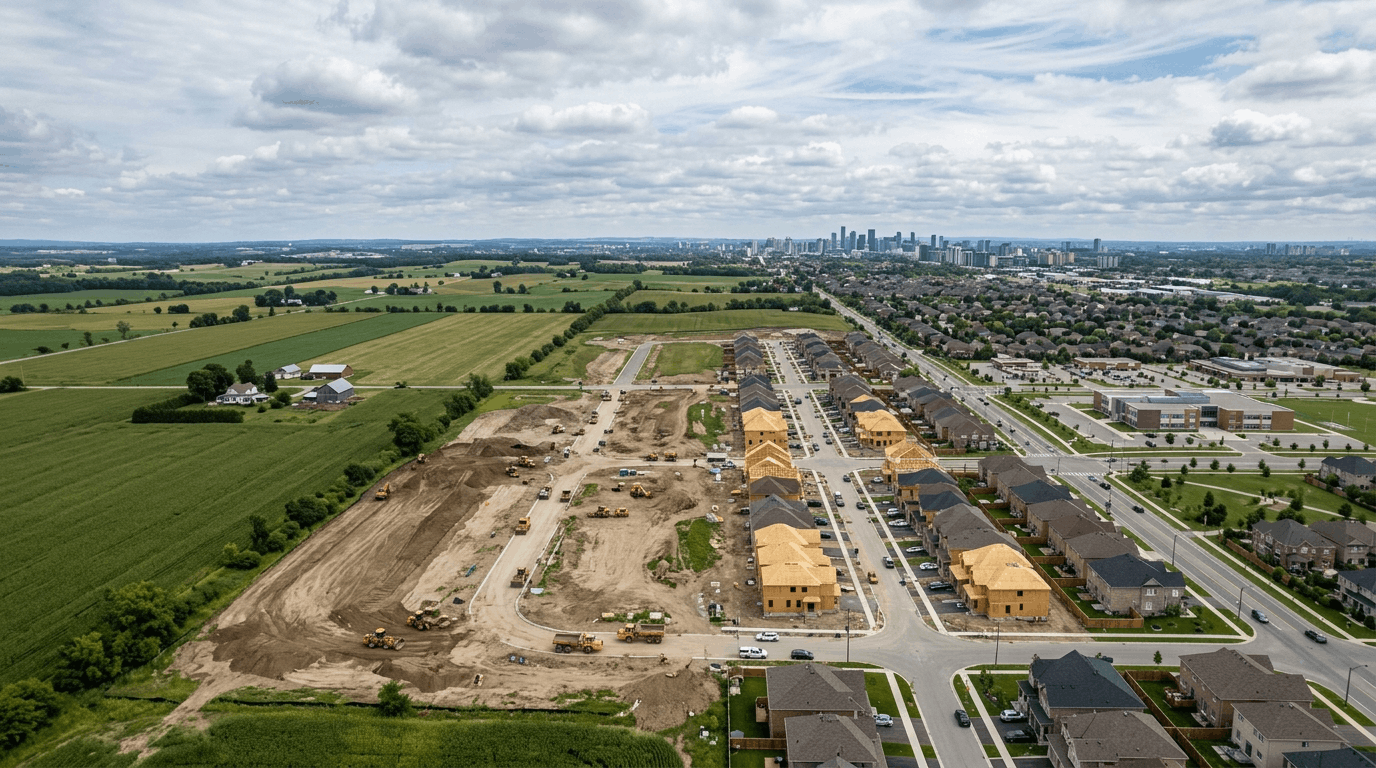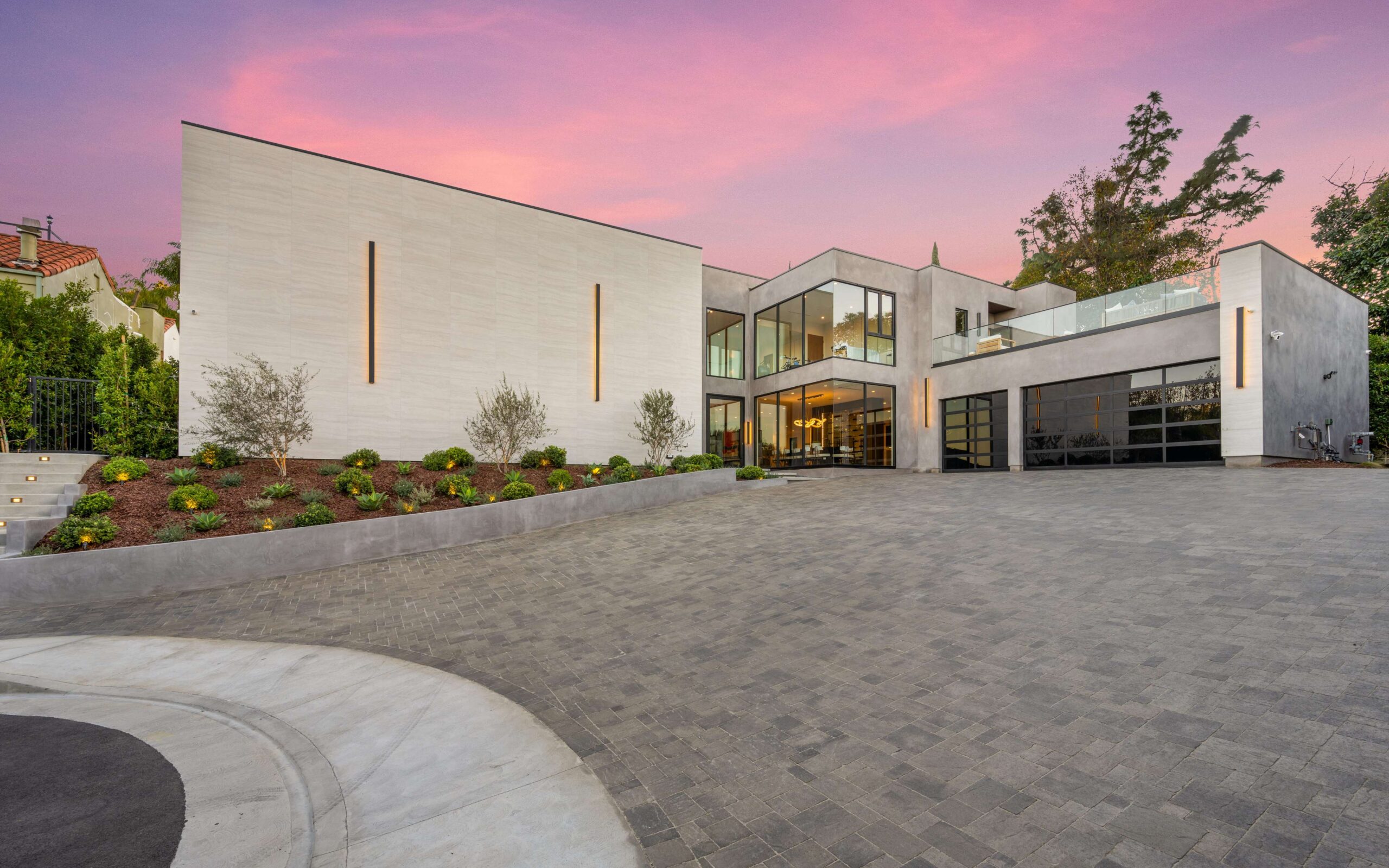


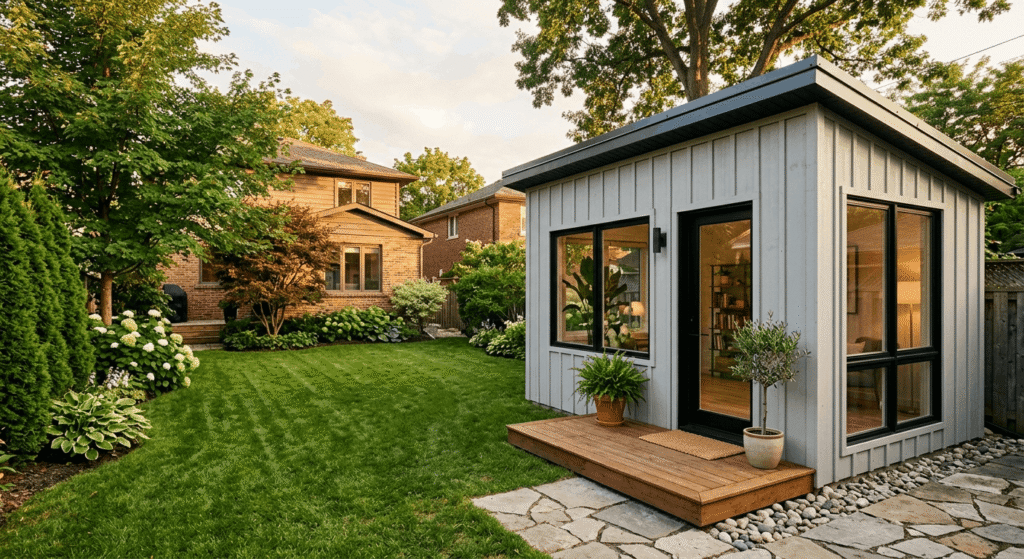
Quick Answer Box: Garden suites Ontario are self-contained, detached living units built in the backyards of residential properties. Updated 2026 regulations and cost transparency make garden suites an attractive option for additional income, aging in place, or multigenerational living. This guide covers garden suite cost, permits, design, and builder selection.
What is a Garden Suite?
A garden suite in Ontario is a self-contained, detached residential unit constructed on the same lot as a main dwelling, typically positioned in the backyard. These units—also referred to as backyard suites, living suits, ca suite, or granny flats—offer independent living accommodations complete with a kitchen, bathroom, and sleeping area. Unlike laneway suites, which need rear lane access, garden suites in Ontario can be built on most lots without lane access. Their uses range from providing housing for relatives to generating steady rental income or offering flexible living space, and new zoning makes them a key accessory dwelling option in Ontario.
Key Regulations for Garden Suites in Ontario (2026)
Ontario has introduced major legislative changes to support the growth of garden suites in 2026. The pivotal Ontario Regulation 462/24, fully in force from November 2024, harmonizes municipal bylaws, setting province-wide criteria for garden suites Ontario-wide.
In Toronto, revisions to Zoning By-law 569-2013 via By-law 89-2022 have simplified the path for adding a garden suite in areas zoned R, RD, RS, RT, and RM, as long as the primary dwelling is detached or semi-detached. There are no parking requirements for garden suites Toronto, and quicker permitting is encouraged by provincial direction.
Mississauga and Brampton—two cities rapidly expanding their garden suites options—have also brought their local rules in line with provincial standards. The current maximum garden suite size in Toronto is 645 square feet (60m²), with a height cap of two storeys or six meters, and a coverage allowance of up to 40% of the rear yard. Every garden suite must have a 1-meter-wide access path from the street to satisfy emergency access codes.
Updates under the More Homes Built Faster Act (Bill 23) introduced streamlined approval and development charge exemptions for small suites under 100m². However, municipalities may impose tailored requirements—for example, different setbacks, lot coverage rules, or extra steps for properties with heritage or environmental constraints. For official criteria, consult the City of Toronto Garden Suites Overview.
Toronto Zoning Bylaw and Municipal Nuances
When planning a backyard suite, it’s essential to review your local toronto zoning bylaw for setbacks, coverage, and parking. Markham may require a separate site plan application, while Brampton and Mississauga display variations in maximum sizes and exemptions. If you’re considering garden suites Brampton or garden suite Mississauga, check current city guides and use their mapping portals for eligibility.
Garden Suite Permits and Zoning: Step-by-Step Approval Process
Building a garden suite in Ontario requires navigating a structured permit and approval process, designed to ensure legal compliance and maximize your investment value.
- Confirm Lot Eligibility and Zoning
Verify that your property falls within an eligible zoning category (such as Toronto’s R, RD, RS, RT, or RM) and that it supports backyard suites. Special rules apply in heritage areas, flood zones, or unique lot shapes. - Preliminary Site Review
Consult your city’s planning staff or a professional designer to flag constraints. Site plan approval is mandatory in some cities—this review can add six to eight weeks to your timeline. - Prepare Drawings and Documentation
Hire a qualified architect or technologist who understands garden suite design and the Ontario Building Code. Documents typically include surveys, plans, elevations, and code compliance reports. Design fees range from $8,000 to $15,000 on average in Toronto. - Submit Your Application
Submit your complete package, including drawings and permit fees, through the municipality’s portal. Toronto’s Building Permit Application Portal streamlines the process. - Permit Review and Inspections
Municipal review, now faster under Regulation 462/24, runs 8–16 weeks if documents are complete. Some municipalities require additional review time for complex or heritage sites. - Garden Suite Construction and City Inspections
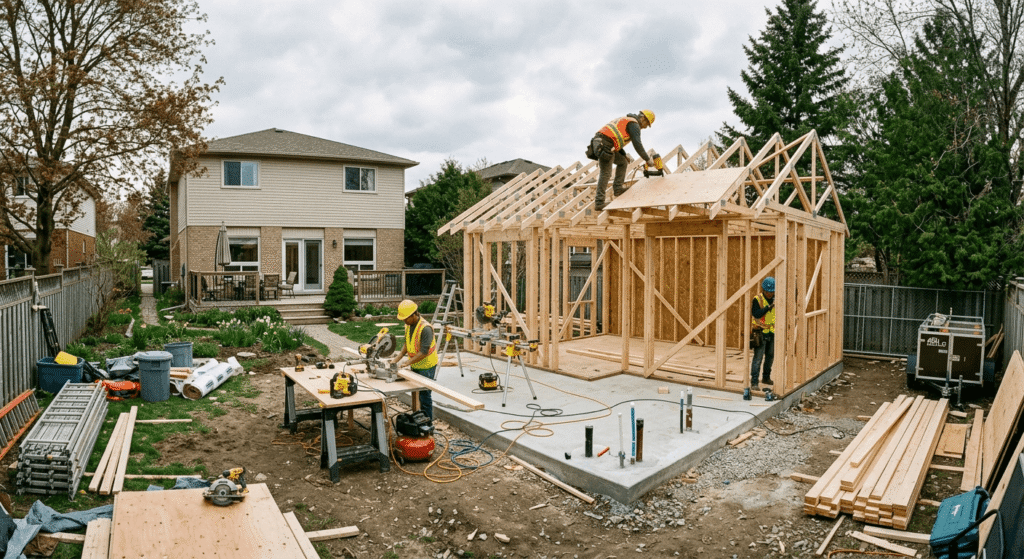
Once approved, construction may begin. The city will inspect each stage: footings, framing, plumbing, electrical, and final finishes, leading to an occupancy permit.
City-Specific Application Steps
- Toronto: No parking required, maximum size 645 sq ft, online status checks via Garden Suite portal.
- Mississauga: Offers pre-approved garden suite plans, typical timelines, and clarifies steps in its city-specific housing guide.
- Brampton: Follows Toronto-style zoning with some unique setback and coverage rules; confirm site plan status before submission.
Consult an experienced garden suite builders Toronto team familiar with 2026 rule changes. Staying engaged with city staff and requesting regular updates reduces the risk of unexpected delays.
Garden Suite Cost Breakdown in Ontario (2026)
Garden suite cost in Ontario reflects a range of influences: suite size, lot configuration, builder expertise, finishes, permit costs, and utility logistics.
- Small suites (400–500 sq ft): $200,000–$275,000
- Mid-size suites (500–650 sq ft): $275,000–$350,000
- Large suites (700–1,100 sq ft): $350,000–$450,000+
- GTA per-square-foot average: $250–$350
- Professional/design/permit fees: $8,000–$20,000
- Utility connections: $10,000–$20,000 standard, and upwards of $30,000 on challenging sites
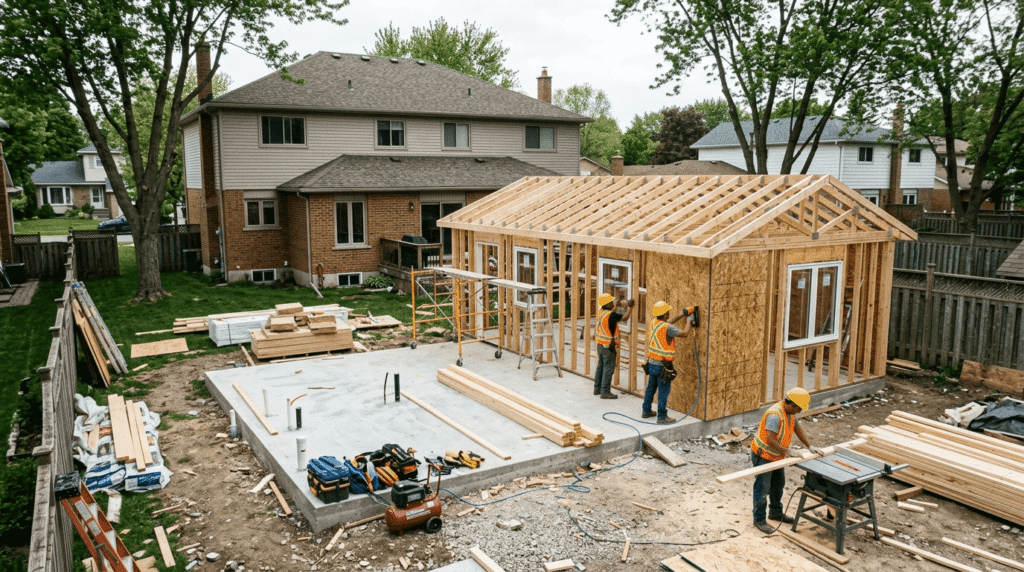
What Drives Garden Suite Cost?
Several elements impact your total outlay:
- Size/complexity: More bedrooms, bathrooms, or high-end garden suite design naturally increase the price.
- Servicing: Properties needing upgraded water, sewer, or hydro will pay higher fees.
- Foundation style: Most garden suite plans use slab-on-grade to cut expense, but basements—though rare—add substantial cost.
- Fit and Finish: Premium kitchens, custom storage, or luxury bathrooms drive up budget.
- Soft/hidden costs: Beyond visible construction, professional drawings, permit, utility studies, and city approvals matter.
- Landscaping and access: Narrow lots or backyards with mature trees may require additional site investment.
Smaller backyard suites (under 100m²) are now exempt from development charges—generating considerable savings as outlined on City of Toronto’s standards.
For help calculating your numbers, see our Planning & Financial Guidance section.
Comparison Table: Toronto, Mississauga, and Brampton Garden Suites
| Feature | Toronto | Mississauga | Brampton |
|---|---|---|---|
| Typical Total Cost (2026) | $225,000–$375,000 | $215,000–$350,000 | $210,000–$350,000 |
| Suite Size Limit | 645 sq ft / 60m² max | 600–650 sq ft (by lot) | No cap; lot/coverage rules apply |
| Height/Storeys | Max 2 storeys / 6m | Max 2 storeys | Max 2 storeys |
| Yard Coverage | Up to 40% rear yard | Up to 40% | 30–40% rear yard |
| Parking Req’d | None | 1 space (some exemptions) | 1 space (lot-dependent) |
| Permit Timeline | 8–16 weeks | 8–16 weeks | 8–14 weeks |
| Pre-approved Plans | No (planned for 2026) | Studios/1-bed plans available | Not yet (pending 2026) |
| Utility Hookups | $12,000–$22,000 avg | $10,000–$18,000 | $10,000–$20,000 |
| Development Charges | Exempt if <100m² (2026+) | Exempt if <100m² | Exempt if <100m² |
Refer regularly to your municipality’s housing portal for updates.
Garden Suite Design Trends and Modern Plans
Garden suite design in Ontario has accelerated in sophistication, responding to the constraints and needs of smaller spaces. Current 2026 trends focus on efficiency and comfort.
- Open-concept layouts: Combining the kitchen, living, and dining area maximizes light and flexibility.
- Privacy: Placement of doors, windows, and entrances for privacy from the main dwelling.
- Accessibility: Features such as zero-step thresholds, roll-in showers, and wider doorways appeal to seniors or those with mobility needs.
- Smart storage: Custom built-ins—understairs cupboards, Murphy beds, and integrated cabinetry—increase usable space within small footprints.
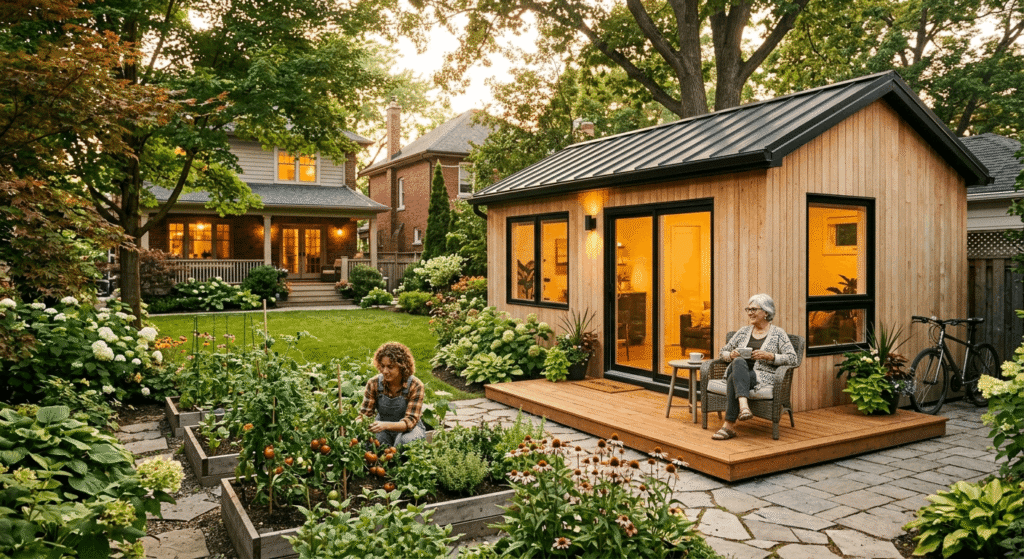
- Outdoor connection: Decks, terraces, or small patios extend living areas outside, integrating landscaping and enhancing garden use.
Popular Garden Suite Plans
Demand is strong for both custom and pre-approved garden suite plans, especially in Mississauga and Toronto, where streamlined approval saves time and money. Studios and one-bedroom layouts dominate, though larger two-bedroom garden suite plans attract families and long-term tenants.
A typical modern ca suite or living suit incorporates:
- Combined kitchen/dining/living area for openness
- Private bedroom (or two for larger plans)
- Full 3-piece bathroom
- Dedicated laundry closet
- Direct access to a small deck or yard
Accessibility and low maintenance are key drivers for new builds, as is potential for rental income. For real-life examples, view our Projects and Custom Homes.
How to Plan and Build a Garden Suite in Your Backyard
To build a successful garden suite Ontario project, follow this actionable sequence:
- Assess Lot & Verify Bylaw Eligibility
Use your city portal or speak to planning staff to confirm if your address qualifies for garden suites or backyard suites. Measure backyard space for size and access requirements. - Determine Your Budget and Access Financing
Base calculations on $250–$350 per sq ft. Explore the 2026 federal Secondary Suite Loan Program for low-cost construction loans. - Select Qualified Builders—Garden Suite Builders Toronto and GTA
Choose registered, experienced garden suite builders Toronto and in the GTA who understand Ontario’s regulatory framework and construction standards. Thoroughly review portfolios and client feedback. - Choose the Right Garden Suite Plans
Weigh custom versus pre-approved garden suite plans. Look for designs tailored to your specific backyard and city approval process. - Apply for Permits & Track Progress
Prepare all technical drawings and compliance documents. Apply using your city’s online portal, and monitor progress frequently. - Oversee and Document Construction
Stay involved from ground-breaking through inspections and finishing. Coordinate with city inspectors for each build stage. - Post-Completion—Inspect, Certify, and Move In
Obtain final inspection and occupancy certificates. Complete utility set-ups and landscaping. Start tenant searches if renting.
For full project management and the best value, see Leedway Group’s Services.
Selecting the Best Garden Suite Builders Toronto
When hiring garden suite builders Toronto or in the GTA, verify company registration (e.g., Tarion, HCRA), insurance, and recent experience with Ontario Regulation 462/24 and local codes. Top builders will offer garden suite design, navigate permits, and deliver on time and budget. Explore the About Us page and review the Our Approach to see how we deliver seamless results.
Common Mistakes to Avoid with Garden Suites in Ontario
Homeowners sometimes make missteps that can create delays or cost overruns. These are the most frequent errors:
- Incomplete/inaccurate plans: Applications missing details or ignoring city-specific rules (such as those in the toronto zoning bylaw) often face costly corrections and delayed permits. Work with local professionals for compliant plans.
- Budget shortfall: Omitting site prep or utility upgrades can derail finances mid-project.
- Disregarding zoning or permit timelines: Not all lots are eligible, and review times differ by city or even by lot.
- Neglecting utility logistics: Extensions for water, sewer, or power—especially around tree protection zones—add time and cost.
- Choosing the wrong builder: Not all contractors have the regulatory expertise for Ontario’s unique garden suite rules.
- Outdated regulation adherence: Ontario Regulation 462/24 overrides some older municipal requirements.
- Assuming you can use garden suites for short-term rentals: Nearly all Ontario cities restrict use of garden suites as Airbnb-style rentals in 2026.
To protect your project and save time, explore our Planning & Financial Guidance and Warranty for comprehensive support.
FAQ: Garden Suites Ontario
1. Are garden suites legal everywhere in Ontario?
New province-wide rules require most residential zones in Ontario to permit garden suites. However, some heritage-designated sites, floodplains, or condominium properties may not be eligible. Always check zoning and bylaw status with your local municipality before starting a project, or review their online eligibility maps.
2. How long does it take to get permits and build a garden suite?
Expect 8–16 weeks for permit review if your submission is complete. Some cities require additional reviews for site plan approval, taking another 6–8 weeks. Once approved, construction by a professional builder typically takes four to six months. Stay in contact with your garden suite builders Toronto for updates at every stage.
3. What is included in the average garden suite cost?
The average garden suite cost in Ontario includes architectural and permit fees, construction labor and materials, foundation, building envelope, HVAC, electrical, utility hookups, plus interior finishes and landscaping around the new suite. Extras like premium appliances, major fence replacement, or large-scale grading are not standard. For detailed estimates, visit our Services.
4. Can I rent out my garden suite for short-term stays?
Short-term rentals such as Airbnb are prohibited for garden suites in nearly all Ontario municipalities under 2026 zoning changes. Most now require a minimum lease term between 28 and 30 days. Garden suites are best designed for long-term rental, family, or caregiver accommodation.
5. What design styles are most popular for garden suites in Ontario?
Modern garden suite plans feature open-concept living, large windows, minimal partitions, and easy access to outdoor patios. Accessibility improvements, such as step-free entry and roomy bathrooms, are common. Contemporary, minimalist, and energy-efficient designs are leading Ontario trends in 2026. Sustainable materials and net-zero-ready packages are gaining traction—learn more on our Net Zero Energy Homes resource.
Conclusion
Building garden suites Ontario in 2026 offers homeowners more opportunity than ever, thanks to harmonized regulations, cost transparency, and the growth of quality garden suite builders Toronto and beyond. Whether your goal is added income, multigenerational living, or property value, the new rules—and new government supports—make starting your garden suite project practical and smart. For expert guidance and best value, consult the leaders in Ontario garden suite design and construction.