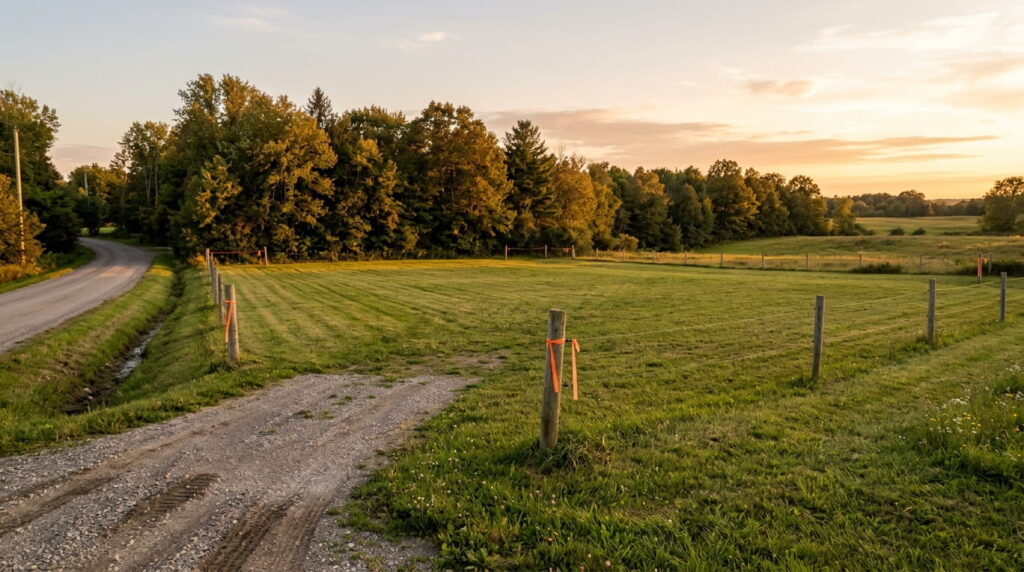
How to buy land to build a home in Ontario
Before buying vacant land in Ontario, ask the local planning office whether your proposed home is permitted on the specific parcel.
Before buying vacant land in Ontario, ask the local planning office whether your proposed home is permitted on the specific parcel.
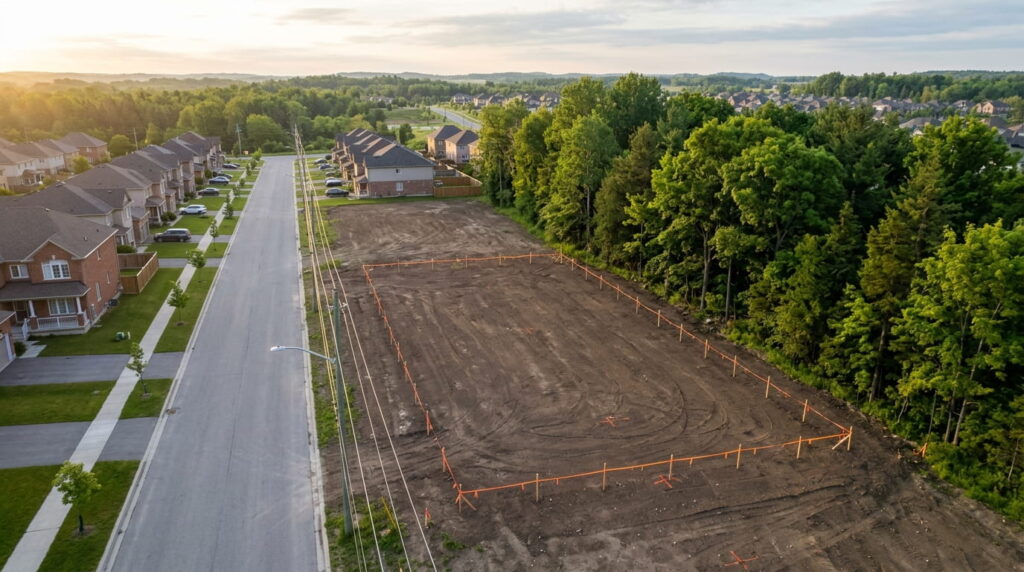
Land development in Canada requires confirming permitted uses, securing applicable approvals, assessing site conditions and arranging financing before construction.
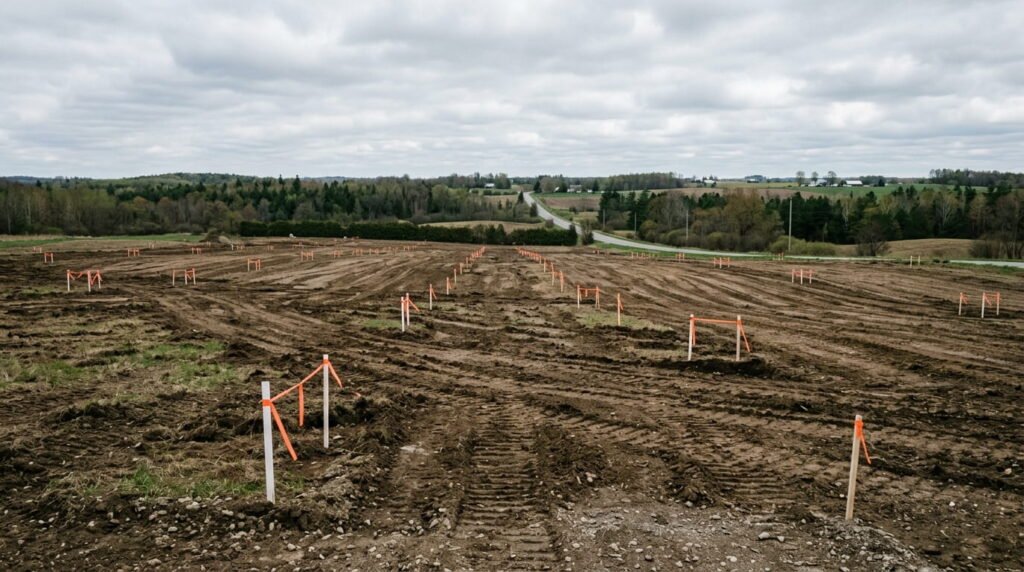
Land development is the process of converting raw or underused land into serviced, permit-ready building lots
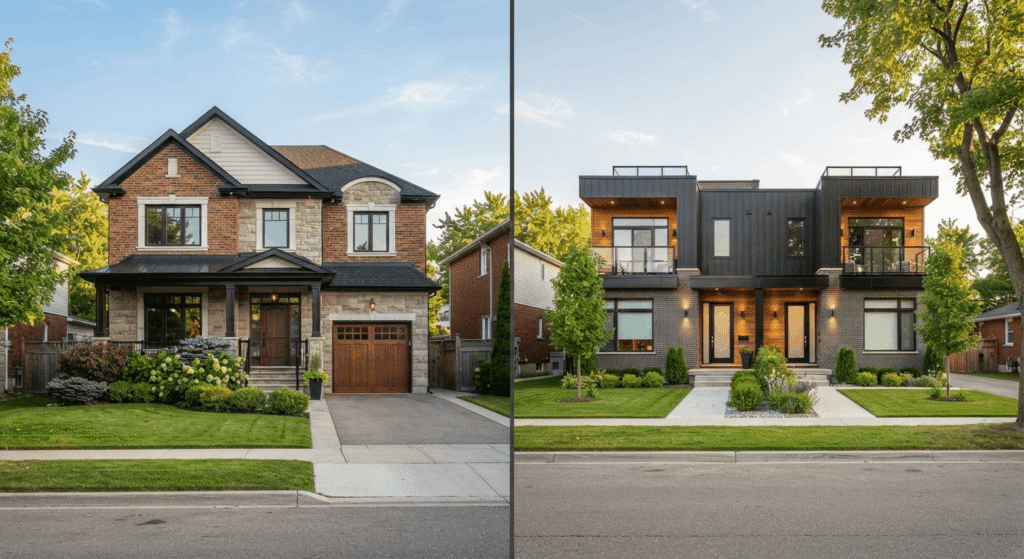
The difference between single family housing and multifamily housing comes down to unit count. A single family home has one dwelling unit on its own lot. Multifamily housing has two or more units,
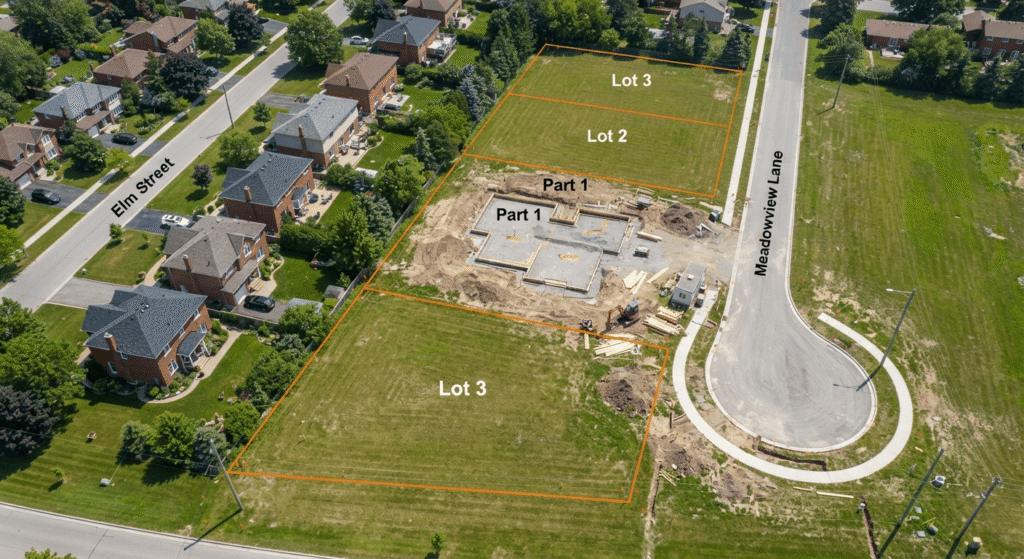
The most common land development mistakes in Ontario are avoidable ones: filing incomplete applications, choosing the wrong approval path, and treating legislated timelines as real ones. These land development mistakes push projects past their budgets and financing windows.

4 plex development involves building multi-family residences with four separate, self-contained units in one structure. Offering strong investment potential and the flexibility of residential zoning, 4 plexes
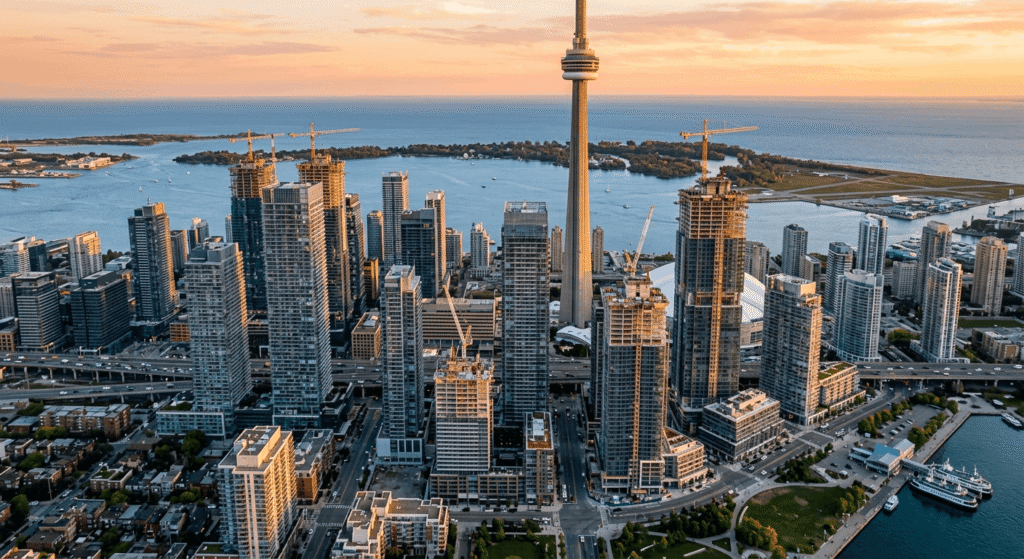
Condo developments in Toronto come with significant developer fees also called development charges that typically add $52,000 to $81,000 per unit in 2026.
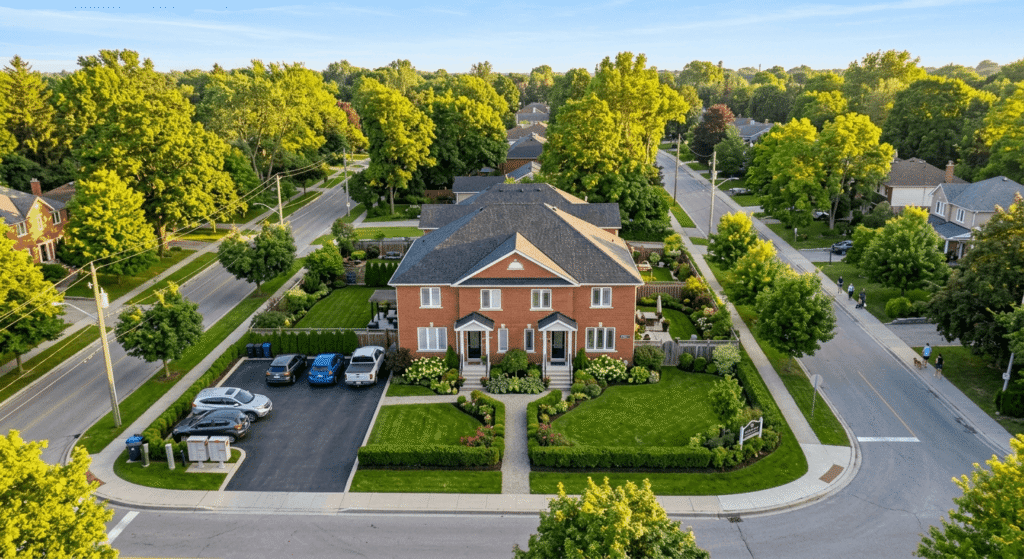
Maximizing your plex building’s value for an optimal return on your investment requires targeting upgrades, using property optimization strategies, and tracking real estate investment ROI. Focus on net operating income, cap rate, property taxes,
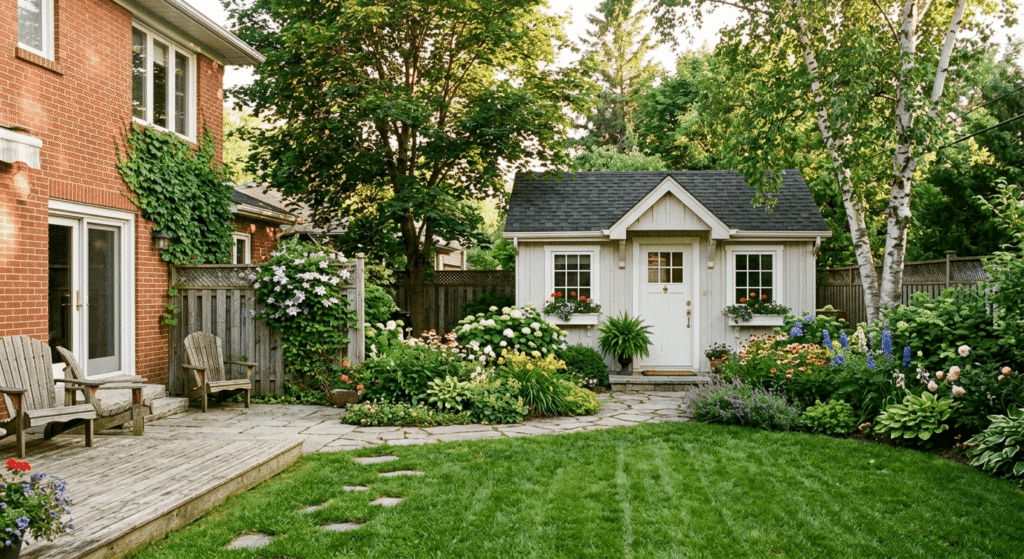
When comparing a garden suite vs basement apartment in Ontario, basement apartments are generally more affordable and quicker to construct.
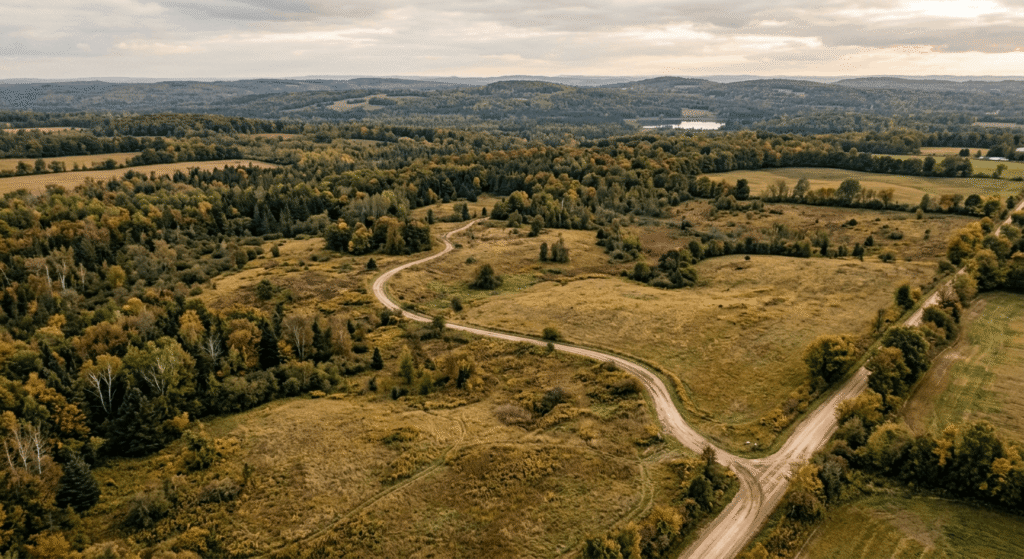
To evaluate a piece of land before buying in Ontario, review zoning, soil conditions, utilities, access, and legal factors.