
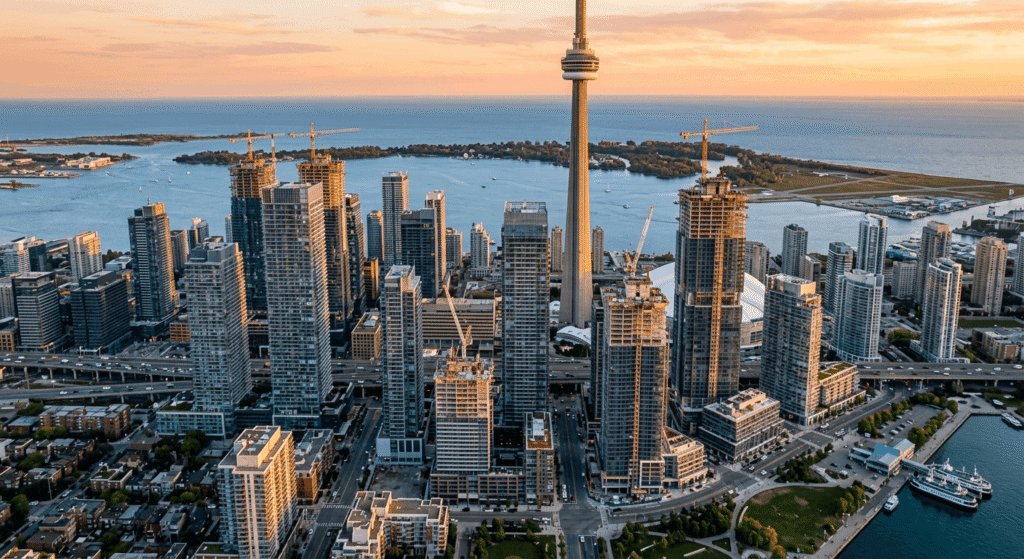
Quick Answer Box: Condo developments in Toronto come with significant developer fees also called development charges that typically add $52,000 to $81,000 per unit in 2026. These charges fund city infrastructure and are reflected in condo prices, making it vital for buyers to understand their impact when purchasing a new condo in Toronto.
TL;DR
- In 2026, developer fees for condo developments in Toronto can reach up to $81,000 per unit, or 8–16% of a condo’s price (City of Toronto).
- Developer fees fund critical infrastructure such as roads, transit, and city services, with a 238% increase since 2014.
- The full development process covers land acquisition, site plan creation and approval, building permits, registration, and occupancy.
- All fee schedules and governance rules are available on the Government of Ontario and City of Toronto sites.
What Are Condo Developments Toronto Developer Fees?
Condo developments Toronto developer fees refer to the mandatory development charges paid by developers to the City of Toronto when creating new condominium projects. These fees are set to cover a share of the municipal infrastructure upgrades and essential city services needed for the growing population. This includes enhancements to roads, public transit, utilities, and community facilities, all of which are critical as new condos are built and occupied throughout the city.
How Do Condo Developments and Developer Fees Shape the Toronto Market?
Toronto is home to one of North America’s largest condo markets, with more than 1,000 active developments and thousands of units available for sale at any given time. In 2026, the average price of a newly built condo is approximately $631,932, reflecting a 10% dip from the previous year’s highs. Typical pre-construction listings range from $1,200 to $1,500 per square foot, influenced by location and amenities.
Condo developments Toronto developer fees play a central role in shaping both prices and supply. Over the last decade, these fees have soared ranging from $52,000 to $81,000 per unit, the highest in Canada. Factors driving this trend include rapid transit expansion, population growth, and ongoing city policy changes. As developer fees grow, they are directly passed along to buyers, embedding themselves in final condo prices. This makes developer fees one of the leading contributors to housing affordability challenges unique to Toronto’s urban landscape.
The Relationship Between Developer Fees and New Condo Pricing
With developer fees now equaling 8–16% of a typical unit’s price, buyers must look beyond basic listing prices and factor in these substantial one-time charges. In particular, fee hikes of over 40% since 2024 continue to place Toronto far ahead of other Canadian cities when it comes to this key transaction cost. When searching for condo developments near me, buyers should always request a detailed breakdown of the fees and confirm how much is included in the advertised price.
Understanding Developer Fees in Toronto Condo Projects
Developer fees in Toronto known as development charges (DCs) are regulated by city bylaws and calculated as a fixed rate per residential unit or per square foot. As of 2026, these can reach up to $86 per square foot or $81,000 for a typical two-bedroom unit. DCs are separate from ongoing monthly condo fees and are specifically earmarked for municipal improvements. They often cover:
- Expansion and maintenance of roads and transportation infrastructure
- Modernization of water and sewage systems
- Building or upgrading community centers and recreational facilities
- Funding emergency services including police, fire, and paramedic services
- Education Development Charges, administered by the Toronto Catholic District School Board
Several market and policy factors are driving these fees higher:
- Intensifying population growth and heightened service demand
- Bylaw amendments and new provincial policies, including impacts from recent legislation such as Bill 185 and Bill 17
- Steep construction cost inflation up 40% since 2020
- The removal of automatic development charge indexing for 2025–2026 and the introduction of certain small project exemptions
Most of these fees are payable upon occupancy, affecting buyers directly at closing. As such, developer fees should always be central to a buyer’s budget. Regular updates to Toronto’s fee schedules mean buyers and investors should monitor the City of Toronto’s development charge updates for any policy changes that could impact project costs.
Education Development Charges and Specialized Levies
Education Development Charges (EDCs) are a unique aspect of the fee landscape. While standard developer fees support core infrastructure, EDCs are levied specifically to fund new school construction and expansions. For buyers with families, understanding EDCs is as important as reviewing the overall fee schedule, as these charges can add thousands of dollars to closing costs.
Key Steps in the Condo Development Process
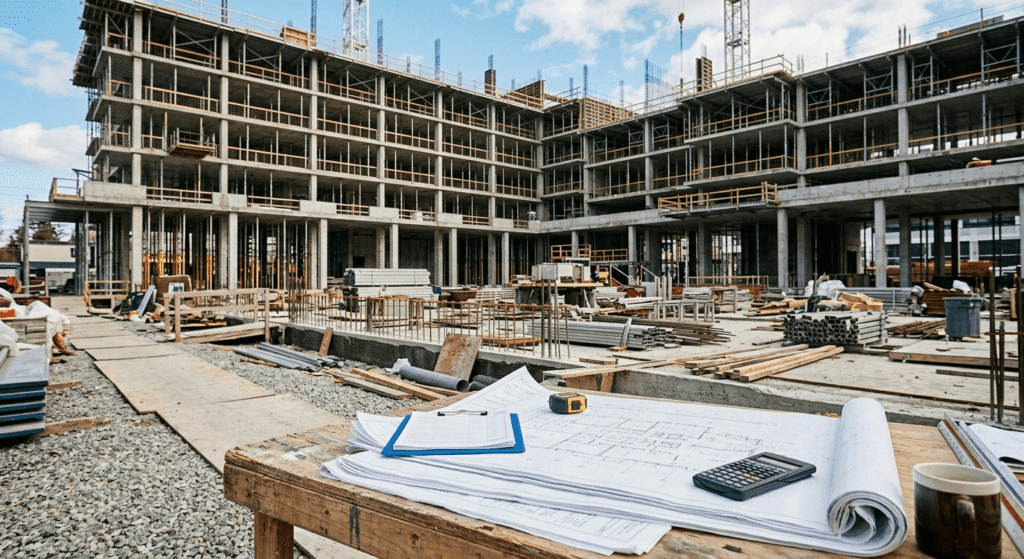
The path from raw land to finished condo building in Toronto is highly structured and regulated, requiring adherence to both municipal and provincial rules. Understanding each step clarifies when and how developer fees arise, enabling buyers to budget accurately for all costs.
Step 1: Land Acquisition
The process starts when developers purchase land, often competing for high-value parcels in sought-after districts like the Bay Street Corridor, North York, and Bayview Village. By 2026, land acquisition prices in prime locations approach $300 per square foot. These escalating costs are ultimately reflected in the final pricing of condo units, as land expense forms the bedrock of every project budget—including the calculation of developer fees.
Step 2: Site Plan and Approval Process
A critical early step, the site plan details how the future building integrates with the surrounding neighborhood and existing infrastructure. The approval process includes multiple city departments reviewing compliance with Toronto’s zoning bylaws, safety codes, and urban planning standards.
- Developers must pay application fees, with baseline zoning amendment applications costing more than $63,679 in 2026.
- The planning review can be detailed and lengthy. Public consultations often lead to changes in site layout, building design, or traffic flow as city planners, local residents, and other stakeholders weigh in.
- Final approval is mandatory no building activity can start without it. Delays or rejections in the approval process can drastically affect timelines and introduce financial risk for developers and, by extension, future buyers.
Site Plan Considerations and Impact on Developer Fees
Effective site planning minimizes future surprises during construction and occupancy. Properly submitted and approved site plans ensure compliance, smooth progress through subsequent approval stages, and clarify applicable developer fees for the specific address and project type. Buyers should inquire about the site plan status when considering any new condo developments in Toronto.
Step 3: Building Permits and Registration
After site plan approval, developers must acquire building permits, confirming strict compliance with the Ontario Building Code and other applicable statutes. These permits form a legal foundation for safe, quality construction and often carry their own municipal levies.
With construction complete, the building is registered as an official condominium under the Ontario Condominium Act, 1998. Registration marks the legal start of independent unit ownership and the formation of the condo corporation. At this point, development charges must be fully paid if not already settled, and buyers can request all documentation confirming payment.
Step 4: Occupancy and Status Certificate
In the final stage, buyers accept keys and move into their units, but occupancy also triggers several important administrative and financial steps:
- All remaining developer fees must be settled prior to final closing.
- Buyers receive the status certificate a vital document outlining the condo corporation’s legal and financial standing, reserve funds, any assessed or impending fees, and other critical details.
Status Certificate Review for Toronto Condos
When purchasing a new condo, reviewing the status certificate ensures transparency about all developer fees and ongoing costs. It is advisable to consult trusted professionals, such as those at Homeownership Long-Term Care, for expert assistance in understanding this certificate in detail.
Condo Governance and the Condominium Act
Once the registration process is finalized, condos in Toronto are managed by elected boards of directors governed by the Ontario Condominium Act, 1998. The Act provides the organizational and legal framework for every aspect of condo ownership. It outlines:
- The composition and authority of the condo board
- Rights and duties of owners, including participation in meetings and voting on major decisions
- Management of reserve funds and budgets
- Procedures for setting and increasing owner fees
Boards must steward building maintenance and financial health responsibly. Owners benefit from guaranteed information rights, transparency on assessments for repairs or legal expenses, and clear procedures for dispute resolution. Disputes over fee increases, governance, or budget allocations are resolved according to processes described in the Act.
For a comprehensive breakdown of your rights and obligations as an owner or board member, consult the Government of Ontario’s Condo Act or reference the in-depth explainer, Ontario Condo Act Explained: Essential Owner and Board Responsibilities.
Condo Governance Responsibilities in New Developments
Active condo governance is crucial in the early years of a new development, particularly in navigating issues such as warranty claims or first-year fee adjustments. Each owner is entitled to review all budgets, reserve allocations, and proposed changes at annual meetings. Engaging with your building’s governance structure from the outset helps protect your investment.
Condo Developments Near Me: Finding and Comparing New Projects
Searching for condo developments near me involves a detailed process beyond reviewing online listings. Buyers should use reputable platforms like Livabl or consult local realtors specializing in Toronto’s dynamic market. By filtering for location, price, builder reputation, and amenities, buyers can focus on developments that best suit their lifestyle and investment goals.
When considering a new purchase, evaluate proximity to employment centers, major transit lines, and schools. Districts like Bay Street Corridor, Yonge Street, North York, and downtown remain popular for both first time buyers and investors. Reviewing floorplans, site plans, and building amenities ensures a true comparison across projects.
Checking builder histories is vital reputable developers often showcase portfolios such as Projects or highlight major Niagara Condo Development builds. Additionally, working with seasoned land development specialists, like Leedway Group’s Land Development services, can streamline the due diligence process and provide professional support when navigating complex developer fee structures.
Comparing Developer Fees in Toronto and Other Cities
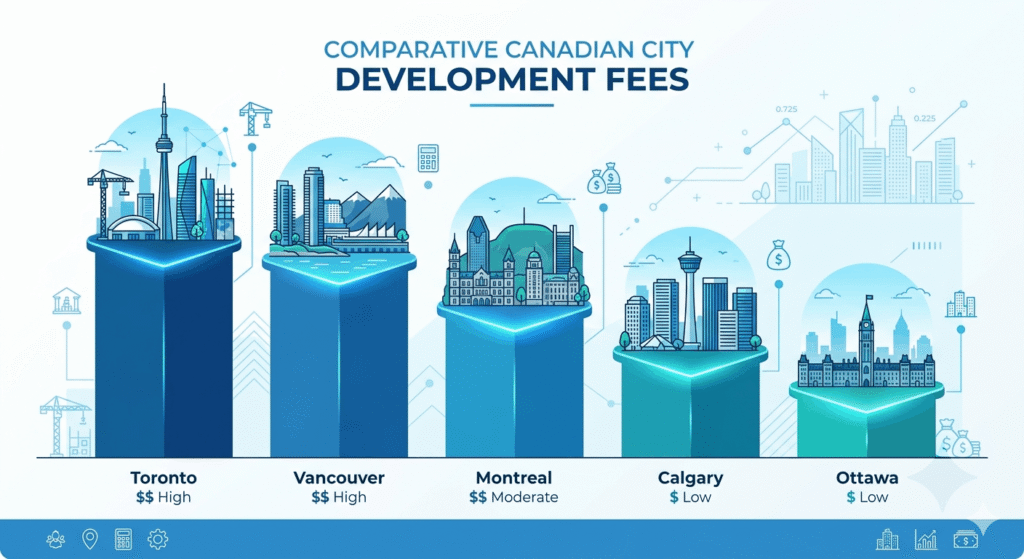
In 2026, Toronto leads Canada for the highest developer fees associated with new condo developments. These charges often exceed those not only in Vancouver and Montreal but also in other major North American urban centers. Below is a summary comparison:
| City | Avg. Developer Fees/Unit | % of Total Build Cost | Fee per Sq.Ft. | Last Year Fee Growth |
|---|---|---|---|---|
| Toronto | $81,000 (avg) | 13% | $86 | +42% (2024) |
| Vancouver | $70,000 (avg) | 11% | $70 | +21% (2024) |
| Montreal | $24,000 (avg) | 4% | $24 | +8% (2024) |
| Ottawa | $52,000 (avg) | 9% | $54 | +16% (2024) |
| Calgary | $16,000 (avg) | 3% | $18 | +4% (2024) |
*Data from the Canadian Home Builders’ Association (CHBA), Canada Mortgage and Housing Corporation (CMHC), and city fee schedules.*
Toronto’s pace of fee increases is notable, with development charges rising 42% year-over-year in some cases. These fees, when combined with high land acquisition and construction costs, contribute to the city’s unique challenges around housing affordability. Buyers need to be especially diligent, requesting itemized fee statements and monitoring fee schedule updates through the City of Toronto’s official page.
Common Mistakes When Considering Developer Fees
Even experienced buyers can overlook or misunderstand the significance of developer fees in condo developments Toronto. Here are several pitfalls and how to avoid them:
- Assuming all fees are included in “all-in” prices: Marketing materials rarely spell out whether final prices incorporate every development charge.
- Neglecting status certificate review: Skipping this step may mask ongoing or future special assessments.
- Focusing only on monthly condo fees: Monthly maintenance charges are not the same as one time developer fees, which can be much larger.
- Failing to budget for annual increases: Between agreement and occupancy, developer fees may be raised under city bylaws, so buyers should build in a financial buffer.
- Overlooking city exemptions or recent policy changes: New developments of certain sizes or under specific city rules may benefit from exemptions, impacting total costs.
- Forgetting about Education Development Charges: EDCs support new schools and are assessed separately, so review this line item in all closing disclosures.

To avoid mistakes, always request a transparent, itemized fee statement and use available guides like Planning & Financial Guidance. Consulting resources such as Leedway Group’s Services and the FAQ helps demystify the fee landscape.
Frequently Asked Questions
1. What do developer fees include in Toronto condo projects?
Developer fees in Toronto, formally referred to as development charges, pay for the essential city infrastructure needed for population growth. This includes upgrades to roads, public transit, water and sewage systems, community centers, and emergency services. Additionally, Education Development Charges finance local school capacity, managed by the Toronto Catholic District School Board.
2. How do developer fees impact final condo pricing for buyers?
Almost all developer fees are reflected in the price buyers pay for new condos in Toronto. As of 2026, these fees add between $52,000 and $81,000 or even more to each unit and represent 8–16% of the purchase price. They are a core cost, not a minor add-on.
3. Can developer fees be negotiated or capped?
Typically, Toronto’s development charges are established by city bylaws and are not open to negotiation. Rarely, smaller developments (six units or fewer) may receive exemptions, and the city council can occasionally introduce deferrals or updates. Buyers are encouraged to check all applicable bylaws and consult with their realtor or legal advisor regarding possible current exemptions.
4. What should be checked in a status certificate regarding fees?
The status certificate is a vital legal document provided at closing. Buyers should verify it lists all paid and outstanding fees, details reserve fund balances, and notes any pending legal or financial assessments. If any fees or charges are unclear, they should be clarified with a real estate lawyer or with the help of guides such as a status certificate review Toronto article.
5. Where can I find official Toronto condo development rules?
All rules, fee schedules, and bylaw updates for Toronto condo developments, including developer fees, are published by the City of Toronto’s Development Charges page and through the Government of Ontario’s statutes. These are the best resources for up-to-date information before buying.
Conclusion
Condo developments Toronto developer fees directly shape affordability and investment decisions, routinely representing 8 to 16% of a new unit’s total price. As Toronto navigates rapid growth, evolving bylaws, and surging infrastructure demands, understanding the full developer fee structure at every project stage land acquisition, site plan approval, building permits, registration, and occupancy is crucial. Always consult the latest government schedules, request detailed status certificates, and partner with expert advisors to secure your best outcome when buying a new Toronto condo.