

Quick Answer Box: Choosing between design build toronto and a general contractor depends on your project scope, your desire for control, and your risk tolerance. Design-build offers one point of accountability, faster timelines, and up to 20% cost savings. General contractors work best for highly custom or architect-driven projects where owner involvement throughout both design and build phases is important.
What is Design Build vs General Contractor in Toronto?
Design-build in Toronto means both design and construction services are provided by a single entity under one contract, acting as your main contact throughout. In contrast, the general contractor approach separates the design phase from building, requiring you to hire an architect or designer first, then a contractor to build what’s on the plans. This distinction impacts your experience, process, and project results.
It all starts with approvals — see our complete Ontario building permits guide.
Project Delivery Methods: How Do They Work?
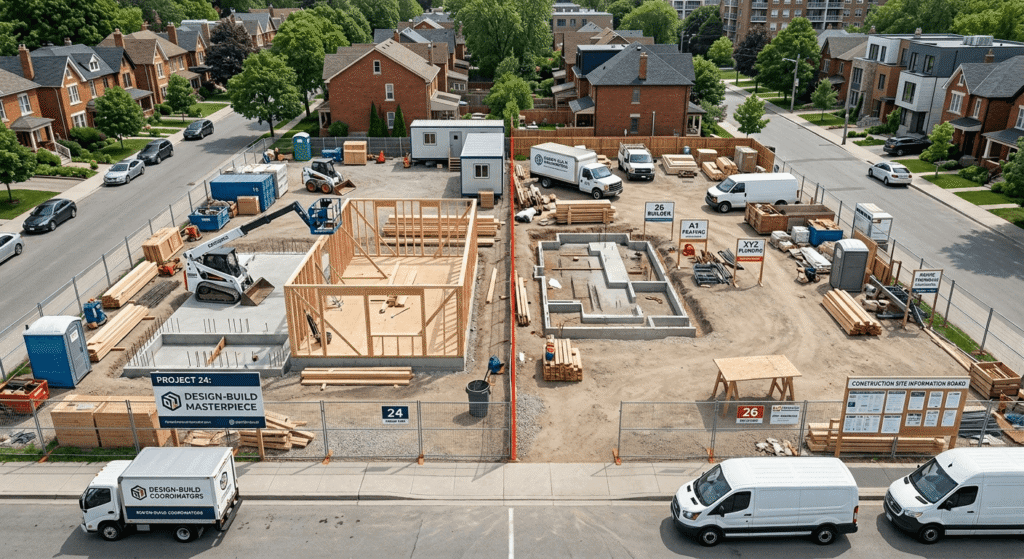
Project delivery methods outline how construction and renovation projects are structured from beginning to end. In Toronto, design build combines the designer, builder, and project manager into one integrated team, allowing for collaborative planning and streamlined communication. The general contractor (GC) method keeps design and building separate, with two main contracts: you first hire a designer, then invite different contractors to bid on the build.
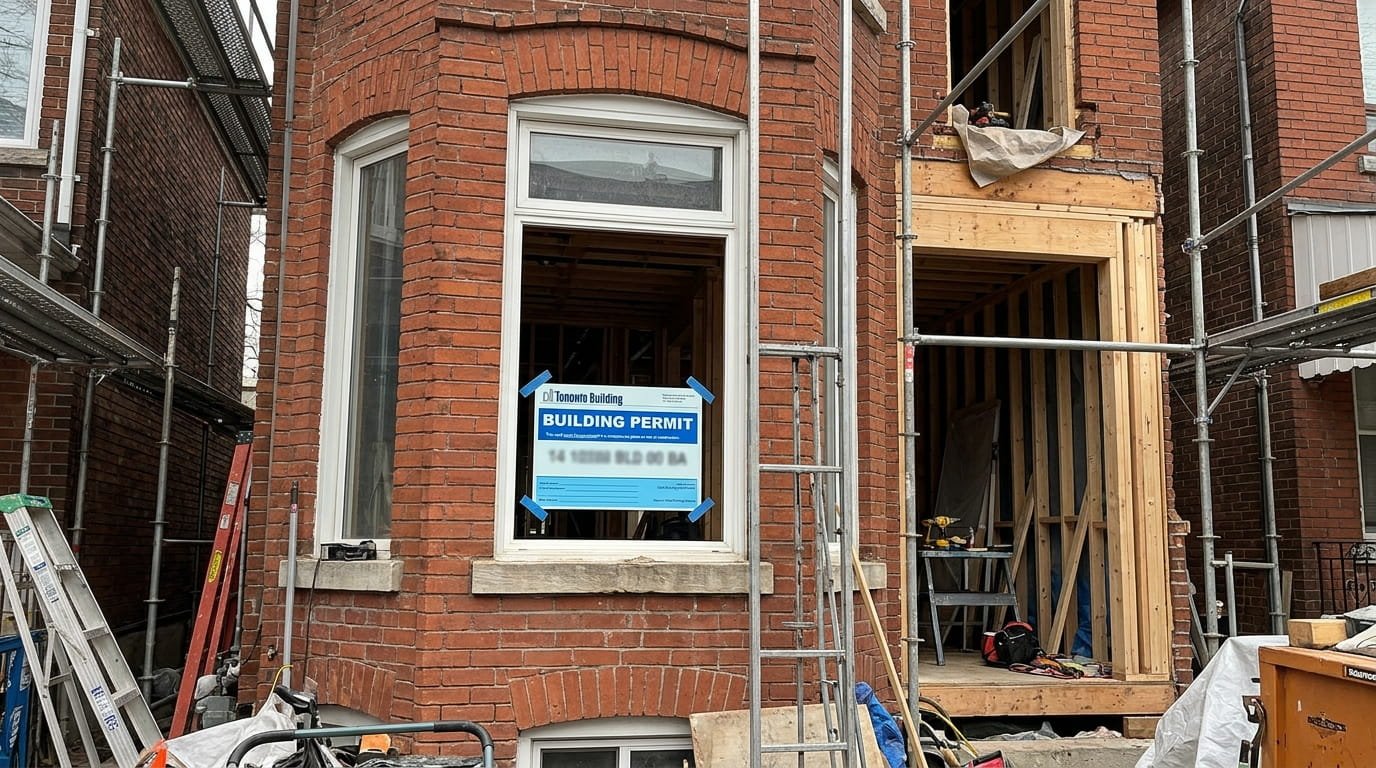
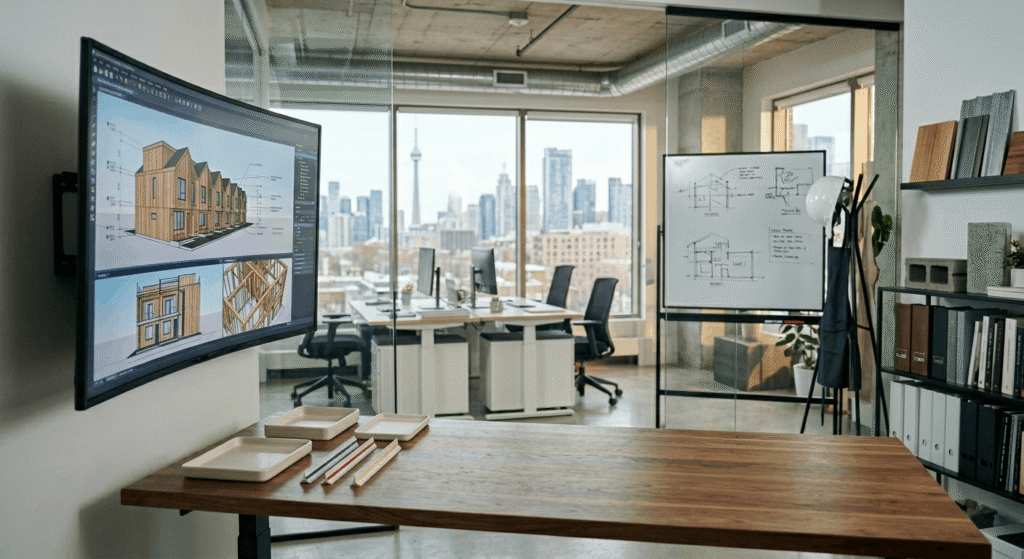
Design-build teams make use of advanced digital tools and 3D renderings. With the city’s January 2026 requirement for digital permits, experienced design-build teams in Toronto have an edge in navigating bureaucracy. GCs focus on executing the plans, leaving the project owner to mediate between the designer and the builder. This split can introduce delays if the design needs changes or permits require updates.
For full pricing context, see our Ontario custom home cost guide.
Integration with Toronto Regulations
Both design-build and general contractor models must comply with the City of Toronto building permits process and Toronto Zoning By-law 569-2013. Design-build firms often make compliance and digital submissions smoother, since their in-house design team manages these details throughout.
Permitting is smoother with an integrated team; here is how design-build firms handle building permits.
Key Differences Between Design Build and General Contractor Approaches
Design build and general contracting differ across several points: project management, cost control, communication, timeline, and risk.
- Project Management: Design build models mean one point of contact handles everything. With general contractors, you manage coordination between separate design and build teams, typically resulting in more hands-on owner involvement.
- Cost Control: Bundled pricing is standard in design-build, leading to fewer budget surprises and typically 15 to 20% lower overall costs. GCs give detailed bids, but frequent change orders and fragmented scopes can drive costs up.
- Communication: Integrated design build teams smooth out communication, while in GC projects information can fall between designer and contractor, leading to delays.
- Timeline: Design and build happen concurrently in design build, shaving 2 to 4 months off most projects compared to the step by step approach of the GC model.
- Risk and Accountability: There’s clear responsibility with design-build one team owns the full outcome. With GCs, accountability can shift between parties, postponing solutions.
Building in the area? See our Mississauga custom home builder guide.
Control and Flexibility
General contractor models allow for a higher degree of owner control, especially valued in custom or architect-led builds. However, this flexibility means the owner must remain engaged and handle more logistical decisions, increasing risk of misaligned teams.
Project Scope and Adaptability
Projects with defined scope and tight deadlines, such as straightforward renovations, often benefit from the predictability of design-build. General contractors are better suited to jobs with unique needs, evolving requirements, or where you want a particular architect or design vision.
Subcontractor Handling and Team Integration
With design-build, subcontractors are sourced and managed by the single team, reducing your need for involvement and improving project management. Under the GC system, subcontractor selection can involve the owner and create coordination gaps, affecting construction schedule and quality.
Design-Build vs General Contractor in Toronto
| Factor | Design-Build | General Contractor |
|---|---|---|
| Contract Structure | Single, integrated contract | Separate design and build |
| Design Team Integration | In-house, collaborative | Hired separately |
| Project Scope Management | Clear, cohesive | Owner-managed, flexible |
| Renovation Fit | Ideal for straightforward projects | Good for complex/occupied |
| Subcontractor Handling | Managed by design-build team | Managed by GC, owner input |
| Cost Control | Bundled, stable pricing | Itemized, variable pricing |
| Timeline | Shorter, overlapping phases | Longer, sequential phases |
| Risk & Accountability | Single-source responsibility | Split between parties |
| Communication | Centralized and clear | Can be fragmented |
How to Choose the Right Project Delivery Method
Selecting the best project delivery method in Toronto involves examining your goals, needs, and available resources. Follow this step-by-step approach:
- Assess Your Project Scope
Identify the size, project type (renovation, new build, addition), and complexity. Major renovations or heritage projects typically require integrated project management. - Determine Your Involvement Level
Ask yourself how engaged you wish to be. Owners who want turnkey results prefer design-build. If you want to oversee both design and construction, a general contractor may be a better fit. - Establish Your Budget and Flexibility
Set a realistic budget and consider flexibility. Design-build models often reduce budget overruns, offering clearer cost control. GC models offer line-item transparency, but pricing may vary due to frequent quote changes or change orders. - Choose a Design Team or Architect
If you have a preferred designer or architect, a general contractor approach can give them greater creative freedom. Design-build is ideal if you want a cohesive design team from start to finish. - Prioritize Your Timeline
Timeline is crucial. Design-build saves 2 to 4 months on many projects through overlapping phases. If timing is tight, this method gives you a real advantage. - Ensure Regulatory Compliance
Toronto now requires digital permit submissions. Experienced design-build teams have adapted workflows to streamline compliance, resulting in fewer delays. - Request and Compare Quotes
Gather and analyze quotes from both models. Focus not only on price, but also on included services, project management structure, and defined roles for the design team. - Review Past Projects and References
Look at references and finished jobs. Check contractor portfolios like Projects or third-party sites such as HomeStars, and review testimonials about renovation and construction outcomes. - Discuss Warranty and Post-Build Support
Clarify the type of warranty and post-project support each provider offers. Design-build teams often centralize this, streamlining long-term care. For more, visit Warranty.
If you’re planning a major home renovation toronto, consulting a resource like Planning & Financial Guidance can ensure a well-informed start.
The Role of the Design Team in Toronto Construction Projects
The design team plays a central role in shaping your Toronto project’s success, but its function changes by delivery method. In design-build, all members from designers to project managers to subcontractors collaborate from day one. This integration gives you rapid feedback, early detection of construction issues, and adaptive solutions if heritage or structural surprises appear mid renovation.
By contrast, in the general contractor model, your design team is engaged independently and typically exits once the plans are complete. The contractor then executes the drawn plans, bringing in the design team only as needed. These gaps can slow decision-making and lead to conflict in case of design changes or regulatory surprises during construction.
Renovation and Occupied Sites
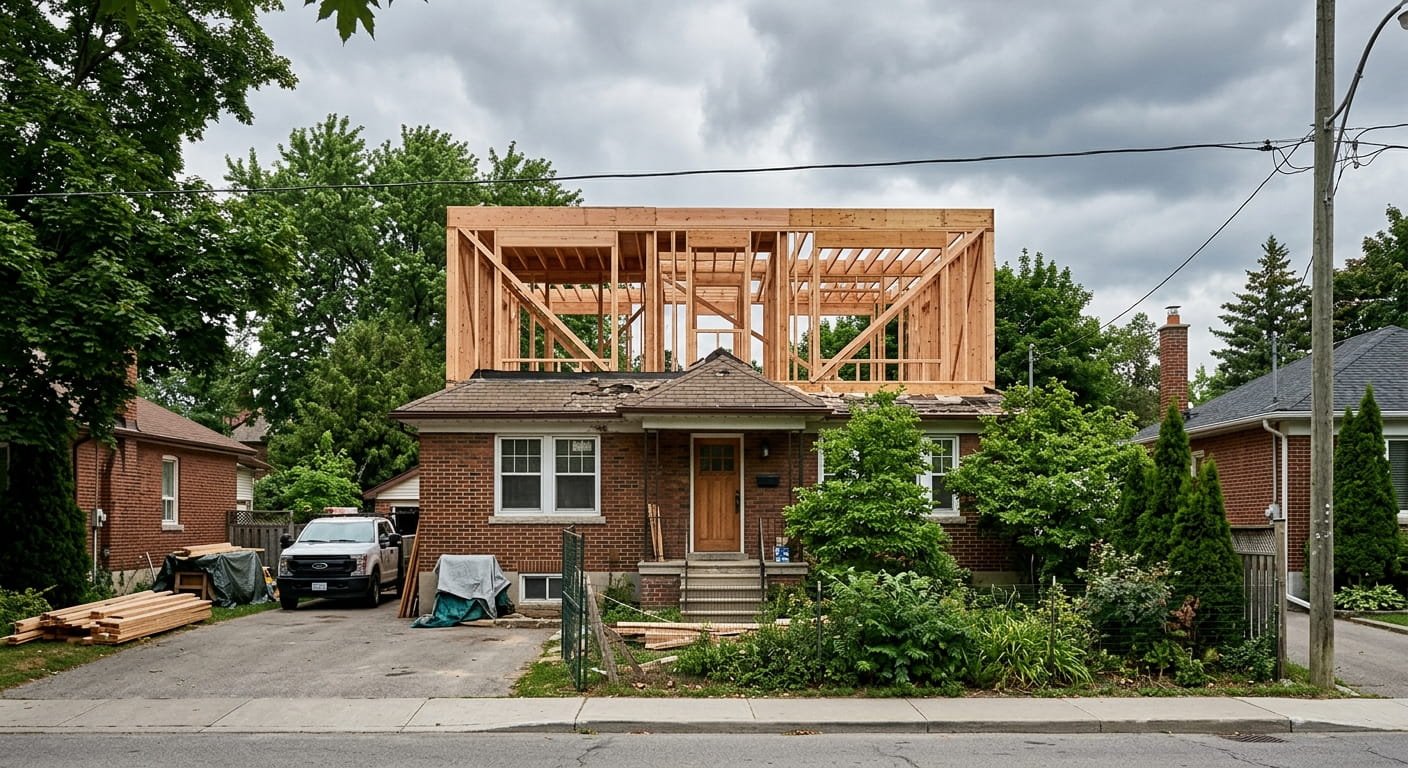
Renovation projects in Toronto particularly in existing or heritage homes benefit from the design build model’s flexibility and communication, as disruption is minimized. The design team can quickly align work to accommodate your schedule or needs if you remain on-site. With general contractors, mid-project changes may lag due to design team availability or slow site inspections.
Visual and Digital Coordination
Today’s homeowners expect clear visualizations: 3D walkthroughs and digital models are now standard, helping clients approve designs before building starts. Design-build firms increasingly offer these tools, expediting both internal approvals and external city permits.
Design Team Role Toronto Construction
Strong design team involvement is essential for smooth renovation, cost control, and regulatory compliance in any construction project. Involving experienced, integrated design professionals early helps avoid common mistakes and ensures the project meets both your needs and local codes.
Pros and Cons of Design-Build and General Contractor Models
Deciding between design-build and general contracting in Toronto involves balancing benefits and drawbacks for your unique project.
Design-Build: Pros
- Single Point of Responsibility: Management is centralized, reducing confusion and stress.
- Unified Team: Enhanced coordination limits disputes and delays.
- Cost Control: Lower risk of surprise bills; 15–20% overall savings are common.
- Timelines: Overlapping phases mean you finish up to 2–4 months faster.
- Streamlined Permitting: Integrated design and construction simplifies regulatory approvals, particularly in Toronto’s digital system.
Design-Build: Cons
- Less Line-Item Pricing Transparency: Bundled pricing may obscure individual costs for materials or labor.
- Reduced Owner Control Over Design Changes: Changes during construction can incur extra fees.
- Not as Flexible for Architect-Driven or Uniquely Designed Projects: Homeowners with very specific vision may prefer managing separate design and build teams.
General Contractor: Pros
- More Control Over Design: Owners hire and direct their own architect or design team.
- Transparent Bids: Itemized quotes clarify where every dollar is slated.
- Architectural Flexibility: Optimal for complex, one of a kind homes or spaces requiring advanced design input.
General Contractor: Cons
- Higher Likelihood of Change Orders: Budget and schedule overruns are common.
- Longer Timeline: Phased “design then build” sequencing adds weeks or months.
- More Owner Project Management Required: You must coordinate communication and changes between multiple parties.
Toronto-Specific Considerations for Renovation and Construction
Construction and renovation in Toronto operate under unique rules and conditions.
- Mandatory Digital Permits: Since January 2026, digital submission is standard for all permits. Design-build teams are adept at expediting these digital workflows.
- Ontario Building Code (OBC) Compliance: Be sure your team, whether design-build or GC, understands both provincial and Toronto Zoning By-law 569-2013.
- Sustainability Standards: Net Zero and energy efficiency retrofits are gaining ground in the city. Design-build teams often manage these requirements more effectively during construction (Net Zero Energy Homes, Sustainable Construction Practices).
- Heritage Home Renovations: Many projects are in heritage neighborhoods or require working while the homeowner is present. Design-build teams can schedule around occupancy and heritage requirements, while the general contracting model may struggle with disrupted project management.
- Subcontractor Coordination: Centrally managed in design build, while GCs may delegate this and potential risk to subcontractors, sometimes requiring your input and approval.
- Construction Market Trends: The city increasingly sees homeowners choosing design-build for complex jobs, additions, and high-efficiency upgrades.
For the most up to date information on codes and permits, visit the official City of Toronto portal.
Toronto Digital Construction Permit Guide
Toronto’s transition to digital permitting affects project management and delivery for all renovation and construction. For step-by-step instructions on the digital permit process, see our Toronto digital construction permit guide.
Common Mistakes When Choosing Between Design-Build and General Contractor in Toronto
Homeowners often make costly errors when selecting the wrong construction or renovation delivery method:
- Underestimating Costs with GC Projects: A low GC bid may appear attractive, but change orders for design changes quickly increase the final quotes.
- Overlooking the Importance of an Integrated Design Team: Not involving the design team consistently especially in renovations can result in missed code updates and lost design intent.
- Insufficient Project Management Oversight: The GC model demands more input from the owner; owners often underestimate time needs.
- Neglecting Permit and Regulatory Shifts: Providers unfamiliar with digital permitting or the latest by laws could cause costly delays, especially with recent Toronto code updates.
- Expecting Turnkey Simplicity from Separate Contractors: The GC method puts the burden for smooth transitions on the owner. For a truly turnkey process, use a design-build provider.
- Choosing Based Solely on Quotes: Focusing only on initial quotes and not evaluating project management capacity, design team engagement, or full project scope can backfire.
Clarify your needs and research both models using guides like Our Approach, Renovation vs Rebuild, or Planning & Financial Guidance.
When to Use Each Approach
Full-Home Renovation in Leslieville (Design-Build)
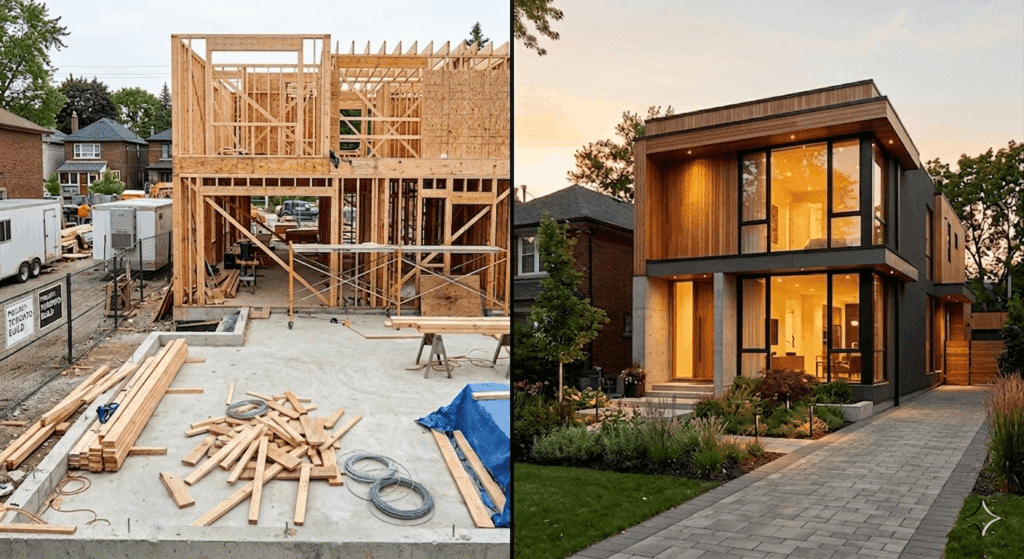
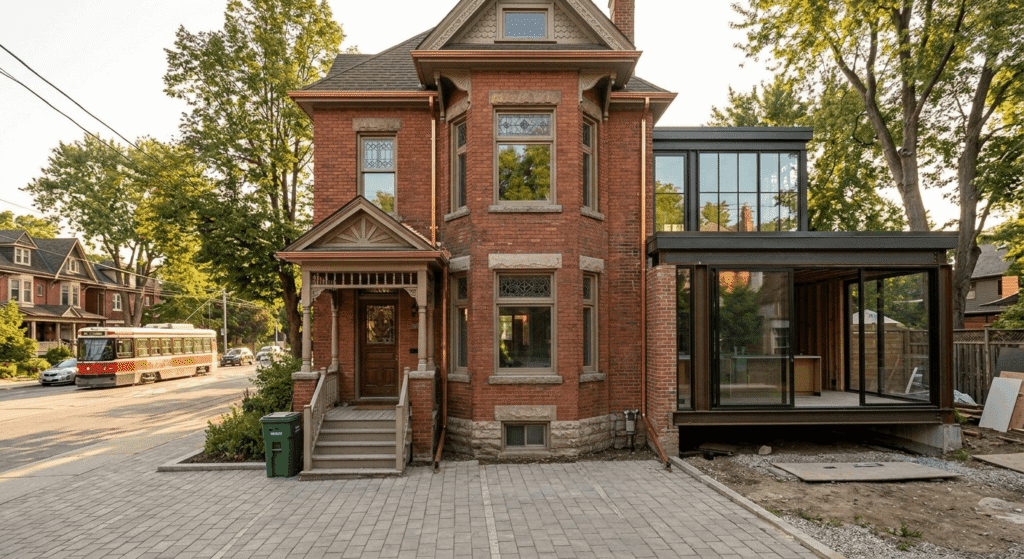
A Toronto family living in a heritage property needed a full renovation, energy upgrades, and a spacious new kitchen. By using design build toronto services, they realized 15% cost savings, received immersive 3D design previews, and reduced living disruption. The design team managed digital permits and subcontractor coordination, keeping the renovation on a six-month schedule and freeing the owners from day-to-day issues.
Custom Architect-Led Modern Home (General Contractor)
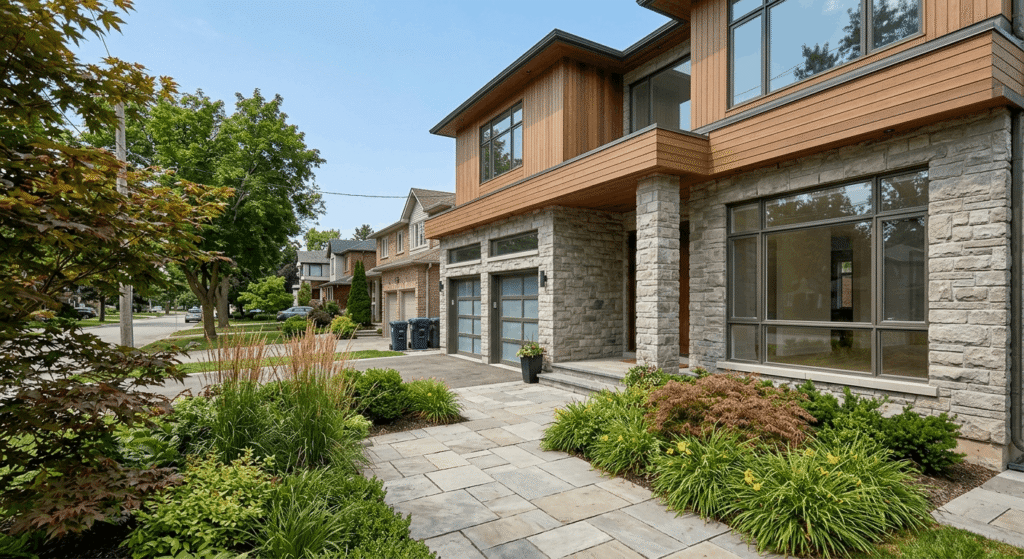
A North Toronto homeowner wanted a highly customized, architect-designed modern home. The owner first worked with a designer to refine all construction details, then invited GCs to bid on the build. While this preserved maximum design control, project management was more complex for the homeowner, who needed to coordinate with the design team, general contractor, and City permitting department. The project experienced delays due to unforeseen structural changes and permit revisions.
Commercial Interior Fit-Out (Hybrid Model)
For a commercial project, a landlord combined both models. A design-build firm tackled pre-construction design and compliance, while multiple GCs bid on the construction phase. This hybrid allowed both cost control and specialized input but required far more owner oversight in project management and design coordination.
Kitchen Renovation with Tight Budget (Design-Build)
A first-time Toronto homeowner needed a kitchen upgrade, staying within a strict budget. They chose a design build toronto specialist, who provided a clear, upfront quote, managed permitting, and completed the renovation four weeks ahead of schedule. Single-team project management and in-house design expertise added value and kept costs on target.
Want to see project outcomes? Visit Projects or sample detailed work such as Weldon Drive Custom Home, Thorah Park Custom Home, and Niagara Condo Development.
Frequently Asked Questions
1. Can a general contractor provide design services too?
Some general contractors in Toronto offer design services or team up with design studios, but these arrangements are usually less integrated than what a true design-build approach offers. Integrated design-build teams ensure designers and builders collaborate from concept to completion.
2. Are design-build quotes more accurate than general contractor estimates?
Design-build quotes typically encompass the full project scope in one bundled cost, making surprises and change orders less likely. General contractor quotes are itemized, but often don’t include unknowns such as design changes or unexpected site issues, leading to less accurate final costs.
3. How does project timeline differ between design-build and general contractor?
Design-build projects in Toronto can take 2 to 4 months less than general contractor jobs due to overlapping design and build phases. Streamlined permitting and unified project timelines reduce the risk of scheduling delays.
4. What should I know about permits and approvals in Toronto?
Since January 2026, all permit applications are digital. Whether using design build or a general contractor, ensure your team is experienced with online submissions, understands by law requirements, and can navigate City of Toronto approval processes.
5. Which method is best for a major residential renovation?
Design build is particularly effective for large, complex renovations especially in Toronto’s older homes where cost control, timeline, and project management matter. General contractor models are preferred if architectural flexibility or client control outweighs bundled project efficiency.
For further questions, visit the FAQ section or get personalized guidance by contacting the Home or Contact pages.
Conclusion
Choosing between design build toronto and a general contractor is a pivotal decision that hinges on your renovation or construction project’s size, complexity, budget, and your desired level of engagement. Design-build delivers single point accountability, faster delivery, and better cost control, especially for Toronto homeowners navigating the digital permitting system. General contractors are ideal for those who want maximum design flexibility or to work closely with specific architects. By defining your project scope, comparing quotes, and involving a qualified design team early, you can select the method best suited for your vision and circumstances.
Thinking about building? Contact Leedway for a consultation.