

Quick Answer Box: Garden suites Toronto are self contained backyard homes permitted on most residential properties, granting private, accessible living for aging in place or multi-generational families. As of 2026, updated regulations enable approval in 8 to 16 weeks for suites up to 645 sq ft, with typical build costs between $225,000 and $400,000.
What is an Aging in Place Garden Suite in Toronto?
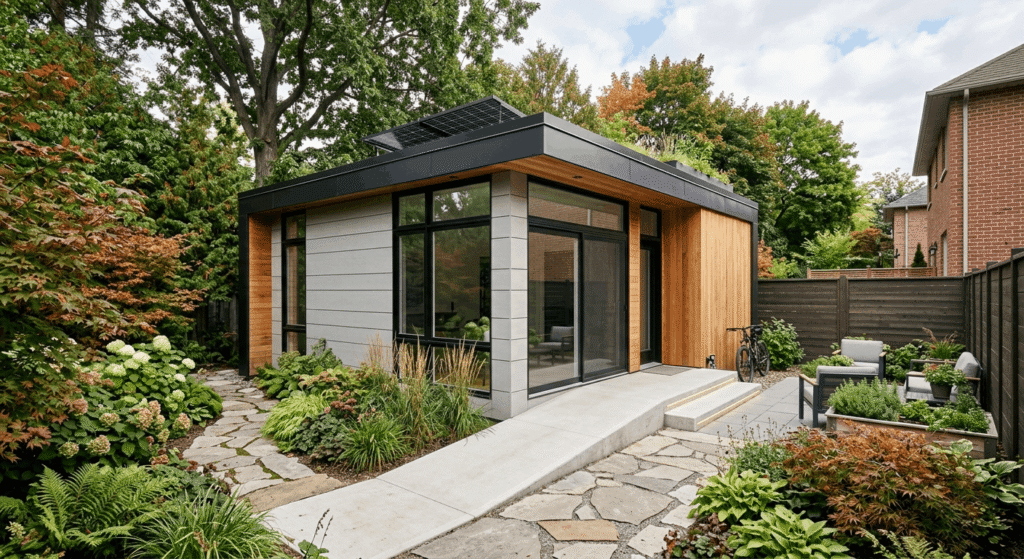
An aging in place garden suite in Toronto refers to a detached, self-contained housing unit built in the backyard of an existing residential property. These suites, unlike their laneway suite counterparts, do not require direct access to a laneway and focus on providing fully independent living spaces complete with kitchens, bathrooms, and living rooms. Typically designed to support seniors, caregivers, or families seeking multi-generational living, garden suites Toronto empower older adults to remain close to loved ones while retaining privacy and enhancing property flexibility and value.
Before you break ground, our step-by-step guide to garden suite permits in Ontario walks through zoning, drawings and approval timelines.
Toronto Garden Suite Regulations and Zoning Bylaws (2026)
Toronto garden suites are governed by By-law 569-2013, By-law 89-2022, and Ontario Regulation 462/24, which legalize them citywide in most low-rise residential areas as of 2026. Eligible properties include detached, semi-detached, or rowhouses located within R, RD, RS, RT, or RM city zones. Each garden suite can be up to 645 sq ft (60m²) and two storeys high (maximum 6 m), but must not cover more than 40% of the rear yard.
A critical consideration under the zoning bylaw is a required unobstructed 1-meter-wide access path for fire and emergency vehicles, running from the street to the backyard. While no dedicated parking is mandated for garden suites, Toronto’s strict tree protection and soft landscaping rules still apply. Limitations may arise for properties with heritage overlays, narrow lots, or significant mature trees, often requiring additional review. For authoritative details and resources on accessory dwelling unit regulations and applications, visit the City of Toronto’s official garden suites portal. You can also explore a summary of legal standards in the regulations background PDF.
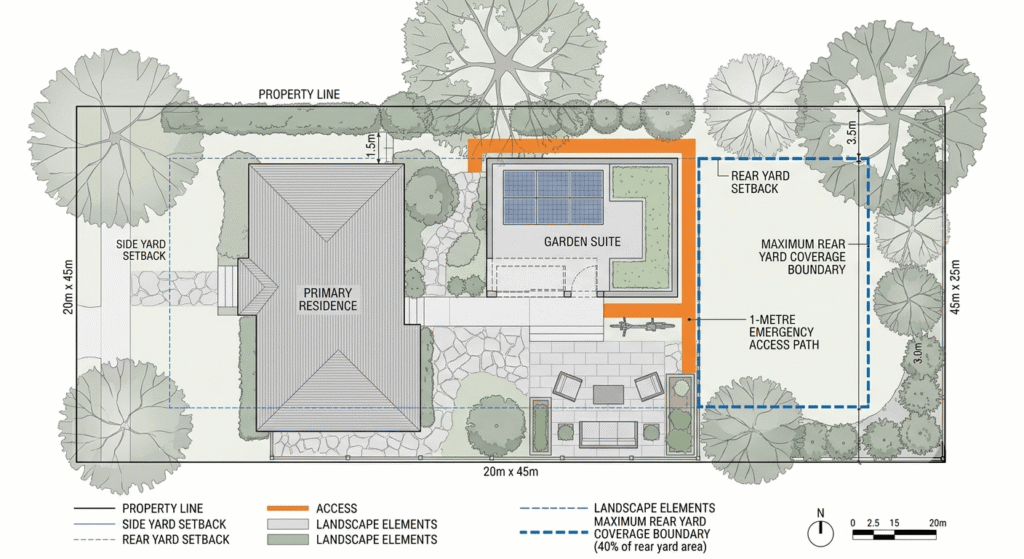
Many homeowners add a separate living space for family — here is what adding an in-law suite costs and which permits you need.
How to Get a Garden Suite Approved in Toronto
Getting your garden suite Toronto project approved is more straightforward in 2026 due to improvements in permitting and standardization. Follow these steps for a successful experience:
- Feasibility and Zoning Check: Confirm your property’s eligibility with the city’s zoning office, reviewing minimum lot size, setbacks, and rear yard dimensions under local zoning bylaw requirements.
- Consult a Designer or Architect: Engage a qualified designer or architect to produce architectural drawings and site plans, ensuring compliance with accessibility, utility, and yard standards.
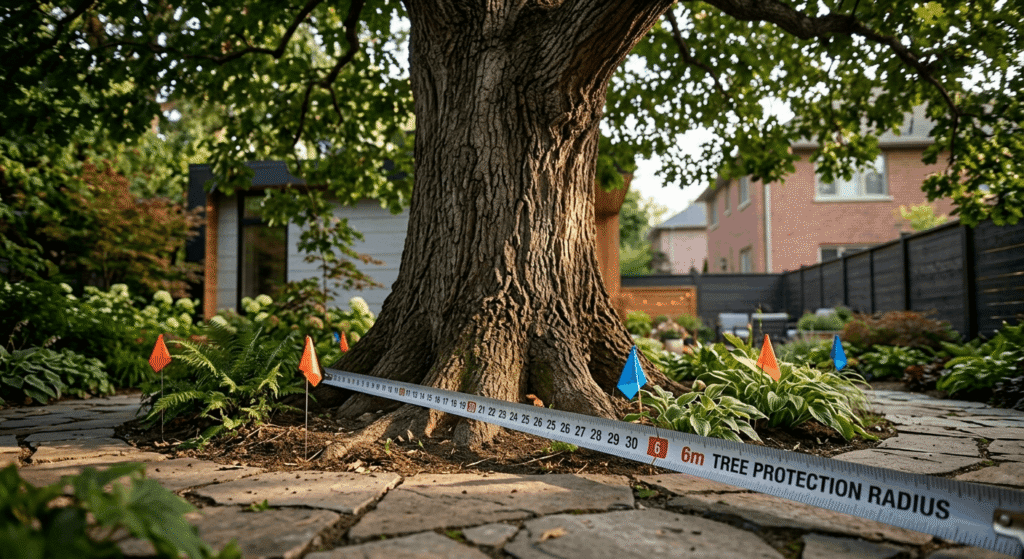
- Arrange Site Assessments: Commission an arborist/tree protection report and, if relevant, a heritage assessment for lots with additional overlays.
- Complete Your Permit Application: Submit signed architectural plans, site diagrams, arborist/heritage documents, and utility layouts through the city’s online permitting portal.
- City Review: City planning staff review your documents, request corrections as required, and process approvals for standard, variance free projects in 8–16 weeks.
- Obtain Building Permit: Upon approval, pay applicable building permit fees (typically $3,000–$8,000) and secure your formal permit.
- Begin Construction: Complete the project in phases foundation, framing, mechanism installation, and finishing scheduling city inspections at each major step.
- Finalize Occupancy Approval: Request a final inspection for legal occupancy. Once approved, your garden suite is move-in ready.
Building Permit Requirements and Project Timeline
Your building permit application will require detailed, professionally prepared drawings, utility plans, and, when applicable, certified arborist reports. In most situations, the City of Toronto guarantees review times within 8–16 weeks for properties that comply fully and don’t need committee of adjustment variances. Development charges for an accessory dwelling unit are generally waived; expect permit fees of $3,000 to $8,000 depending on project scope.
The entire process from design through occupancy can take 9–12 months, with actual construction ranging from three months for turnkey prefab builds to four to six months for custom options. If your site is irregular or subject to special overlays, anticipate additional approvals and variable timelines. For a comprehensive understanding of our project management methodology, please see Our Approach.
Site-Specific Considerations
Every Toronto backyard poses unique challenges. For instance, the Urban Forestry department strictly protects mature or boundary trees. If a garden suite will be within 6 meters of a regulated tree, a certified arborist’s report is mandatory and construction plans may need adjustment to preserve tree health. Additionally, access paths must remain clear during all stages. Heritage overlays, odd lot shapes, or encroachments on public right-of-way often trigger the need for professional planning and possible variance applications, which can increase both complexity and cost. For more information on design and site-specific feasibility, visit Planning & Financial Guidance.
Garden Suite Design
Designing a garden suite Toronto for aging in place requires careful attention to both current and future needs. By law, suites may not exceed 645 sq ft and 6 meters in height, typically supporting one or two bedrooms, a full bath, and a kitchen. These accessory dwelling units are ideal for older adults, small families, or caregivers who require independent yet nearby living.
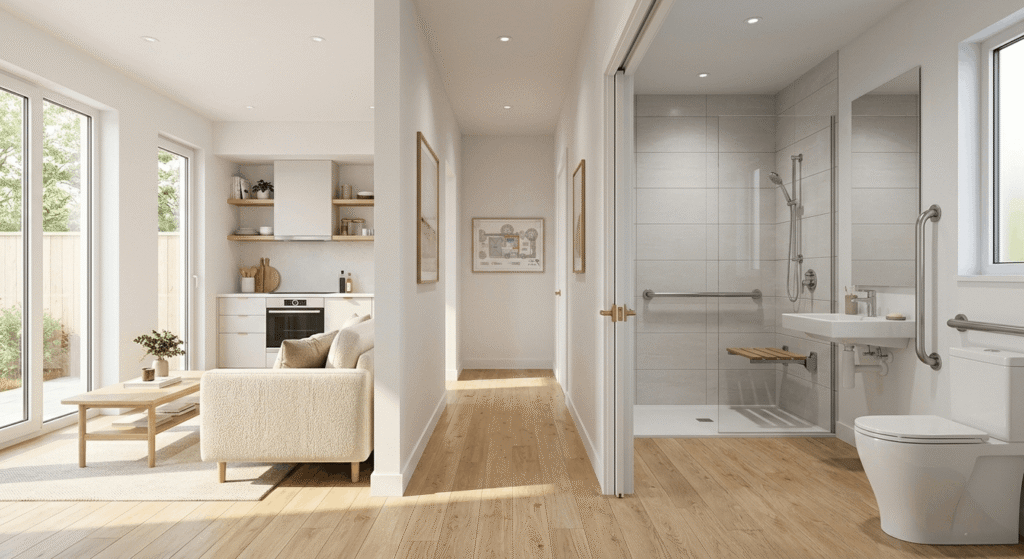
Accessibility should be prioritized in all garden suite plans. Features include step-free entrances, extra-wide doorways, levers for handles, roll-in showers, grab bars, and touchless or smart-home controls each facilitating easier movement for those with limited mobility. Energy efficient systems, like heat pumps and radiant floor heating, alongside Net Zero Energy Home designs, help keep long-term costs down. Interested in sustainable construction methods and energy innovation? Explore Net Zero Energy Homes and sustainable building strategies at Sustainable Construction Practices.
Garden Suite Plans and Layout Considerations
Evaluating garden suite plans thoughtfully sets the groundwork for aging in place and independent living. Prioritize open-concept designs with minimal thresholds, generous hallway widths, and ground-floor accessibility. For multi-generational living, layouts with separated bedroom areas, acoustic insulation, and adaptable common spaces are preferred, enabling households to flex for private living, caregiving, or shared activities. Flexible planning will accommodate medical equipment or evolving lifestyle requirements over time. For expert advice on layouts, browse accessible options at Services or see case studies within our Projects.
Turnkey vs. Custom Builds
Garden suite buyers in Toronto often weigh the advantages of turnkey prefab solutions against custom builds. Turnkey accessory dwelling units can be completed in as little as three months and offer predictable pricing, but custom builds unlock significant flexibility essential for those who want advanced aging in place features or upmarket finishes. Typical turnkey garden suites cost $225,000–$400,000. Highly personalized or larger builds can surpass $450,000, but often enhance accessibility and future adaptability.
Housing Affordability, Multi-Generational Living, and Independent Living Benefits
Garden suites Toronto directly address the region’s persistent housing affordability crisis by enabling homeowners to add fully independent backyard dwellings. These units can be used for multi generational living supporting aging parents, adult children, or live in caregivers while still preserving privacy within one property. The Homeownership Long-Term Care resource offers additional perspectives on maintaining independence as family needs change.
Aging in place allows seniors to maintain independent living while remaining close to family, often improving well-being and reducing the risk of institutionalization. Adding a garden suite also boosts property value, with recent data indicating average uplifts of $285,000–$320,000 following construction. These benefits strengthen family bonds and offer additional financial security.
Rental Income and Return on Investment
Rental income from a garden suite Toronto ranges from $1,500–$3,500 per month in 2026, depending on size, features, and location. This reliable source of income enables homeowners to offset mortgage obligations, fund future care, or reinvest in their property. Based on typical turnkey costs, annual ROI averages 5–8%, with most homeowners recovering their investment in 5.5–7.5 years. Rental earnings are considered taxable income and can slightly elevate post-construction municipal property tax assessments. For guides on garden suite financing Toronto options, explore solutions at our Planning & Financial Guidance page.
Garden Suites vs. Other Accessory Dwelling Units
| Feature | Garden Suite | Laneway Suite | Basement Apartment |
|---|---|---|---|
| Allowed in 2026? | Yes, citywide | Yes, laneway lots | Yes, most zones |
| Typical Size Limit | 645 sq ft (60m²) | 807+ sq ft (75m²+) | No max, but code |
| Typical Build Cost | $225k–$400k | $300k–$500k | $120k–$280k |
| Parking Required | No | No | Sometimes |
| Approval Time | 8–16 weeks | 12–24 weeks | 6–12 weeks |
| Accessibility as Standard | Customizable | Customizable | May require reno |
| Rental Income Potential | $1,500–$3,500/mo | $2,000–$3,800/mo | $1,200–$1,800/mo |
| Permits/Development Charges | $3k–$8k / $0 | $4k–$10k / $0 | $800–$2,500 / $0 |
Common Mistakes When Planning a Garden Suite in Toronto
Despite streamlined regulations, homeowners sometimes underestimate the complexity of adding a garden suite Toronto. Oversights often include ignoring zoning bylaw details for unusual lots, failing to file tree protection reports, and misunderstanding setback requirements. Some disregard accessibility needs for seniors or caregivers, or overlook the expense associated with site servicing or lots affected by heritage overlays. Choosing generic plans rather than customized garden suite plans may limit adaptability for future needs.
Other frequent pitfalls involve uncoordinated rush-permitting, skipped professional drawing fees, and underestimating soft costs like landscaping, permit, and utility charges. Avoid costly project delays by thoroughly reviewing requirements with design professionals and referencing the FAQ section of our site for common procedural questions.
FAQs
1. Do I need a building permit for a garden suite in Toronto?
Yes, every garden suite Toronto requires a city-issued building permit as of 2026. Your application must include signed architectural plans, a detailed site diagram, arborist/heritage studies where required, and utility layouts. Straightforward properties typically secure approval between 8 and 16 weeks. Additional support is available on the City of Toronto garden suites portal.
2. How much does it cost to build a garden suite?
A typical turnkey garden suite Toronto in 2026 costs between $225,000 and $400,000 for up to 645 sq ft. Expenses encompass design, permit fees ($3,000–$8,000), all construction, and essential utility hookups. Upgrades, complex sites, or premium finishes may push costs higher, while pre-approved prefab plans may save time but not always money.
3. Can I use a garden suite for rental income?
Yes, renting out your garden suite Toronto is legal and provides monthly income ranging from $1,500 to $3,500 in 2026, according to suite features and location. Be aware this rental income is taxable and may result in a slight property tax reassessment after your suite is registered with municipal records.
4. What are the accessibility standards for aging-in-place design?
Aging in place garden suites typically feature step-free entryways, door widths of at least 36 inches, lever-style handles, roll-in, barrier-free showers, grab bars, and minimal transitions between rooms. These design choices support a range of mobility devices and future needs, ensuring comfort and longevity for any resident.
5. How does a garden suite differ from a laneway suite or basement apartment?
Garden suites Toronto are detached, backyard accessory dwelling units permitted on most lots, regardless of laneway access. Laneway suites require properties to border a public laneway and may be somewhat larger, but are geographically limited. Basement apartments are interior conversions, often necessitating more substantial renovations to meet building codes and typically lacking private outdoor green space or accessible layouts.
Conclusion
Garden suites Toronto offer a direct route to affordable, independent living alongside property value appreciation. Their accessible, flexible designs are ideal for aging in place and multi-generational living, while updated zoning bylaws and permitting processes make the path smoother than ever. If your property is eligible, a garden suite could deliver the independence, rental income, and long-term value needed to keep pace with Toronto’s evolving housing challenges.
For the full picture, read our complete guide to garden suites in Ontario. Ready to start? Talk to the Leedway team about your build.