
Quick Answer Box: A duplex home in Ontario is a residential property divided into two self-contained units, each with its own kitchen, bathroom, and entrance. Duplex homes in Ontario are appealing to buyers and investors who should understand legal requirements, market trends, duplex rental income, and ongoing costs to make informed decisions.
What is a Duplex Home in Ontario?
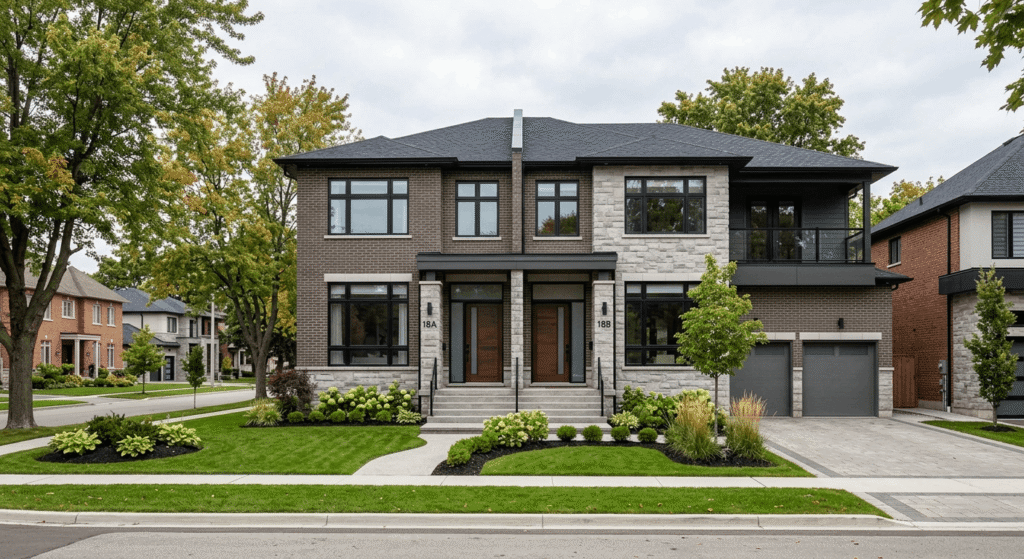
A duplex home in Ontario is a single residential property containing two complete, separate dwelling units, each with its own entrance, kitchen, and bathroom. This arrangement offers flexibility for owners, investors, and multi generational families. Duplexes differ from triplexes and semi detached homes by having only two units under one legal property title.
Duplex homes in Ontario have become increasingly popular as both income properties and practical residences. Each unit generally provides privacy and independent utilities, making them attractive to a wide range of buyers and investors. A legal duplex is distinguished by its compliance with local zoning bylaws and Ontario fire safety regulations.
What Are the Main Duplex Configurations Available?
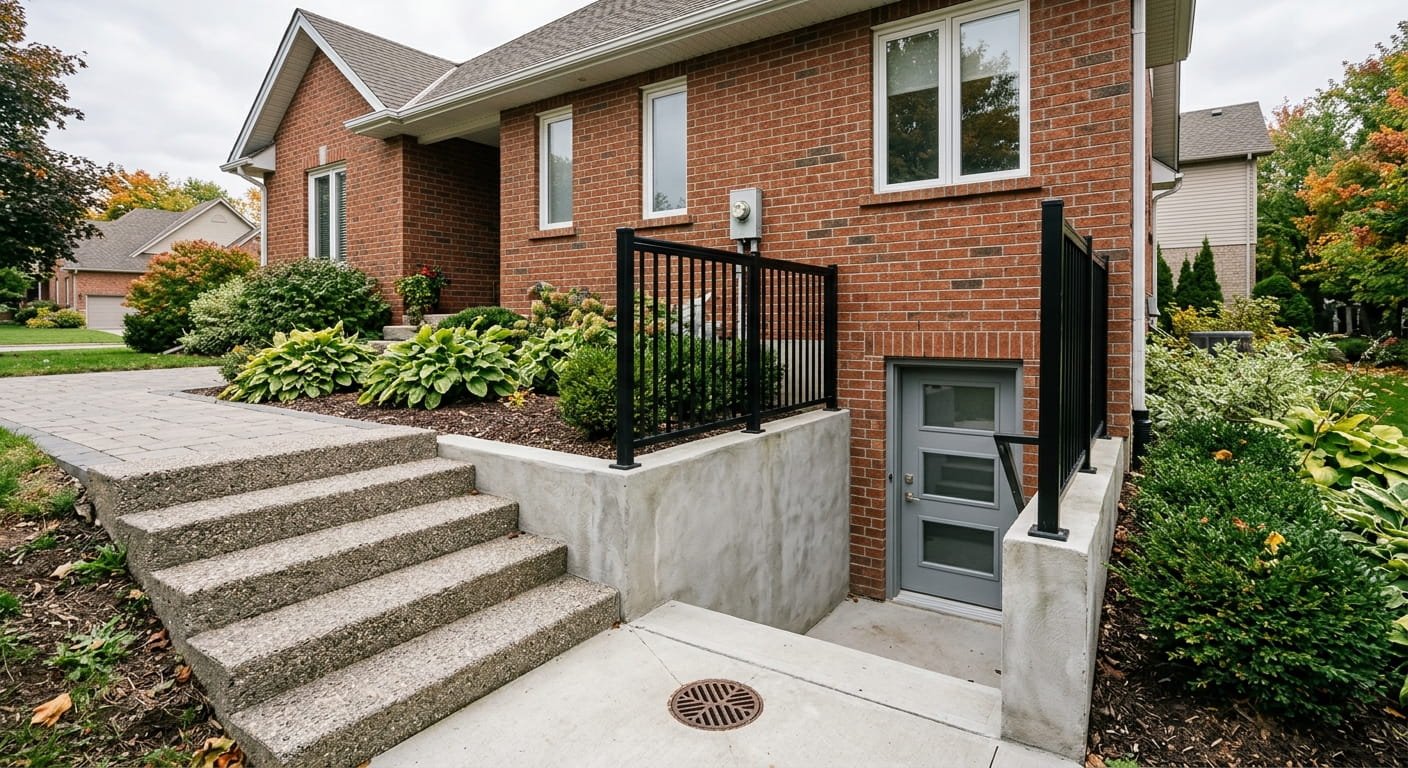
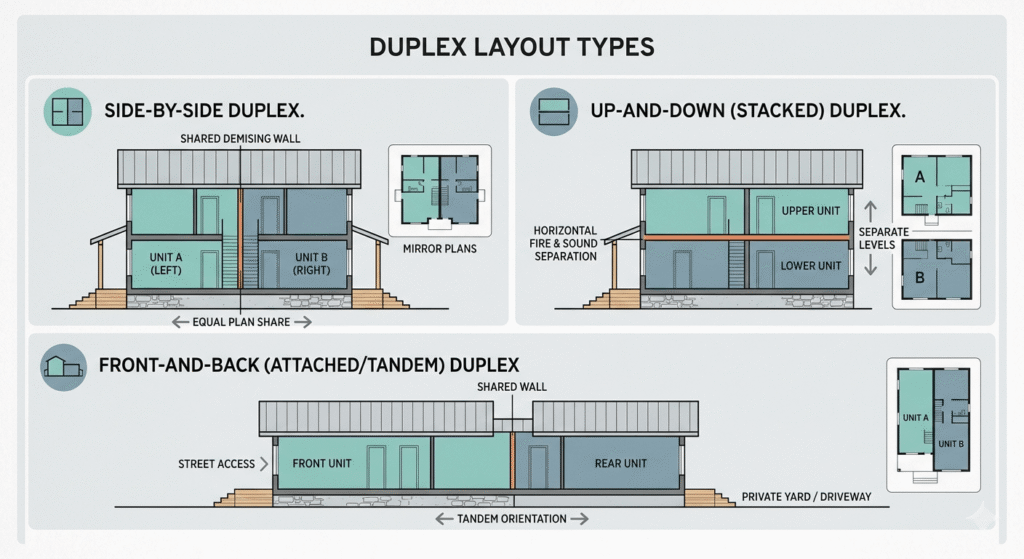
Duplexes in Ontario are found in three primary configurations: side-by-side (units share a wall horizontally), up-and-down (one unit sits above the other), and front-and-back (units extend from front to back). Each layout offers unique benefits in terms of privacy and utility separation.
The difference between a legal and a non-legal duplex is significant. Legal duplexes comply fully with Ontario’s Building Code, municipal zoning, fire code, and permit requirements. Non-legal duplexes might feature multiple kitchens or units but lack proper documentation or fire safety compliance, posing investment and safety risks.
Side-by-side duplexes are highly sought after for their superior sound separation and private outdoor spaces, great for families or those wanting more privacy. Up-and-down layouts are often more affordable and common in urban settings, while front-and-back duplexes can maximize lot depth but sometimes face unique zoning and entry requirements.
Zoning and Duplex Registration in Ontario
Legalizing or purchasing a duplex means following strict zoning and fire safety codes. Zoning bylaws, which vary by municipality, dictate where duplexes are permitted, whether conversion is allowed, and required lot sizes for a two unit home. Review the latest bylaws for your location see the official Ontario site for guidance and links to municipal planning offices.
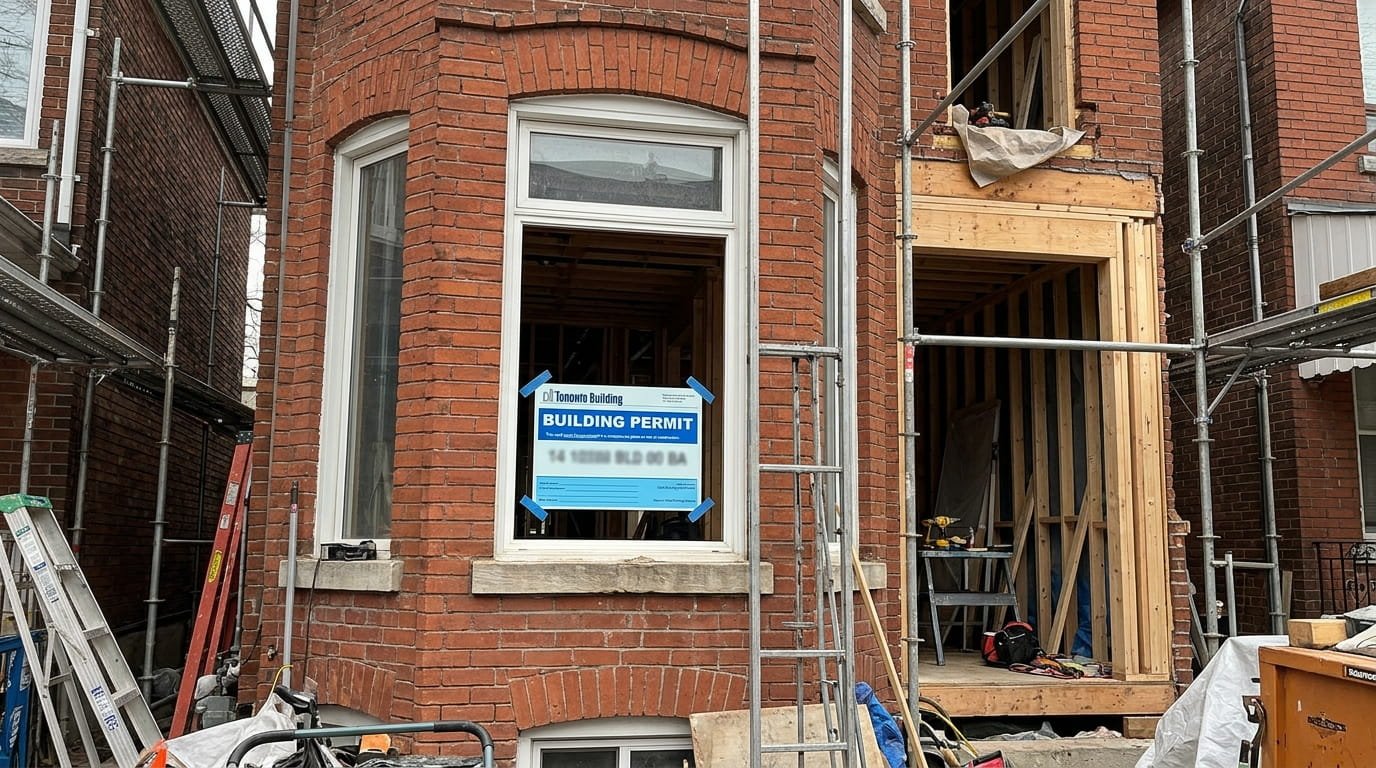
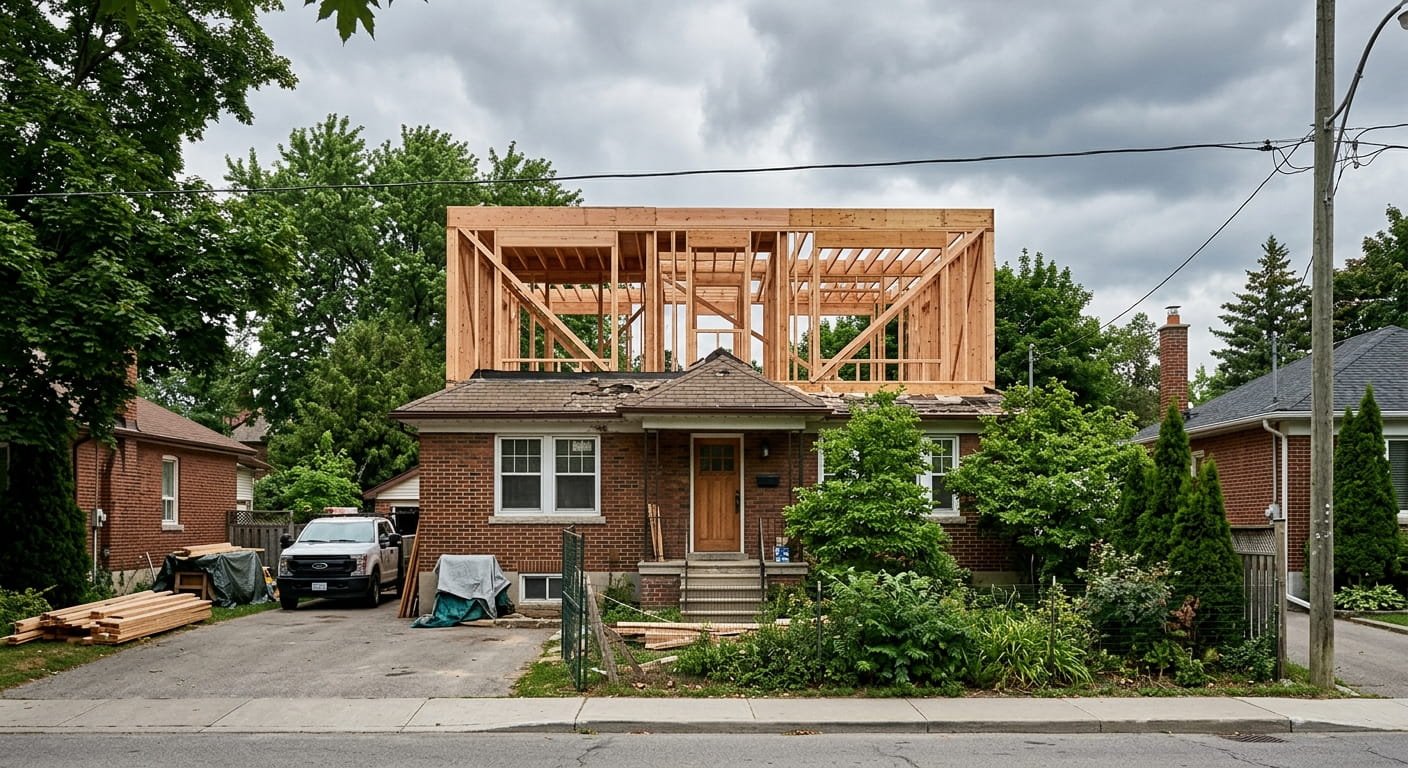
Permits are necessary for new duplex builds, structural renovations, and converting single-family homes to duplexes. Fire safety compliance, including fire-rated separations, smoke/CO alarms, and emergency exits, is non-negotiable under the Ontario Building Code. Without proper documentation, rental income might not be recognized and property insurance may be void.
Legislative changes are underway to make “as-of-right” zoning more common, potentially streamlining approvals for more multi-family homes on single-family lots. Always verify that both existing and new duplex units are fully permitted and code-compliant before purchasing or investing.
What Should Buyers and Investors Know About Duplex Homes in Ontario?
Buying or investing in duplex homes in Ontario offers opportunities but requires careful planning. For homeowners, duplexes allow for “house hacking” living in one unit while earning rental income from the other to offset mortgage payments. Investors appreciate steady duplex rental income, portfolio diversification, and potential property appreciation.
Duplexes also fit multi-generational living needs by enabling extended families to live close yet maintain privacy. However, managing a duplex demands understanding of legal compliance, tenant management, and operating costs, which can be more complex than for single-family homes.
Important advantages include:
- Increased borrowing power, since lenders may consider projected duplex rental income
- Higher returns, as duplexes can provide better yields than single-family properties in many Ontario markets
- Adaptability for changing family situations or life stages
Potential drawbacks:
- Higher upfront purchase prices and operating costs compared to single-family homes
- Greater need for tenant screening and management skills
- More maintenance and risk, particularly if the building is older or not legally registered
Before committing, check the property’s legal status, examine tenant leases, assess income potential (see Planning & Financial Guidance), and budget for operating costs.
Duplex Rental Income, Investment Metrics, and Operating Costs
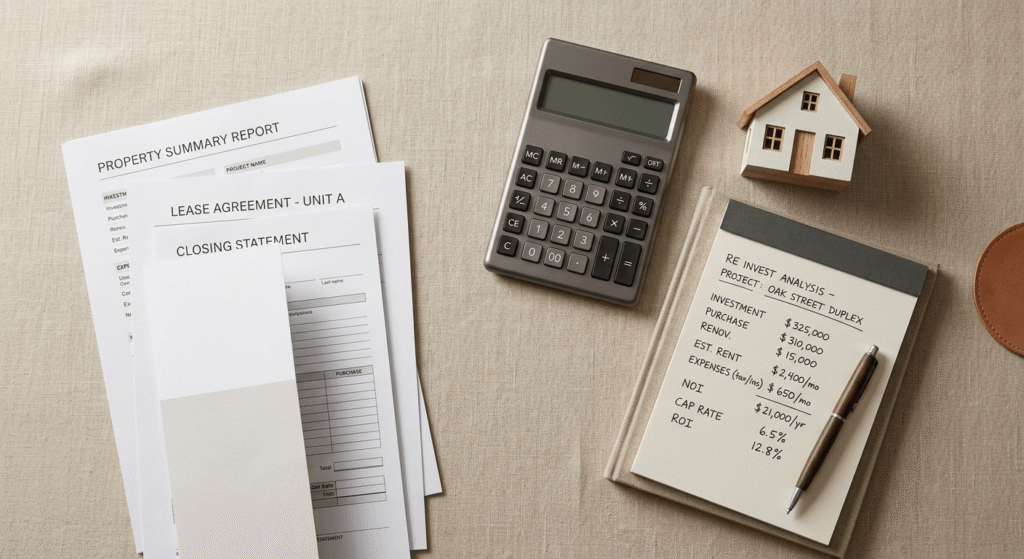
Duplex homes in Ontario are attractive for consistent duplex rental income. Key metrics investors analyze include:
- Cap Rate: Annual net operating income divided by purchase price (typical range: 4–6% in 2026)
- Gross Income Multiplier (GIM): Price divided by gross annual rental income (lower is better)
- Net Income Multiplier (NIM): Sale price divided by net operating income (values between 10–16 are considered healthy)
Vacancy rates in Ontario cities, according to CMHC, have stabilized at around 2–3% in 2026, balancing tenant demand and landlord risk. To increase duplex rental yields:
- Target cities with rising rental demand, like Hamilton, Guelph, London, and Windsor
- Maintain and upgrade units for lower vacancies
- Screen tenants thoroughly and use updated, legal leases
- Incorporate energy-efficient improvements (see Net Zero Energy Homes)
Property taxes for duplex homes in Ontario are based on the property’s total assessed value. Municipalities set their own rates, and duplexes may receive higher assessments due to their income potential. Consult your local tax calculator or the Government of Ontario property tax guide.
Operating costs include utilities (shared or split), building insurance (often higher for multi-unit dwellings), repairs, landscaping, compliance checks, and fire safety maintenance. Professional property management fees for duplexes typically range from 6–10% of gross rent, covering tenant placement, rent collection, and coordinating repairs. Self-management saves on fees but requires extensive time, especially with multiple tenants or if you live offsite.
For a deeper look at budgeting for duplexes, visit Our Approach and Services.
Market Trends and Price Comparison
Ontario’s 2026 housing market is cautiously stable, with expanded inventory and moderate price declines. The average home price is $740,468 in the Greater Toronto and Hamilton Area, $696,234 in Northeastern Ontario, and $631,923 in Eastern Ontario, per WOWA.ca market reports. Inventory levels are currently 49% above the 10-year March average, offering buyers greater choice.
Duplexes and other “missing middle” housing types are benefiting from policy shifts and increased local construction. Analysts from MMC Ginvest expect continued growth in rental supply and a slight moderation in rent increases, with stable appreciation forecast by 2028. Hamilton, London, Windsor, and Guelph remain standout locations for affordability and rental demand.
Comparing Duplexes, Single-Family, and Triplex Homes
| Feature / Metric | Duplex | Single Family | Triplex |
|---|---|---|---|
| Average Price (2026, urban avg) | $700,000–$1.2M | $800,000–$1.3M | $950,000–$1.5M |
| Legal Zoning Needed | Yes (city-dependent) | Yes | Yes (often stricter) |
| Potential Rental Income | Moderate to high | Low (if only own unit) | Highest (3+ units) |
| Property Taxes | Middle | Lower per unit | Higher (by assessment) |
| Financing (Down Payment) | 5–20% (occ./inv.) | 5%+ | 20%+ (commonly) |
| Tenant Management Effort | Moderate | Low | High |
| Operating Costs | Moderate | Lower | Higher |
FAQs
1. What makes a duplex legal in Ontario?
A legal duplex in Ontario must comply with municipal zoning, hold valid building permits, and meet Ontario Fire and Building Code standards. This means the property must feature proper unit separation, fire-rated doors, emergency exits, and up-to-date smoke and carbon monoxide alarms.
2. How do you calculate rental income for a duplex in Ontario?
First, add the expected monthly rent from each unit. Subtract a vacancy allowance (usually 5–7%), then deduct operating costs like utilities, insurance, taxes, and repairs. The remaining amount is the net rental income, which is used to analyze your investment’s cash flow.
3. What are the typical management fees for duplex rentals in Ontario?
Management fees for professional duplex rental services in Ontario usually range between 6% and 10% of collected rent per month. Services provided include tenant placement, rent collection, organizing repairs, emergency response, and compliance checks.
4. Can I convert my single-family home into a duplex in Ontario?
Yes, you can convert a single-family home into a duplex in Ontario, but you must obtain all necessary municipal permits, comply with local zoning bylaws, and ensure that the property meets the Ontario Building Code and fire safety regulations. It’s recommended to consult with professionals and your municipality’s planning office before starting the conversion. For more guidance, explore Renovations and Planning & Financial Guidance.
5. Are there any government incentives or rebates for duplex owners in Ontario?
There may be government incentives or rebates for duplex owners in Ontario, especially for energy-efficient upgrades or extensive renovations. Programs such as the Canada Greener Homes Grant can help offset the costs of making your duplex more sustainable. Local municipalities may also offer rebates for upgrades related to fire safety or accessibility. Learn more about sustainability in our Net Zero Energy Homes and Sustainable Construction Practices resources.
Conclusion
Duplex homes in Ontario present a practical solution for flexible living and robust investment, but buyers and investors must focus on zoning, legal status, market trends, and ongoing costs. Understanding how duplex rental income, property taxes, and management fees impact your investment can help you get the most value from Ontario real estate. For more advice or expert guidance, visit Leedway Group’s Blogs, FAQ, or Contact page.