

Quick Answer Box: Property value in Canadian multi-plex buildings depends primarily on rental income, building maintenance, compliance with codes, and local market conditions. Proactively upgrading, diligent management, and using valuation tools like cost segregation can significantly enhance property value and long-term investment returns.
What is Property Value in Multi-Plex Buildings?
Property value in multi-plex buildings reflects the estimated worth of properties featuring multiple rental units. This value is determined primarily by the property’s income-generating potential, building condition, local market trends, and compliance with building code Canada standards. In Canada, property value is measured by market value, assessed value for tax purposes, and most importantly for investors, stable cash flow. Understanding property value allows owners and investors to maximize rental yields, equity, and long-term returns on multi-unit residential assets.
Key Factors that Influence Property Value in Canada
Several measurable factors drive property value for Canadian multi-plex buildings. Income producing capability, reflected in net operating income (NOI), is fundamental especially in Ontario, where multi-unit properties (Class 2) are assessed primarily using income based models. A 5% annual rent increase on a triplex can yield an extra $2,700 per year, demonstrating the compound impact of rental income on value.
Building maintenance and the age of the property significantly affect both expenses and tenant demand. Properties that are well-maintained and upgraded consistently attract better tenants, command higher rents, and have lower vacancy rates, which directly increase property value.
Location also matters: multi-plex buildings in vibrant neighborhoods near amenities, reliable transit, and good schools routinely achieve higher values. Local market trends, such as Toronto’s 2.5% and Vancouver’s 1.6% vacancy rates (CMHC, 2024), indicate sustained demand for quality rentals. These trends support robust property values and future appreciation.
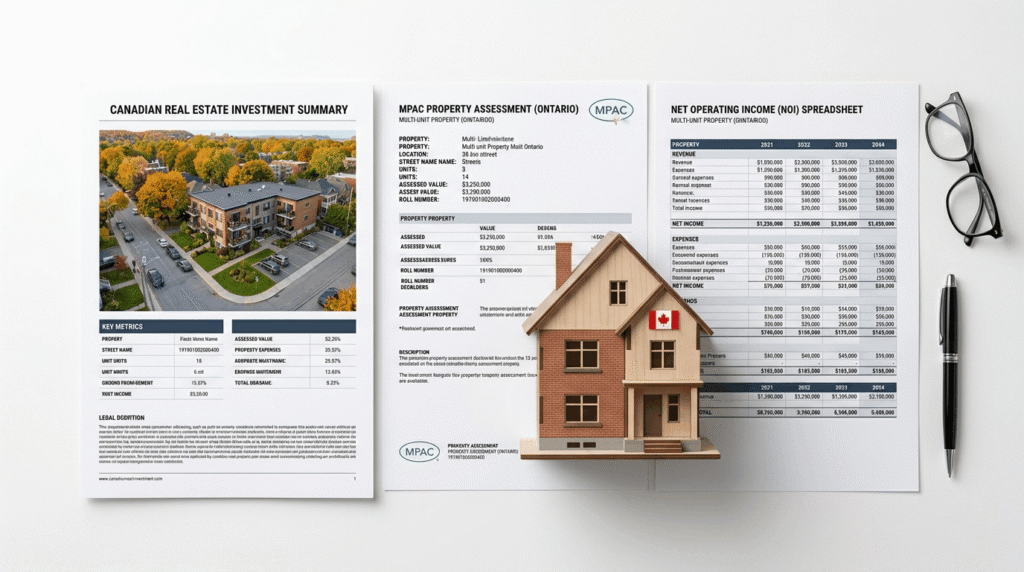
Cap rate expectations, property taxes, and compliance with the latest building code Canada requirements can either boost or reduce value. Owners who stay proactive assessing market trends, monitoring expenses, and making data-driven decisions outperform landlords who take a passive approach.
The Value of Professional Management and Market Research
Proactive property management built on scheduled inspections and data-driven rental rate analysis sets high performing multi plex owners apart. By understanding shifts in demographic demand, seasonal vacancy trends, and the impact of urban development, investors can make smarter renovation and pricing choices. Utilizing property value lookup platforms in Canada and referencing resources like MPAC and Statistics Canada ensures that decision making is well informed.
Role of Building Maintenance in Enhancing Value
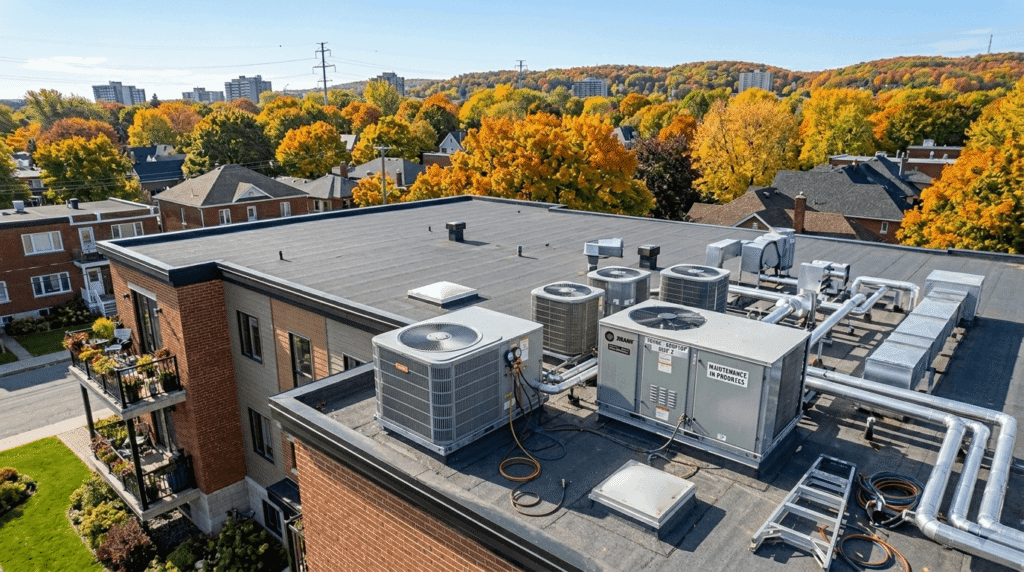
Regular and strategic building maintenance is critical to maintaining and enhancing property value. Preventing deferred maintenance reduces the likelihood of expensive emergency repairs and supports continuous tenant satisfaction, which reduces turnover and vacancy rates. Key maintenance elements include scheduled HVAC servicing, roofing inspections, plumbing and electrical system checks, pest management, as well as landscaping and timely snow removal.
Properties with consistent maintenance routines often enjoy higher occupancy and reduced operational interruptions. Building envelope upgrades including new insulation, modern windows, and roofing can meaningfully reduce ongoing energy costs and improve tenant comfort. According to Canadian real estate specialists, a robust building envelope is a critical factor not only for value but also for compliance with contemporary building code Canada standards and potential eligibility for energy efficiency grants.
Implementing preventative and predictive maintenance rather than simply responding to breakdowns adds measurable value and helps maintain compliance with insurance and safety codes. Many professional Canadian property managers now use digital tools to schedule, track, and audit maintenance, ensuring no small issue goes undetected or ignored.
Leveraging Maintenance for Long Term Returns
Owners who view investment in building maintenance as a foundation for long-term cash flow protection and property values near them ultimately save money and avoid the value erosion associated with deferred repairs. Furthermore, keeping comprehensive documentation of maintenance and upgrades can support a stronger position during refinancing or when obtaining a professional property value lookup.
Cost Segregation Strategies for Canadian Multi-Plex Owners
Cost segregation is a powerful tax strategy that enables property owners to accelerate depreciation by breaking down a building into individual components with differing lifespans. While cost segregation is highly systematized in the U.S., in Canada it is administered under the Capital Cost Allowance (CCA) system. The Canada Revenue Agency (CRA) permits Canadian owners to allocate costs into CCA classes such as buildings, land improvements, and equipment.
By collaborating with a qualified accountant familiar with real estate, owners can lawfully accelerate the depreciation of certain elements HVAC, fixtures, or renovations improving cash flow and reducing annual tax liability. Although dedicated cost segregation studies are less common in Canada, real estate-specific accountants can analyze major upgrades to ensure maximum allowable CCA is claimed while remaining compliant with CRA regulations.
Canadian investors considering cost segregation should ensure all allocations are supported by invoices, engineering assessments, and detailed documentation in case of audit. When executed properly, this approach yields real tax advantages, enabling investors to reinvest more rapidly into further property improvements, thereby creating a compounding effect that increases multi-plex property value.
How to Improve the Value of Your Multi-Plex
The following steps will guide owners and investors through the process of increasing multi-plex property value:
- Evaluate Current Property Value
Begin with a professional appraisal, municipal assessment review (from resources like MPAC), or use an automated property value lookup tool tailored to income properties.
Cross-reference with comparable sales in the area. - Plan Strategic Renovations
Prioritize high-return upgrades: kitchens, bathrooms, energy-efficient retrofits (LED lighting, smart thermostats, advanced insulation), and common areas.
-Review the requirements for city permits and ensure every upgrade aligns with current building code Canada standards. For project inspiration, consult Weldon Drive Custom Home and Niagara Condo Development. - Enhance Building Maintenance Protocols
Implement a maintenance schedule covering HVAC, roofing, windows, elevators, and plumbing. Preventative care lowers emergency repair costs and ensures the longevity of your building envelope. - Review Rental Income Potential
Analyze market rents, tracking local rates and observing provincial rent controls. Upgrading amenities such as in unit laundry, secure bike storage, or parking helps boost rental income.
Read more on Navigating Rent Controls: Strategies for Canadian Multiplex Investors to optimize your rental strategy. - Upgrade the Building Envelope
Invest in superior insulation, energy-efficient windows, and modern roofing materials to decrease energy costs and attract quality tenants. These upgrades are also critical for compliance with energy provisions under the latest building code Canada requirements. - Implement Effective Property Management
Screen tenants thoroughly, respond to maintenance quickly, and create a welcoming environment. This reduces turnover and bad debt, stabilizing cash flow and enhancing market value. - Monitor and Appeal Property Taxes
Regularly review municipal tax assessments and, if necessary, appeal over-valuations using data from property value lookup platforms or private appraisals. Leverage tax incentives and municipal grants, such as Hamilton’s up to $40,000 per eligible unit. - Consult Professional Advisors
Work alongside accountants, real estate lawyers, and building code experts with experience in multi-plex assets. Properly managed professional advice ensures adherence to local laws, zoning, and investments that protect and enhance home equity.

Tailor these steps according to your property’s location, size, and local policy incentives for the best results.
Property Value Lookup Tools and Methods in Canada
Canadian multi-plex property owners have a variety of tools for assessing value. Automated Valuation Model (AVM) systems provide instant online estimates using comparable sales and local trends. Municipal property assessment services, such as MPAC, offer government baseline values used for tax assessment, which owners should review and appeal if they appear inaccurate.
For a more precise evaluation, professional appraisals factor in income potential, comparable multi-plex sales, current expenses, and unique features. For investment-focused properties, the income capitalization method or “value per door” formula is commonly used, especially in Ontario where multi-plexes are officially classified as income-generating Class 2 assets.
Most investors combine AVMs, municipal assessments, and appraisals to generate a well-rounded valuation and support strategic decisions around refinancing, improvement, or sale.
Methods for Assessing Property Value
| Assessment Method | Strengths | Weaknesses | Typical Use-Case |
|---|---|---|---|
| AVM | Fast, online, low cost | Lacks detail for income properties | Initial estimate, quick checks |
| Municipal Assessment | Official, used for taxes | May lag behind market, can be disputed | Property tax, compliance |
| Professional Appraisal | Detailed, income/factor based | Highest cost, slowest | Purchase, sale, lending |
| Value per Door | Simple for multiplexes | Ignores complex income variation | Portfolio, market comparison |
| Cap Rate/NOI Method | Focuses on income returns | Needs accurate income/expense data | Investment/sale price decisions |

How to Use Property Value Lookup Platforms Effectively
To make the most of property value lookup, always supplement online models with professional input. Factor in building maintenance history, recent upgrades, and local market dynamics. This dual approach helps eliminate assessment errors, ensuring your multi-plex property value accurately reflects its true market and income potential.
Understanding Cap Rate, Cash Flow, and Market Value
Cap rate, cash flow, and market value are fundamental measures for evaluating multi-plex profitability.
Cap rate is calculated as net operating income (NOI) divided by the current market value or purchase price. For instance, a sixplex generating $90,000 in NOI and selling for $2 million produces a cap rate of 4.5%. Cap rates vary based on local conditions major metropolitan areas such as Toronto or Vancouver generally command lower cap rates due to higher demand.
Cash flow captures the cash remaining after all operating expenses and mortgage payments are made from rental income. Healthy cash flow not only supports ongoing building maintenance but also enables timely investment in value building upgrades, protecting property value even as operating costs fluctuate.
Market value is the estimated sale price under typical open market conditions. Well maintained buildings in desirable locations, demonstrating steady rental income and low vacancy rates, will achieve the highest market value.
These metrics are interdependent: increasing rents or reducing expenses raises NOI, which can improve cap rate and ultimately market value. Monitoring these closely especially when considering new investments or refinancing protects and grows your home equity.
Impact of Building Code Compliance and Building Envelope on Value
Compliance with current building code Canada regulations is crucial for maintaining and enhancing property value. Municipal and provincial codes dictate requirements for fire safety, accessibility, energy efficiency, and structural integrity. Owners are responsible for tracking updates in fire separations, egress requirements, or insulation standards, all of which affect eligibility for permits and, by extension, the future market value and operating cost of a multi-plex.
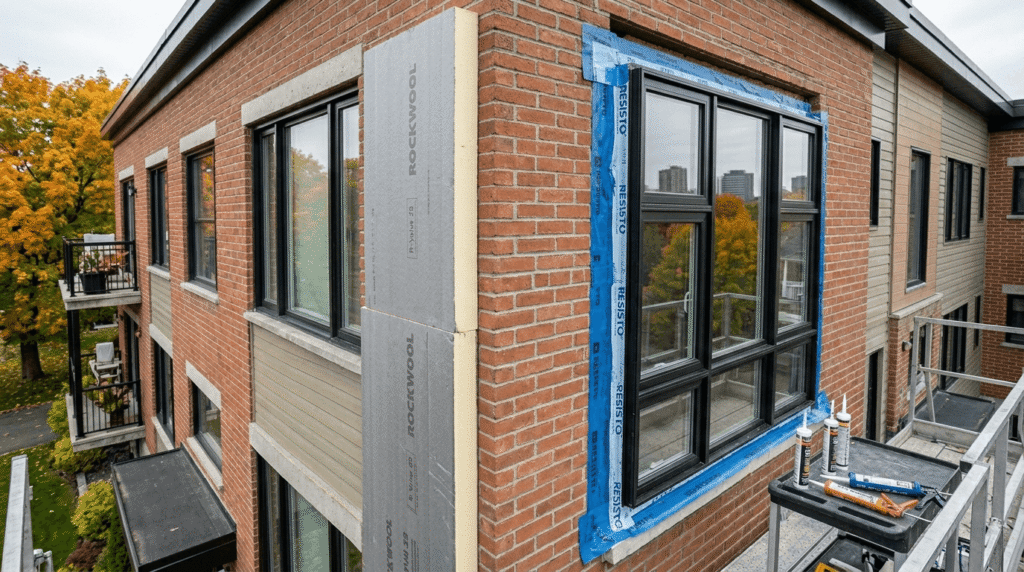
Upgrading the building envelope encompassing exterior walls, roofing systems, windows, and doors enhances structural resiliency, reduces energy costs, and may qualify for government incentive programs. Modernizing windows with double-glazing or adding continuous exterior insulation are proven ways to boost both comfort and market value while meeting code obligations.
Non compliance or neglect can result in costly fines, stop-work orders, and potential problems with your property taxes or insurability. In contrast, investing in necessary upgrades in anticipation of new code standards gives owners a market edge and reduces long-term risk.
Multiplex Zoning Reforms Ontario
With ongoing multiplex zoning reforms in Ontario, property owners must stay current with local changes to optimize future value and prevent compliance-related challenges. Consulting resources like Sustainable Construction Practices can help you stay ahead of regulatory shifts and leverage opportunities for redevelopment or density upgrades.
The Connection Between Rental Income, Property Taxes, and Home Equity
Rental income forms the backbone of multi plex valuation, directly boosting net operating income and, thereby, market value. Strong rental income means increased home equity, achieved by steadily paying down debt while property appreciate over time.
Property taxes are directly tied to the municipality’s assessed value of your asset. High taxes erode cash flow and can impact true property value, so it is essential to monitor and appeal your property’s assessment as needed. Many owners overlook this, paying thousands unnecessarily and undermining long-term returns.
Strategic property upgrades especially those raising rental income or lowering operational costs accelerate equity growth. For specialized guidance on building equity while optimizing taxes and rental income, reference Planning & Financial Guidance.
Common Mistakes When Trying to Enhance Multi-Plex Property Value
Owners seeking to enhance multi-plex property value often fall into avoidable traps:
- Neglecting Building Maintenance: Ignoring regularly scheduled upkeep leads to more expensive emergency repairs, extended vacancies, and declining tenant quality — all of which erode property value over time.
- Disregarding Local Codes/Zoning: Undertaking renovations without permits or ignoring the latest zoning reforms can incur stop-work orders, fines, and insurance issues.
- Underestimating Market Shifts: Failing to monitor local demographics and rental market trends risks slipping behind the competition on occupancy and rents.
- Pricing Rents Inappropriately: Setting rents too high or too low can increase vacancies or decrease NOI, undermining cash flow and long-term appreciation.
- Missing Out on Incentives: Not researching available municipal grants and Provincial incentive programs (for instance, Hamilton’s $40,000 per eligible unit) wastes potential capital.
- Using Only One Valuation Method: Relying solely on AVMs or a single appraisal can mislead investment decisions. Always triangulate value with municipal and market data.
- Failure to Manage Expenses: Allowing property taxes or building maintenance costs to rise unchecked erodes returns.
- Ignoring Energy Efficiency: Skipping building envelope improvements not only misses grants but also raises operating costs and reduces tenant satisfaction.
Owners who proactively address these risks and make well-researched decisions maximize their multi-plex investment and protect future property value.
Frequently Asked Questions
1. How do I determine the current value of my multi-plex property?
Determining your multi-plex property’s value starts by gathering recent comparable sales, municipal assessment data from MPAC or local services, and arranging a professional appraisal that accounts for the specific features and rental income potential of your building. Automated property value lookup tools work well for quick estimates, but for official or financing purposes, an income-based appraisal is usually most reliable.
2. What renovations give the highest ROI in multiplexes?
In Canadian multiplexes, kitchen and bathroom upgrades, energy efficient retrofits (such as insulation, windows, and HVAC systems), and revitalizing common areas generally provide the strongest return on investment. These improvements enhance curb appeal, attract higher-paying tenants, and typically qualify for municipal energy grants directly boosting property value and cash flow.
3. How can building code changes in Canada impact my property’s value?
Changes to building code Canada guidelines may introduce new fire safety, accessibility, or energy efficiency requirements. Owners who keep pace with these regulations protect themselves from fines, insurance complications, and forced upgrades. Staying compliant can also make your property more attractive to discerning tenants and buyers, sometimes enabling higher rents and selling prices.
4. What is the best way to maximize rental income in a multi-plex?
The best approach is to keep the property well-maintained, target reliable tenants, and set rents that reflect both the unique features of your building and going rates in your neighborhood. Providing in-demand amenities like on site laundry, bike storage, or parking can command premium rents, while reducing vacancy periods through quick maintenance response boosts total income.
5. Are there government grants or incentives for increasing multi-plex value?
Many Canadian cities and provinces offer grants for retrofits, accessibility improvements, and density upgrades. Hamilton, Ontario currently offers up to $40,000 per unit for eligible multiplexes. Check your local and provincial government sites such as Ontario’s official portal for programs that may apply to your property and offset renovation costs.
Conclusion
Maximizing property value in Canadian multi plex buildings hinges on robust cash flow, ongoing building maintenance, adherence to building code Canada standards, and intelligent investment in upgrades like envelope improvements or professional management. Owners who leverage available grants, property value lookup tools, and expert planning achieve greater home equity and long-term resilience. To elevate your multi-plex investment, explore Planning & Financial Guidance or contact the Leedway Group team and start building enduring property value today.