

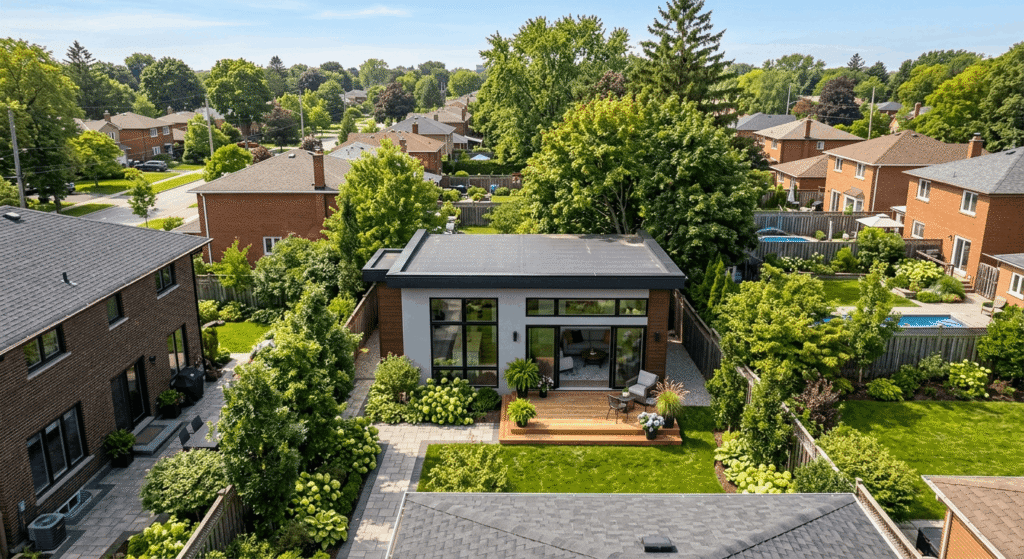
Quick Answer Box: A garden suite is a detached, self-contained secondary home built in the backyard of an existing property. As a new strategy for adding gentle housing density, garden suites increase property value, provide affordable housing options, and align with Ontario’s latest zoning bylaw updates for legal, flexible development.
What is a Garden Suite?
A garden suite is a legal, self-contained detached home built in the yard of an existing residential property. It includes a private kitchen, bathroom, bedroom, and living space. Garden suite plans are designed to increase housing supply by adding density in low rise neighborhoods without major architectural disruption, making them a key tool in Ontario’s strategy to address housing development and supply shortages.
How Do Garden Suites Support Gentle Housing Density?
Garden suites support gentle housing density by allowing homeowners to add a small, independent dwelling often in the backyard on their property. This method boosts the total housing units per lot and helps cities like Toronto meet growing demand without sacrificing neighborhood character. Leveraging existing infrastructure, these infill homes help address the ongoing housing crisis.
Recent figures from the City of Toronto highlight that over 165,000 properties are eligible for a garden suite. By utilizing underused yard space, homeowners can create homes for extended family, renters, or multi generational households without resorting to disruptive redevelopment or high rise construction. This contributes to more sustainable affordable housing and enables incremental, community friendly increases in housing density.
Garden Suites vs. Secondary Suites: Key Differences
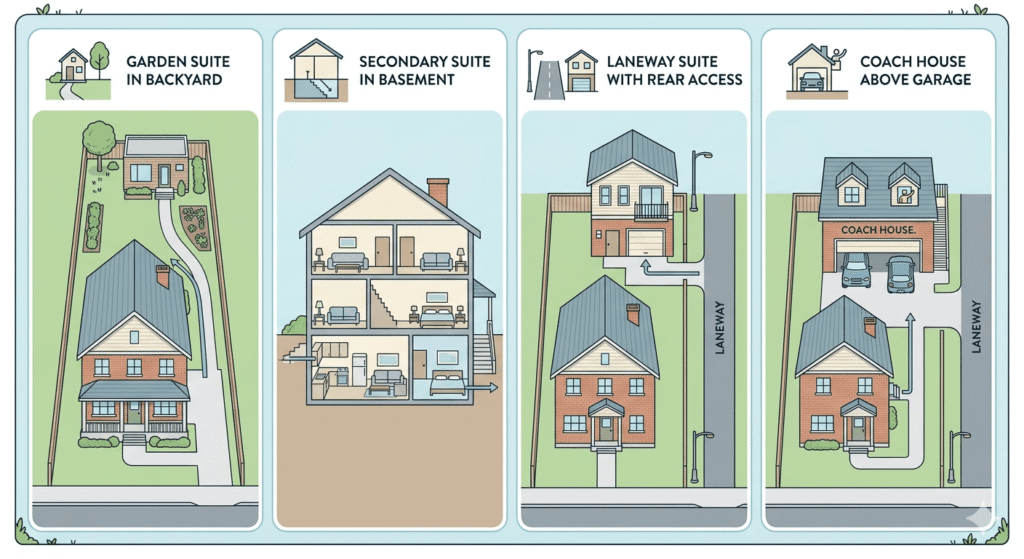
Although garden suites, secondary suites, laneway suites, and coach houses are all accessory dwelling units (ADUs), they differ in structure, placement, regulatory oversight, and intended use. A garden suite (also referred to as a garden home) is a detached dwelling located within the side or rear yard that does not require laneway access. By comparison, secondary suites exist within or are attached to the primary residence, most commonly found in basements or as additions.
Laneway suites are distinguished by their mandatory access to a public laneway, a feature absent from standard garden suites. Coach houses share many attributes with garden suites but may have historical features or unique architectural styles. While all these options expand affordable housing, each variety is governed by its own set of zoning bylaw and city bylaw requirements.
Garden Suite, Secondary Suite, Laneway Suite, and Coach House
| Feature | Garden Suite | Secondary Suite | Laneway Suite | Coach House |
|---|---|---|---|---|
| Location | Backyard/side yard, detached | Within or attached to main home | Detached, rear, must face laneway | Detached—backyard, sometimes above garage |
| Access | Separate outdoor path | Shares or separate entrance | Must have direct laneway access | Yard or side access |
| Building Permit | Required, unique to each city | Required, part of main dwelling | Required, laneway rules apply | Required, similar to garden suite |
| Common Use | Family, rental, multigenerational | Rental, in-law, nanny suite | Rental, family, flexible use | Rental, family, office/studio |
| Size Limits | Usually up to 1000 sq ft | Often limited by % of main home | Typically up to 1000 sq ft | Usually up to 1000 sq ft |
| Ontario Regulation | Covered by Reg. 462/24 & Bill 23 | Covered by local bylaws only | Covered by local laneway policies | Covered by Reg. 462/24 & local bylaw |
Regulations, Zoning, and Building Permits
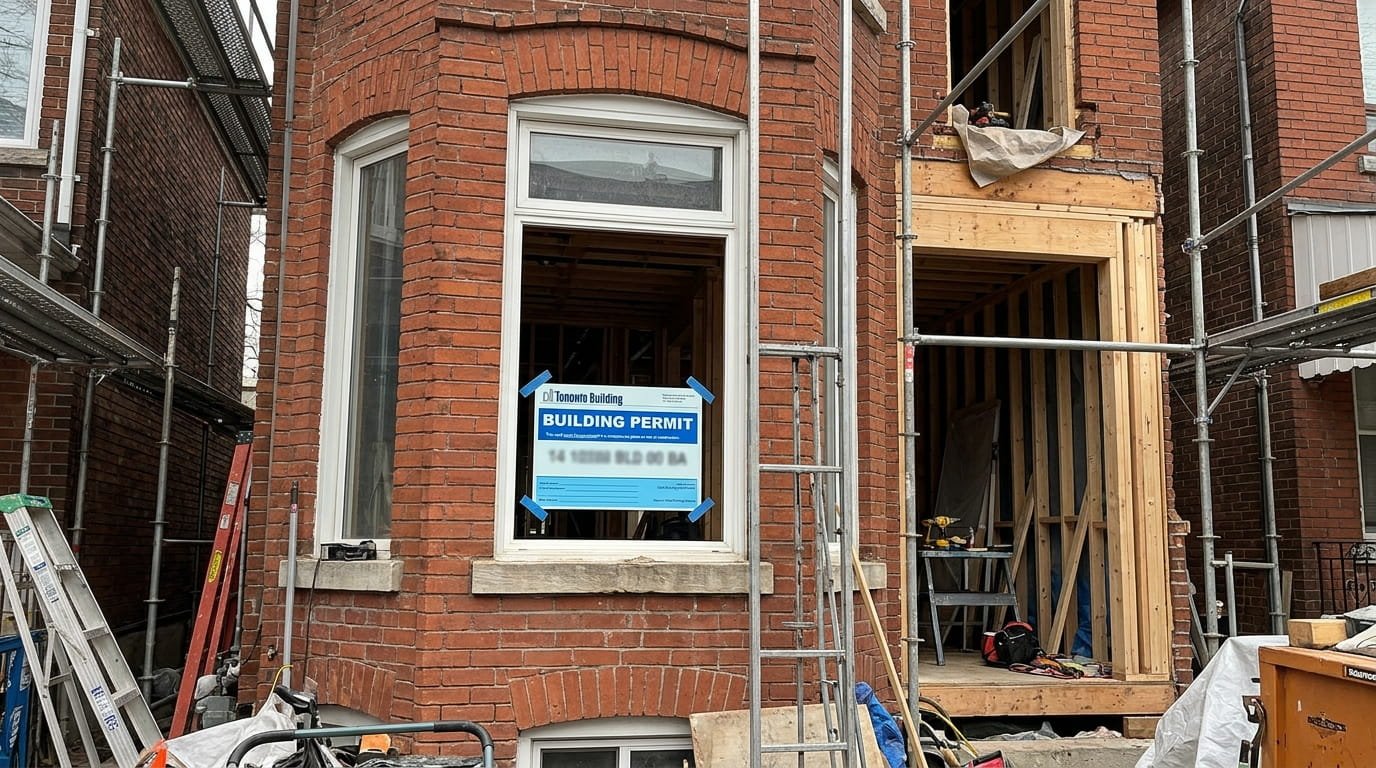
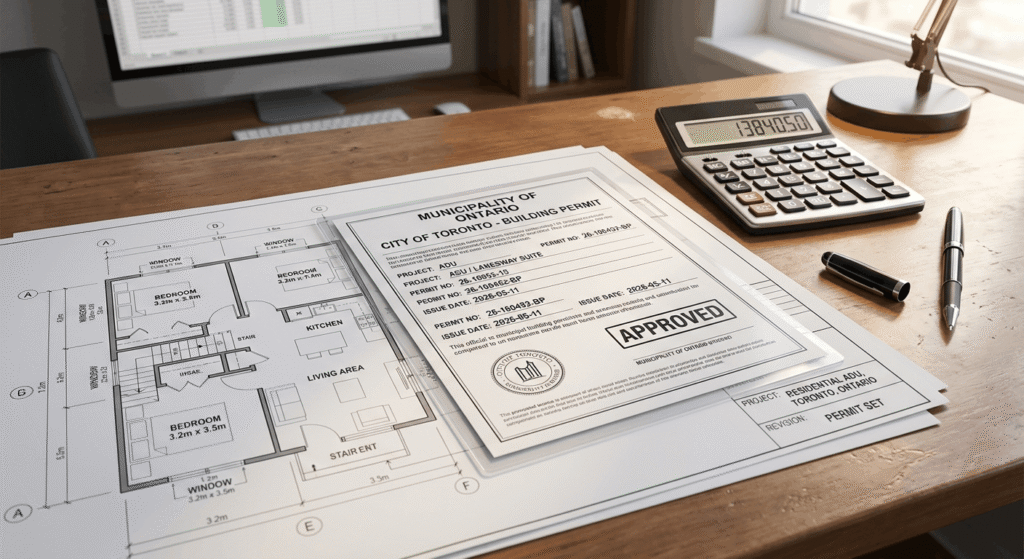
Ontario and its largest cities have reformed zoning bylaw standards and building permits to encourage garden suite development, aiming to address housing supply constraints. Bill 23 (the More Homes Built Faster Act) and Ontario Regulation 462/24 established consistent requirements regarding setbacks, minimum lot size, and building height, streamlining processes across municipalities. Each municipality still requires homeowners to secure building permits, and local city bylaw provisions may introduce additional hurdles such as minimum lot widths (e.g., 12 meters), mandatory access lanes, and designated outdoor spaces.
A typical permitting process starts by verifying your lot’s zoning and its suitability for a garden suite. Municipalities often mandate specific distances from property lines and may expect one EV ready parking space. Toronto’s amendments in February 2022 and reforms in 2026 compressed approval timelines and increased the number of eligible sites, making building permits more accessible to homeowners.
Ontario Regulation 462/24 and Recent Legal Updates
Ontario Regulation 462/24, effective November 20, 2024, standardizes minimum suite size (33–93 m²), removes excessive minimum lot size restrictions, and clarifies expectations province wide. This legal update fosters predictability in planning and reduces the risk of major delays due to ambiguous bylaw language, aligning with Ontario’s direction for more robust, timely housing development.
These reforms have significantly streamlined the permitting process. Toronto, as of 2026, frequently issues garden suite permits within 90 days far quicker than prior 6 to 9 month waiting periods. Bill 23’s elimination of certain development charges for qualifying garden suites has contributed to more affordable housing for both owners and renters.
Access the official documents at the Ontario Regulation 462/24 page and explore the legal updates in detail.
Typical Permit and Approval Process
Building a legal garden suite in Ontario involves the following steps:
- Preliminary Feasibility Review: Evaluate if your lot meets required dimensions, open space, and setbacks.
- Preparation of Garden Suite Plans: Collaborate with a BCIN-qualified designer or architect. Many municipalities now provide pre-approved designs, reducing both time and expense.
- Formal Permit Application: Submit finalized plans, site surveys, and required fees to your city’s building department.
- Zoning and Bylaw Review: Municipal staff evaluate plans for compliance with zoning bylaw provisions, city bylaw regulations, and Ontario’s updated legal framework.
- Permit Issuance: Upon approval and payment, construction permits are granted.
In Toronto, this process may take as little as 90 days if you use pre-approved plans. Engaging professionals early and following local zoning bylaw requirements improves approval odds. Find detailed guidance at Planning & Financial Guidance.
Garden Suite Plans and Design Considerations
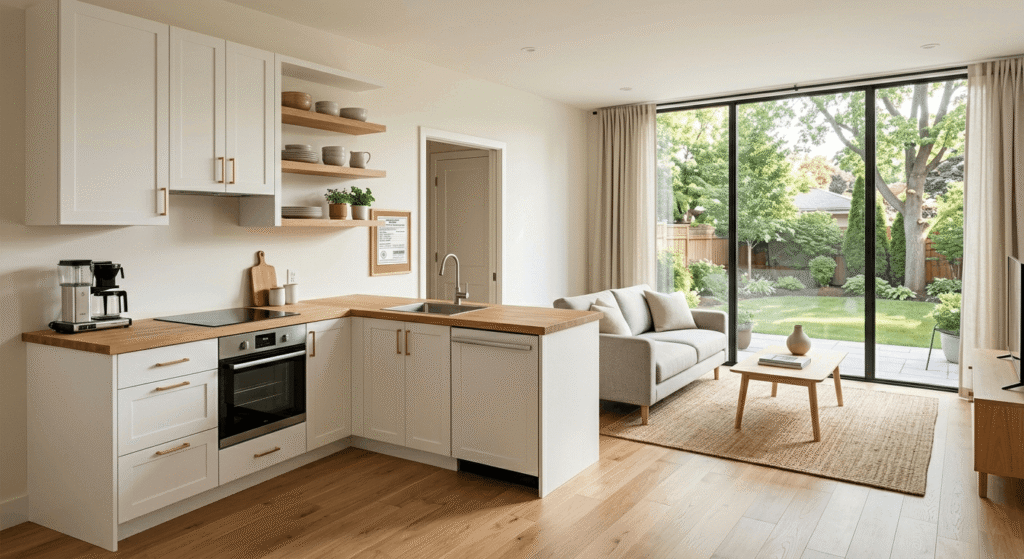
Choosing suitable garden suite plans involves considering your lot’s dimensions, your family’s needs, or plans for rental property use. Modern designs typically feature one or two bedrooms, open-concept kitchens and living spaces, fully accessible bathrooms, and direct access to outdoor patios or decks.
Ontario cities promote pre-approved garden suite plans, providing ready-made solutions that speed up permitting and lower design costs. Owners can customize these choices or collaborate with professionals to design a unique garden home. Priority is commonly given to privacy via smart window placement, use of fencing, and landscaping, as well as energy efficiency features.
Popular Garden Suite Layouts and Features
Garden suite plans generally fall into these categories:
- Studio or One-Bedroom: Compact, efficient layouts ideal for singles, guests, or as a small rental property.
- Two-Bedroom/Family Style: Clearly separated bedrooms, shared or ensuite bathrooms, and open kitchen-living areas well-suited for families or long-term tenants.
- Suites with Garage or Loft: Larger dwellings may integrate an attached garage, loft space, or workshop, provided they comply with zoning bylaw and city bylaw constraints.
Other sought-after features include high ceilings, ample daylight, energy-efficient appliances, and easy outdoor access. Explore real-world examples in the Projects gallery and view energy efficient garden suite plans for sustainability inspiration.
Customization, DIY Options, and Working with Designers
Customization is a central benefit for those seeking a garden suite that uniquely matches their property and lifestyle. Working with a BCIN certified designer ensures compliance with all relevant zoning bylaw provisions and speeds up the building permits process. DIY approaches are possible for the experienced, but most homeowners benefit from consulting professional builders for legal, financial, and insurance reasons.
Those who handle construction themselves should expect a longer approval process due to inevitable revisions and feedback. Professional design/build teams, familiar with Ontario’s city bylaw and housing regulations, generally offer smoother project delivery and greater confidence in successful permit approvals. Learn more about tailored services at Our Approach and complete Services.
How to Build a Garden Suite
Building a garden suite involves strategic planning and coordination with professionals. Follow these steps for a successful project:
Concept and Feasibility Review
- Assess Property Eligibility: Measure your lot to confirm width and open space, check city eligibility (typical minimum: 12 meters wide), and verify legal access and amenity space.
- Identify Your Goals: Determine whether the suite will serve as a rental property, family accommodation, or studio, which affects design, insurance, and compliance.
- Estimate Total Budget: Review all costs, including construction, utility hookups, building permits, and insurance increases. Ensure plans align with affordable housing goals.
- Consult a Professional: Schedule a meeting with a BCIN-qualified designer or builder for a feasibility check that aligns with local zoning bylaw, city bylaw, and building permits requirements.
Planning, Permits, and Design Finalization
- Develop Detailed Plans: Create floor plans with your chosen designer, considering legal constraints and maximizing value.
- Apply for Building Permits: Submit complete documentation to your city’s building authority. Opt for pre-approved city plans where possible to accelerate approval.
- Revise Based on City Feedback: Make adjustments as needed to address planning comments and secure compliance.
- Obtain Permit Approval: Receive written authorization; in Toronto, this can happen in as few as 90 days.
Construction and Project Management
- Hire Qualified Contractors: Choose a builder with proven experience in Ontario garden suites and clear references. Sign contracts, establish project timelines, and clarify expectations.
- Start Construction: Oversee site preparation, foundation installation, framing, utility connections, and interior and exterior finishes.
- Complete City Inspections: Schedule and pass all inspections to ensure compliance with the Ontario Building Code and municipal bylaw regulations.
- Occupy or Rent: After the final inspection, you can move in, lease to tenants, or use the suite as intended. For real project insights, review Weldon Drive Custom Home and browse the Projects portfolio.
Garden Suites as a Solution to the Housing Crisis
Ontario’s housing crisis is defined by surging demand, limited land, and rapidly rising prices. Finding effective housing development solutions is crucial for both affordability and supply. Garden suites represent an efficient “gentle density” response, enabling homeowners to add new, self-contained homes without disrupting neighborhood character or straining infrastructure.
According to the City of Toronto Planning Bulletin, maximizing even a portion of eligible properties could bring thousands of affordable housing units to market. Garden suites simultaneously generate new rental property options, add family flexibility, and support long-term growth.
Market Statistics: Value, Cost, and ROI
- Construction Cost: Most Ontario garden suites cost $180,000–$250,000, varying by size, finishes, and site complexity.
- Rental Income: In Toronto (2026 figures), such a unit commands $2,200–$2,800 in monthly rent.
- Added Property Value: Home values typically rise by $285,000–$320,000 after adding a suite.
- Payback and ROI: Owners see payback periods of 5.5–7.5 years, with potential five-year ROI between 114–178%. For more Toronto-specific data, visit the garden suite cost Toronto resource.
- Permit Volume: Garden suite approvals rose over 340% in Toronto post-2026 legal and cost reforms.

These benefits are most pronounced in high-demand regions like Toronto, but similar returns are appearing as municipalities adopt revamped housing supply and city bylaw strategies.
The Role of Garden Suites in Addressing Housing Needs
Garden suites not only expand affordable housing and rental property opportunities, but also deliver flexibility for family needs whether as “granny flats” for seniors, student apartments, or independent housing for adult children. Municipal and provincial policies increasingly focus on encouraging homeowners to take part in housing development, with supportive regulations and streamlined permitting. The University of Toronto School of Cities estimates that even partial uptake among eligible properties could have a citywide impact on housing availability.
Benefits and Drawbacks of Garden Suites
Garden suites provide clear advantages for both property owners and communities, but there are practical considerations to weigh.
Advantages:
- Significantly raise property value and enable new streams of rental property income.
- Offer private, self-contained living for multi-generational families, caregivers, or students.
- Address the affordable housing shortage without large-scale demolitions or disruptive housing development.
- Utilize existing yard space efficiently, supporting sustainable city growth.
- Benefit from streamlined building permits and reduced fees thanks to new Ontario regulations.
Drawbacks:
- Upfront construction expenses (over $180,000) may deter some owners.
- Strict zoning bylaw rules or property shape can limit feasibility.
- Privacy concerns for both suite and main home require careful planning and landscaping.
- Increases in property tax assessments and insurance premiums may apply.
- Some municipalities not fully aligned with Ontario Regulation 462/24 may present additional regulatory or building permits complexities.
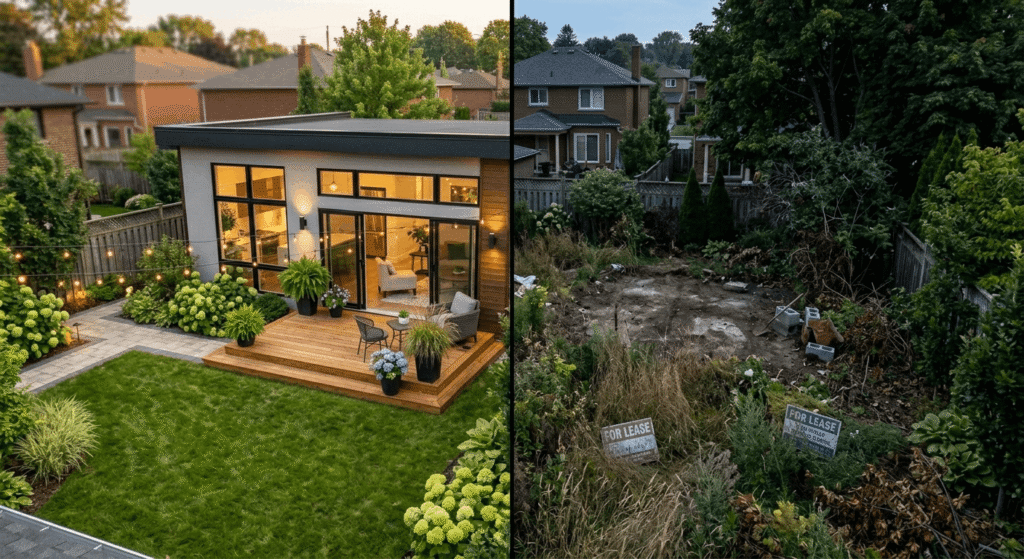
Despite these challenges, most evidence especially in Toronto shows successful garden suite projects strengthen the affordable housing mix and produce lasting financial benefits. For comprehensive information on green design, see energy-efficient garden suite plans and consult the Services page for eco friendly options.
Common Mistakes When Planning or Building a Garden Suite
Avoid these errors to ensure a streamlined, compliant project:
- Skipping Feasibility Checks: Not verifying lot size, access, or zoning before proceeding can result in rejection or costly revisions.
- Overlooking Local Regulations: Assuming uniform city bylaw or zoning bylaw standards leads to compliance issues and permit delays.
- Inaccurate Budgeting: Neglecting non-construction costs (utilities, landscaping, city fees) undermines affordability and financial planning.
- Non-Compliant Plans: Using generic templates not tailored to Ontario standards and building permits can set your project back.
- Insurance and Risk Oversight: Failing to update coverage and address management details, especially for a rental property, introduces unnecessary risk.
- Unqualified Contractors: Choosing the wrong contractor may create legal disputes or fail to meet Ontario Building Code standards.
By engaging experienced professionals and referencing reliable guides such as the FAQ and Garden Suite Insurance and Maintenance Requirements in Ontario, you can avoid common pitfalls and safeguard your investment.
Frequently Asked Questions
1. Can I add a garden suite to any residential property in Ontario?
Not all residential properties are eligible for a garden suite. To qualify, properties must generally meet minimum requirements for lot width, clear access, and open yard space. Both municipal zoning bylaw and Ontario Regulation 462/24 may apply, while environmental setbacks, easements, or city bylaw specifics could affect eligibility.
2. How long does it take to get permits and build a garden suite?
In Toronto, garden suite permits are often issued within 90 days after recent regulatory changes. Construction can then take between four and eight months, depending on complexity and weather. Other municipalities may have longer permitting cycles. Employing pre-approved garden suite plans and working with professionals minimizes project delays.
3. How does a garden suite affect my property taxes and insurance?
Adding a garden suite typically increases the assessed value of your property, which leads to higher property taxes. Insurance premiums may similarly rise to cover risks associated with a new structure and any rental property activity. Early discussions with your insurer and city tax office will help you budget for these impacts.
4. Are garden suites allowed as rental properties?
Yes, Ontario regulations broadly permit garden suites to be used as legal rental property. Owners must comply with local city bylaw and zoning bylaw rules, register the unit as required, and respect the Residential Tenancies Act when leasing to tenants. High demand for quality rental housing in Ontario makes these suites a valued housing supply addition.
5. What are the main differences between a garden suite and a laneway suite?
Laneway suites require direct access to a public laneway, while garden suites can be built on a wider variety of lots. Design, zoning bylaw requirements, and eligibility differ according to lot configuration and city bylaw definitions, but both options allow for detached, self-contained secondary homes that contribute to gentle housing density.
Conclusion
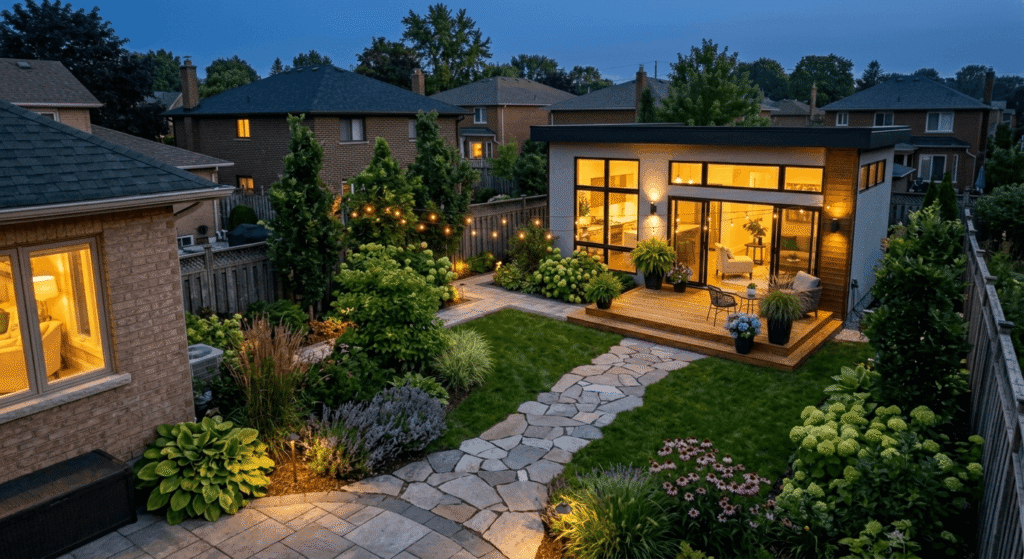
A garden suite is a highly effective, flexible solution for gentle housing density growth that addresses Ontario’s ongoing housing crisis. Thanks to progressive regulations like Ontario Regulation 462/24 and Bill 23, homeowners can now navigate building permits more quickly and add affordable housing that enhances property value and unlocks new rental property income. Start your garden home journey by reviewing garden suite plans, preparing for a site feasibility review, and consulting with local professionals to ensure a smooth, successful project.