
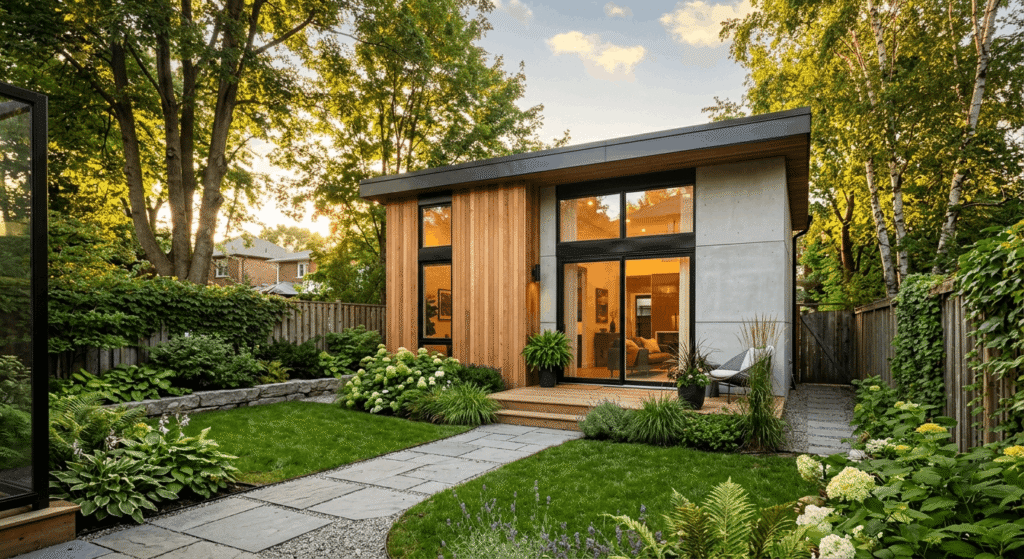
Quick Answer Box: The City of Toronto Garden Suite Rebate and Loan Program gives eligible homeowners financial tools to build backyard garden suites. In 2026, the active program is the Development Charges Deferral, and garden suites are fully exempt from development charges. A previous $50,000 forgivable loan was discontinued.
Thinking about a garden suite? Leedway Group checks your lot, handles permits and builds garden suites and laneway houses in Toronto and Mississauga. See our garden suite service.
What Is the Toronto Garden Suite Loan Program?
The City of Toronto Garden Suite Rebate and Loan Program covers two distinct financial tools: the Development Charges (DC) Deferral Program and the former Affordable Laneway and Garden Suite Program (ALGSP). The ALGSP offered a forgivable loan of up to $50,000 per qualifying homeowner. It was discontinued after provincial funding ran out.
The DC Deferral Program is still in place. Better yet, under Bill 23 housing reforms, Toronto now fully exempts garden suites from development charges. That means most homeowners pay $0 in DC fees, savings that can run $20,000 to $60,000 depending on the project. It’s the most impactful financial benefit currently on the table.
For a broader look at how garden suites are reshaping Toronto neighbourhoods, see our Garden Suites Toronto overview.
For families planning ahead, aging-in-place garden suites balance independence with accessibility.
Who Qualifies: Eligibility Requirements 2026
The DC Deferral Program applies to properties within areas permitted by Toronto By laws 810-2018 and 1210-2019. Garden suite zoning was significantly expanded through By law 89-2022, which extended by right approval to R, RD, RS, RT, and RM zones across the city.
To qualify for the deferral program, you need to meet these four conditions:
- Property sits within the permitted zoning area
- Primary dwelling is a detached or semi detached home
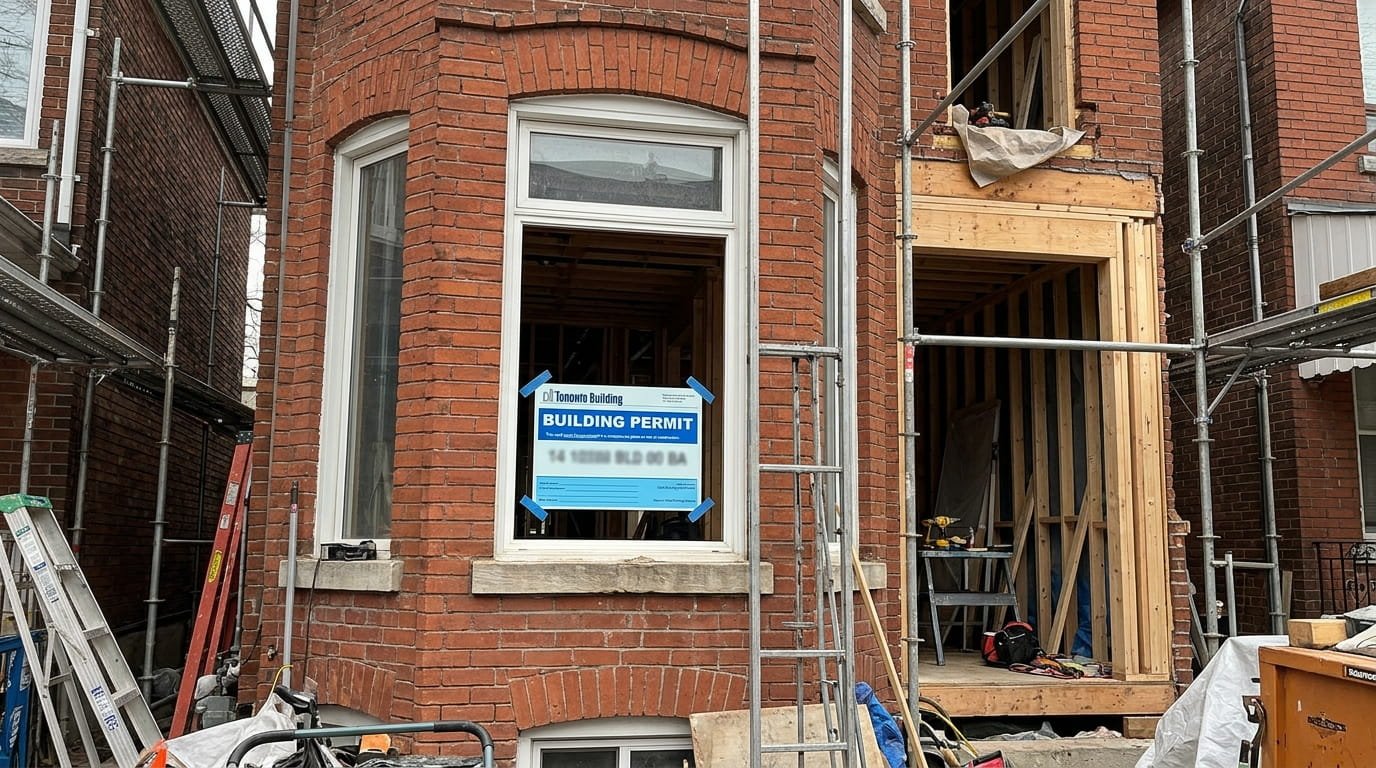
- A building permit application has been filed with Toronto Building
- You sign a DC Deferral Agreement with the City before development charges are collected
Do not pay development charges before confirming eligibility. The City won’t issue a refund after payment. Verify your lot through the City of Toronto’s garden suites planning page or book a pre consultation with Toronto Building.
Not sure which earns more? We compare a basement apartment vs a garden suite in Toronto on income and cost.
Loan Amounts: How Much Can You Get?
Several programs have been announced and cancelled since 2022. The honest picture looks like this:
Former ALGSP (no longer accepting applications): Up to $50,000 as a forgivable loan, forgiven over 15 years if rent stayed at or below the City’s Average Market Rent.
Federal Secondary Suite Loan Program (cancelled): A $80,000 secondary suite loan at 2% interest over 15 years was announced in 2024 and cancelled in the 2025 federal budget. It never accepted a single application.
What’s active in 2026:
- DC Deferral Program: $0 owed on development charges for garden suites
- Toronto HELP Program: Low-interest home renovation loan up to $125,000 for energy retrofits, repaid through your property tax bill at 2026 fixed rates of 3.23% to 4.73%
- CMHC-insured refinancing: Borrow up to 80% of your home’s value to fund construction
There’s no direct lump-sum rebate program from the City of Toronto for garden suites in 2026. The financial benefit is the fee exemption stacked with competitive private or CMHC-backed financing.
Forgivable Loan vs Rebate: What Is the Difference?
A forgivable loan doesn’t need to be repaid if you meet specific conditions over a set term. The ALGSP worked exactly this way. The $50,000 was forgiven over 15 years, provided rent stayed at or below Toronto’s Average Market Rent. Sell the property early or charge above-market rent, and the remaining balance became payable with accrued interest.
A rebate is a direct refund. You pay upfront, then apply to recover a portion after construction. The HST New Home Rebate works this way. No ongoing compliance is required. You don’t carry multi-year obligations, but you do front the full cost first.
The core difference: forgivable loans require sustained compliance for years. Rebates are one-time refunds tied to construction invoices. Both reduce your net cost, but through very different mechanisms.
Permitting trips up most projects, so it helps to know how to get a garden suite permit in Ontario first.
How to Apply for the Program
- Confirm lot eligibility. Use the City of Toronto’s zoning portal or book a pre consultation with Toronto Building before committing to design costs.
- File your building permit application. Submit plans to Toronto Building. Do not pay development charges at this stage paying early forfeits your deferral.
- Contact the Housing Secretariat. After filing your permit application, reach out to the City of Toronto Housing Secretariat for a DC Deferral application form.
- Sign the Deferral Agreement. The City couriers four copies for your signature.
- Return all four signed copies to the Housing Secretariat.
- Hire a lawyer to register a Section 118 restriction on your title under the Land Titles Act.
- Send written registration confirmation to the Housing Secretariat. They’ll issue an electronic confirmation letter required at permit issuance.
- After construction, consult a tax professional about HST New Home Rebate eligibility.
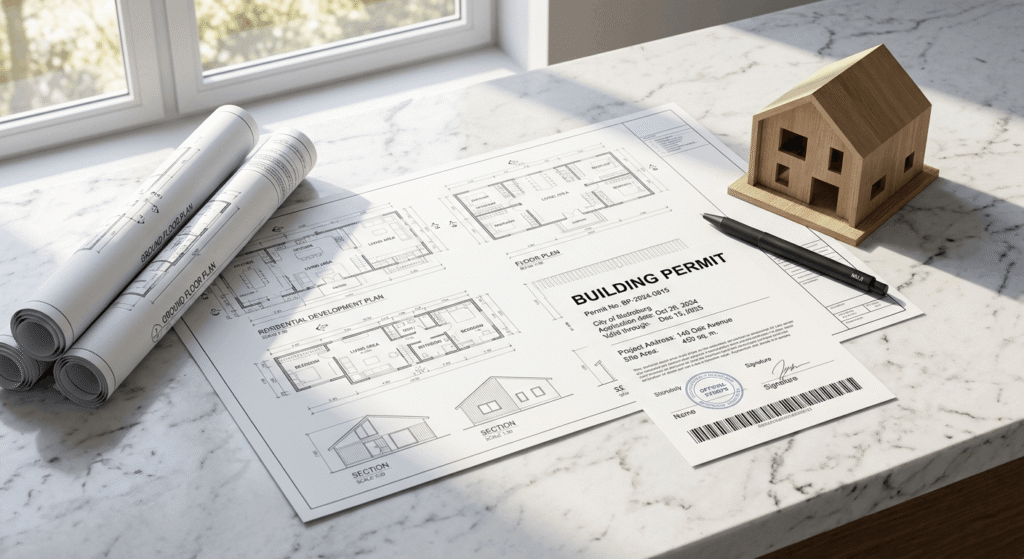
Full details on the application process are on the City of Toronto DC Deferral Program page.
How the Program Works With Your Builder and Construction Timeline
Your garden suite builder in Ontario must know about the DC Deferral Agreement before the permit stage. Paying development charges in error means losing the deferral permanently. The City won’t credit it back. Choose a builder familiar with Toronto Building’s process and documentation requirements, not just construction.
Standard Toronto garden suite timelines in 2026:
- Design: 4 to 6 weeks
- City permit review using pre-approved plans: 6 to 8 weeks
- Construction: 3 to 8 months depending on suite size
- Total, no variance needed: 9 to 12 months from first drawing to occupancy
Minor variances from the Committee of Adjustment add 3 to 6 months. Heritage district reviews tack on another 4 to 6 weeks. Design within the standard bylaw envelope first. That keeps you on the faster track for most Toronto lots.
Our Renovations, Additions & Garden Suites team coordinates permits and program applications from day one.
Combining the City Program With Other Ontario Financing Options
No single program covers a full Toronto garden suite build, which runs $310,000 to $470,000 for a typical 60 sq metre unit in 2026. Smart homeowners layer multiple tools:
- HELOC: Borrow against existing home equity at prime-based rates with flexible repayment.
- Construction loan: Funds released in stages as work progresses, then converts to a standard mortgage at completion.
- Mortgage refinancing: Adds the garden suite cost to your existing mortgage across the full amortization period.
- Toronto HELP Program: Up to $125,000 for energy-efficient systems, repaid via your property tax bill.
- Accessible Home Renovation Tax Credit: Building for a senior aged 65+ or someone with a qualifying disability? Claim 15% on up to $50,000 in eligible costs, worth up to $7,500 at tax time.
- Ontario DC cuts (March 2026): Under a joint provincial-federal agreement, municipalities that opt in are cutting development charges by up to 50%, with provincial funding replacing lost revenue.
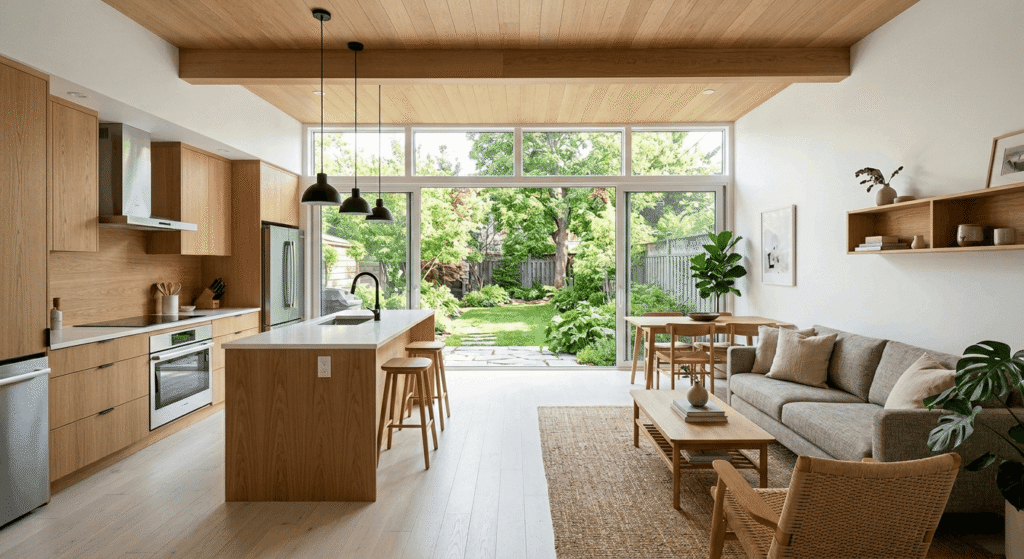
For more on budgeting across all these programs, our Planning & Financial Guidance resource lays out the full picture.
FAQ
1. Is the $50,000 forgivable loan for garden suites still available in Toronto?
No. The Affordable Laneway and Garden Suite Program was discontinued after provincial funding ran out. The City of Toronto has not launched a replacement as of 2026. Check toronto.ca periodically for new pilot programs.
2. Do I pay development charges for a garden suite in Toronto?
No. Toronto fully exempts garden suites, laneway suites, and up to six-unit conversions from development charges under the current housing bylaw. That saves most homeowners between $20,000 and $60,000 compared to pre-Bill 23 costs.
3. What is the difference between a forgivable loan and a home renovation loan?
A forgivable loan is conditionally cancelled after you meet affordability or tenancy requirements over a set term. A home renovation loan is a standard debt you repay with interest regardless of how you use the suite.
4. How long does a Toronto garden suite take to build?
Plan on 9 to 12 months from first drawing to occupancy for a straightforward project with no variance required. Minor variances from the Committee of Adjustment add 3 to 6 months.
5. Can I use a HELOC alongside the DC Deferral Program?
Yes. The DC Deferral Program and private financing tools like a HELOC are independent of each other. You can apply for the deferral and draw on your HELOC for construction costs at the same time.
Conclusion
Toronto’s housing affordability challenge is real. The City of Toronto Garden Suite Rebate and Loan Program, though scaled back from its original forgivable loan days, still gives homeowners meaningful financial tools through the DC deferral, charge exemptions, and low-interest energy loan options. Work with an experienced garden suite builder in Ontario to protect your eligibility from the permit stage onward. Contact Leedway Group to review your lot, timeline, and program options together.
For the full picture, read our complete guide to garden suites in Ontario. Thinking about building? Contact Leedway for a consultation.