

Quick Answer Box: Garden suites Toronto are self-contained backyard homes built on residential lots, following city zoning laws to add extra living and rental space. These units aim to increase housing supply and offer new income opportunities, but their impact on Toronto’s housing crisis is limited by costs and regulations.
What are Garden Suites in Toronto?
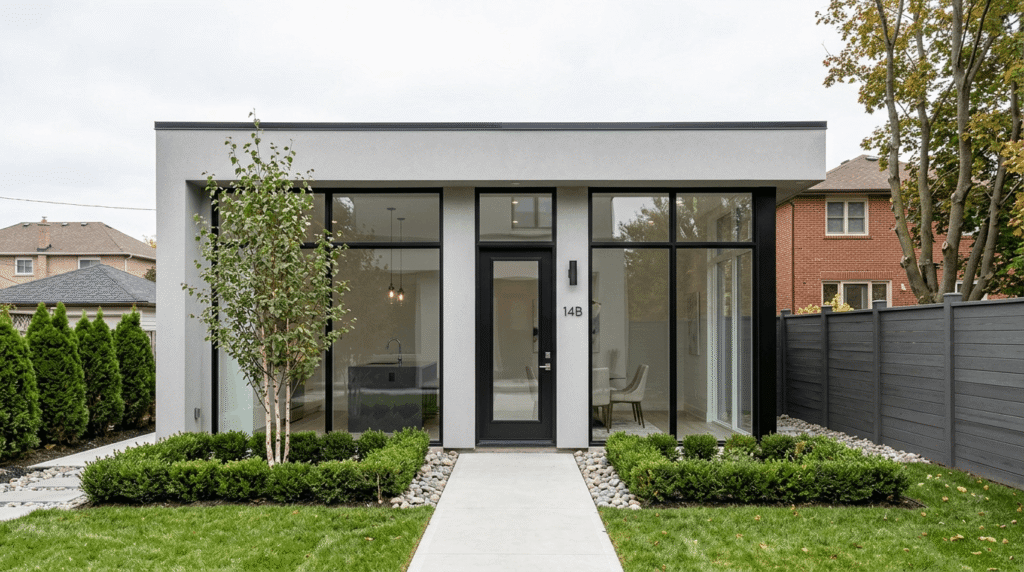
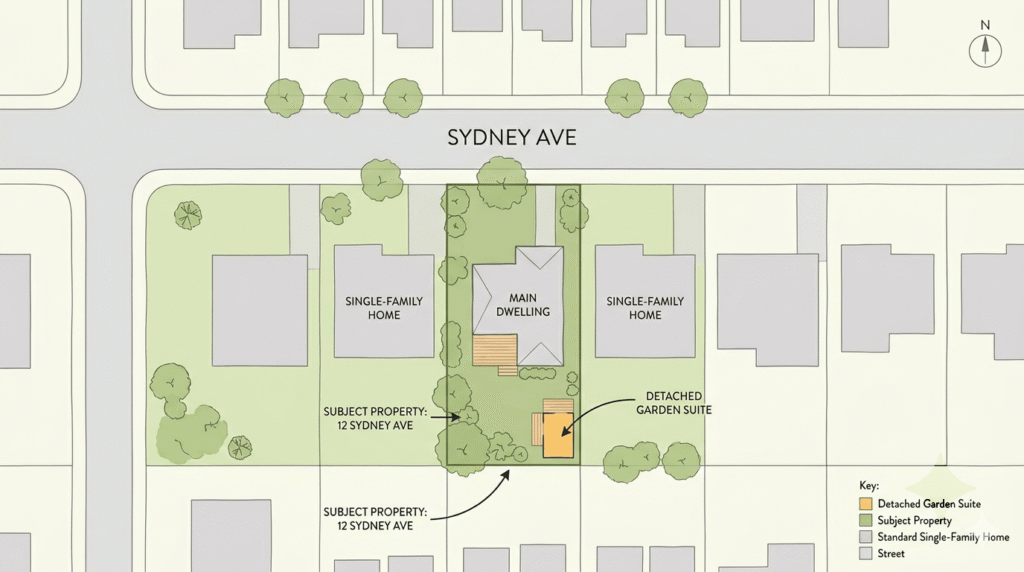
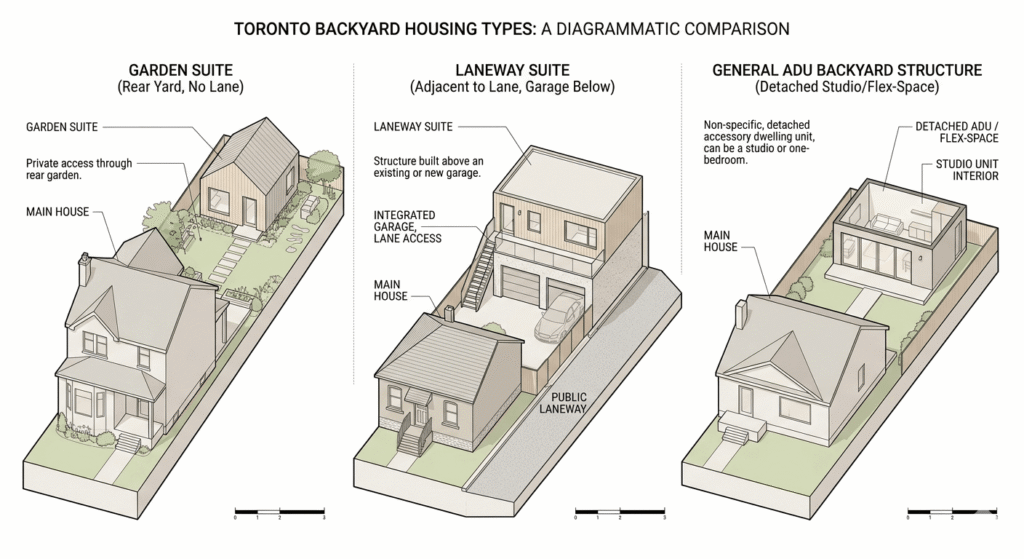
Garden suites Toronto are detached residential units located in the rear yard of a property, not adjoining a public lane. According to the City of Toronto, these backyard homes qualify as secondary suites but are distinct from laneway suites, which must border a public laneway.
Every garden suite features its own kitchen, bathroom, heating, and often shares utilities with the principal home. Legally, garden suites are “non-severable,” ensuring land and services remain connected to the main property. This makes them useful for accommodating relatives or generating rental income without the need for a property split.
Strict zoning laws govern construction, including minimum setbacks, building heights, and requirements for emergency fire access. These rules are enforced through Toronto’s evolving by-laws, integrating urban planning objectives into residential building expansion.
How Do Garden Suites Fit into Toronto’s Urban Planning?
Toronto’s urban planning strategy places garden suites at the center of a movement to provide increased “gentle density” and address the city’s persistent housing supply shortfall. By facilitating more rental and multigenerational living options within established neighborhoods, garden suites align with both city council priorities and the broader goal of creating affordable housing Toronto needs.
Why Urban Planners Support Garden Suites Toronto
The Expanding Housing Options in Neighbourhoods (EHON) plan and updated zoning bylaws from 2022 and 2026 both explicitly support the adoption of secondary suites, laneway homes, and backyard dwellings. This “missing middle” approach allows additional units without the visual or social disruption that comes with high rise apartment developments.
As a direct response to the Toronto housing crisis, urban planners view garden suites as providing vital rental and ownership diversity, especially in low density areas. However, construction and permitting rates remain much slower in neighborhoods with smaller lots and lower incomes, so the program’s benefits still skew toward higher value zones.
Ultimately, garden suites serve as a tool for city council and urban planners aiming to modernize neighborhoods while preserving community character, making them a key feature of Toronto’s evolving housing mix.
Garden Suites vs. Laneway Suites vs. Backyard Homes
Garden suites, laneway suites, and backyard homes are all forms of secondary suites, but each is subject to unique criteria and regulations within Toronto.
- Garden Suites: Self-contained homes situated in the rear yard but not on a laneway. Common across a wide range of Toronto neighborhoods but only on lots meeting size and access requirements.
- Laneway Suites: Built only on properties beside a public laneway, offering alternative access but limited to fewer neighborhoods.
- Backyard Homes: This broad term includes both garden and laneway suites, and is sometimes used to refer to similar tiny house communities or ADUs in North America.
| Feature | Garden Suite | Laneway Suite | Backyard Home (General/ADU) |
|---|---|---|---|
| Location Requirement | Rear yard, not on public laneway | Adjacent to public laneway | Varies by jurisdiction |
| Eligible Properties | Residential lots meeting criteria | Only lots with laneway access | Lot, zoning, and code-dependent |
| Construction Cost | $150,000–$450,000 | $200,000–$400,000 | $80,000–$450,000+ |
| Zoning & Bylaws | Toronto By-law 2022, 2026 updates | Toronto By-law 2018, specific areas | Local-specific regulations |
| Rental Income Range | $1,800–$3,200/month | $2,000–$3,500/month | Varies: $1,200–$3,500/month+ |
| Permit Requirements | Full building permit; fire access | Building permit; laneway fire truck | Varies (city/state rules) |
| Impact on Value | +$285K–$320K to property | Similar or slightly higher | Varies regionally |
In Toronto, however, city council statutes strictly define and regulate garden suites and laneway suites to preserve neighborhood character and ensure safety.
Zoning, By-laws, and Permit Requirements for Garden Suites Toronto
Strict zoning laws and by law updates form the backbone of garden suite regulation in Toronto. The comprehensive by-law of 2022, enhanced by city council reforms in 2026, widens eligibility while retaining essential provisions:
- Eligible Properties: Only residential lotstypically detached or semi detached can add garden suites, provided the lot has adequate area for setbacks and fire access.
- Setback and Access Rules: A minimum of 10% frontage from each side, 1.5 meters from the rear, and 4 meters between buildings. Fire access to within 90 meters of a public street is mandatory.
- Unit Size and Heights: Maximum two stories or 6 meters high, with square footage based on lot dimension.
- Emergency Features: Some require sprinklers and must support alarm connections for safety.
- Tree Protection: Urban forestry regulations require tree preservation or replacements as part of the permit.
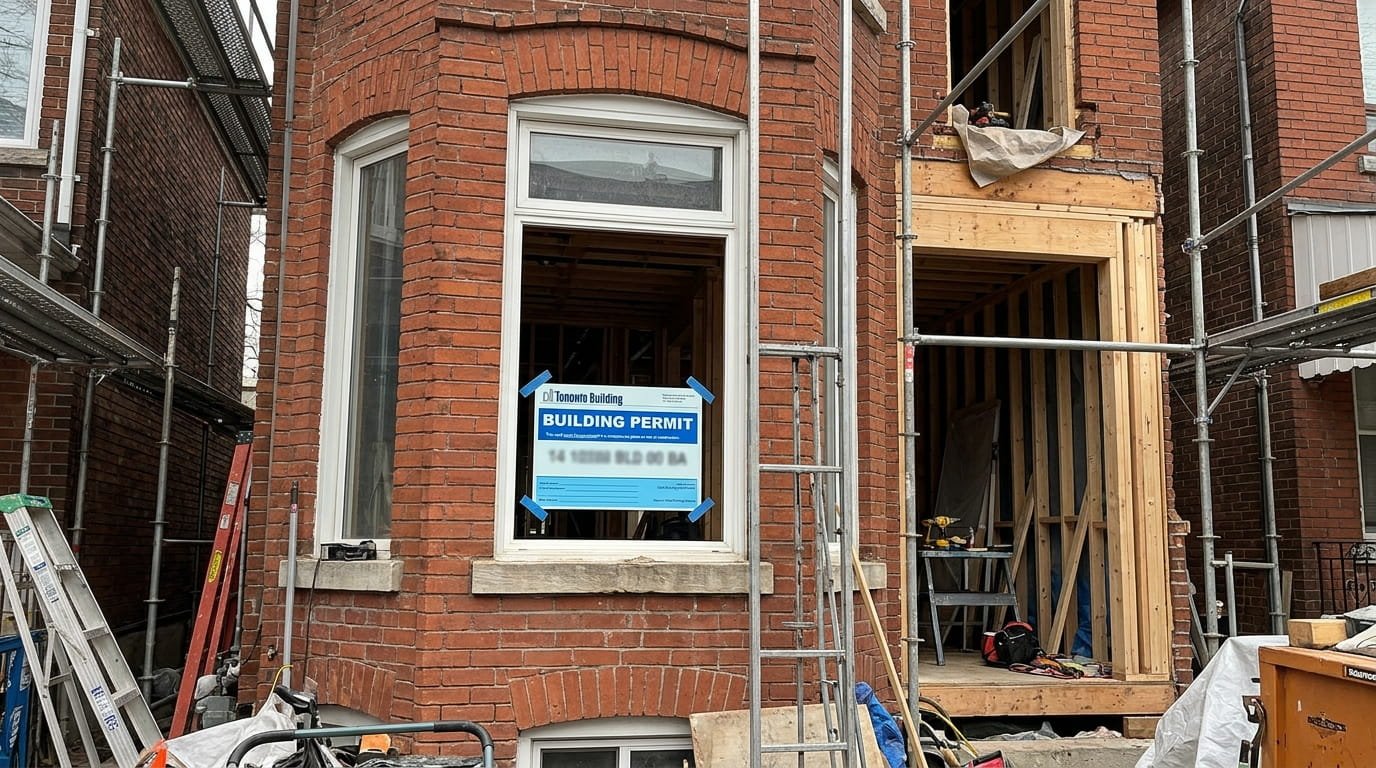
Each garden suite application must secure a full building permit, ensure full compliance with the Ontario Building Code, and sometimes seek variances from the Committee of Adjustment. The city periodically releases pre approved plans, which can save time and reduce architectural fees, although not every site suits an off the shelf design.
Homeowners should carefully review planning requirements and consult city planning or construction professionals before starting. For more information on eligibility and process, the City of Toronto’s garden suite resource offers comprehensive details, and consulting Planning & Financial Guidance can further streamline your journey.
Navigating Zoning Laws for Garden Suites Toronto
Many first-time applicants underestimate the complexity of zoning laws. Failing to address these technical requirements can lead to expensive delays or outright rejection especially with issues like fire access or urban forestry. Engaging with a knowledgeable builder or designer and understanding city council policies from the outset can make or break your application.
Building a Garden Suite in Toronto
- Check Property Eligibility
Use the City of Toronto’s online zoning lookup or consult a local real estate specialist to confirm your lot’s residential zoning and physical suitability. - Preliminary Design and Feasibility
Work with an architect or design/build firm familiar with Toronto zoning laws and city council rules for backyard homes. Reference available city plans to save time. - Pre-Consultation (Optional)
Meet with city planning or a private consultant to discuss setbacks, urban forestry, and fire/emergency access before investing in detailed drawings. - Prepare Plans and Apply for Building Permit
Submit architectural plans, site servicing drawings, urban forestry reports, and required application fees via the City’s permitting portal. Soft costs can impact the overall construction cost, so budget carefully. - Committee of Adjustment (If Needed)
If setbacks or variances are required, your project will be sent to a public hearing for city council review. - Construction
Engage an experienced contractor in custom home or renovation projects with demonstrated skill in secondary suites. Oversee build, inspections, and landscaping, ensuring all city, zoning, and safety standards are met. - Final Inspection and Occupancy Permit
City inspectors review every aspect, particularly fire access and urban forestry compliance. Once the project passes, you’ll receive the occupancy permit. - Move-In or Rental Setup
Prepare the suite for family or incoming tenants. Comply with CMHC guidelines for formal rental agreements, and register as a landlord according to local regulations.
Careful collaboration with experts in secondary suites and urban planning can prevent costly mistakes and delays.
Construction Costs and Rental Income Potential
The typical construction cost for a garden suite Toronto ranges from $150,000 to $450,000. Key price factors include:
- Total size: from compact studios to multi bedroom units.
- Construction type: custom versus modular or prefab, which can lower costs.
- Lot and site conditions: grading, trees, and utility connections play major roles in cost.
- Finishing level: energy efficiency, smart home features, and landscaping all affect price.
Soft expenses such as fees for zoning, permits, design, and legal compliance add another $20,000–$40,000. Homeowners should also anticipate costs for upgrades to utility connections or unforeseen groundwork.
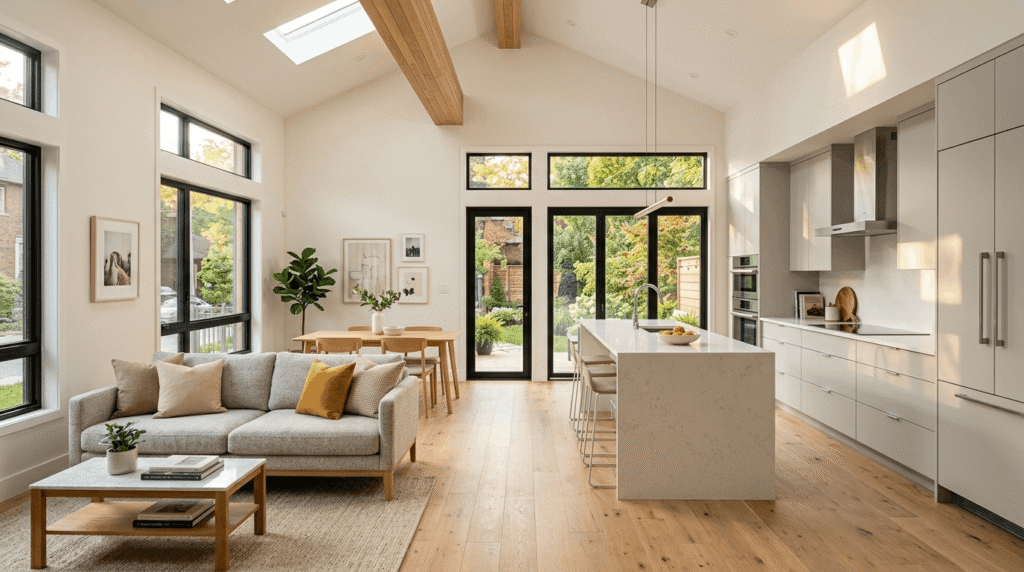
Independent market analysis and Toronto real estate agents confirm that adding a garden suite can raise property values by $285,000 to $320,000, making it a major investment in long-term equity or resale value. This boost is most evident in thriving neighborhoods with high demand for rental space.
Rental income for a garden suite Toronto typically ranges from $1,800 to $3,200 per month, depending on the suite’s size and location. While this can offset mortgage payments and provide additional income, properties in high-value, larger-lot areas tend to benefit most, as these homeowners more easily meet the construction cost and by-law requirements.
Navigating Rental Income and Tax Implications
Generating rental income from a backyard home may require registering as a landlord and reporting all earnings. Consult with qualified accounting or real estate advisors to ensure proper compliance and optimize your returns. For more on planning and financial strategy, see our Planning & Financial Guidance page.
Can Garden Suites Solve Toronto’s Housing Affordability Crisis?
The Toronto housing crisis has left thousands of households spending over 30% of income on shelter, with new builds down 34% from 2023 to 2025 (HousingTO Progress Report 2025). Garden suites are promoted as a way to add affordable housing Toronto needs by increasing gentle density and leveraging existing infrastructure.
Assessing Their Impact on the Toronto Housing Crisis
Despite city council’s hopes, current adoption has been muted: just 480 permits were approved by May 2025 out of more than 400,000 eligible Greater Toronto Area lots. While the rollout of free design plans and expedited permits has increased uptake by 340% in 2026, the absolute number of new backyard homes remains limited.
Experts acknowledge that garden suites Toronto enable modest improvements extra rental options, more multi generational living, and support for aging in place all core urban planning goals. However, high construction cost and concentration in affluent neighborhoods mean these units rarely offer truly affordable rents. Thus, while they promote flexibility and gentle land use, their direct effect on affordable housing Toronto remains marginal.
Comprehensive solutions to the Toronto housing crisis require a mix of high density developments, broader affordable housing initiatives, and systemic regulatory reform. Garden suites should play a supporting, rather than lead, role in the city’s housing strategy.
Affordable Housing Toronto Limitations and Opportunities
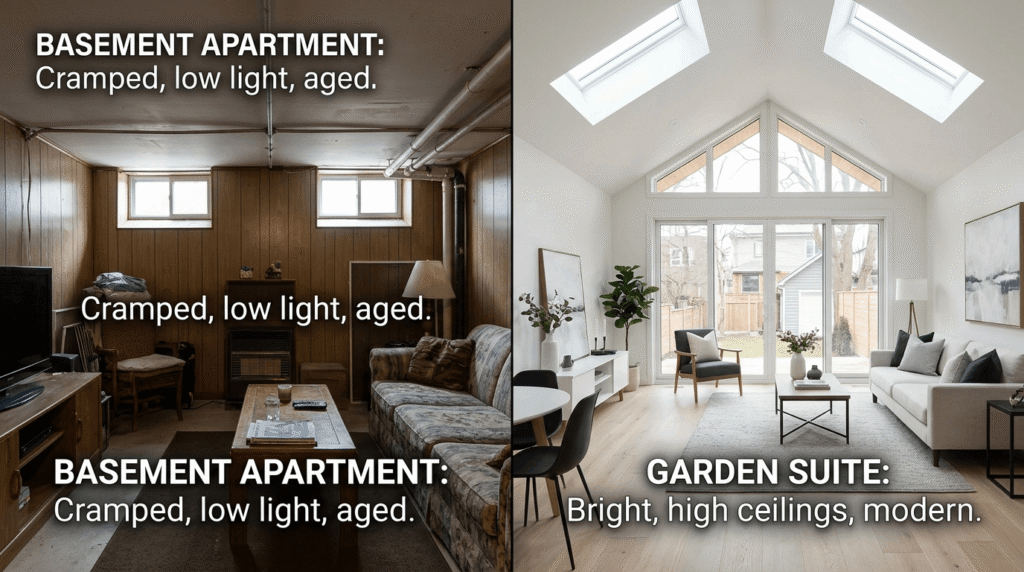
Although garden suites support incremental growth, their utility as an affordable housing solution is limited. The relatively high rental income required to justify construction costs typically excludes lower-income households.
City council is exploring new grant programs and incentives to make backyard homes more accessible. Combined with expanded technical support and pre-approved plans, these steps may gradually improve equity and affordability, particularly for seniors and families seeking secondary suites for relatives.
Common Mistakes When Planning or Building Garden Suites
Building a garden suite comes with several avoidable errors:
- Overlooking Zoning Laws: Many owners proceed with plans before checking local zoning laws or by-laws, leading to redesigns or expensive delays.
- Fire Access Oversights: Not meeting the required fire lane access distance (90 meters or less) can halt project approval at the last minute.
- Unrealistic Construction Cost Estimates: Failing to budget for site work, tree protection, or unexpected urban infrastructure expenses can undermine your financial plan.
- Ignoring Utility Upgrades: Not factoring in the need for major electrical, sewage, or water upgrades often results in budget overruns.
- Lack of Professional Pre-Consultation: Avoid skipping early meetings with city planners, experienced construction professionals, or legal advisors who understand secondary suites.
- Bending Urban Forestry Rules: Overlooking tree protection orders or mandatory replanting can trigger permit refusals or city fines.
- Improper Rental Agreements: Entering into informal rental arrangements or failing to comply with landlord regulations can create legal and financial headaches.
Turning to vetted planning and financial guidance and working with reputable services will help you avoid these costly errors see our FAQ for additional advice.
FAQs
1. What is the difference between a garden suite and a laneway suite?
A garden suite is a detached backyard home built behind a main house and not facing a public laneway. By contrast, a laneway suite must abut a public lane and is subject to additional location and fire access rules. While both add gentle density, laneway suites are only allowed in specific Toronto neighborhoods, whereas garden suites can be built on a wider range of lots if zoning laws are satisfied.
2. How much does it cost to build a garden suite in Toronto?
The average construction cost to build a garden suite in Toronto falls between $150,000 and $450,000. Expenses depend on suite size, design choices (custom or prefab), site preparation, and soft costs like permits or urban forestry compliance. Unique site conditions or high-end finishes can push the final cost even higher.
3. Can I rent out my garden suite for extra income?
Yes, renting your garden suite is typically allowed if you follow city council regulations regarding building code, landlord registration, and zoning laws. Many owners in Toronto collect rental income between $1,800 and $3,200 monthly. However, you cannot sever or sell the garden suite separately from the primary residence.
4. What are the eligibility requirements for building a garden suite?
To build a garden suite in Toronto, your property must have residential zoning and adequate lot size for required setbacks and emergency access. There are strict rules governing height, coverage, and urban forestry protection. All plans must be reviewed and receive approval through the city’s building permit process before work begins.
5. How do I get a building permit for a garden suite in Toronto?
You must apply for a building permit through the City of Toronto portal, providing complete architectural drawings, fire safety plans, and applicable fees. If your design needs variances, be prepared to attend a Committee of Adjustment hearing. Once approved, construction can begin, followed by a final inspection for legal occupancy.
Conclusion
Garden suites Toronto have increased property values, diversified housing supply, and added rental income for homeowners, though these backyard homes are not yet a universal solution to the Toronto housing crisis. While city council and urban planning advocates see value in expanding secondary suites, genuine progress on affordable housing Toronto requires a broader approach alongside continued improvements to zoning laws and support for secondary suites like garden suites.