Quick Answer Box: Maximizing your plex building’s value for an optimal return on your investment requires targeting upgrades, using property optimization strategies, and tracking real estate investment ROI. Focus on net operating income, cap rate, property taxes, and efficient management to improve valuation and maximize rental income from your multiplex investment.
What Is Real Estate Investment ROI?
Real estate investment ROI, or return on investment, measures the profitability of your property compared to your total investment. For a plex, such as a duplex or fourplex, this calculation shows how efficiently your building generates profit after all expenses. The standard formula is: (Total Gain from Investment – Total Cost of Investment) ÷ Total Cost of Investment. Strong real estate investment ROI means higher profitability, which is essential for success in the multiplex market.
Key Factors That Influence Your Plex Building’s Value
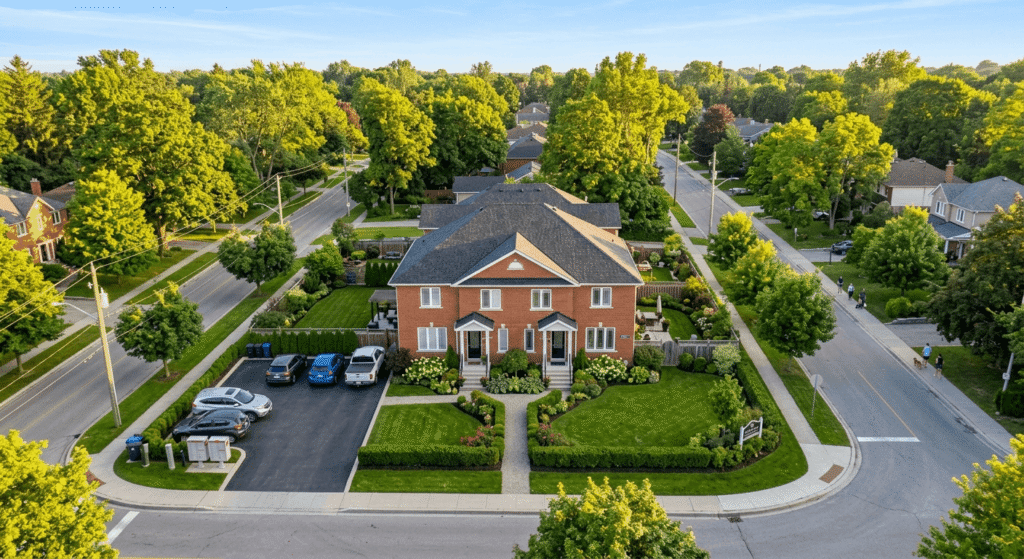
Multiple variables shape your plex’s value and real estate investment ROI. Location remains paramount: properties near public transit, major employers, or in supply-constrained cities like Toronto and Ottawa often command higher rents and enjoy stronger appreciation. The multiplex’s physical condition also matters; buildings with modern systems, upgraded amenities, and appealing curb appeal attract more tenants and higher rents.
Rental demand and neighborhood desirability drive occupancy rates. Safe, walkable neighborhoods with access to schools and amenities support stronger leasing activity. The tenant mix in a multiplex can stabilize cash flow since vacancies affect revenue less in fourplexes compared to single family rentals, income becomes more resilient.
Market trends play a direct role. For example, a shift toward remote work influences rental preferences, while new construction impacts supply in your area. Monitoring employment rates, migration, and local development helps anticipate valuation changes and maintain a healthy property optimization plan.
Tenant Retention and Income Diversification
A diverse tenant base in a multiplex reduces risk and volatility. Losing one tenant in a fourplex, for instance, only reduces income by 25%, unlike the full loss in a single family home. This diversification supports stronger property value and maximizes rental income by providing reliable cash flow even during turnover.
How Does Net Operating Income Affect Plex ROI and Value?
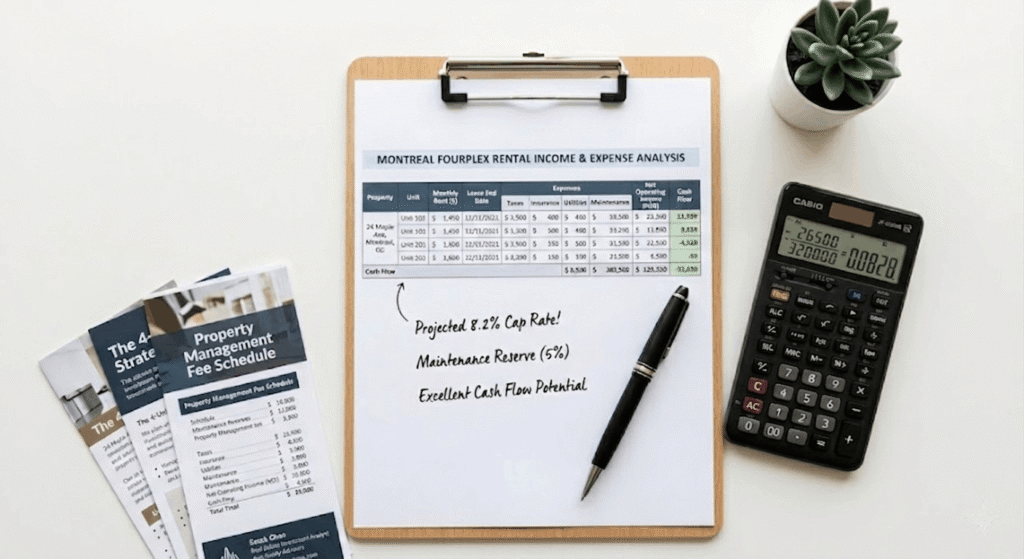
Net operating income (NOI) is a key metric in real estate investment ROI, underpinning both your plex’s profitability and its valuation. NOI is calculated by subtracting all operating expenses (insurance, utilities, management fees, repairs, etc.) from total rental and ancillary income, before debt service and property taxes. Higher NOI signals improved property performance and directly supports higher market value; appraisers and buyers often use NOI as the basis for setting cap rates and establishing transaction prices.
For instance, if your fourplex yields $60,000 in annual rents and incurs $20,000 in expenses, your NOI stands at $40,000. This figure enables comparisons with similar properties and informs your investment strategy.
Optimizing Net Operating Income
You can grow NOI in two ways: by increasing rental income through upgrades or by reducing expenses. Consider modernizing kitchens and bathrooms, improving energy efficiency, or adding sought-after amenities such as in-suite laundry and secure parking these often justify rent increases and support higher occupancy. To cut costs, implement preventative maintenance, renegotiate service contracts, or deploy smart technologies for utilities and payment processing.
Rising insurance premiums up 28% for multifamily properties in 2025 (BAM Capital) mean expense control is more crucial than ever. Regularly benchmark your NOI against local market standards and aim for the industry norm of an 8–12% cash on cash return.
For more guidance, refer to Planning & Financial Guidance or About Us to learn about professional support for maximizing plex building value.
What Impact Do Property Taxes Have on Multiplex Investments?
Property taxes represent a major ongoing cost that can erode your real estate investment ROI if not managed proactively. Municipal tax rates for multiplexes vary widely across Ontario and frequently rise after market reassessments or major renovations. These changes can surprise owners with unexpected costs, particularly in hot markets.
Multiplexes often have higher assessed values and sometimes higher tax rates than single-family properties, due to their income-generating potential. Efficiently managing and appealing property taxes can directly protect your net operating income and support a robust ROI.

Ontario Specific Property Tax Strategies
Ontario offers rebates for energy efficient retrofits and some credits tailored to multiplex owners. Explore these options at the official Ontario government site. Systematically document eligible expenses, improvements, and rental status so you can leverage tax savings or challenge assessments effectively.
Partnering with a property accountant experienced in multiplex rules ensures all deductions are captured many investors overlook significant opportunities here. Ongoing attention to your assessment and consistent review will help control costs, letting you redirect savings into property optimization or further value-enhancing investments.
What Are the Best Property Optimization Strategies for Higher Returns?
Property optimization strategies are essential for maximizing your multiplex’s rental income, boosting NOI, and creating long-term value. Focus on both high impact physical improvements and operational efficiencies tailored to your local market and tenant demographic.
High Impact Upgrades
- Modernizing kitchens and bathrooms: These generally offer the highest ROI, attracting quality tenants and enabling rent premiums.
- Energy-efficient HVAC systems and windows: Reducing utility costs appeals to eco-conscious tenants and meets emerging energy standards.
- Enhancing amenities: In suite laundry, secure parking, dedicated storage, smart home systems, and appealing shared outdoor spaces increase tenant satisfaction and rental demand.
- Curb appeal improvements: Upgrading landscaping, painting exteriors, and refurbishing common areas signal value and support strong leasing results.

Maximizing Rental Income Through Operations
Streamline tenant communications and digital payment systems to reduce late payments and minimize vacancies. Negotiate bulk contracts for internet, security, or property maintenance to cut costs. Implement a preventative maintenance calendar—avoiding costly repairs, boosting satisfaction, and shortening vacancy periods.
For deeper sustainability measures, the Net Zero Energy Homes resource details long-term operating expense reductions and value protection. Explore more on property optimization in Sustainable Construction Practices.
Reduce Multiplex Operating Costs
Regularly compare your operating expenses to market benchmarks and seek new efficiencies. Options include investing in smart thermostats, shifting to bulk purchasing for supplies, or joining local building association programs that provide discounts on insurance and maintenance.
How to Maximize Your Plex Building’s Value
- Conduct Investment Analysis
Analyze your plex’s current performance by assessing NOI, rent roll, and all ongoing expenses. Compare with similar multiplexes to determine areas for improvement. - Identify High-ROI Upgrades
Select targeted renovations and operational improvements, such as kitchen/bath upgrades or energy-efficient systems, likely to maximize rental income and property value. - Budget and Plan Renovations
Develop a realistic budget, obtain quotes from trusted contractors, and schedule upgrades during periods of low occupancy to minimize disruption and revenue loss. - Optimize Property Operations
Review recurring expenses for reduction opportunities. Negotiate better terms for insurance and contracts. Implement digital tools for rent collection and maintenance tracking. - Market and Lease Strategically
Advertise with professional photos and engaging listings across multiple platforms. Offer move-in incentives to minimize vacancy and attract ideal tenants. - Track Performance Metrics
Monitor NOI, occupancy, and rent collections monthly. Adjust rental rates and expenses promptly based on market trends and operational data. - Utilize Professional Support
Engage a property manager if scale or complexity calls for expert oversight. Leverage their local knowledge for compliance, maximum occupancy, and ongoing optimization.

For details on budgeting and cash flow planning, see Planning & Financial Guidance.
How Does a Property Manager Help Maximize ROI?
A qualified property manager provides critical support for multiplex owners seeking to maximize return on investment and property optimization. Managers handle tenant acquisition, background screening, lease enforcement, rent collection, and emergency repairs. By overseeing these processes professionally, a property manager can help maintain high occupancy rates and control expenses.
Industry data shows that professionally managed multiplexes achieve lease renewal rates exceeding 60% (BAM Capital, 2026). This directly improves NOI by reducing vacancy losses and optimizing rent increases. Experienced managers also use their networks to negotiate volume discounts for services and expedite repairs, preserving both property value and tenant satisfaction.
If your plex’s scale, location, or complexity challenges your capacity for hands-on management, a property manager can make a substantial difference. For more about strategic management’s impact on real estate investment ROI, visit Our Approach.
Cap Rate, Valuation, and Return Benchmarks
Cap rate, valuation, and return benchmarks provide essential context for measuring investment performance in multiplex real estate. Cap rate compares NOI to market value, serving as a quick efficiency indicator. Higher cap rates can signal greater returns though often with higher perceived risk.
| Property Type | Typical Cap Rate (2026) | Average Annual ROI | Risk Level | Occupancy Benchmark |
|---|---|---|---|---|
| Plex/Small Multiplex | 4.7%–5.4% | 8–12% | Medium | Renewal >60% |
| REITs | 3.8%–4.0% yield | 6–12% (long-term) | Low | N/A |
| Single-Family Rental | 4.0%–4.7% | 6–9% | Medium-High | Renewal ~50% |
In supply constrained Canadian cities, cap rates for plex buildings typically average just below 5%. Achieving a total ROI of 8–12% annually places you in the upper tier of real estate investment performance. Always weigh local trends, property condition, and operational efficiencies when benchmarking your multiplex’s valuation.
For additional information about cap rate trends in Canadian multiplexes, explore our deep dive in Blogs.
Cap Rate Trends Canadian Multiplex
Recent years have seen cap rates for Canadian multiplex properties stabilize even as interest rates and operating costs rise. With high demand in urban centers, market values have remained firm, yet savvy investors focus on operational improvements to maintain competitive returns.
Common Mistakes When Investing in Plexes
New and experienced investors alike make avoidable mistakes that lower returns on multiplex properties. One frequent error is underestimating expenses insurance, property taxes, and unplanned repairs can rapidly overwhelm cash flow without adequate reserves. Overleveraging, or taking on excessive mortgage debt, exposes you to refinancing risk, especially if rates rise or rents fall.
Deferred maintenance is another pitfall. Stretched repairs lead to degraded property value and can increase tenant turnover. Careful, regular maintenance including annual inspections, systems upgrades, and quick response to minor issues is vital for long-term success. Lax tenant screening adds further risk; quality tenants reduce default rates and costly turnovers.
Another common mistake is ignoring local shifts in demand or keeping rents and amenities well below market rates, resulting in lost opportunities and lower real estate investment ROI. Successful owners regularly compare their multiplex to market trends and update accordingly.
For robust property maintenance strategies, visit Homeownership Long-Term Care, and use Planning & Financial Guidance to structure sustainable budgets.
FAQs
1. How do I calculate ROI for a plex building?
To calculate ROI on a plex, start by determining your annual net operating income (NOI) by subtracting all operating expenses from rental income. Subtract annual mortgage interest, then divide the result by your total cash invested, including down payment, closing costs, and renovation expenses. For example, $40,000 NOI less $10,000 mortgage interest equals $30,000 net. If you invested $100,000, your return on investment is 30%. Always use your actual figures for precision.
2. What are the best renovations to improve a multiplex’s value?
Target upgrades that tenants most value: modern kitchen and bathroom remodels, energy-efficient HVAC systems, new windows, and amenities such as in-suite laundry, dedicated parking, and storage. These improvements generally boost rental income and attract reliable tenants, supporting higher valuation and long-term real estate investment ROI.
3. How can I lower my property taxes on a multiplex in Ontario?
To lower your property taxes, investigate multi-unit tax rebates and challenge your property’s assessment if you feel it’s excessive. Keep careful records of any qualifying renovations or improvements that might entitle you to credits. Ontario multiplex owners should consult the official Ontario government site where provincial rebates and programs are outlined, or work with a property accountant for expert support.
4. Is hiring a property manager worth it for small multiplexes?
Hiring a property manager can lead to higher occupancy and fewer vacancies thanks to expert tenant selection, efficient rent collection, and coordinated repairs. While management fees reduce short-term cash flow, most plex owners report a net increase in real estate investment ROI over time due to reduced downtime and smoother operations. Evaluate this decision based on your available time, expertise, and the complexity of your property.
5. What is a ‘good’ ROI or cap rate for plex buildings in 2025–2026?
Industry standards place a strong cash-on-cash ROI for multiplex investments at 8–12% with cap rates ranging from 4.7% to 5.4% for well-managed plex buildings in major Canadian markets, according to BAM Capital and Amerisave (2026). Your optimal target should reflect local trends and the efficiency of your property optimization and management strategies.
Conclusion
Maximizing your plex building’s value for an optimal return on your investment centers on careful real estate investment ROI analysis, proactive property optimization, disciplined expense management, and when appropriate, expert property management. From increasing net operating income and optimizing property taxes to benchmarking cap rate and valuation against the local market, every step should be aimed at maximizing rental income and growing your multiplex’s long-term value. Invest strategically and your plex will become a cornerstone of real estate investment success.