

Quick Answer: A basement apartment in Toronto costs $50,000–$80,000 to build and earns $1,400–$2,400/month. A garden suite runs $200,000–$400,000 but generates $2,500–$3,500/month or more. Basement apartments win on payback speed. Garden suites win on monthly income and total property value gain.
Basement Apartment vs Garden Suite Toronto: Which Earns More?
Toronto’s rental market doesn’t leave much room for passive analysis. As of June 2026, average rents across all unit types sit at roughly $2,399/month, keeping the city among Canada’s most expensive rental markets. For homeowners with an underused basement or a backyard, a secondary suite is one of the most direct ways to generate rental income from a property you already own.
The core question is which route earns more. Both basement apartments and garden suites qualify as secondary suites under Ontario’s housing framework, and both are permitted on most residential lots across the city. The upfront cost, monthly rent ceiling, regulatory timeline, and long-term value impact differ enough that the right answer depends on your budget, your lot, and your holding period.
Not every property qualifies for both options. Lot size, existing basement conditions, and local zoning all factor in. Homeowners should verify whether their property meets Toronto’s requirements under Zoning By-law 569-2013 before committing to architectural drawings or a contractor.
You may not have to fund it all yourself; see Toronto’s garden suite loan and rebate program.
What to Look For in a Basement Apartment vs Garden Suite Toronto
Five factors separate a strong secondary suite investment from a slow one: total build cost, monthly rental income, payback period, property value gain, and permit complexity. Understanding how each option performs across all five, not just rent, gives a clearer picture before committing.
| Factor | Basement Apartment | Garden Suite |
|---|---|---|
| Build Cost | $50,000–$80,000 | $200,000–$400,000 |
| Monthly Rent (1-bed) | $1,400–$2,400 | $2,500–$3,500 |
| Monthly Rent (2-bed) | $1,800–$2,600 | $3,000–$4,200+ |
| Property Value Increase | $50,000–$100,000 | $285,000–$320,000 |
| Permit Timeline | 6–12 weeks | 8–20 weeks |
One real cost advantage for garden suites: Toronto exempts them from development charges entirely under the City’s current housing initiative. The Development Charges Deferral Program for ancillary secondary dwelling units offers further relief for eligible owners. Basement conversions don’t attract development charges either, so both options share that benefit. But garden suites carry a more involved permit burden, which is where the two paths genuinely split.
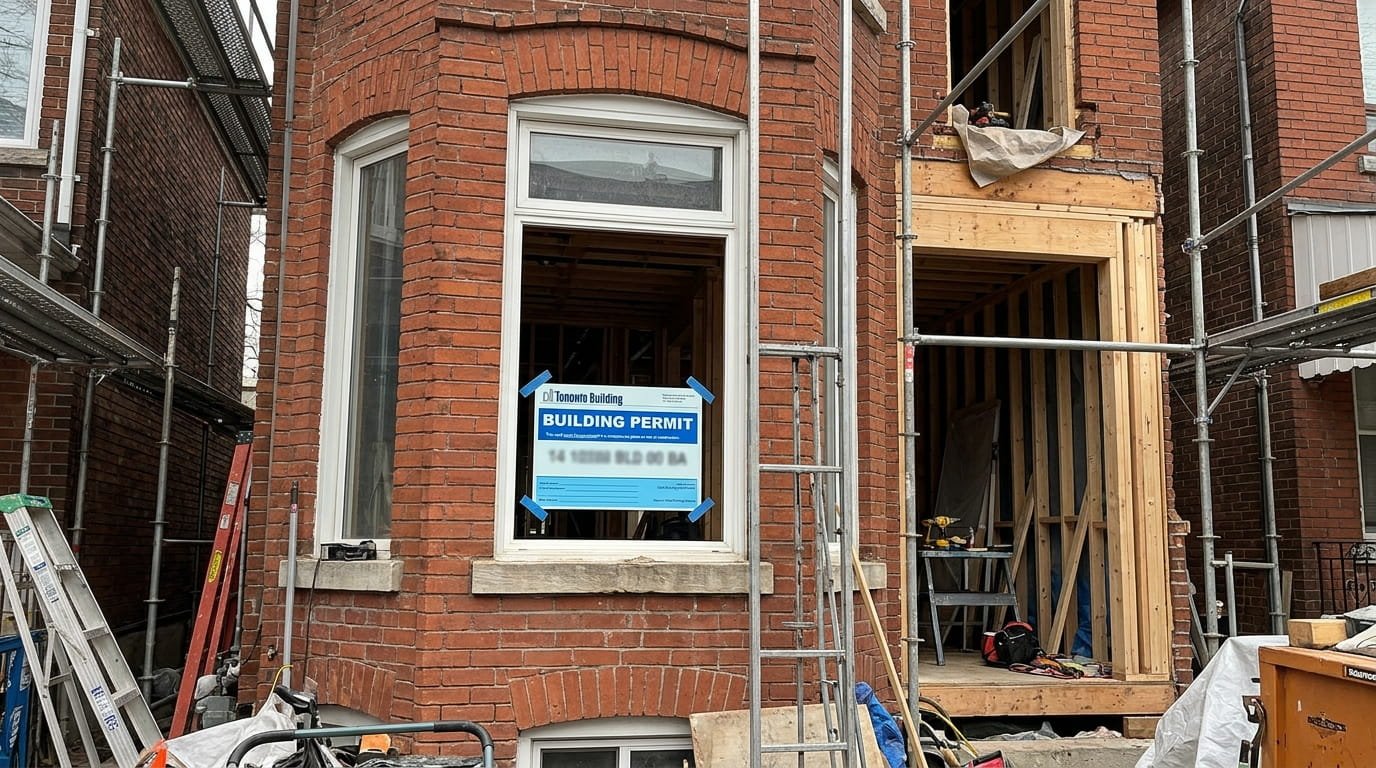
A basement apartment typically follows a simpler approval process through the City. A garden suite requires more documentation, site assessments, and in some cases an arborist report if trees fall within the build zone. To reduce that friction, the City now makes pre-approved garden and laneway suite plans available to eligible homeowners, shortening permit timelines and reducing soft costs.
Planning space for a parent or adult child? Our guide to in-law suite additions in Ontario covers costs, permits and design.
Which Option Generates Higher Rental Income in Toronto?
Garden suites consistently earn more per month. A legal one-bedroom basement apartment in Toronto commands $1,400–$2,400/month in 2026, with location doing most of the work on that spread. Old Toronto and East York see well-finished basement suites approach $2,400–$2,600/month. Scarborough and parts of North York settle closer to $1,400–$1,700/month for comparable units.
Garden suites operate on a different income level. A standard one-bedroom at 500–600 sq ft earns $2,500–$3,000/month across most Toronto neighbourhoods. A two-bedroom layout at 700–800 sq ft pushes that to $3,000–$3,500/month. Two-storey builds near 1,200 sq ft can reach $4,200/month or higher in east-end pockets with tight rental demand. That income doesn’t come with rent control in most cases. Garden suites are new construction built after November 2018, placing them outside Ontario’s rent guideline caps and giving landlords more pricing flexibility between tenancies.
Annual income comparison tells the story plainly. A basement apartment earning $1,800/month generates $21,600 per year. A garden suite at $3,200/month produces $38,400. That’s $16,800 more in gross annual income from the backyard unit.
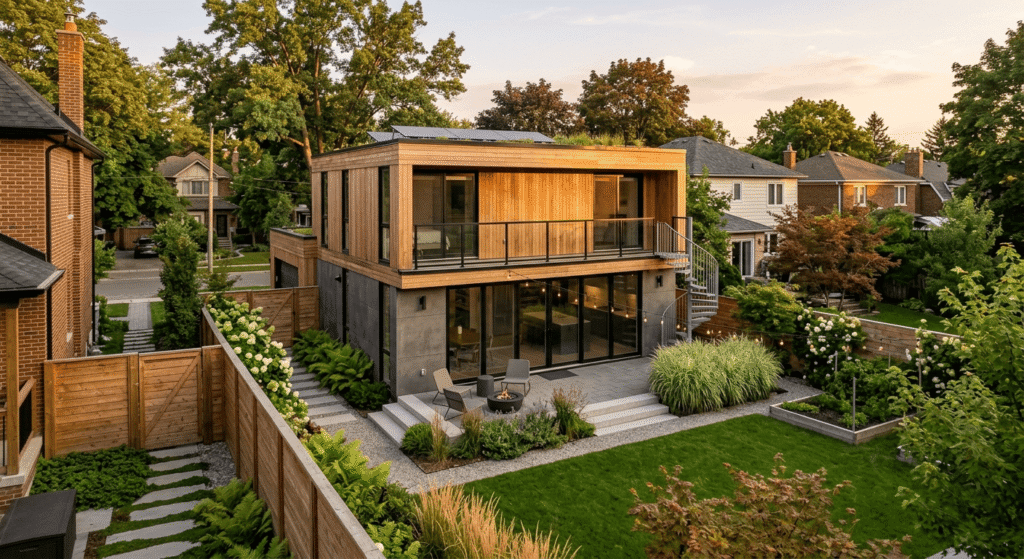
Not every garden suite earns at the top of that range, though. Poor ceiling heights, dark interiors, or awkward layouts consistently underperform the market. Separating the garden suite from the main house by at least 7.5 metres, which Toronto’s zoning permits for two-storey builds, allows for larger footprints that command higher rents and attract longer-tenancy renters.
After insurance costs (a landlord endorsement typically adds $300–$800/year), maintenance, and a standard vacancy allowance, both options net roughly 15–20% below gross income. The higher gross from a garden suite still nets meaningfully more. For more on how garden suites are reshaping Toronto’s rental supply, the Garden Suites Toronto overview on leedwaygroup.com covers the broader context.
How Much Does It Cost to Build Each Option in Toronto?
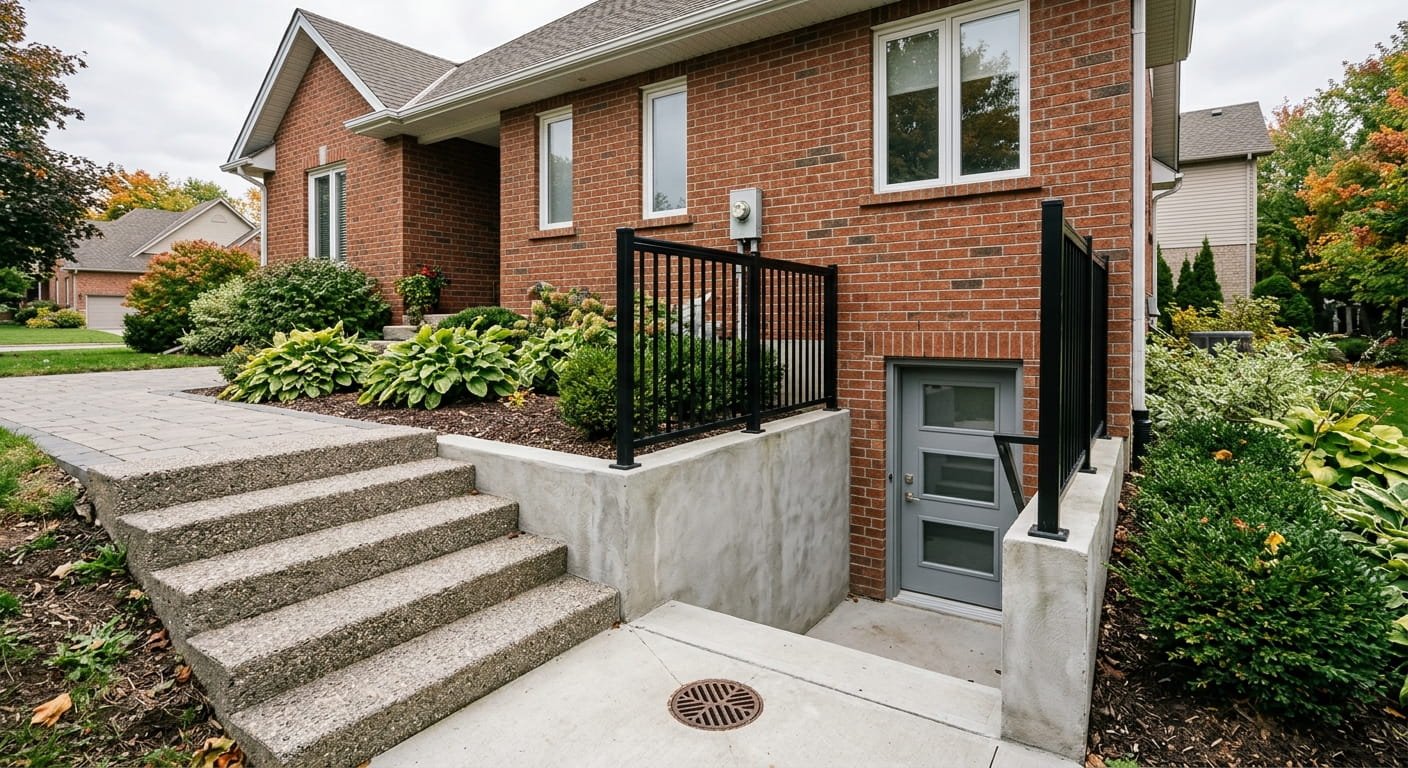
A legal basement apartment conversion in Toronto runs $50,000–$80,000 in 2026. That budget covers BCIN-registered architectural drawings, building permits, fire-rated separation between floors, egress windows, kitchen and bathroom rough-in, and interior finishes to a rental-grade standard. Basements that need underpinning to reach the Ontario Building Code’s minimum ceiling height of 1.95 metres can exceed $100,000 in total cost. Budget a 10–15% contingency on every project, regardless of initial quotes.
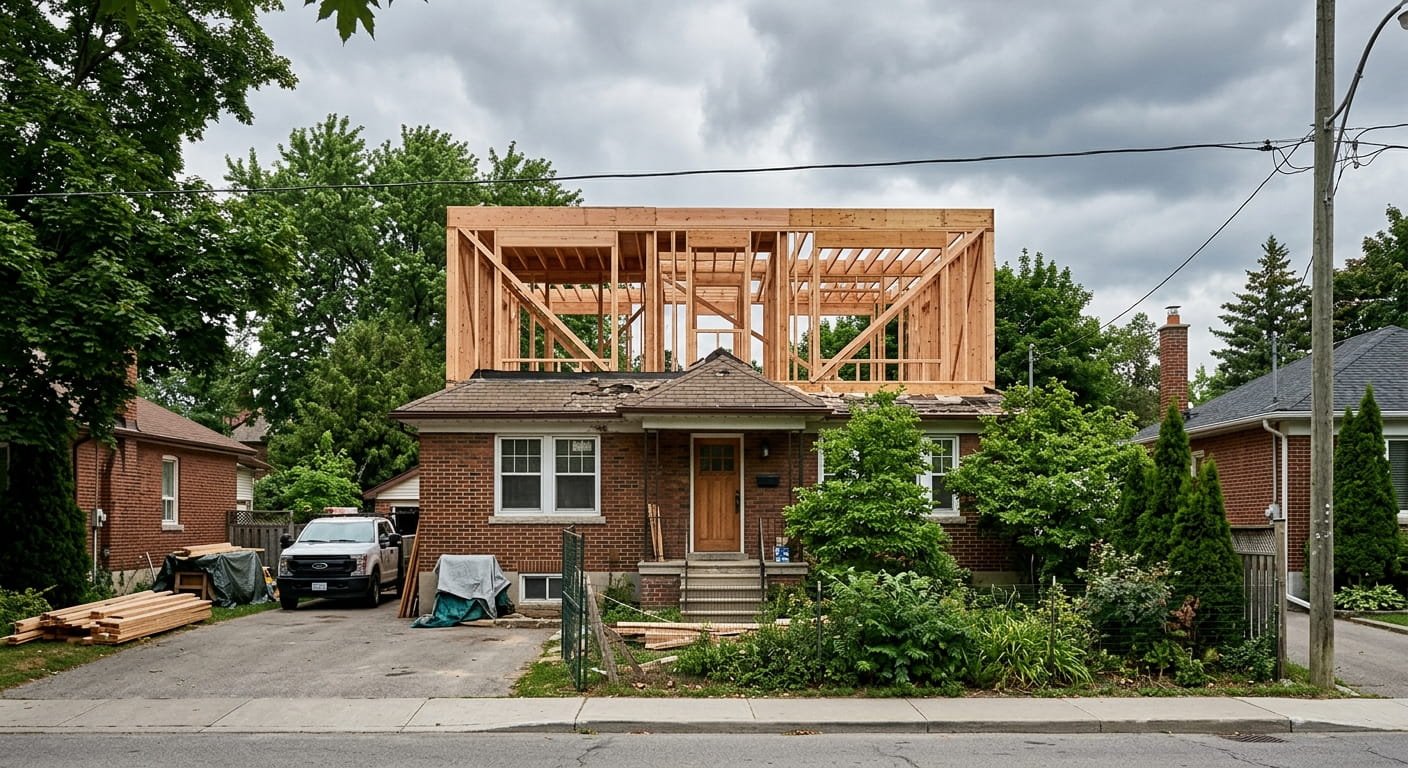
Garden suites cost significantly more. The City of Toronto’s New Garden Suite permit guide outlines the full application process, which is more involved than a basement conversion. Construction runs $250–$350/sq ft across the GTA, placing most builds between $200,000 and $400,000 total. Soft costs alone, covering design fees, permits, utility connections, and any required site or arborist reports, typically run $25,000–$70,000 before a framer arrives.
Payback timelines look different but aren’t as far apart as the build-cost gap implies. A $65,000 basement at $1,600/month reaches gross payback in roughly 40 months. A $300,000 garden suite at $3,000/month takes around 100 months gross. That calculation excludes property value. A garden suite adds an average of $285,000–$320,000 to a home’s assessed value, compared to $50,000–$100,000 for a registered basement apartment. Homeowners holding for resale often find the total return on a garden suite significantly outpaces the basement conversion over a 7–10 year period.
Most Toronto owners finance garden suites through a home equity line of credit or an insured refinance, using rental income to offset carrying costs during the build. Homeowners who rent to a qualifying family member rather than the open market may also qualify for the federal Multigenerational Home Renovation Tax Credit, which provides a 15% refundable credit on up to $50,000 in eligible renovation costs. For help modelling costs before committing to either path, the Planning and Financial Guidance section on leedwaygroup.com is a useful starting point.

Frequently Asked Questions
1. Can I build both a basement apartment and a garden suite on the same Toronto lot?
Yes. Toronto’s Expanding Housing Options in Neighbourhoods policies allow multiple additional dwelling units on a single residential lot, and both can coexist legally. Each unit requires:
- Its own separate building permit application
- Independent compliance with Ontario Building Code habitability and fire separation standards
- Separate egress windows or exits as required by unit configuration
2. Does Toronto exempt garden suites from development charges?
Yes. The City of Toronto currently exempts garden suites and laneway suites from development charges as part of its housing affordability initiative. For most homeowners this saves tens of thousands of dollars compared to other new construction types. Confirm your specific property’s eligibility through the City of Toronto Garden Suites page before finalising your project budget.
3. Which option starts generating rental income faster in Toronto?
Basement apartments are faster to build and permit, so income starts sooner. Most basement conversions take 3–6 months from permit application to occupancy. Garden suite builds average 12–18 months from permit submission to tenant move-in, accounting for design, approval, and construction. If generating rental income within the year is important to your cash flow, a basement apartment is the faster route by a wide margin.
4. Is rental income from a basement apartment or garden suite taxable in Canada?
Yes. All rental income from either unit type must be reported to the Canada Revenue Agency on your annual tax return. You can deduct eligible expenses including proportional mortgage interest, property taxes, insurance, maintenance, and utility costs allocated to the rental unit. Keep detailed records from the first month of occupancy. The proportion of the home used for rental purposes determines how much of each expense is deductible.
5. Does adding a basement apartment or garden suite affect property taxes in Toronto?
Yes, both can trigger a Municipal Property Assessment Corporation reassessment in Ontario, potentially increasing your assessed value and annual tax bill. A registered basement apartment typically produces a modest impact. A garden suite, as a separate detached structure, generally results in a more significant upward reassessment given the added square footage and property value it creates. Contact the City of Toronto’s tax office for a property-specific estimate before your project begins.
Conclusion
Basement apartment vs garden suite Toronto comparisons don’t have one universal winner. Basement apartments cost less, permit faster, and pay back sooner. Garden suites earn more monthly, add substantially more property value, and deliver stronger total returns for homeowners with the capital and backyard space to build correctly. Leedway Group works with Toronto homeowners on both types of secondary suite contact the team to talk through which option fits your property.
For the full picture, read our complete guide to garden suites in Ontario. Planning a project? Get in touch with the Leedway team.