

Quick Answer Box: An accessory dwelling unit, such as a garden suite or secondary suite, is a self-contained living space on the same property as a primary home. Building an accessory dwelling unit can increase property value, generate rental income, and provide multigenerational living flexibility making it a smart solution in Ontario’s evolving housing market.
What is an Accessory Dwelling Unit?
An accessory dwelling unit (ADU), often referred to as a garden suite or secondary suite, is a self contained living space built on the same lot as a primary residence. An ADU includes a kitchen, bathroom, sleeping, and living areas that function independently from the main dwelling. Accessory dwelling units, which may be detached, attached, or internal, are popular for their ability to increase property versatility and provide housing options for extended families, renters, or caregivers. This category also encompasses coach houses, laneway houses, modular homes, and suite additions, each designed to fit unique property layouts and homeowner goals.
Types of Secondary Suites: From Coach Houses to Laneway Houses
Secondary suites present homeowners with several forms of home expansion, allowing flexibility for various property types, evolving family needs, and diverse zoning environments.
Modern carriage houses often represent conversions of historical structures, historically built for stabling horse-drawn carriages but now reimagined as self-sufficient housing units. Their distinct character and charm often appeal to those seeking a blend of history and functionality.
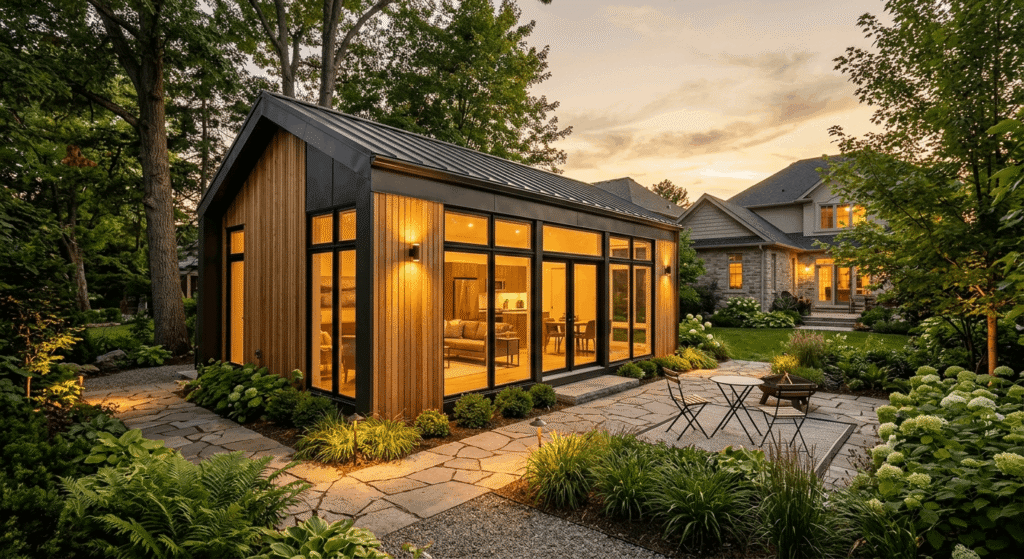
A garden suite generally refers to a new, freestanding building designed to integrate with the backyard environment, emphasizing privacy, accessibility, and an in-garden ambiance. Garden suites are well-suited to suburban and exurban lots that offer ample space.
Laneway houses are positioned along back lanes, especially prominent in urban areas like Toronto, creating new living space without requiring frontage on a main street. These units maximize otherwise underused lot areas and support urban densification.
Modular homes offer a fast and flexible way to establish a secondary suite. Built off-site, modular homes are delivered for rapid assembly and customization, often yielding cost and time efficiencies while supporting contemporary design and energy performance.
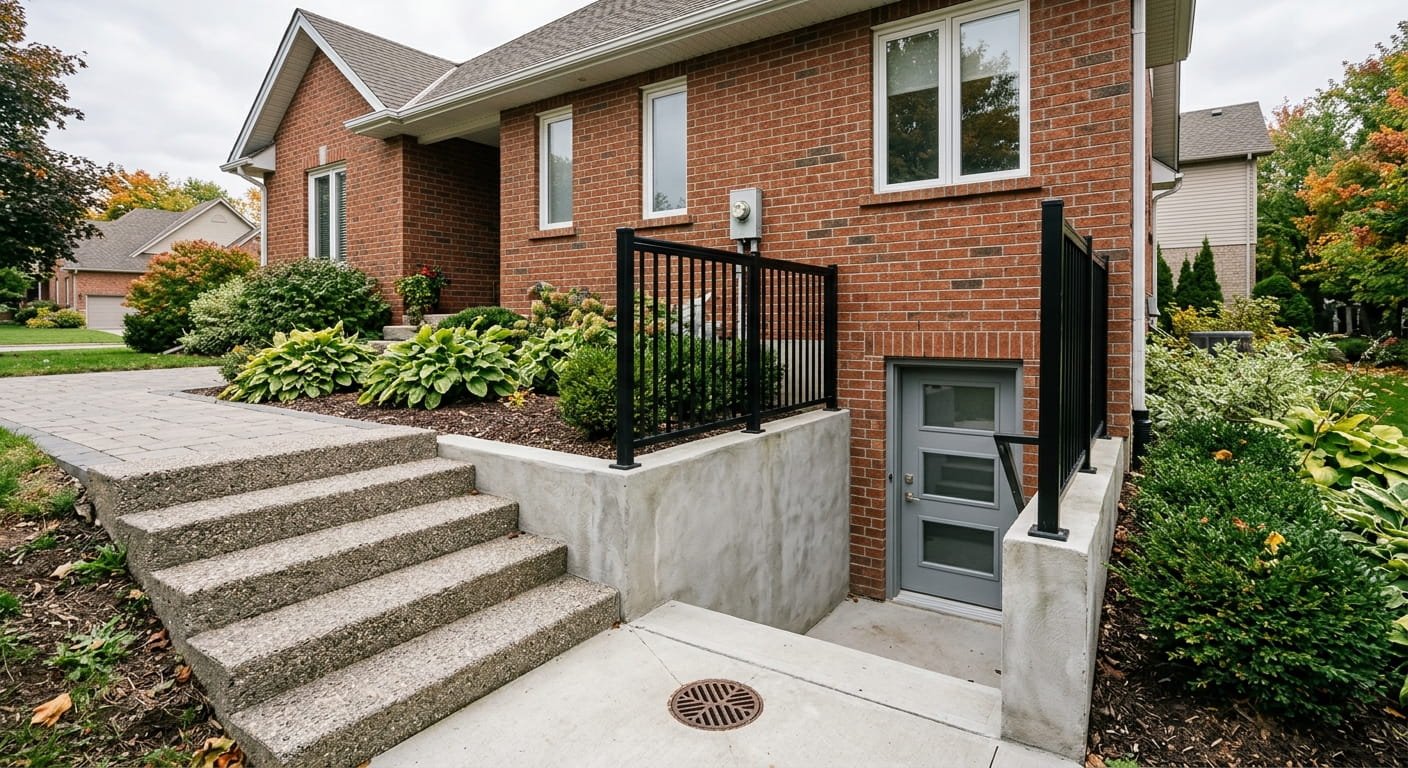
Suite additions include internal secondary suites such as finished basement apartments allowing homeowners to increase living area within the existing building shell for a cost-effective approach.
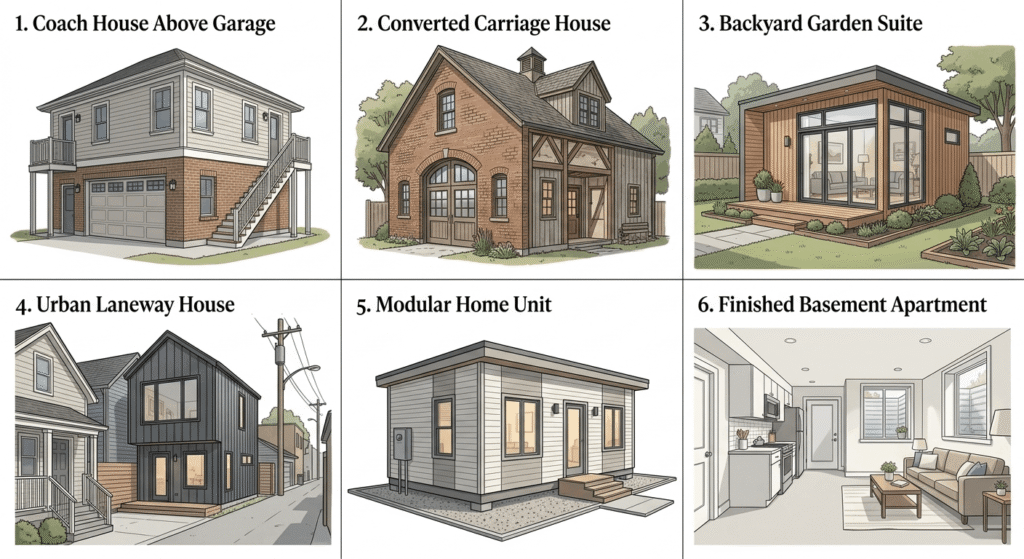
Choosing the right secondary suite depends on the property’s layout, local zoning laws, access, and budget. Each type supports distinct goals, whether maximizing privacy, creating rental income, or housing family members. With the growing demand for flexible living arrangements, these options adapt well to both city and suburban settings.
Accessory Dwelling Unit Customization and Future Value
Customization is a major benefit of accessory dwelling units. Owners can tailor these spaces for accessibility, energy efficiency, or smart-home integration. In Ontario’s competitive housing market, a well-designed ADU maximizes property value and future resale appeal while addressing the demand for sustainable living.
The Unexpected Perks of Building an Accessory Dwelling Unit
Building an accessory dwelling unit produces advantages that far exceed simply adding more space. These surprising benefits are attracting a growing number of Ontario homeowners:
Increased Property Value: Adding a secondary dwelling whether a garden suite, laneway house, or coach house can boost your property’s market value by as much as 30%. Recent studies and industry experts confirm that well-designed ADUs offer strong returns on investment, particularly in cities and neighborhoods with housing shortages.
Rental Income Potential: Renting out your accessory dwelling unit can generate between $1,500 and $3,000 per month, depending on size, features, and location within Ontario. This income stream is often used to offset mortgages or supplement retirement income, and can even help with the funding of future renovations.
Multigenerational Living: Accessory dwelling units make it feasible for families to accommodate aging parents, adult children, or caregivers onsite. ADUs offer privacy and independence for all generations while keeping loved ones close a crucial factor in family wellness and assistance.
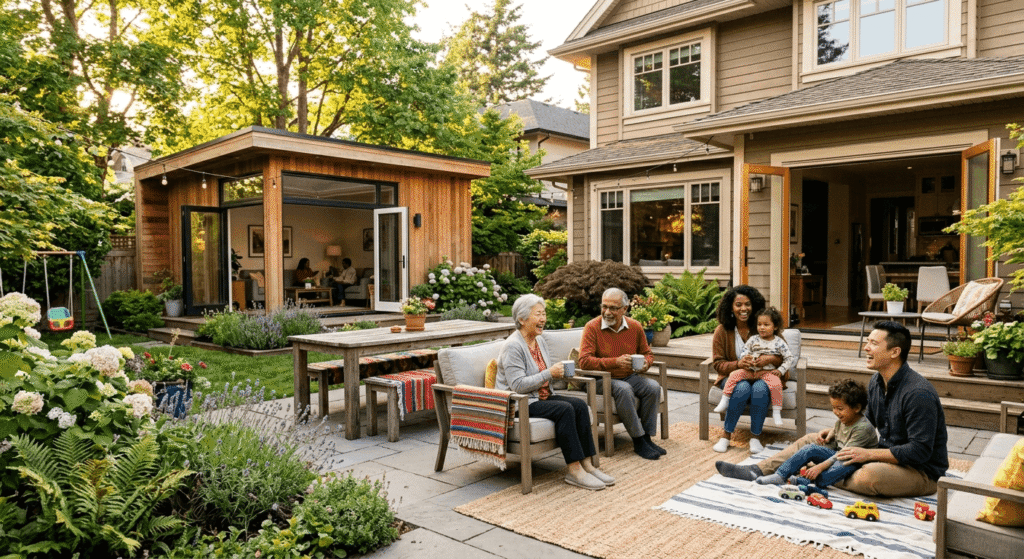
Home Office or Creative Studio: The transition to hybrid work makes dedicated space more valuable than ever. Accessory dwelling units are increasingly being converted to quiet home offices, creative studios, or guest houses to meet modern work-life needs.
Improved Lifestyle: Garden suites and other ADUs offer direct garden access, greater tranquility, and abundant natural light. Modern designs emphasize comfort, energy efficiency, and a sense of independence from the primary house, elevating day-to-day living experiences.
Aging in Place and Downsizing: Retirees often choose to move into their own accessory dwelling unit, renting or gifting the main home to family. This supports aging in place and preserves family assets.
Sustainability: New accessory dwelling units are frequently built according to the Net Zero Energy Homes standard, often including solar panels, efficient insulation, and green building materials. These features support a smaller environmental footprint and lower utility costs.
Many homeowners describe the addition of an accessory dwelling unit as transformative, creating freedom, privacy, and the ability to adapt to life’s changes or exploit new market opportunities.
Rental Income, Financing, and Ontario’s Housing Market
With the current demand for affordable housing, rental income potential provides incentive for both established and first-time homeowners. Notably, coach house rental income in Ontario has become a tool for wealth building. Those seeking advice on garden suite financing in Ontario can benefit from guidance on construction budgeting, mortgage options, and government grant eligibility.
How to Build an Accessory Dwelling Unit
Building an accessory dwelling unit in Ontario involves numerous steps each with regulatory, financial, and design considerations. The following step by step process helps streamline your project:
- Assess Feasibility and Zoning
Research local zoning laws to confirm your eligibility for an accessory dwelling unit. Municipal online portals, such as Toronto’s Garden Suites Resources, are vital for checking lot size, setbacks, and legal restrictions. - Develop Your Design
Partner with architects or designers familiar with ADU projects. Factor in accessibility, privacy, sunlight, and green features while considering how a garden suite, laneway house, modular home, or coach house will fit your property. - Budgeting and Financing
Anticipate costs averaging between $150 and $600 per square foot, including construction, architectural services, utilities, and permit fees. Explore financing solutions, such as home equity loans, lines of credit, or planning and financial guidance from trusted advisors. - Prepare Building Plans and Apply
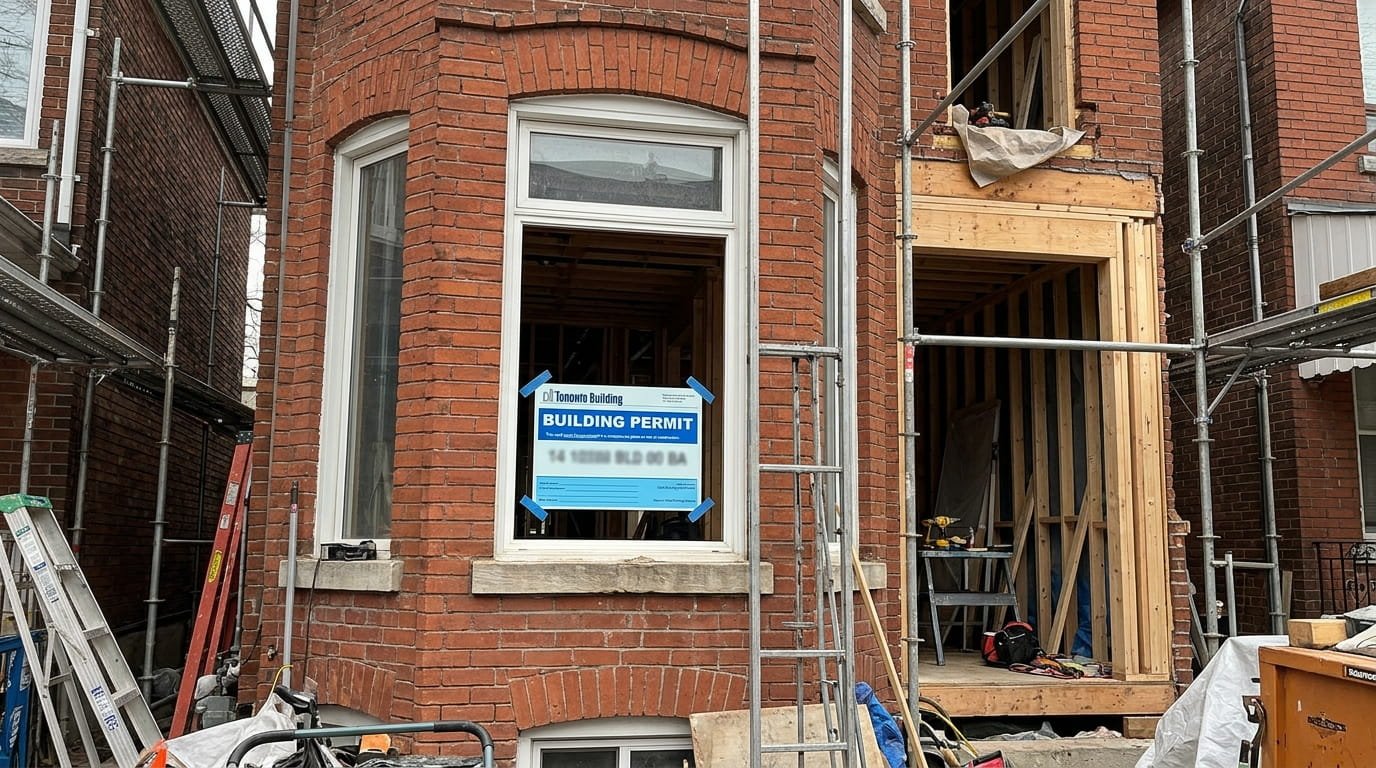
Hire licensed professionals to draft site plans and detailed blueprints for the accessory dwelling unit. Submit a complete building permit application to your municipality, along with the required documentation and fees. - Obtain the Building Permit
Municipal authorities review applications for compliance with zoning laws, Ontario’s Building Code, and local safety standards. Permit approval times vary, so start the process early. - Construction and Inspections
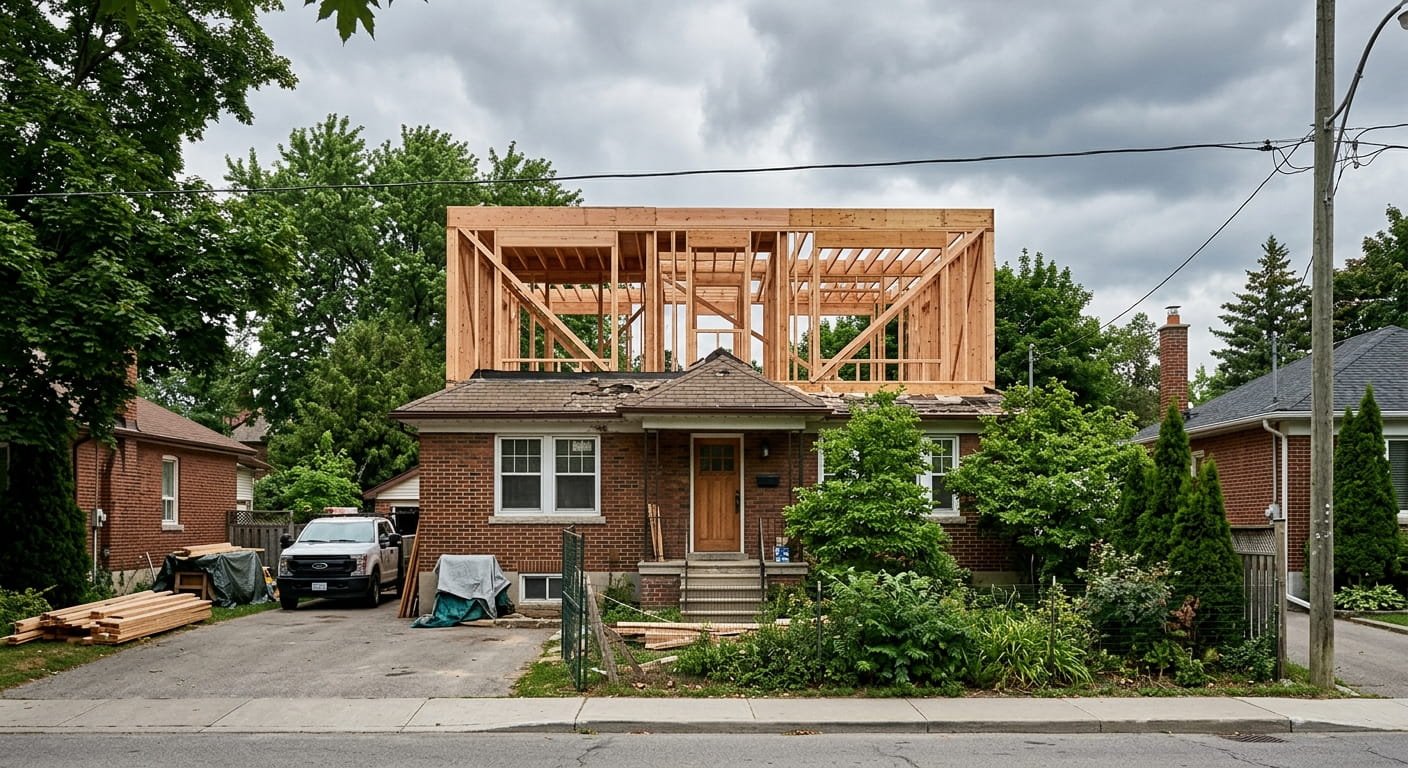
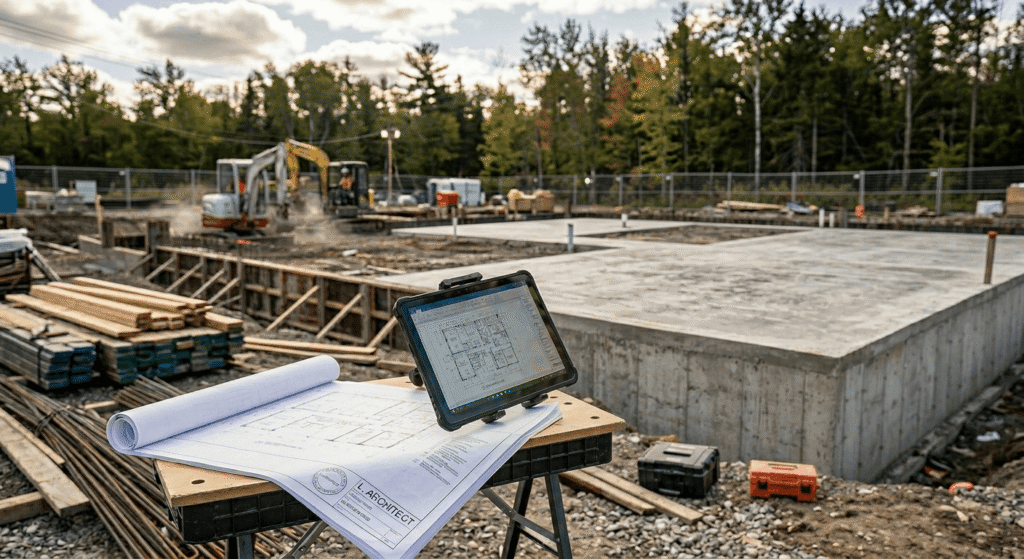
Work with experienced builders to construct your ADU, choosing either a custom built or modular home as suits your needs. Schedule required inspections for critical phases such as foundation work, framing, utilities, and final occupancy according to regulatory mandates. - Receive Final Approval and Occupancy
Once inspections are passed, obtain formal occupancy approval. At this point, your accessory dwelling unit is ready for tenancy or family use.
Throughout the build, collaborate with professionals who have robust local experience and a strong track record, such as those recognized on the Our Approach and Projects pages.
Working With Local Experts to Streamline the Process
Local expertise is essential to navigate municipal planning requirements, submission paperwork, and custom home integration. Partnering with Ontario-based specialists ensures on-time delivery, regulatory compliance, and innovative design that stands out in the housing market.
Understanding Zoning Laws and Building Permits in Ontario
Zoning laws and obtaining a building permit are make or break requirements when adding an accessory dwelling unit anywhere in Ontario.
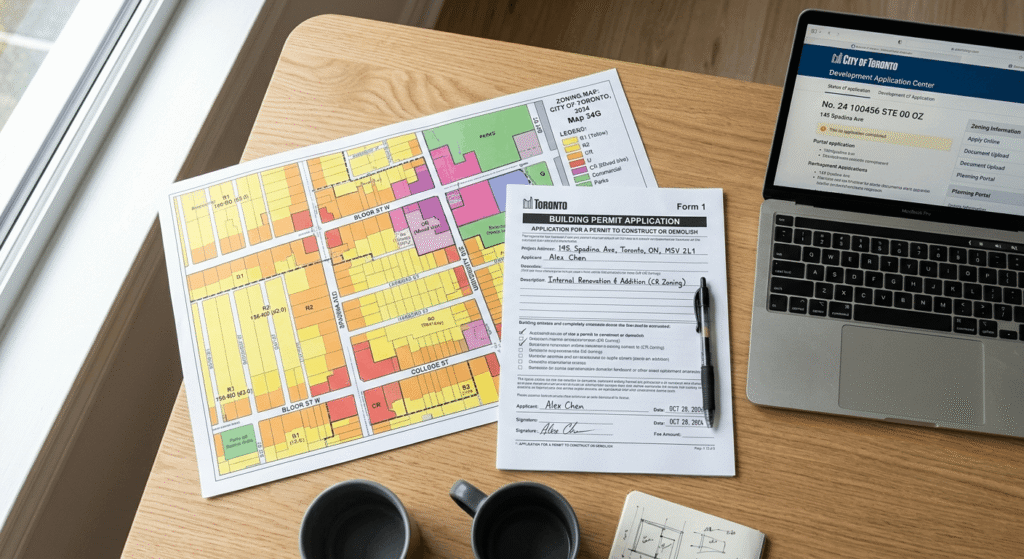
Each municipality enforces distinct zoning bylaws, which outline what types of secondary suites are allowed, minimum and maximum unit sizes, lot setbacks, allowed heights, parking rules, and access requirements. For example, garden suites and laneway houses may each have different minimum lot dimensions and set-backs, as well as varying parking or landscaping rules. Understanding these regulations is crucial for a smooth construction process.
Applying for a building permit requires detailed site plans, floor drawings, and construction documents, which confirm that your project will comply with Ontario’s Building Code. Inspections are mandatory at key milestones to ensure health, safety, and energy efficiency standards are met.
Regulatory changes in 2025 and 2026 particularly in cities such as Toronto have eased certain restrictions, simplifying the process for accessory dwelling unit approval and supporting the province’s push for more housing. Online resources from the Government of Ontario and City of Toronto provide up to date permit forms and zoning maps.
Best practices for success include starting your permit applications as early as possible to avoid project delays, maintaining comprehensive records of all approved drawings, and engaging your city’s planning and building staff to confirm every requirement.
Zoning Changes for Secondary Suites in Ontario
Recent zoning changes across Ontario are specifically designed to stimulate housing availability by encouraging the development of secondary suites. Homeowners should monitor provincial announcements and review their local zoning bylaw updates regularly, as these changes can impact set-back requirements, allowed uses, and suite sizes. Consult your city’s policies and standards page for local details.
Garden Suite vs. Other Secondary Units
Here’s how garden suites compare to other types of secondary suites and accessory dwelling units, based on features Ontario homeowners care about:
| Unit Type | Typical Cost per sq. ft. | Privacy Level | Typical Size | Permit Complexity | Main Pros |
|---|---|---|---|---|---|
| Garden Suite | $200–$600+ | High | 400–1,500 sq. ft. | Moderate–High | Backyard privacy, flexibility |
| Secondary Suite | $150–$400+ | Medium | 300–1,200 sq. ft. | Low–Moderate | Affordable, integrated |
| Coach House | $200–$600+ | High | 400–1,400 sq. ft. | Moderate–High | Historic charm, privacy |
| Carriage House | $200–$600+ | High | 400–1,200 sq. ft. | Moderate | Character, separation |
| Laneway House | $200–$600+ | High | 350–1,200 sq. ft. | Moderate–High | Urban placement, access |
| Modular Home | $150–$500+ | Variable | 350–1,200 sq. ft. | Moderate | Quick build, efficiency |
Garden suites often strike the best balance between privacy, flexibility, and interaction with the outdoors. While they can have higher costs than basement suites or suite additions, the value they add to your property and quality of life is substantial. Modular homes, as accessory dwelling units, can expedite builds, while coach and carriage houses are favored for their unique historical or architectural features.
Impact on the Housing Market and Community
Accessory dwelling units are reshaping Ontario’s housing market by providing practical solutions to pressing challenges.
Expanding Housing Supply: Accessory dwelling units, such as garden suites and laneway houses, are key to the province’s aim of adding 1.5 million homes by 2032. Because they add “gentle density” without altering neighborhood character, these solutions foster broader acceptance among community members and local governments.
Increasing Housing Affordability: Secondary suites produce affordable rental options for students, seniors, and young families. Market rents typically range from $1,500 to $3,000 per month under the cost of many urban apartments.
Boosting Property Value: Homeowners unlock latent value in their land through smart development, often with flexible uses from rentals to multigenerational living.
Sustaining Urban Growth: Modern ADUs especially those incorporating green features help cities contain urban sprawl, reduce commute times, and contribute to lower community-wide emissions in line with Ontario’s climate goals.
Strengthening Communities: Accessory dwelling units support multigenerational living, foster social bonds, and enhance neighborhood stability by dispersing rental housing across communities.
Ontario’s evolving regulatory climate, including supportive zoning laws and updated permitting processes, positions accessory dwelling units as a leading community solution for sustainable growth and social resilience.
If you want real world inspiration, view completed Projects or follow Blogs for homeowner stories and industry trends.
Common Mistakes When Building an Accessory Dwelling Unit
Building an accessory dwelling unit in Ontario involves attention to detail and regulatory compliance. Avoid these common mistakes:
- Ignoring Zoning Restrictions: Never assume every property is eligible. Thoroughly check municipal zoning laws before hiring a designer or purchasing plans. Failure to do so can result in substantial delays or wasted investments.
- Underestimating True Costs: Many homeowners neglect to factor in site preparation, upgraded utilities, or custom design finishes, leading to budget overruns.
- Inadequate Design Planning: Generic or poorly thought-out design choices can produce solutions that lack privacy, efficiency, or accessibility, ultimately impacting rental and resale value.
- Skipping the Building Permit: Building without a valid permit is a serious violation, potentially resulting in fines, legal problems, or even demolitions. Always secure the necessary permits before breaking ground.
- Neglecting Sustainability: Overlooking energy-efficient construction inflates long-term costs and can make the unit less attractive to tenants. Professionals with experience in sustainable construction practices should be engaged to achieve optimal utility savings.
- Choosing Inexperienced Builders: A builder with proven projects is less likely to encounter regulatory snags or schedule overruns than someone new to accessory dwelling units.
A successful project depends on partnering with reliable professionals, diligent zoning research, and realistic budgeting, ensuring your ADU elevates both quality of life and property value.
Suite Addition and ADU Integration
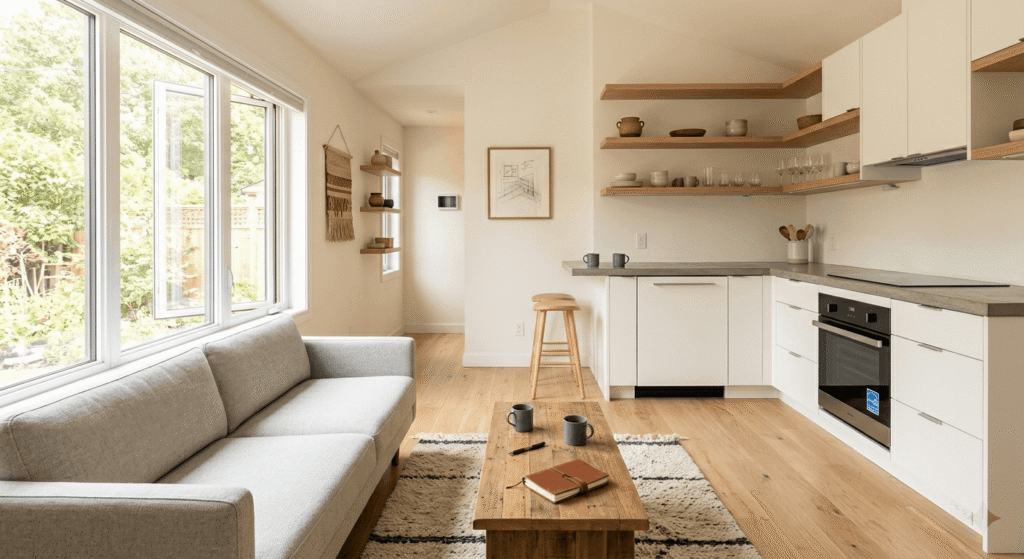
Where backyard or laneway builds aren’t feasible, a suite addition like an internal secondary suite in a basement may offer a practical and affordable path to expanding your property’s useful space under Ontario’s building code framework.
Frequently Asked Questions
1. Do I need a building permit for an accessory dwelling unit in Ontario?
Yes, a building permit is required by municipalities throughout Ontario before you can construct or modify an accessory dwelling unit such as a garden suite, laneway house, or coach house. The process involves submitting site and architectural plans, and ensures your project meets health, safety, and zoning laws under current provincial policy.
2. How do zoning laws affect my eligibility to build an accessory dwelling unit?
Zoning laws set municipal standards regarding which properties can have accessory dwelling units. They regulate the location, size, allowed uses, and necessary setbacks for ADUs. Not every property qualifies, so verify eligibility and required procedures with your local planning department to avoid costly errors or delays.
3. What is the difference between a garden suite and a laneway house?
Both are accessory dwelling units on the same property as a detached home, but a garden suite is typically a freestanding building integrated into the backyard,while a laneway house fronts onto a rear laneway and is mostly found on urban lots with lane access. Design, dimensions, and permit steps can differ by municipality.
4. Can I use an accessory dwelling unit as a rental property?
Yes, accessory dwelling units are legal for rental use across most Ontario municipalities once they meet building code and zoning requirements. Renting an ADU can be a stable income source. Short-term rentals or licensing can be regulated or limited in some cities, so review local policies before leasing.
5. How much does it cost to build an accessory dwelling unit?
Construction costs in Ontario for accessory dwelling units typically range from $150 to $600 or more per square foot, depending on location, size, design, upgrades, and municipal fees. Costs are shaped by factors such as efficiency enhancements, custom work, permit applications, and the expense of connecting utilities.
Conclusion
Building an accessory dwelling unit in Ontario delivers measurable value, rental opportunities, and modern lifestyle advantages. With supportive zoning laws, simpler permitting, and reliable services, the accessory dwelling unit is becoming a practical, future-proof option for Ontario homeowners. By taking advantage of updated regulations and the experienced Leedway Group, you can transform your property and support the evolving needs of your family and the community.