

Quick answer: Before buying vacant land in Ontario, ask the local planning office whether your proposed home is permitted on the specific parcel. Then confirm legal road access, water and wastewater options, and the cost of preparing the site. Have an Ontario real estate lawyer review the title and any offer conditions before you commit.
A vacant lot can look ideal from the road and still leave little room for a house. A drainage easement might cross the best building spot, or a rural lot might need enough space for both a well and a septic system. If you plan to buy land in Ontario, check how the property will accommodate your home before comparing it with other listings. Leedway Group is based in Mississauga and serves the Greater Toronto Area.
What is vacant land in Ontario?
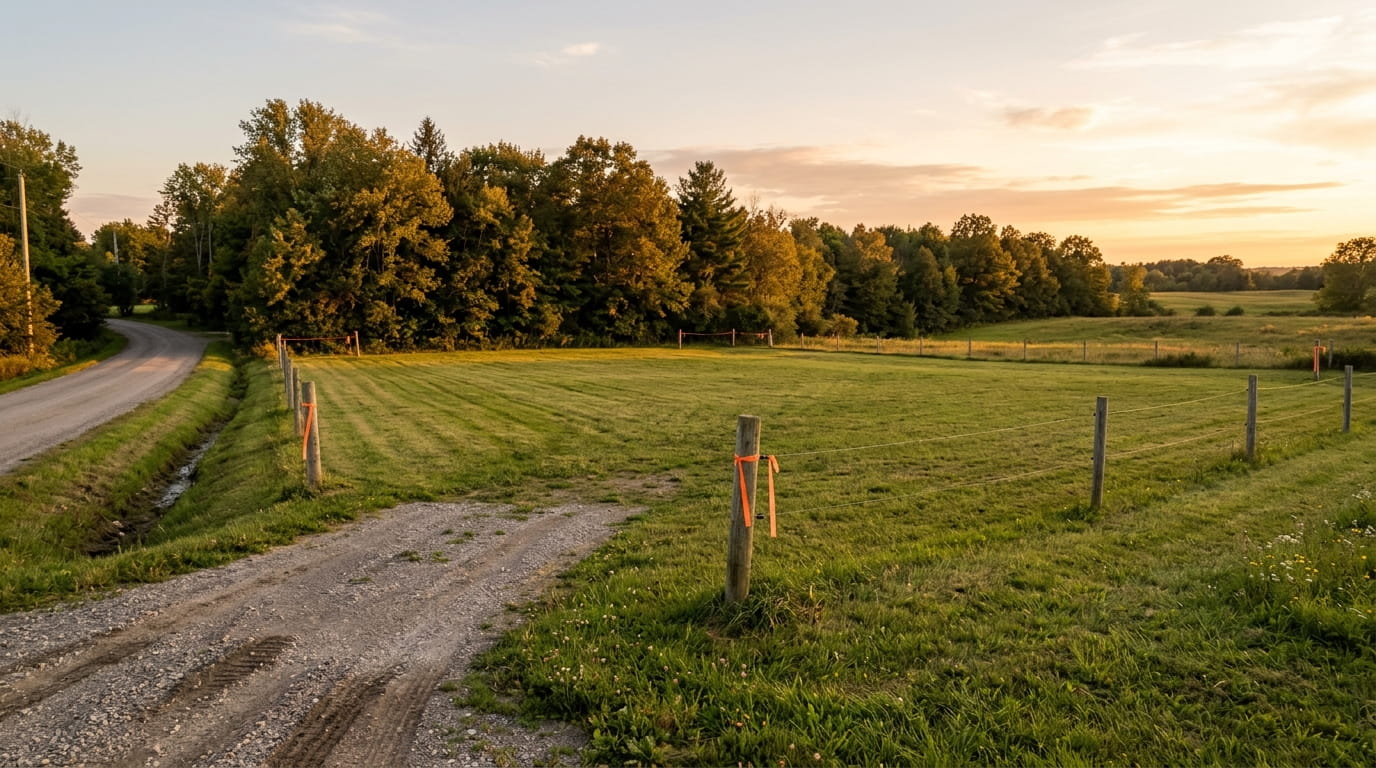
Vacant land is property without an existing home. It can be an infill lot between houses, a rural parcel without municipal services, or acreage with only a small area suitable for construction. For a homebuyer, the useful measurement is the space available for the house and its supporting features after accounting for setbacks, easements, access, and servicing.
How do you know if you can build on vacant land in Ontario?
Start with the property’s legal description or Property Identification Number (PIN), especially if the lot has no street address. Give it to the local planning office along with a rough description of the house you want. Ask about the proposed use, the area available for construction, and any approvals you would need.
Check the zoning bylaw against your proposed home
Ask the municipality for the zoning designation and any site-specific exceptions. Then check the permitted uses, minimum lot frontage and area, setbacks from property lines, maximum building height, and lot coverage. If you want a detached garage or a secondary suite, include it in the conversation. Those features can affect how much room you need and where you can build. Ontario’s guide to zoning bylaws
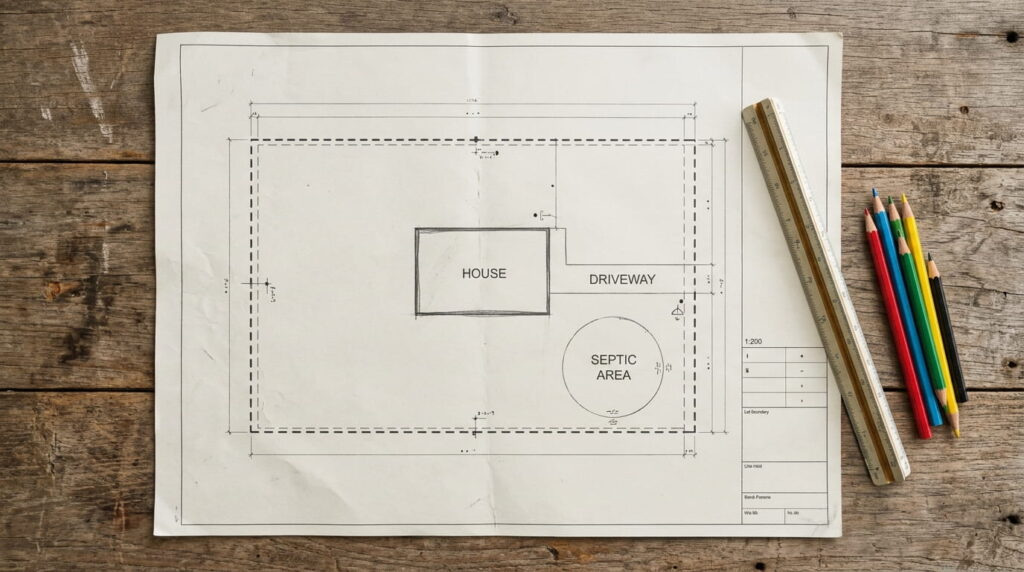
Sketch the house and driveway on a survey or parcel plan. This helps you see whether the layout works before paying for detailed drawings. If the house exceeds a zoning standard, ask whether revising the design could solve the issue or whether you would need a minor variance or zoning amendment.
Verify the boundaries and road access
Ask for an existing survey and have a real estate lawyer review the parcel register and relevant registered documents. Easements and rights-of-way can affect where you place a house, driveway, or services. If a private road serves the property, ask who maintains it and whether the title documents give the parcel the access you need. Ontario Land Registry
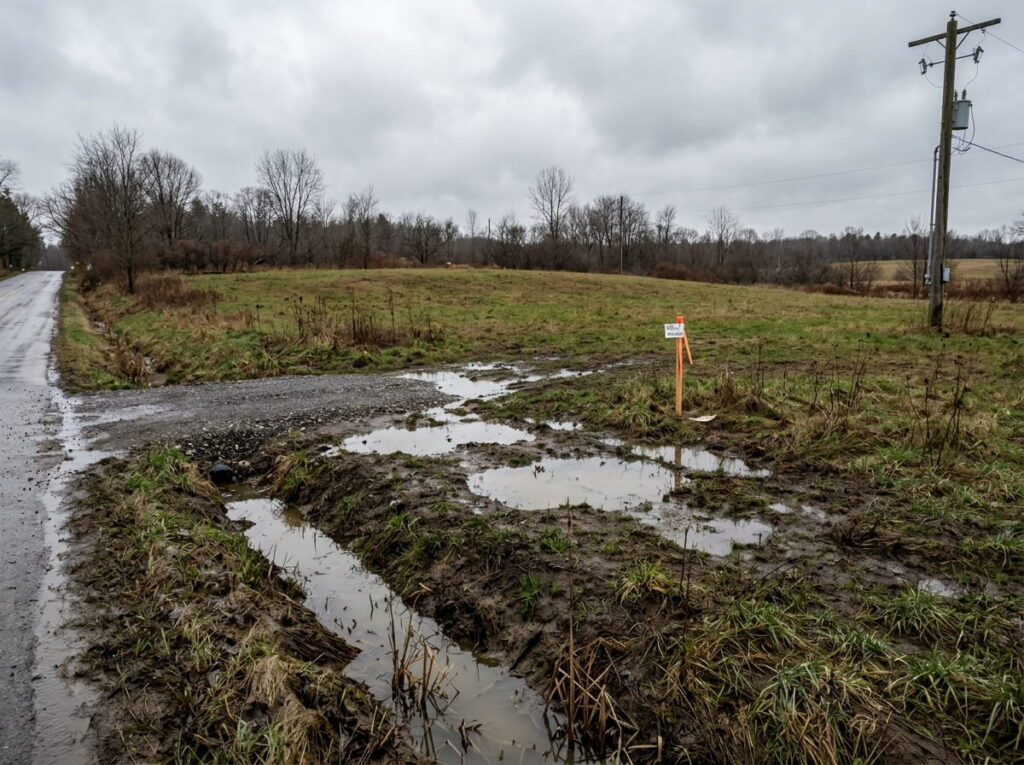
Check driveway access separately. Even if the lot fronts a public road, ask the road authority where a driveway entrance can go and whether it needs approval. A ditch, slope, or limited visibility can change the entrance location and the route to your house.
Check how land grading affects the building area
A sloping lot may require excavation, retaining walls, or a foundation designed for changing elevations. Walk the property after rainfall if you can. Look for standing water, runoff paths, and low spots near the proposed driveway. Ask what land grading or drainage plans the municipality requires and whether a conservation authority permit may apply to work near a wetland, watercourse, or regulated hazard area. Ontario’s conservation authority permit guidance
How do you purchase land in Ontario for a custom home?
To purchase land in Ontario for a custom home, estimate the total cost of getting the lot ready to build, confirm how you’ll finance the purchase and construction, and allow time to investigate the property before closing. The offer stage is when your lawyer can help you turn unanswered questions into specific conditions and deadlines.
Price the land development work before making an offer
Ask the municipality where water and sewer connections are located and what it would take to connect the lot. If municipal services are unavailable, ask qualified professionals to assess well and septic feasibility. Sketch the proposed house, driveway, well, and septic area together so you can see whether they fit on the same lot. Get a separate estimate for bringing electricity to the proposed house location.
Build a budget that includes the land price, legal fees, applicable land transfer tax, survey work, design, permits, and site preparation. Allow for unknowns such as rock excavation or unsuitable soil if the property gives you reason to expect them. A preliminary site layout can help your builder estimate quantities and identify work that still needs a specialist’s quote. Leedway Group’s design-build services
Set offer conditions and plan for the building permit
Speak with a lender before you make an offer. Ask how it would finance the lot purchase, how much cash you’ll need at closing, and how construction funds would be released. Have your lawyer check the tax treatment of the purchase and explain how any construction agreement tied to the lot could affect it. Ontario’s land transfer tax guidance
Ask your lawyer about conditions for financing, title and access review, and confirming that your intended home and services are feasible. Give yourself enough time to get answers from the municipality and any specialists you need. Once you’re ready to apply for a building permit, ask the municipality for its submission checklist so your design team can prepare the required drawings and supporting documents. Ontario’s guide to building permits
Frequently asked questions
1. Can I buy vacant land in Ontario and build later?
You can purchase a vacant lot and plan construction for a later date. Before signing, have your lawyer review the purchase documents for any deadlines or building obligations. Budget for property taxes and any financing or maintenance costs while you hold the land, and recheck local requirements when you’re ready to design.
2. What should I ask the municipality before buying a lot?
Give the planning office the parcel identifier and a short description of your project. Start with four questions that can affect whether the purchase makes sense.
- Is a detached home permitted on this parcel?
- What setbacks, frontage, and lot coverage rules apply?
- Can the lot connect to municipal water and sewer?
- What additional approvals might the site need?
3. Can I build on a lot without municipal water or sewer?
A private well and septic system may make construction possible if the property can accommodate them and meet applicable requirements. Have qualified professionals assess the proposed locations early. The house, driveway, well, and septic system all compete for space, particularly on a narrow lot or a parcel with steep terrain.
4. Can I start land grading before I get a building permit?
Check with the municipality before moving soil. Grading, excavation, or fill may require separate permission under local rules, and a conservation authority permit may also apply in regulated areas. Share a sketch of the proposed work so staff can tell you which approvals apply and when that work can begin.
5. How much cash do I need to buy vacant land in Ontario?
Ask your lender for a cash-to-close estimate for the specific lot and your lawyer for a closing cost estimate. Keep a separate allowance for pre-construction work such as a survey, design, and site assessments. Ask when construction financing becomes available so you can plan for costs that come due before the first draw.
Conclusion
When you buy vacant land in Ontario, evaluate the lot with your proposed home in mind. Confirm where the house can sit, how you’ll reach it from the road, and how water, wastewater, and electricity will serve it. Price the work needed to get the lot ready before deciding how much you can offer.
Ready to discuss your project?
Book a free consultation with Leedway Group to discuss your property and project.