

Quick Answer Box: When comparing a garden suite vs basement apartment in Ontario, basement apartments are generally more affordable and quicker to construct. Garden suites require a higher upfront investment but often deliver greater rental income and add more resale value. The ideal choice depends on property eligibility, investment strategy, and regional bylaws.
What is the Difference Between a Garden Suite and a Basement Apartment?
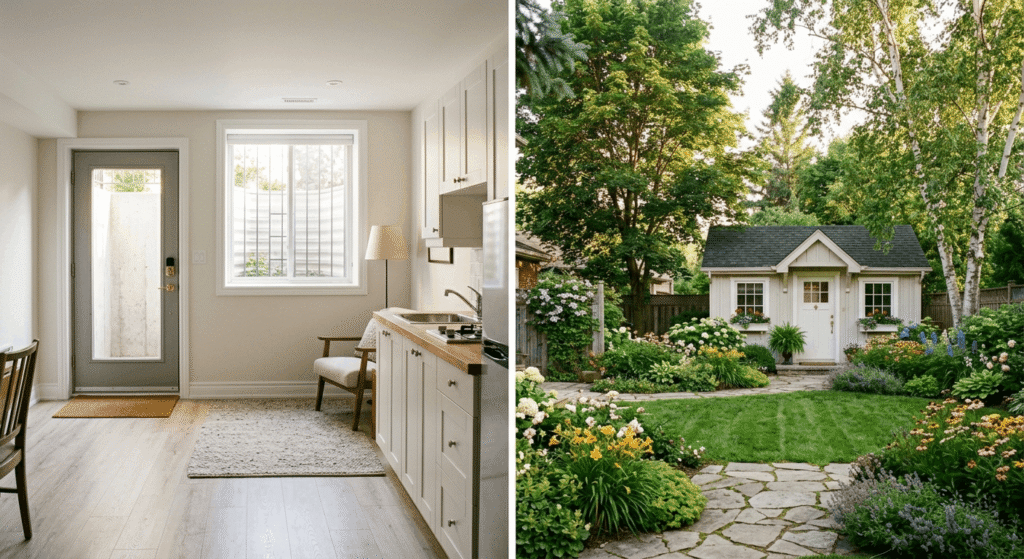
The term garden suite vs basement apartment in Ontario refers to two types of income suites permitted for residential properties, each with unique characteristics and legal requirements. A garden suite, often known as a backyard home or detached accessory dwelling unit, is a separate, self-contained structure built in the yard behind or beside the main house. In contrast, a basement apartment is a fully independent living space created within the basement of an existing home.
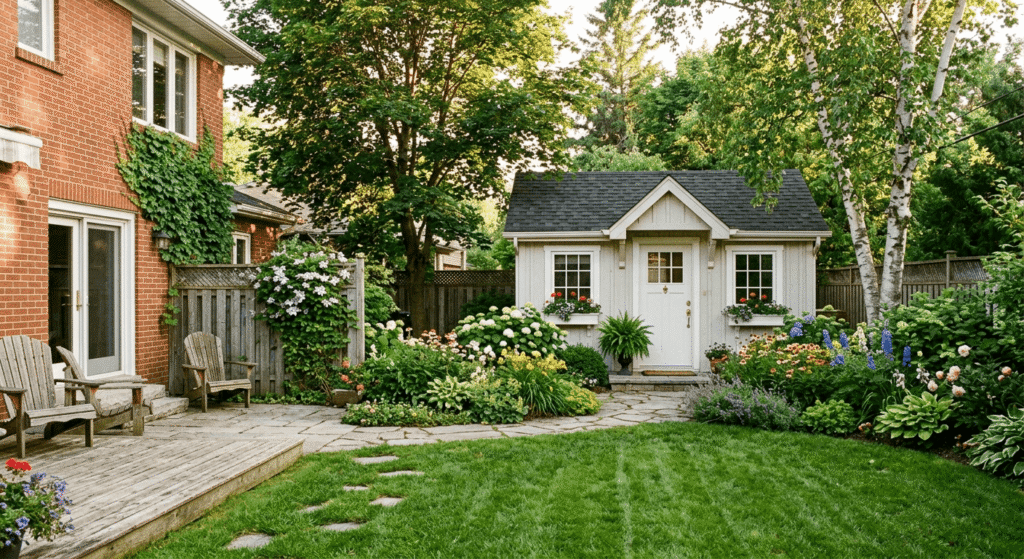
A garden suite functions independently and does not share walls with the primary house. These suites provide private access, a complete kitchen and bathroom, and often have separate utility metering. Their detached design offers enhanced privacy and flexibility for tenants or family members.
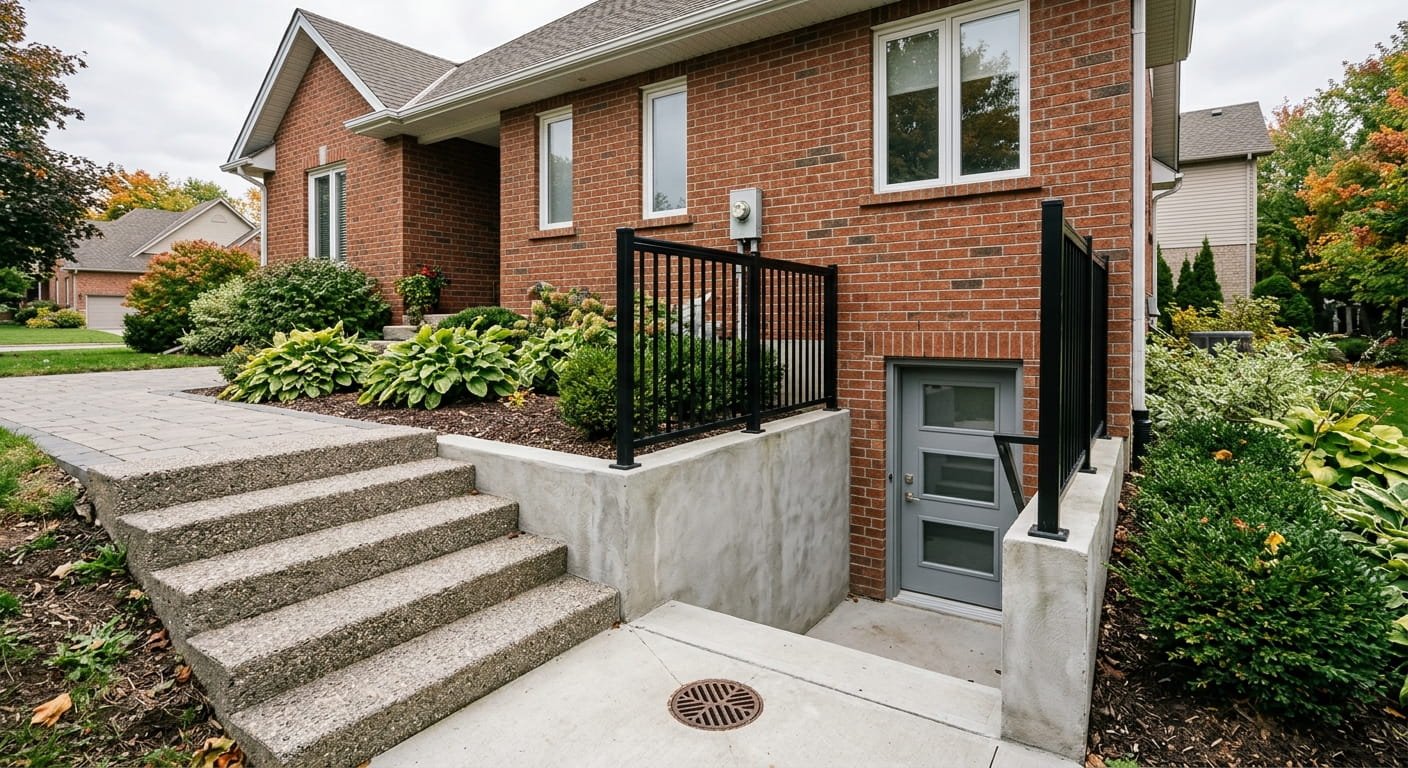
A basement apartment is housed within the main home’s basement, incorporating a dedicated entrance (either separate or through a shared but properly fire-rated corridor), kitchen, bathroom, and living area. These units make efficient use of existing space and infrastructure but may be limited by the layout or height of the foundation.
Both types of secondary suites must adhere to the Ontario Building Code and meet municipal requirements to be classified as legal. The legal basement meaning in Ontario specifically applies to basement suites that comply with all safety, egress, and building standards, ensuring they are officially recognized as legal suites under city bylaws.
Defining Garden Suites and Basement Apartments in Ontario
A garden suite ontario is a secondary, detached residential unit situated on the same property as a primary residence. A basement apartment ontario refers to a self-contained, code-compliant rental unit constructed within the basement of a home. Both structures serve as income suites, increasing housing supply and providing rental income for property owners.
Garden Suite Ontario: Features, Costs, and Regulations
A garden suite in Ontario is a fully independent dwelling, built as a separate structure on the same residential lot as the main house. Major municipalities, following Bill 23—the More Homes Built Faster Act—now permit up to three residential units per lot, making this option increasingly accessible for homeowners looking to maximize property value and rental income.
Key Features of Garden Suites:
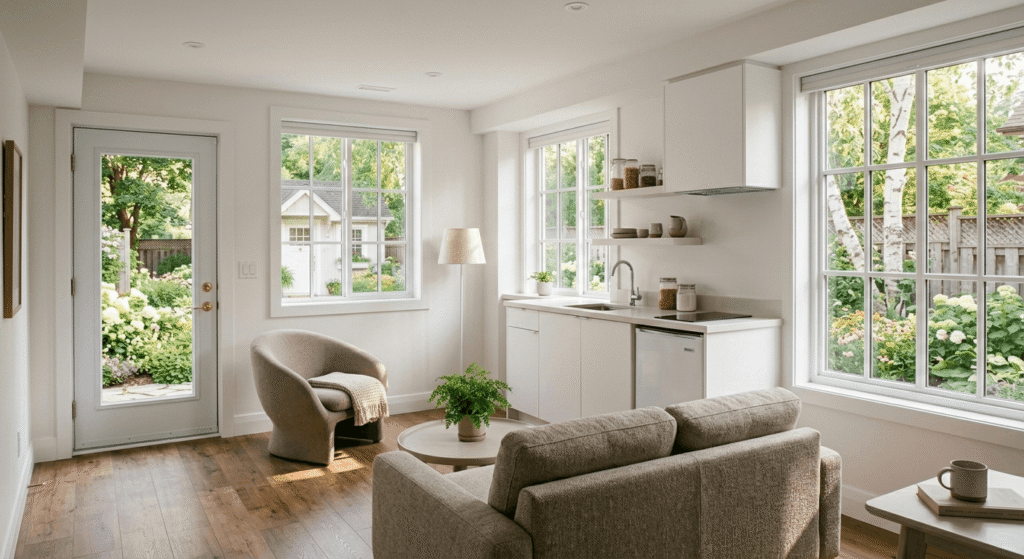
Garden suites provide tenants with private, ground-level living space, separate from the main dwelling. They are especially attractive to families, professionals, and aging relatives due to their autonomy and accessibility. Modern designs feature open layouts, ergonomic kitchens, and barrier-free entryways tailored for comfortable long-term living.
Garden Suite Cost in Ontario:
Construction costs fluctuate based on region, design complexity, and servicing needs. In the Greater Toronto Area and comparable urban markets, building a garden suite typically costs between $250,000 and $400,000 for a quality, fully finished unit. In areas such as Niagara, where programs like the Housing Accelerator Fund (HAF) offer subsidies, entry-level garden suite cost may start at $80,000 but rise quickly in the absence of financial incentives. High-end builds can approach $250–$300 per square foot, particularly when incorporating energy-efficient, net-zero, or accessible design features.
Regulatory Considerations and Requirements:
Zoning, Permits, and Services
Not every lot qualifies for a garden suite. Municipal zoning by-laws dictate minimum lot size, side and rear yard setbacks, and adequate service connections. Most municipalities require municipal water and sewer connections, while properties with private wells or septic systems face extra scrutiny.
The application process involves the submission of comprehensive site plans, grading and drainage drawings, and compliance with the Ontario Building Code. Professional plans are needed to demonstrate how the suite will meet fire safety, accessibility, and infrastructure standards. With the passage of Bill 23, development charges for up to two additional residential units on a lot have been waived or substantially reduced in most regions, lowering entry barriers for property owners.
Design for accessibility is increasingly emphasized; single-story, stair-free layouts and wide doorways are common, catering to aging-in-place and multi-generational living scenarios.
Build Timeline and Preparation
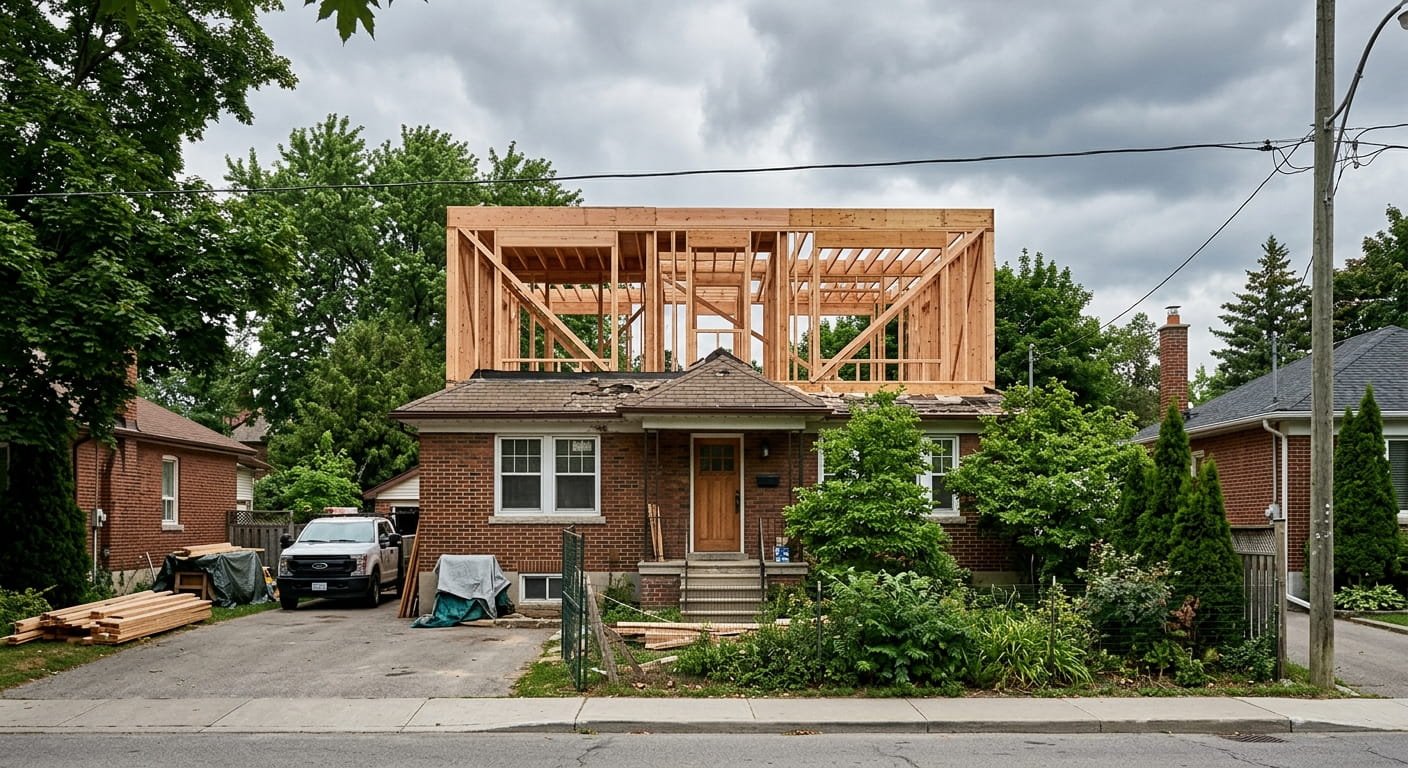
Expect a project duration of 6–10 months, including design, permitting, and construction. Yard disruption is significant, though the main house remains largely unaffected during the build.
Starting the Garden Suite Process
- Check Zoning and Lot Eligibility: Consult municipal planning offices or professional advisors to confirm your property’s suitability.
- Engage Professionals: Architectural designers, builders, and planners will develop code-compliant plans.
- Submit for Permits: Apply to the city or town building department and adjust plans as required.
- Construction: Oversee project milestones to maintain code compliance and quality standards.
Adding a garden suite ontario offers a pathway to higher rental yields and can significantly enhance the long-term value of your property, especially if marketed to tenants seeking privacy or accessible housing.
Basement Apartment Ontario: Features, Costs, and Legal Requirements
A basement apartment ontario is a self-contained residential unit, fully equipped and located within the lower level of a home. These basement suites represent a primary form of affordable housing expansion in dense urban centers like Toronto, Hamilton, and Niagara.
Core Features of Basement Suites
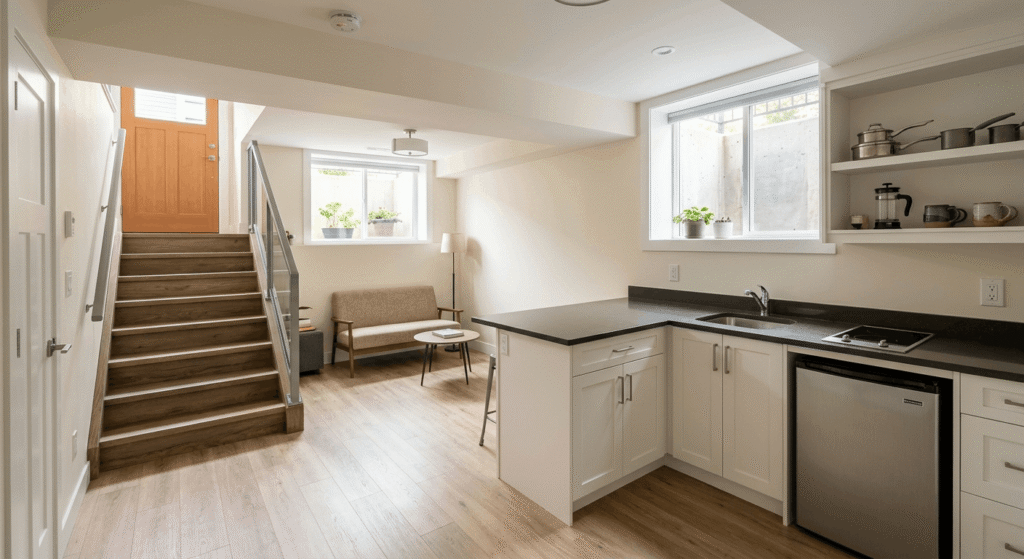
Basement apartments leverage existing building infrastructure and foundation. They may offer a dedicated entrance, full kitchen and bathroom, and well-separated living and sleeping spaces. Basement suites can be attractive due to their affordability for tenants, and they appeal to a broad range of markets, from students to young professionals and small families.
Basement Apartment Cost Breakdown
Legalizing or building a basement apartment ranges from $80,000 to $150,000 in the GTA, with costs varying by the scope of renovation and code compliance. While basic conversions could start as low as $20,000, most owners will face higher expenses to meet the necessary fire separations, egress, and modern utility requirements. Construction timelines are typically faster than for detached suites—usually between 2 and 4 months.
Basement Apartment Requirements Ontario
Legal Suite Standards
A legal basement apartment must satisfy Ontario Building Code standards, including:
- Ceiling Height: Most code-compliant units require a minimum ceiling of 1.95m (7’11”), though exceptions exist for older homes.
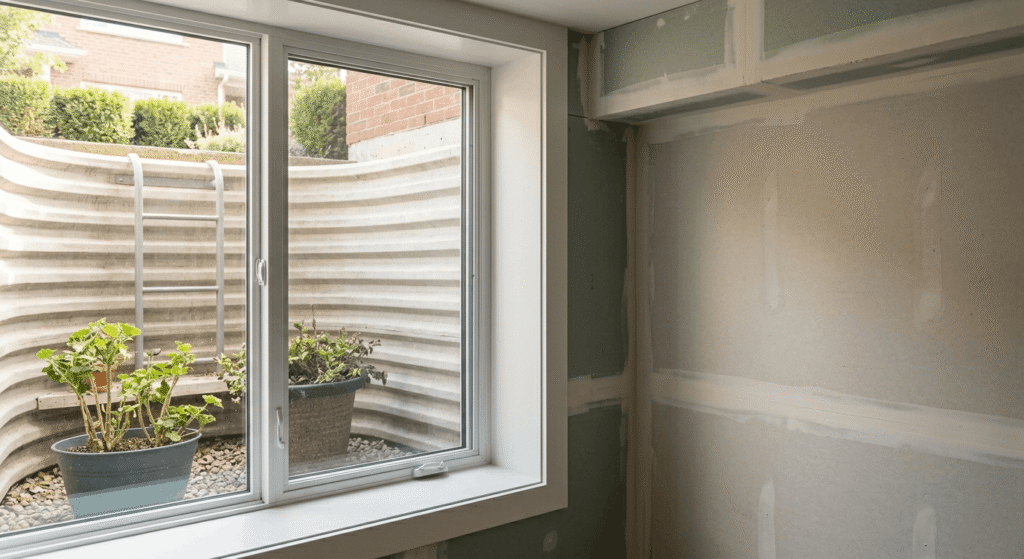
- Egress: Each suite must include a code-sized egress window or walkout door for emergency exit.
- Fire Separation: Walls and ceilings must be fire-rated to separate the suite from the main residence.
- Smoke and CO Alarms: Devices must be interconnected and monitored throughout both units.
- Separate Entrance: Must be accessible and designed in accordance with fire safety rules.
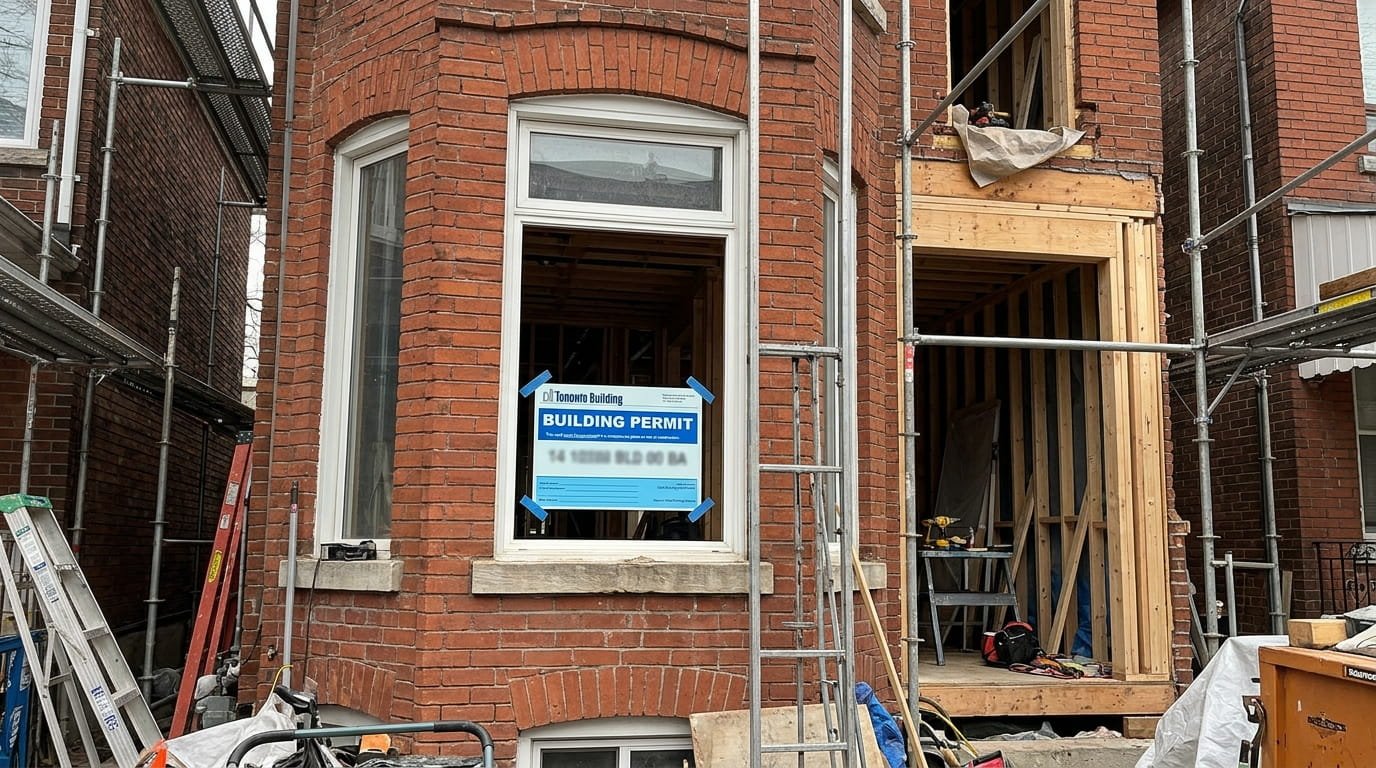
- Permits and Inspections: All new or retrofitted units must be inspected and approved before occupancy.
Failing to meet these standards can result in the suite being classified as an illegal basement apartment, exposing homeowners to substantial legal and insurance liabilities. Learn more about what constitutes a legal suite by reviewing reputable government resources on secondary units.
The Legal Suite Process
- Evaluate Suitability: Verify that your basement meets structural and code requirements.
- Design Professional Plans: Hire experts to draw layouts featuring fire separation, egress, and all utilities.
- Apply for Permits: Submit detailed plans to city officials and adapt to any requests for clarification or modification.
- Complete Construction and Inspections: Only approved units can be marketed as legal basement apartments.
Basement suites are a trusted and relatively straightforward way to add an income suite and begin earning rent in a short time frame.
Suite vs Apartment: Which Offers Better ROI and Rental Income?
Evaluating suite vs apartment from an investor’s perspective means weighing upfront costs, rental yields, and long-term property appreciation.
Basement Apartments
A basement apartment typically represents the most affordable route to creating a legal suite in Ontario. They require an initial investment ranging from $80,000 to $150,000 and can be operational in under four months. Rents for well-finished units run between $1,500 and $2,200 per month, catering primarily to students, single tenants, or cost-sensitive renters. Thanks to low construction costs and consistent demand, return on investment usually occurs sooner, making basement apartments a favored choice for cashflow-focused investors. At resale, a legal basement apartment increases property value, with buyers drawn by proven supplemental income.
Garden Suites
Garden suites cost more to construct—standard budgets range from $250,000 to $400,000, although special initiatives in areas like Niagara may lower the garden suite cost when grants are available. However, garden suites command 30–40% higher rents, usually $2,000–$3,500 per month, owing to their privacy and appeal to multi-generational families and professionals. The higher initial spend means ROI occurs more slowly, but these units drive greater property appreciation by adding detached, flexible living quarters to a property.
Rental Income and Asset Growth
Investment in a garden suite supports stronger price appreciation and attracts more stable, premium tenants—making them ideal for maximizing long-term value. By contrast, a basement apartment remains the quickest method to boost rental income and property liquidity. Homeowners can achieve the best suite vs apartment strategy by combining both units where zoning and lot configuration allow, leveraging Ontario’s flexibility for up to three residential units on a single property.
How to Build a Legal Income Suite in Ontario
Building either a garden suite or basement apartment in Ontario involves a series of regulated steps. Here’s a step-by-step overview to ensure compliance and optimize your investment.
- Assess Feasibility and Property Suitability
- For garden suites, confirm zoning, lot size, and servicing requirements with your municipality.
- For basements, check ceiling height, entrance possibilities, humidity, and foundations.
2. Develop Design and Construction Plans
- Engage a qualified designer or architect to create plans that fully meet code for fire safety, egress, accessibility, and service connections.
- Ensure your plans are tailored to future tenant needs, including accessibility or aging-in-place where appropriate.
3. Secure Permits and Approvals
- Submit professional drawings to your local building department.Garden suites often require additional site, grading, and drainage documentation. Be prompt in responding to municipal reviews and change requests.
4. Arrange Financing
- Budget for all expected costs, factoring in professional fees, HST, and updated development charges (most now waived under Bill 23).
- Explore financing via existing home equity, dedicated construction loans, or lines of credit.
5. Construction Phase
- Garden suites: Expect 6–10 months for new build, predominantly affecting the backyard area and landscape.
- Basement apartments: Plan for 2–4 months, with some disruption inside the home as crews complete demolition, retrofitting, and finishes.
6. Inspections and Compliance
- Arrange for all required city inspections (framing, plumbing, electrical, fire safety, occupancy).
- Verify all requirements for fire separations, alarms, privacy, and accessibility are met before advancing to the next stage.
7. Registration and Rental
- Register your income suite or apartment per municipal requirements.
- Market the completed unit, aiming for premium tenants in the case of garden suites and broad market accessibility for basement apartments.
Consulting with construction, planning, and financial advisors can streamline the entire process and help avoid common legal suite pitfalls. For tailored support, consider professional guidance and services from experienced builders.
Garden Suite vs Basement Apartment: Comparison Table
| Factor | Basement Apartment | Garden Suite |
|---|---|---|
| **Construction Cost** | $80,000–$150,000 | $250,000–$400,000 (as low as $80K in Niagara) |
| **Build Timeline** | 2–4 months | 6–10 months |
| **Typical Rent** | $1,500–$2,200/month | $2,000–$3,500/month (30–40% higher) |
| **Development Charges** | Waived/minimal under Bill 23 | Waived/minimal under Bill 23 |
| **Market Demand** | Broad tenant pool, strong demand | Appeals to families, professionals, privacy |
| **Privacy** | Walls/floors shared | Fully detached, private yard access |
| **Accessibility** | Stairs and lower ceilings | Ground-level, fully accessible possible |
| **Resale Value Impact** | Moderate asset value increase | Asset differentiation, higher value |
| **Maintenance** | Existing structure; moisture risk | New build; higher initial landscaping |
| **Financing** | Mainstream mortgages; easier | Emerging options, somewhat more complex |
Basement Apartment Pros and Cons
When considering a basement apartment as an income suite, weigh the following basement apartment pros and cons.
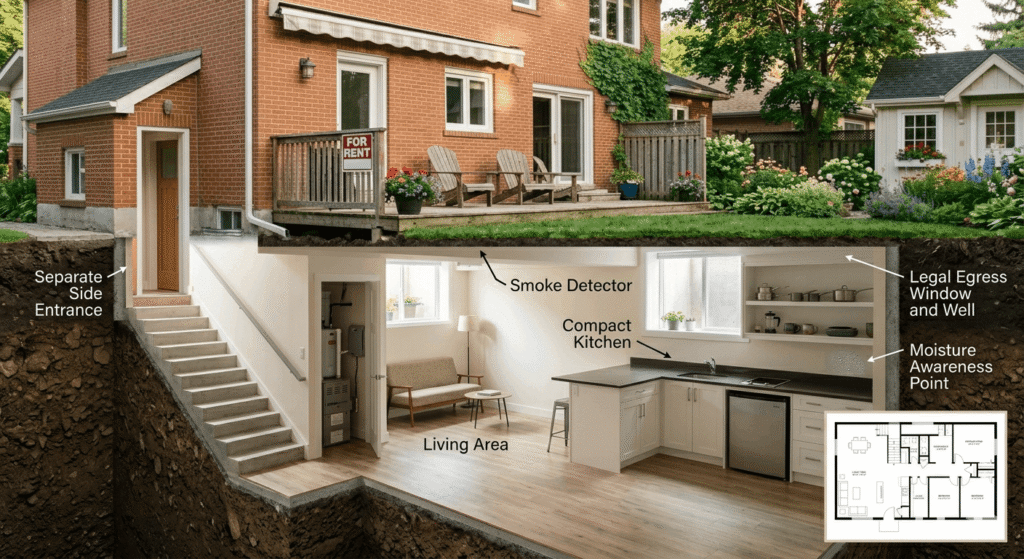
Pros:
- Lower construction costs by utilizing the existing building and services.
- Fastest pathway to rental income with build times as short as 2–4 months.
- Consistently strong rental demand, especially in urban regions of Ontario.
- Minimal loss of exterior yard space, preserving resale flexibility.
- Recognized as a legal suite can increase appraised property value.
Cons:
- Limited privacy for both tenants and main home occupants due to shared structure.
- Underground location limits natural light and ventilation.
- Potential for water intrusion, requiring reliable waterproofing.
- Legal conversion may be impossible in basements with low ceilings.
- Construction disrupts home life with noise and activity during the build.
For investors, a legal basement apartment is an effective starting point in the rental market, though it may attract a more budget-oriented tenant pool.
Garden Suite Pros and Cons
Garden suites offer attractive investment potential, but present unique challenges. Here are the main pros and cons of this income suite option.
Pros:
- Higher rental yields—often exceeding basement apartment rents by 30–40%.
- Full privacy and independence provide appeal to families, professionals, and those needing accessible housing.
- Adaptable for long-term tenants, extended family, or short-term rental such as Airbnb.
- Can significantly increase overall resale value and property differentiation.
- Level entries and single-story layouts support aging-in-place and accessible living.
- Construction usually does not disturb the main home’s day-to-day occupancy.
Cons:
- Substantially higher upfront construction and planning costs.
- Longer permitting and build process—6 to 10 months from start to move-in.
- Reduces usable yard and landscaping available to the main home.
- Complex bylaw, zoning, and service connection hurdles for certain properties.
- Financing may be harder to secure given the newness of this suite type in some markets.
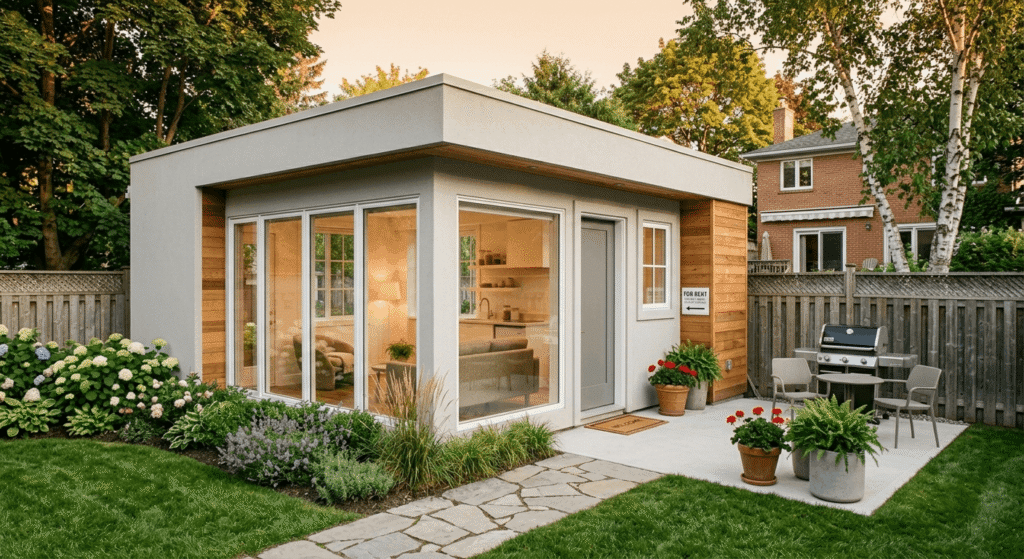
Maximizing the returns on a garden suite in Ontario typically requires professional guidance, significant upfront capital, and strategic placement on qualified lots.
Common Mistakes When Investing in Secondary Units
Adding either a garden suite or basement apartment can yield robust returns, but investors often fall into avoidable traps:
- Insufficient Zoning Analysis: Not all properties can support a detached or basement income suite—review by-laws and lot features up front.
- Incomplete Permits/Code Violations: Skipping essential permissions or inspections results in non-legal suites and makes resale difficult.
- Underestimating Build Complexity: Failing to budget for fire separation, waterproofing, or service upgrades causes delays and surprise costs.
- Choosing Poor Materials and Finishes: Low-quality interior choices can restrict rental income and increase future maintenance.
- Inadequate Market Research: Not all neighborhoods in Ontario value garden suites or basement units equally; focus on areas with proven tenant demand.
Educating yourself reduces risk—visit Our Approach and Planning & Financial Guidance for tips or partner with experts who have managed successful Ontario projects.
Frequently Asked Questions
1. What does ‘legal basement’ mean in Ontario?
In Ontario, legal basement meaning refers to a basement suite fully compliant with the Ontario Building Code, municipal by-laws, and fire safety standards. Such a suite must meet minimum ceiling heights, provide a safe exit, possess certified fire separations and interconnected alarms, and have all required municipal permits.
2. Can any lot have a garden suite in Ontario?
Not every property in Ontario is eligible for a garden suite. To legally add a garden suite ontario, your lot must comply with zoning requirements for minimum size, side and rear setbacks, municipal water and sewer access, and sometimes road or lane access. Properties on private wells, septic, or corner lots face stricter review.
3. How much rent can I expect from each option?
A legal basement apartment typically rents for $1,500–$2,200 per month depending on location and level of upgrades. For a garden suite, rents are 30–40% higher, commonly $2,000–$3,500 monthly. Features like premium finishing, privacy, and accessible designs further lift rental rates for both models.
4. Are incentives available for adding a suite in 2025–2026?
Yes. As a policy support for new housing supply, Bill 23 eliminates development charges for the second and third units on residential lots, reducing garden suite and basement apartment cost. Some Ontario cities also participate in programs like the Housing Accelerator Fund, delivering rebates or grants to encourage second unit construction.
5. What are the typical construction timelines?
The construction timeline for a legal basement apartment is usually 2–4 months. For a garden suite, expect 6–10 months because of added design, permitting, and site work. Engaging professionals and planning ahead can keep your project on schedule and mitigate unexpected delays.
Conclusion
Choosing the superior investment for 2026—garden suite vs basement apartment—depends on property characteristics, budget, and your investment strategy in Ontario. Basement apartments offer low-cost, rapid access to rental income, while garden suites require a higher investment but yield stronger rents, privacy, and resale value. The ultimate income suite for your Ontario property may involve building both, as current legislation now allows up to three legal suites on many lots. Leverage Services and Planning & Financial Guidance to ensure your suite vs apartment project achieves maximum value and long-term investment success.