

Quick Answer: The difference between single family housing and multifamily housing comes down to unit count. A single family home has one dwelling unit on its own lot. Multifamily housing has two or more units, from a duplex to an apartment building. Lenders in Canada usually treat five or more units as commercial.
What is the difference between single family housing and multifamily housing?
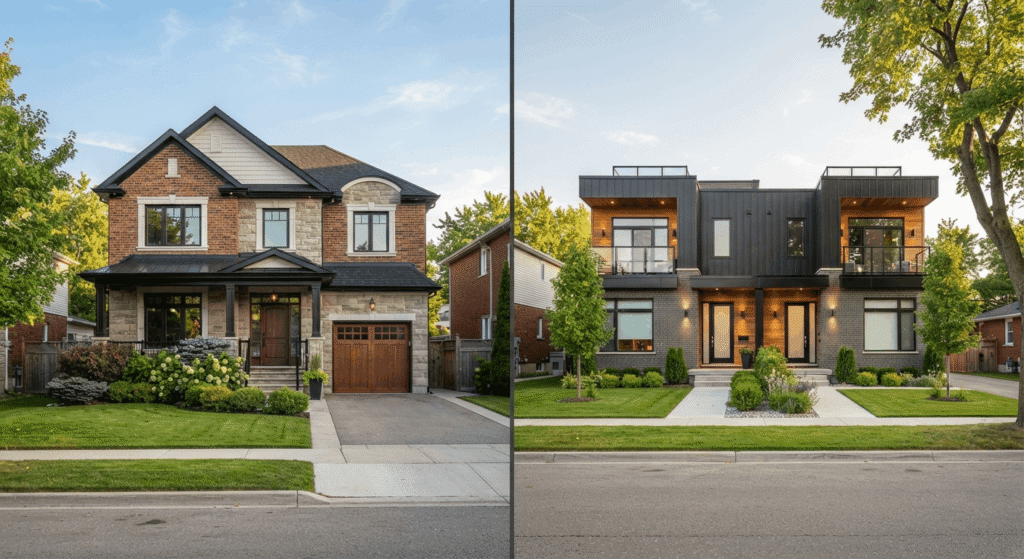
The difference between single family housing and multifamily housing is unit count and how the land is held. A single family residence is one dwelling on its own lot with its own entrance. Multifamily housing puts two or more separate units in one building or on one parcel, from a duplex to a full apartment block.
What counts as a single family dwelling versus multi family residential?
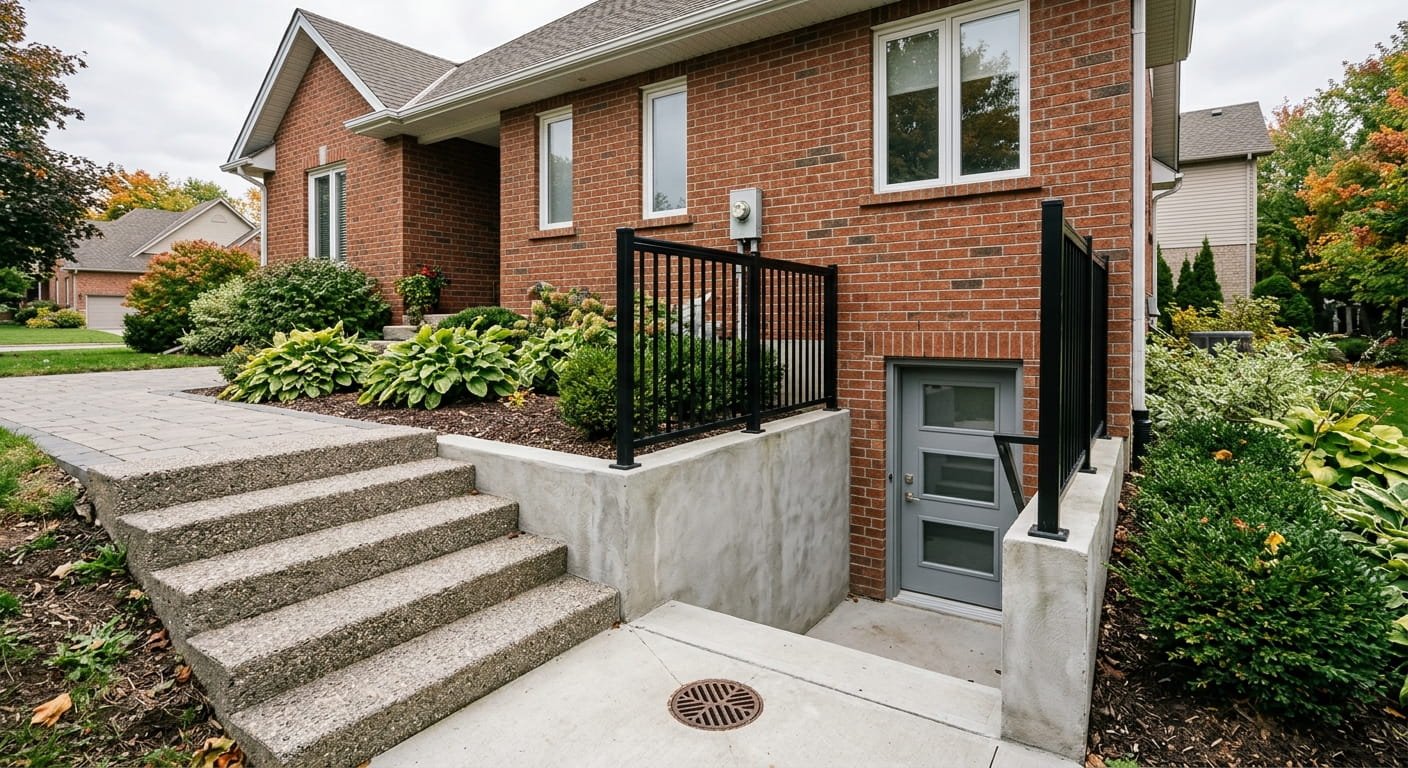
A single family dwelling is a standalone home built for one household, with no shared walls and no other units on the lot. Everything past that count reads as multi family residential. A duplex has two units. A triplex has three, a fourplex four. Once a property holds several self-contained homes under one roof, it becomes a multi unit dwelling in the eyes of most planners and lenders.
The line that trips people up sits at five units. In both Canada and the United States, buildings with two to four units are financed much like a house, using standard residential mortgages. The U.S. Census Bureau sorts new construction the same way, splitting structures into single-family, 2 to 4 unit, and 5-or-more categories. Cross into five units and the property is treated as commercial multifamily, which means different loans, larger down payments, and underwriting based on the building’s income.
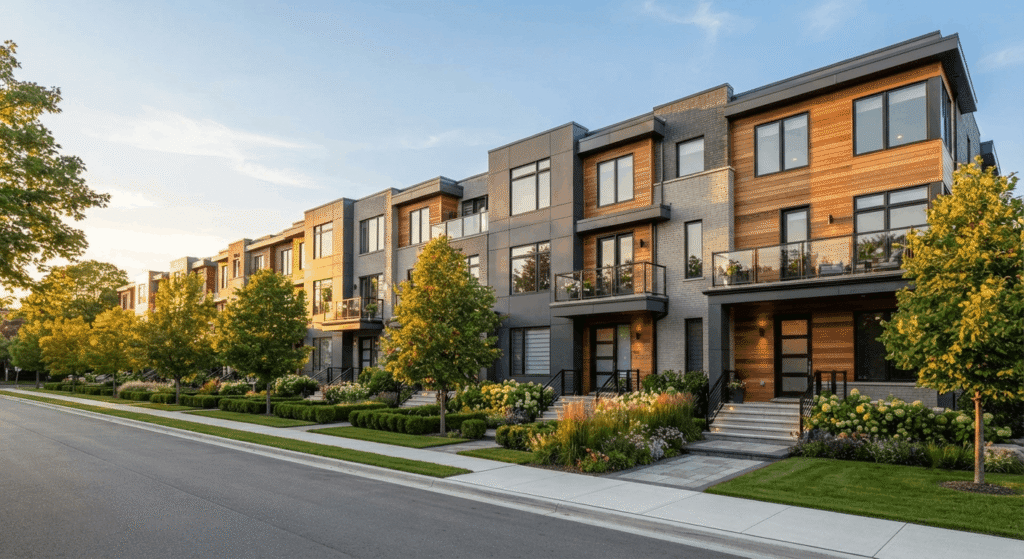
Attachment alone doesn’t decide it. A detached house and a townhouse can both count as single-family, as long as each is its own unit on its own parcel; row houses sit under single-family attached in Census counts. What flips a property into multifamily is stacking or joining separate units under shared ownership on one lot.
In Canadian listings you’ll also see the term multi residential, which usually points to purpose-built rental apartment buildings rather than a duplex someone runs on the side.
| Feature | Single family housing | Multifamily housing |
|---|---|---|
| Units in the building | One | Two or more |
| Common financing | Residential mortgage | Residential to 4 units, commercial at 5-plus |
| Rental income | One tenant, if rented at all | Several rent streams from one lot |
| Management effort | Low | Higher, and it grows with unit count |
How do zoning laws in Ontario shape single family and multifamily housing?
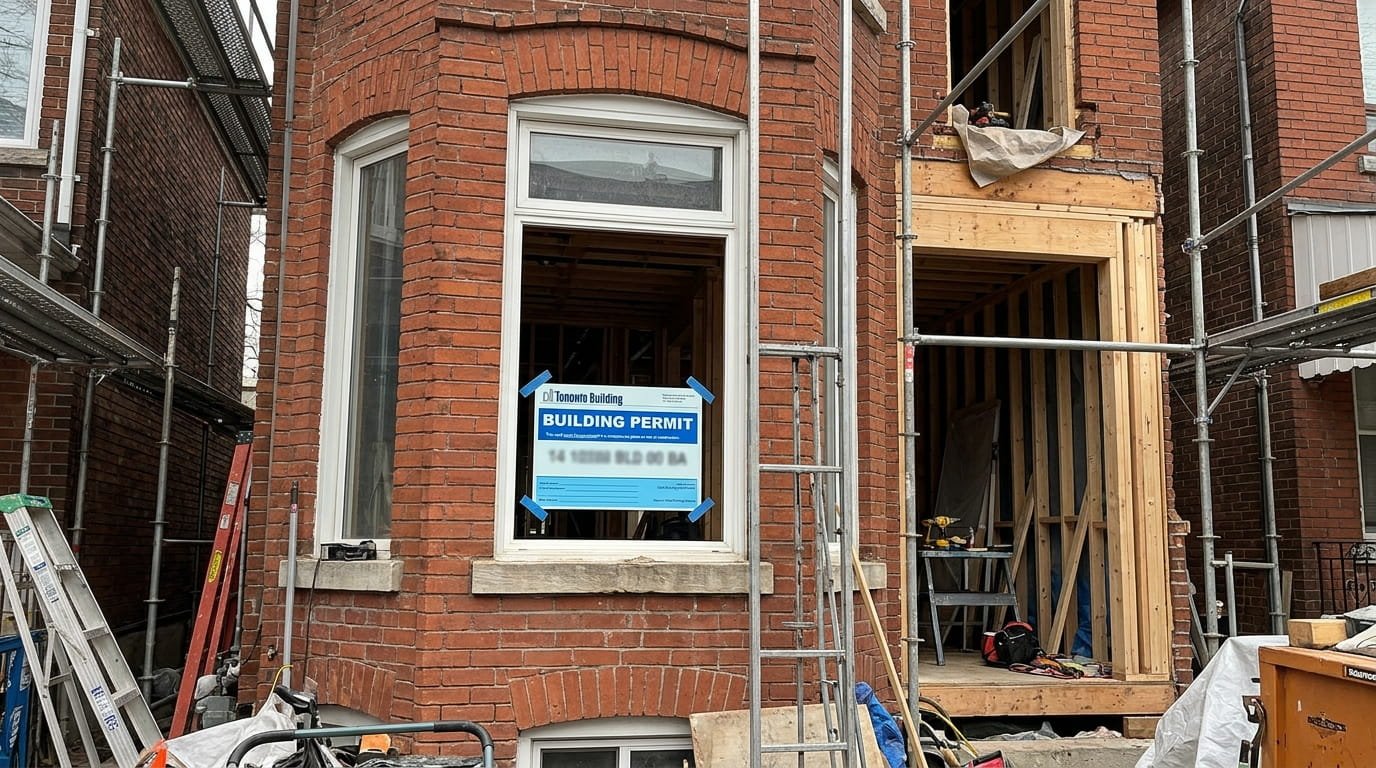
Zoning laws in Ontario used to keep most residential lots locked to a single house. That changed with Bill 23, the More Homes Built Faster Act, which set a province-wide floor in 2022. Municipalities now have to allow at least three residential units as-of-right on most lots that already hold a home. That can be three units inside the main building, or two units plus one ancillary unit such as a garden suite. No rezoning, no committee hearing, just a building permit if the design fits the envelope.
Toronto went past the floor. Since May 2023, up to four units are permitted as-of-right on essentially every residential lot in the city, and since June 2025 up to six units are allowed as-of-right in nine wards across Toronto and East York plus Scarborough North. Parking minimums came off citywide back in February 2022, which quietly made small multiplex projects pencil out. Ottawa followed with its own by-law in 2026, allowing four units on serviced lots. Later provincial bills, including Bill 185 in 2024, tightened approval timelines further.
The point behind all of it is supply. Ontario is chasing 1.5 million new homes by 2031, and gentle density on existing lots is a big part of that math. For a homeowner, the choice is no longer a single house or nothing.
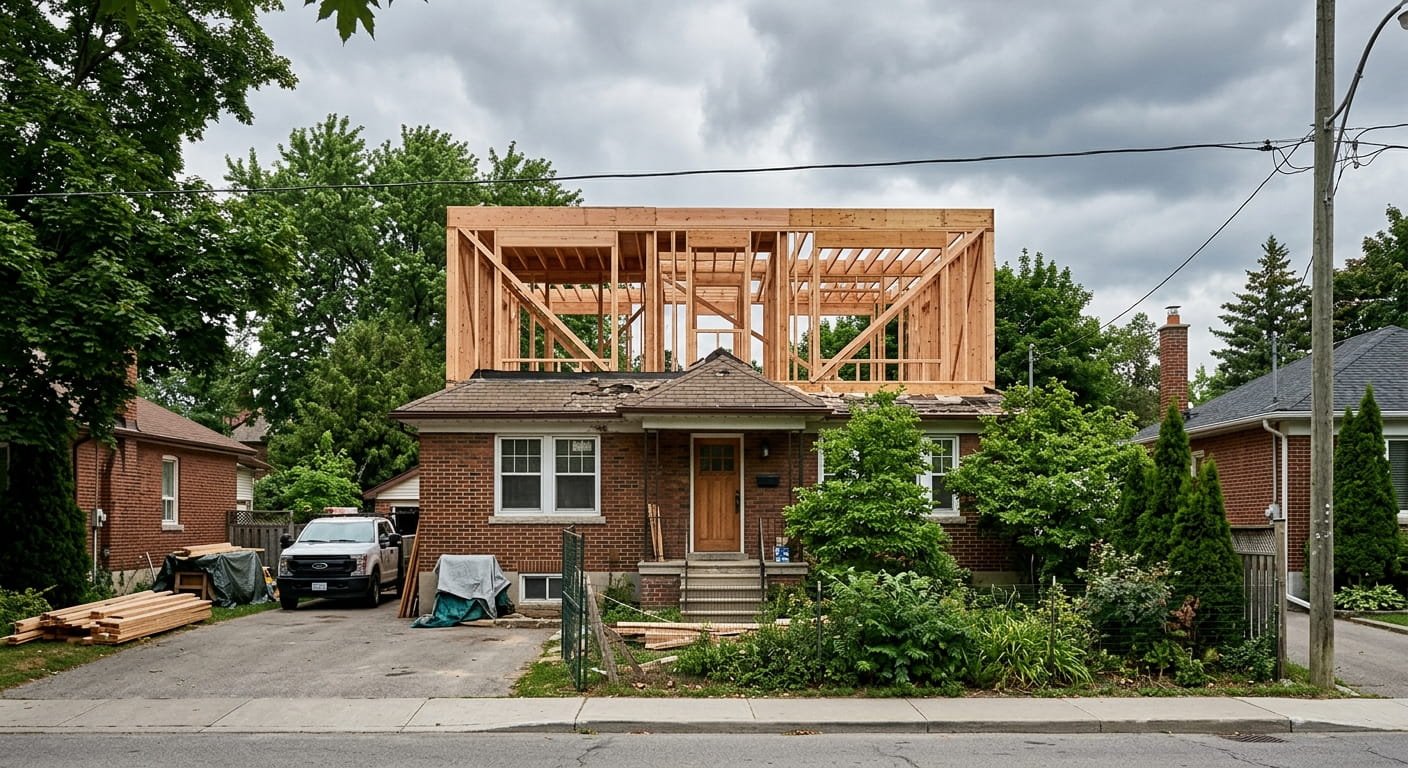
Cost relief came with the rules. Bill 23 exempted the second and third units on a lot from development charges, and Toronto now waives those charges on multiplexes of up to six units. On a per-door basis, that can cut tens of thousands off a small build. A lot that a decade ago allowed only a single family home might now support a fourplex, or a house with a garden suite in the backyard.
Should you build a single family residence or a multi unit dwelling?
Money and time usually decide this. A single family residence is simpler: one mortgage, one set of utilities, one household to manage, and the widest pool of future buyers. It suits owners who want a home first and an asset second. The tradeoff is that a single house earns nothing unless you rent the whole thing or add a suite.
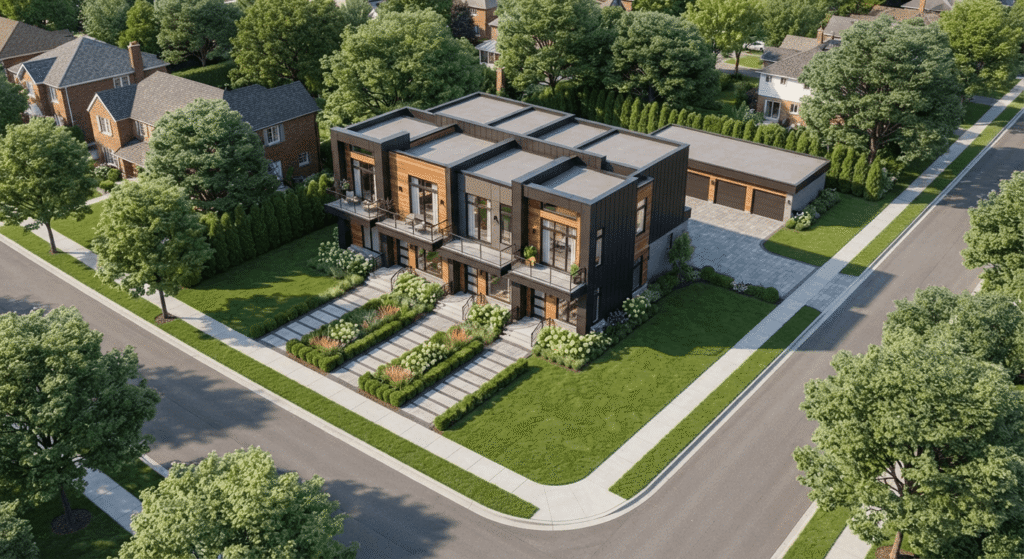
A multi unit dwelling flips that. Build a duplex or fourplex and you collect rent from several units off one lot, which can cover much of the mortgage while you live in one unit. That model, sometimes called house hacking, is a big reason multiplexes have caught on. The catch is cost and effort. New home construction for a multiplex runs higher per lot, financing gets stricter past four units, and you take on tenants, maintenance, and vacancy risk. The rent can be strong, but it is a small business, not a passive one.
There’s a financing wrinkle worth knowing. In Canada, a project of five or more units usually moves onto commercial or CMHC-backed multi-unit financing, which underwrites the building’s rent roll rather than just your salary. Staying at four units keeps you on simpler residential terms, which is why fourplexes are the sweet spot for owner-occupant builders.
Lot size, zoning, and your budget narrow it down fast. A working custom home builder can tell you within a site visit whether a parcel makes more sense as a single detached home or a small multi residential building, and what the numbers look like either way.
Frequently Asked Questions
1. Is a duplex considered single family or multifamily housing?
A duplex is multifamily housing. It has two separate dwelling units, each with its own entrance, kitchen, and bathroom, on one lot. Because it stays under five units, though, most Canadian lenders still finance a duplex with a residential mortgage, the same product used for a single family home.
2. When does a multifamily property become commercial?
The usual cutoff is five units. Properties with two to four units are financed as residential, while five or more are treated as commercial multifamily with stricter loans and bigger down payments. In the United States, HUD’s Office of Multifamily Housing only insures buildings at that five-unit threshold or above.
3. What should I check before building a multi unit dwelling in Ontario?
Check these before you draw plans:
- How many units your lot allows as-of-right under Bill 23 and your city’s by-law
- Setback, height, and lot-coverage limits for the building envelope
- Financing, since costs climb sharply past four units
- Whether you’ll live on-site, which unlocks better loan terms
Solid rental income from a multiplex can justify the work once the numbers hold up.
Conclusion
The difference between single family housing and multifamily housing really comes down to how many households a property is built to hold, and everything that follows: financing, income, management, and what your lot’s zoning permits. In Ontario, that last piece has opened up fast, and a single lot can now hold far more than one home. Whether you build a single detached house or a small multiplex, the right call depends on your budget, your site, and how hands-on you want to be. A knowledgeable builder can price out both paths before you commit.