Quick Answer Box:To evaluate a piece of land before buying in Ontario, review zoning, soil conditions, utilities, access, and legal factors. Buying land in Ontario isn’t just about the listing—thorough due diligence and professional guidance can help you avoid costly surprises and ensure the land fits your needs.
What is Land Evaluation Before Buying in Ontario?
Land evaluation before buying in Ontario means carefully assessing a property’s suitability, risks, and legal standing before purchase. This process checks crucial factors like zoning, soil, access, services, and environmental restrictions. It helps buyers avoid costly mistakes and make informed decisions, whether for building, investing, or developing.
Types of Land For Sale in Ontario
Ontario offers a diverse marketplace for buyers looking for land for sale Ontario, with varying classifications and features. Land for sale in near me searches or listings for land for sale in Ontario Canada include different options, each governed by its own regulations, advantages, and risks.
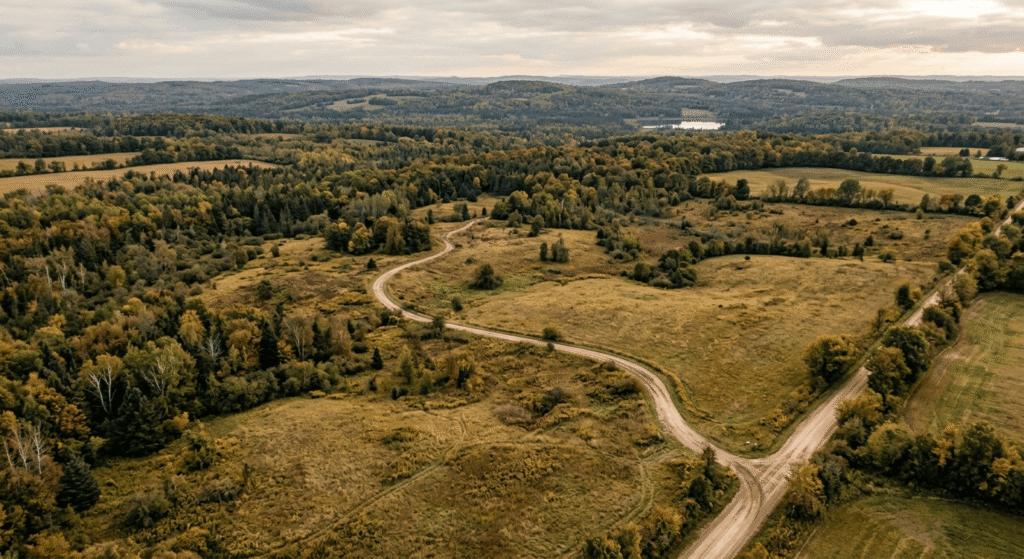
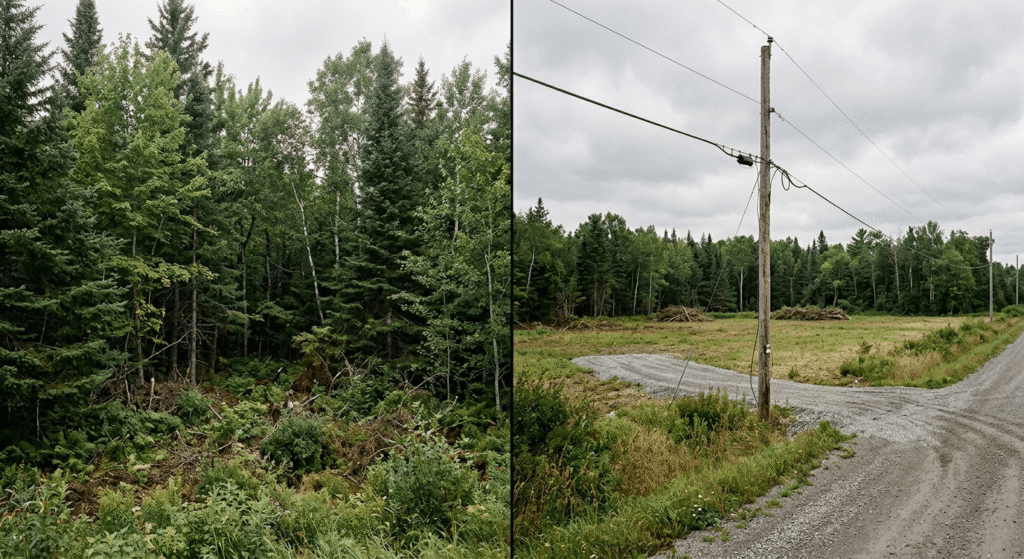
Raw land describes property that has never been developed and typically lacks any kind of services. This might be a forest, field, or bush lot, ideal for investors or hobby farmers who are comfortable with long-term planning. Such land can be cost-effective upfront but is more challenging to finance and expensive to service down the line. In contrast, vacant land is similar but may have access or partial utilities, making it more appealing for buyers aiming for quicker use.
Serviced land is highly desirable for many, as it comes equipped with water, electricity, and sewage hookups, which allows for faster and less expensive development. Unserviced land lacks these utilities. Buyers must then plan to cover expenses like drilling wells, installing septic systems, and running hydro lines — a process which can quickly escalate total investment by tens of thousands of dollars.
Another distinction is between Crown Land, owned and managed by the Province, and Private Land, which is bought and sold between individuals or companies. Crown Land is sometimes available for lease or restricted purchase but is generally subject to specific oversight by the Ontario Ministry of Natural Resources and Forestry. Such purchases are complicated and infrequent. Private land is more straightforward to buy but is still subject to various local and provincial regulations.
If you’re considering land for residential, commercial, or other uses, the type of land and its zoning are critical. For example, some lots are designated for conservation, recreational, agricultural, or mixed-use, and advertisements for land for sale in Ontario Canada often highlight these classifications. Clarifying these details when you see a for land sale listing is essential for avoiding wasted time or legal difficulties later.
Residential vs. Investment Property Considerations
When focusing on buying a home in Ontario with an eye on new developments, serviced residential land offers speed and predictability. For those interested in buying investment property with future appreciation in mind, raw land might offer long-term opportunity but comes with greater holding costs and complexity. It’s important to determine your main goal up front in any land purchase.
Key Criteria for Evaluating Land in Ontario
No matter how enticing a plot seems or how persuasive the online photos and descriptions are for land for sale Ontario, due diligence remains non-negotiable. To avoid the biggest pitfalls in buying land in Ontario, buyers must thoroughly assess the following factors:
Zoning and Land Use: This foundational detail establishes what the property can legally be used for, such as residential, commercial, agricultural, recreational, or conservation. Zoning is enforced at the municipal and provincial levels, and changing a zoning designation can be a lengthy and uncertain process. Violation of zoning bylaws can result in legal headaches and lost investments.
Soil and Environmental Suitability: Ontario’s Building Code and local regulations often require buyers to commission soil and percolation tests before development, especially if the property relies on a well and septic system. Poor soils or high water tables can rule out building or installing key services. Environmental restrictions, especially from local conservation authorities, can impose further limitations.
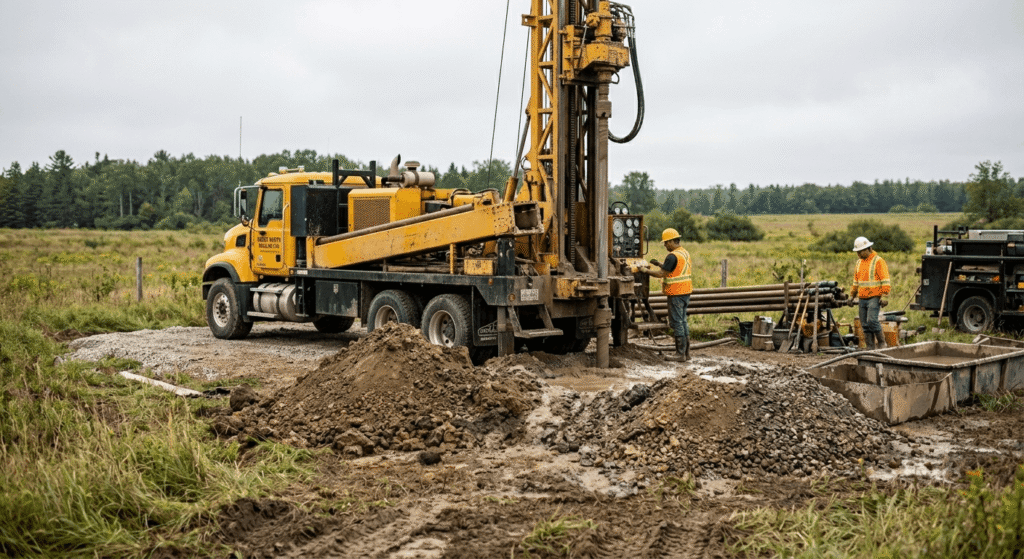
Utilities and Services: Serviced lots come with utilities at the curb, but many Ontario properties—especially rural or remote parcels—are unserviced. Drilling a well can cost between $8,000 and $25,000 or more, installing septic systems normally starts at around $20,000, and running hydro lines can add significant expense.
Access and Road Rights: Reliable, legal access is required for property value and future development. Seasonal roads, privately owned laneways, or ambiguous deeded access can present serious risks. Always confirm perpetual, year-round accessibility with a current survey or title search.
Legal and Title Issues: Properties can have registered easements, rights-of-way, encroachments, and other legal limitations that aren’t obvious on a viewing. Reviewing title documents, surveys, and agreements—preferably with a real estate lawyer—protects buyers from purchasing land with restrictions or disputes attached.
Environmental and Conservation Authority Concerns
Environmental overlays or restrictions can dramatically affect a land’s buildability and investment potential. Authorities like the Toronto and Region Conservation Authority regulate development along waterways, forests, and floodplains. Before buying land in Ontario, check for these overlays, as they can mandate further studies or block construction altogether.
How to Evaluate a Piece of Land Before Buying
Evaluating a property properly is essential for buyers looking for land for sale in Ontario Canada, whether for personal use, investment, or business development. Follow these steps to avoid the most common mistakes associated with buying land in Ontario.
- Determine Your Land Use Goal
Clarify what you want from the property before engaging with sellers or agents. Are you buying land in Ontario to build a custom home, start a business, or hold for future appreciation? Each goal will affect your approach to zoning, services, and financing.
For example, those aiming to buy land Ontario and construct a personal residence need up-to-date soil and percolation test results, while buying investment property may prioritize market trends and potential for appreciation. Agricultural or recreational buyers should be especially vigilant for conservation overlays and access issues. - Research Zoning and Land Use Regulations
Access zoning maps and local bylaw documents via your municipal or township website. You can also contact the planning office for clarification. Each parcel’s zoning regulates permitted uses, structure types, and, in some cases, future subdivision potential.
Don’t assume rezoning is simple. Applications are complicated and require municipal approval. If you’re proposing custom home plans, reach out to the city’s planning department, the Ontario Ministry of Natural Resources and Forestry, and your local Conservation Authority before committing to a purchase.
Zoning research should also include checking for overlays by conservation authorities or floodplain regulations that may affect your intended land use - .Confirm Utilities and Access
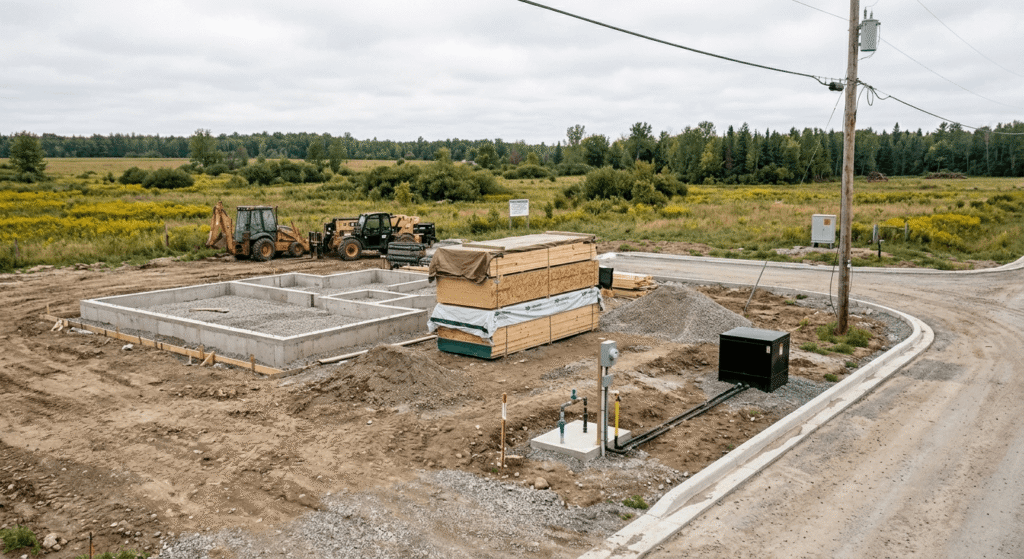
Investigate which services are present at the lot line or within easy reach. Costs for drilling wells, septic installation, and hydro connections vary by location and terrain. Expect to budget between $50,000 and $150,000 for full servicing if buying raw land in Ontario.
Physical access requires legal confirmation as well. Some plots lack deeded road access or only allow for seasonal use, which can threaten investment and enjoyment. Scour the survey and title for registered access, and if in doubt, consult a professional. - Conduct Soil Testing and Environmental Checks
Soil and percolation tests are mandatory for lots requiring wells or septic systems. Environmental or geotechnical engineers can evaluate the land for issues such as drainage, flood risk, contamination, and conservation overlays. Observing the land after heavy rainfall can reveal problematic drainage or erosion that impacts buildability.
Extra diligence is needed for properties adjoining sensitive landscapes. Extra studies may be needed under Conservation Authority or municipal oversight. - Review Legal Documents and Land Surveys
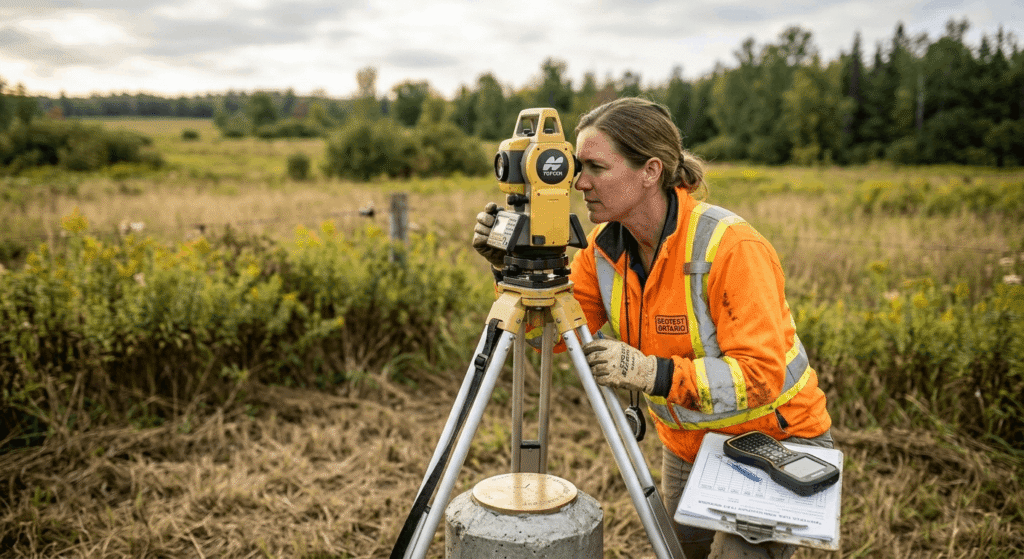
Obtain a recent, professional land survey to confirm boundaries, setbacks, easements, and rights-of-way. Check for subdivider’s agreements limiting building size, location, or design. Legal errors or incomplete documents can bring about disputes that hinder your plans.
Always bring in a licensed real estate lawyer for reviewing title documents, agreements, and surveys. Online resources such as ProtectYourBoundaries.ca further help in identifying risks. It’s also sensible to consult experts about the risks of buying investment property in ambiguous legal conditions
6. Estimate All Related Costs
Beyond the listing price, buying land in Ontario involves additional expenses, such as:
- Servicing (well, septic, hydro, road access): $50,000–$150,000+
- Legal fees and title insurance: $2,000–$5,000
- Land surveys: $1,500–$5,000+
- HST on new lots: usually 13%
- Land transfer tax: varies by municipality and price
- Residential appraisal cost for land: $500–$2,000 (often higher and more complex than house appraisal cost)
- Ongoing property taxes and carrying/holding costs
Many buyers forget to include HST, municipal development charges, and contingency funds. If you’re viewing land for sale in near me listings for investment, factor in long-term holding expenses and market trends.
Using Professional Help
Qualified professionals are crucial when evaluating land for sale Ontario. Real estate lawyers, appraisers, licensed surveyors, environmental consultants, and building planners all play significant roles in minimizing risk and protecting your investment. Consult the Home and About Us pages at Leedway Group for more on available expertise.
Land Appraisal and Valuation Costs in Ontario
Land valuations differ significantly from house appraisal cost estimates. The residential appraisal cost for land in Ontario typically ranges from $500 to $2,000 or more, depending on location, size, and complexity. Larger or irregular parcels in remote or ambiguous zoning areas may increase costs further.
Appraisers take into account:
- Comparable sales of similar sites in the area
- Zoning and permitted uses
- Current access, utilities, topographical features
- Legal encumbrances, easements, boundary disputes
- Environmental and conservation restrictions
Appraisals are mandatory when securing financing. The evaluation process is much more involved than for built properties, as every unique land characteristic can dramatically influence price and suitability. The presence of conservation authority restrictions or complex legal status often means land appraisals take additional time, research, and cost.
For a transparent understanding of land valuation, consult property professionals or refer to firms like ProtectYourBoundaries.ca. You can also explore local market insights at Blogs for current case studies.
Financing and Budgeting When Buying Land in Ontario
Obtaining financing for land is more complicated than buying a home in Ontario. Major banks require larger down payments, often between 30% and 50% of the purchase price, due to higher risk and lower liquidity with vacant land or unserviced parcels.
Unserviced or raw land is frequently ineligible for standard mortgages. Buyers are often directed to private lenders or must negotiate seller financing, which may include higher rates and stricter terms. Amortization periods tend to be shorter, and lenders often demand a stronger financial position and documentation.
Comprehensive budgeting is vital. You must account for:
- Servicing (well, septic, hydro) and road installation
- All legal, land survey, and title insurance fees
- HST and land transfer taxes
- Required environmental and soil studies
- Residential appraisal cost and insurance (even on vacant land)
When browsing land for sale Ontario or searching for land for sale in near me, be proactive with your calculations. Set aside extra funds for contingencies and consult Planning & Financial Guidance for greater detail on budget preparation and best practices.
Financing Tips and Links to Professional Support
Use consultants that have expertise in land development, such as Land Development, and review the Services page for comprehensive advice on structuring purchases, construction, and resale planning. If you’re weighing land versus home purchase, revisit your long-term goals and run financial scenarios for each path.
Buying Land vs. Buying a Home in Ontario
| Feature/Process | Buying Land in Ontario | Buying a Home in Ontario |
|---|---|---|
| Upfront Down Payment | 30–50% (higher for raw land) | 5–20% (CMHC options for lower) |
| Financing | More difficult, higher rates | Easier, lower rates, more lenders |
| Appraisal Requirements | Land-specific, often $500–$2,000 | House appraisal $300–$800 |
| Servicing/Utilities | Often absent—buyer pays to install | Included, connected |
| Zoning Checks | Essential—may restrict use/buying | Normally residential, pre-zoned |
| Legal Risks | Easements, encroachments common | More straightforward, less ambiguous |
| Title Insurance | Highly recommended | Standard practice |
| Hidden Costs | HST, surveys, environmental, access | Fewer, more predictable |
| Market Liquidity | Lower, resale may take longer | High, more buyers |
| Suitability for Building | Requires thorough checks | Move-in ready, little risk |
| Environmental Assessments | May be mandatory | Uncommon |
Common Mistakes When Buying Land in Ontario
Despite expert guides and accessible resources, Ontario land buyers frequently make similar mistakes that lead to financial regret or legal conflict. Here’s what to avoid when evaluating land for sale in Ontario Canada or making your own for land sale listing:
Skipping Zoning and Legal Checks: Ignoring zoning bylaws or hoping to change them later exposes buyers to denied applications, lawsuits, or forced resale with loss. Always double-check current use permissions and confirm them with a municipal planning authority.
Ignoring Conservation Overlays: Many ideal-looking lots adjoin rivers, wetlands, or protected forests where development is highly restricted by conservation authorities. These limitations may not appear in the listing and can prevent all construction.
Assuming Servicing is Simple: Underestimating the time, cost, and difficulty of bringing in water, electricity, road access, or a septic system is common. Poor site geography or remoteness increases costs exponentially, while truly remote parcels can be impossible to service.
Not Conducting Soil or Environmental Tests: Skipping these essential checks can result in costly mistakes and leave you with land you cannot develop or build upon, making it essentially valueless for most owners.
Legal and Survey Errors: Failing to obtain a current survey, review all title documents, or check for easements and contentious boundaries can result in disputes, lawsuits, or forced changes to the land you thought you were purchasing.
Underestimating the Full Cost: Buyers are drawn in by a low sticker price but forget about HST, legal fees, land transfer tax, environmental studies, and years of holding costs. Running out of cash before being able to use or resell the property is a risk.
Not Consulting Qualified Professionals: Hiring real estate lawyers, planners, and environmental consultants is the best insurance you can buy. Their advice prevents all of the above mistakes and protects your investment. Read Our Approach or browse FAQ for more tips and support.
Frequently Asked Questions
1. What are the most important things to check before buying land in Ontario?
It’s critical to verify the property’s zoning, permitted uses, and environmental status, to conduct soil and environmental tests, to confirm the presence or costs of utilities, to ensure genuine year-round legal access, and to review legal documents for easements or encroachments. Involve professionals like surveyors, lawyers, and appraisers to protect your investment.
2.How much does it cost to service raw land in Ontario?
Servicing raw land in Ontario—including installing a well, septic system, hydro, and a road or driveway—can cost from $50,000 to $150,000 or more. Well drilling is usually $8,000–$25,000, septic installation starts at $20,000, and hydro varies based on proximity to existing lines. Always secure quotes from local contractors.
3. Is buying land in Ontario a good investment?
Land purchases can offer strong growth potential, especially after housing market adjustments projected around 2026. However, compared to buying a home in Ontario, land is higher risk and less liquid. Its value depends on location, access, zoning, and development potential. Ensure detailed due diligence and review market trends before buying investment property.
4. Do I need a lawyer when buying land in Ontario?
Yes. A licensed real estate lawyer is essential for reviewing legal documents, running a title search, confirming boundaries and identifying encumbrances or disputes. Their oversight helps prevent costly mistakes and safeguards your rights throughout the purchase process and beyond closing.
5. Can I get a mortgage to buy land in Ontario?
Land mortgages are available but come with stricter terms than typical home loans. Expect down payments of 30–50%. Lenders may restrict borrowing to serviced, buildable land. For unserviced or remote parcels, private lenders or vendor financing are more common, but they carry higher rates. A comprehensive appraisal is standard.
Conclusion
A successful land purchase begins and ends with a thorough approach to evaluating a piece of land before buying in Ontario. By confirming zoning, conducting soil testing, ensuring legal access, understanding all real expenses, and securing professional support, you put yourself in a position to buy land Ontario that truly serves your goals. Leverage trusted resources like Land Development, Planning & Financial Guidance, and FAQ to ensure your property investment in Ontario is protected every step of the way.