

Quick Answer: A home renovation in Toronto starts with one question: does your project need a City building permit? Structural changes, new plumbing, heating changes and basement suites do. After that, compare written estimates, sign a written contract as Ontario law requires for jobs over $50, and check federal and City programs that can offset costs.
Planning Home Renovations in Toronto? Here’s What to Know
A home renovation in Toronto looks simple on a mood board. Then the permit questions start. Toronto Building updated its official list of permit triggers on July 21, 2026, and the rules still catch homeowners off guard, especially in basements and bathrooms.
This guide is for homeowners across Toronto, from Etobicoke and North York to Scarborough and East York. It covers what to sort out before demolition day: permits, contractors, contracts, and the programs that can trim the final bill.
What Is a Home Renovation in Toronto?
A home renovation in Toronto is any upgrade, alteration or addition to an existing house within city limits, from a cosmetic refresh to a full gut. Work that changes structure, plumbing, heating or the number of dwelling units falls under Ontario’s Building Code Act and needs a permit from Toronto Building before construction starts.
Painting, flooring and new cabinetry usually don’t. That split shapes your timeline more than anything else.
Do You Need a Building Permit for a Home Renovation in Toronto?
Yes, if the work is structural or touches mechanical systems. Toronto requires a permit for adding or removing walls, enlarging windows or doors, installing or modifying plumbing or heating, underpinning, and creating a second suite. Replacing fixtures, cabinets, insulation or a furnace in a house typically doesn’t need one.
As the owner, you carry the legal responsibility. The City of Toronto’s building permit guidance warns that skipping a permit can mean delays, legal action, or an order to remove finished work.
Kitchen Renovation in Toronto: Where the Line Falls
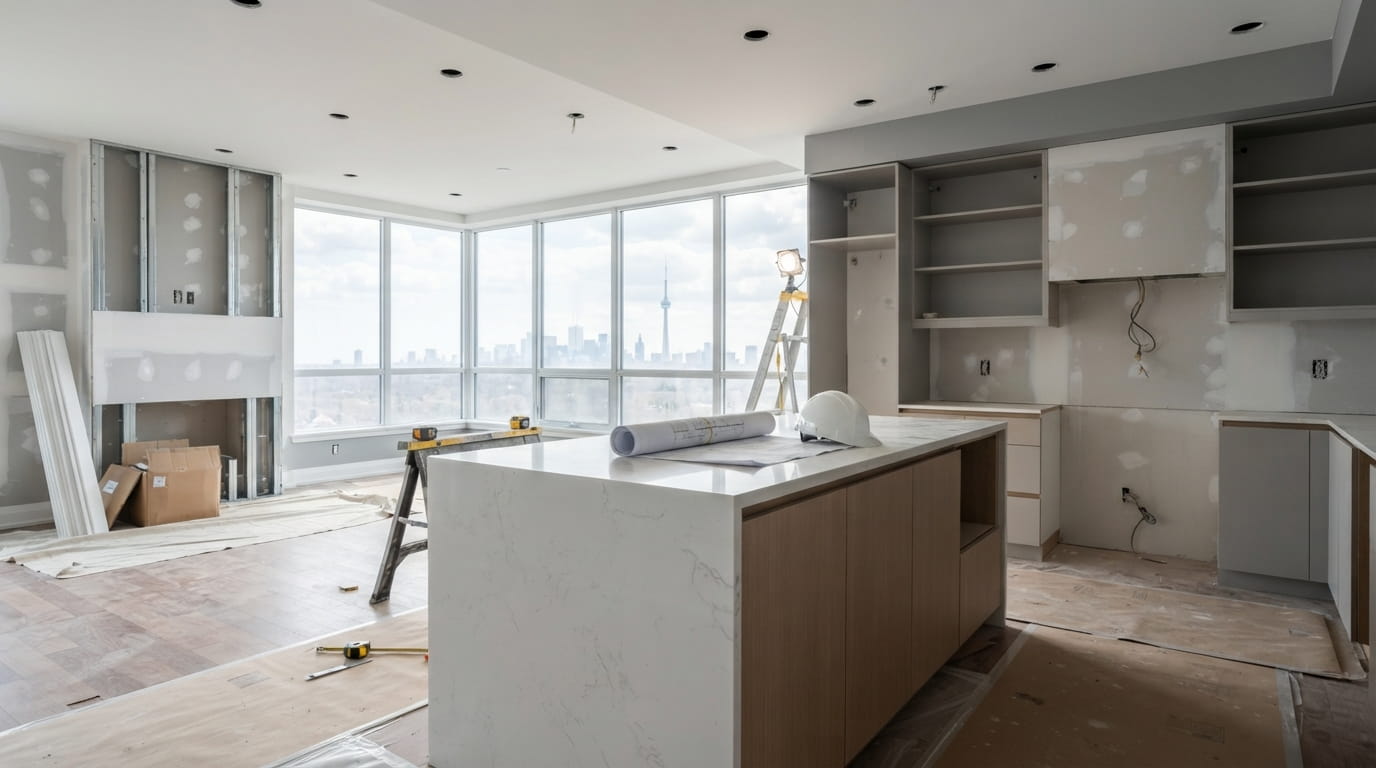
Cabinetry and millwork installation is exempt. So is swapping a sink in the same spot. A kitchen renovation in Toronto crosses into permit territory once you relocate plumbing or take down a wall to open the space. If that wall is load-bearing, expect engineered drawings too.
Bathroom Renovation in Toronto: Fixtures vs. New Plumbing
Repairing or replacing plumbing fixtures needs no permit, so a tub-for-tub swap stays simple. A bathroom renovation in Toronto that moves the toilet, adds a second sink or creates a new ensuite involves new plumbing, and that requires a permit. Adding a backwater valve while the floor is open? That needs one as well.
Basement Renovation in Toronto: Where Most Surprises Happen
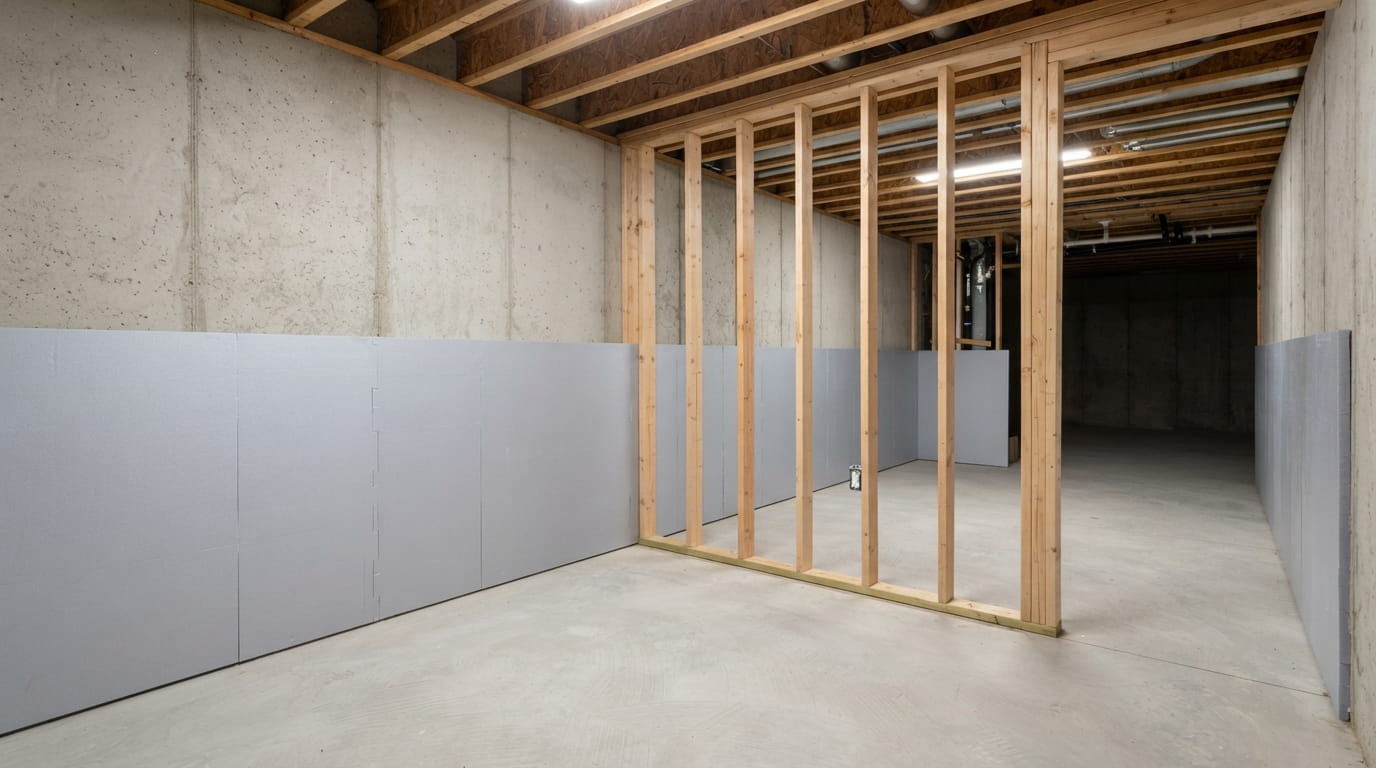
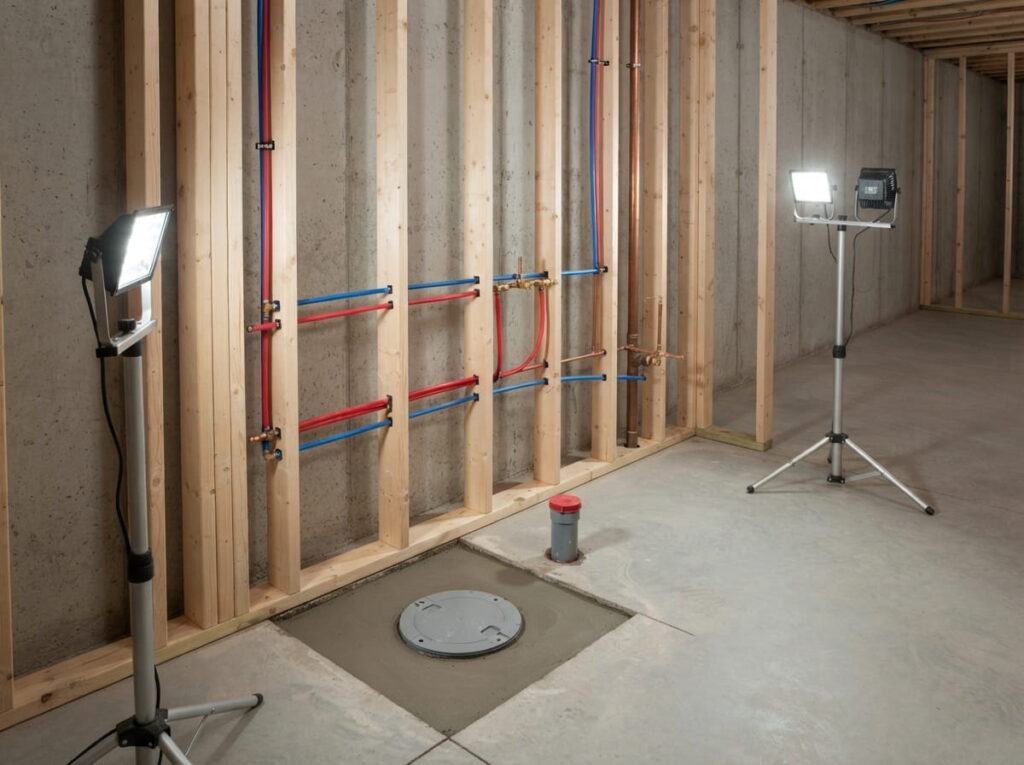
Finishing a basement with drywall, flooring and insulation is exempt, as long as you don’t alter structure, add plumbing or create a new unit. A basement renovation in Toronto that includes a bathroom, a walk-out entrance, underpinning for ceiling height, or a rental suite needs a permit. Here’s an odd one: converting a single-unit house to multiple units is a change of use, and it requires a permit even if no construction happens.
Full Home Renovation and Additions
Second-storey additions, rear extensions and reworked floor plans all fall under a full home renovation, and each needs a permit plus, often, a zoning review. Toronto publishes pre-approved garden and laneway suite plans that can shorten design time for a backyard unit.
If your scope grows into a complete home renovation in Toronto, it’s worth asking whether the existing structure is worth keeping. Our guide on renovation vs. rebuild walks through that trade-off.
How Do You Choose Toronto Renovation Companies?
Compare at least three written estimates, check each company against Ontario’s Consumer Beware List, and insist on a written contract. Ontario law requires one for any home renovation worth more than $50, and once an estimate is part of it, the final price can’t exceed that estimate by more than 10% unless you approve new work.
Ontario’s guide to your rights when starting home renovations treats missing estimates, contracts, licences or permits as a warning sign. Sign a contract worth $50 or more in your home and you get a 10-day cooling-off period.
Home Renovation Designer or Home Renovation Contractors?
A home renovation designer plans layouts, finishes and drawings. Home renovation contractors build the work, pull permits and coordinate trades. Hiring them separately gives you design control, but any gap between the drawings and site conditions becomes yours to resolve.
| Option | Best for | Trade-off |
|---|---|---|
| Designer only | Owners who want full design control | You manage the handoff to builders |
| Contractor only | Simple, well-defined scopes | Limited design input |
| Design-build firm | Additions and full renovations | Fewer separate bids to compare |
A design-build firm puts both under one contract. That’s the model behind Leedway Group’s renovations, additions and garden suites, where zoning checks and committee of adjustment applications are handled by the same team.

Programs That Can Offset Renovation Costs
The federal Multigenerational Home Renovation Tax Credit refunds 15% of up to $50,000 in qualifying costs when you create a secondary unit for a relative aged 65+ or eligible for the disability tax credit. The unit needs its own entrance, kitchen, bathroom and sleeping area, and must meet local rules. In Toronto, that means a permitted second suite.
Toronto’s Home Energy Loan Program lets eligible homeowners borrow up to $125,000 for heat pumps, windows and insulation. Opening walls anyway? That’s the cheapest moment to insulate. For budgeting, see our planning and financial guidance for homeowners.
Frequently Asked Questions
How long does a home renovation in Toronto usually take from planning to completion?
A single-room refresh can wrap in a few days, while a full home renovation often runs several months, based on HomeStars data for Toronto projects. Permit review adds time before work starts. Incomplete drawings or a zoning variance through the Committee of Adjustment can stretch that review further.
Do I need a building permit to finish my basement in Toronto?
Not for drywall, flooring and insulation alone. The City of Toronto requires a permit if your basement work includes:
- Structural changes or new walls
- New plumbing or heating changes
- Underpinning or new foundations
- A basement entrance
- A second suite
How much do Toronto renovation contractors charge for labour?
Toronto renovation companies typically charge $50 to $150 per hour for labour, according to HomeStars. Structural changes, premium finishes and larger scopes push totals higher. Ask for itemized written estimates, since Ontario caps the final price at 10% above an estimate included in your contract unless you approve extra work.
Can I cancel a home renovation contract in Ontario after signing it?
Yes, in many cases. Ontario’s Consumer Protection Act gives you a 10-day cooling-off period if you sign a renovation contract worth $50 or more in your home. You can cancel for any reason during that window. Contracts signed elsewhere may not qualify, so read the cancellation terms before signing.
Is there a tax credit in Canada for adding an in-law suite?
Yes. The Multigenerational Home Renovation Tax Credit refunds 15% of up to $50,000 in eligible costs, a maximum of $7,500. It applies when you create a self-contained secondary unit for a senior or an adult eligible for the disability tax credit. Keep every invoice and receipt to support your claim.
Conclusion
A well-run home renovation in Toronto comes down to sequence: confirm permits, lock scope in a written contract, then build. Kitchens and bathrooms turn on plumbing, basements on suites and structure. If you’re weighing an addition or a full renovation anywhere in Toronto, book a consultation with Leedway Group to review zoning and scope before you commit.