

Quick Answer: Yes. Basement waterproofing can be done in winter in Canada when the work happens inside the heated basement. Crack injection, interior drainage and sump pump installation all go ahead in cold weather. Exterior excavation and membranes cost more once the ground freezes, so most homeowners book outside work for early spring.
Can You Waterproof a Basement in the Winter?
Snow on the lawn doesn’t mean your basement waterproofing has to wait until May. Many Canadian homeowners find their first leak in January, when a mild spell sends meltwater down the foundation and through a crack that stayed dry all summer. Most of the fix can happen indoors. This guide covers what works in winter, what belongs on the spring schedule, and how to keep the basement dry in between. Prices reflect Ontario and the GTA, where Leedway Group handles home renovations and additions from its Mississauga base.
What Is Basement Waterproofing?
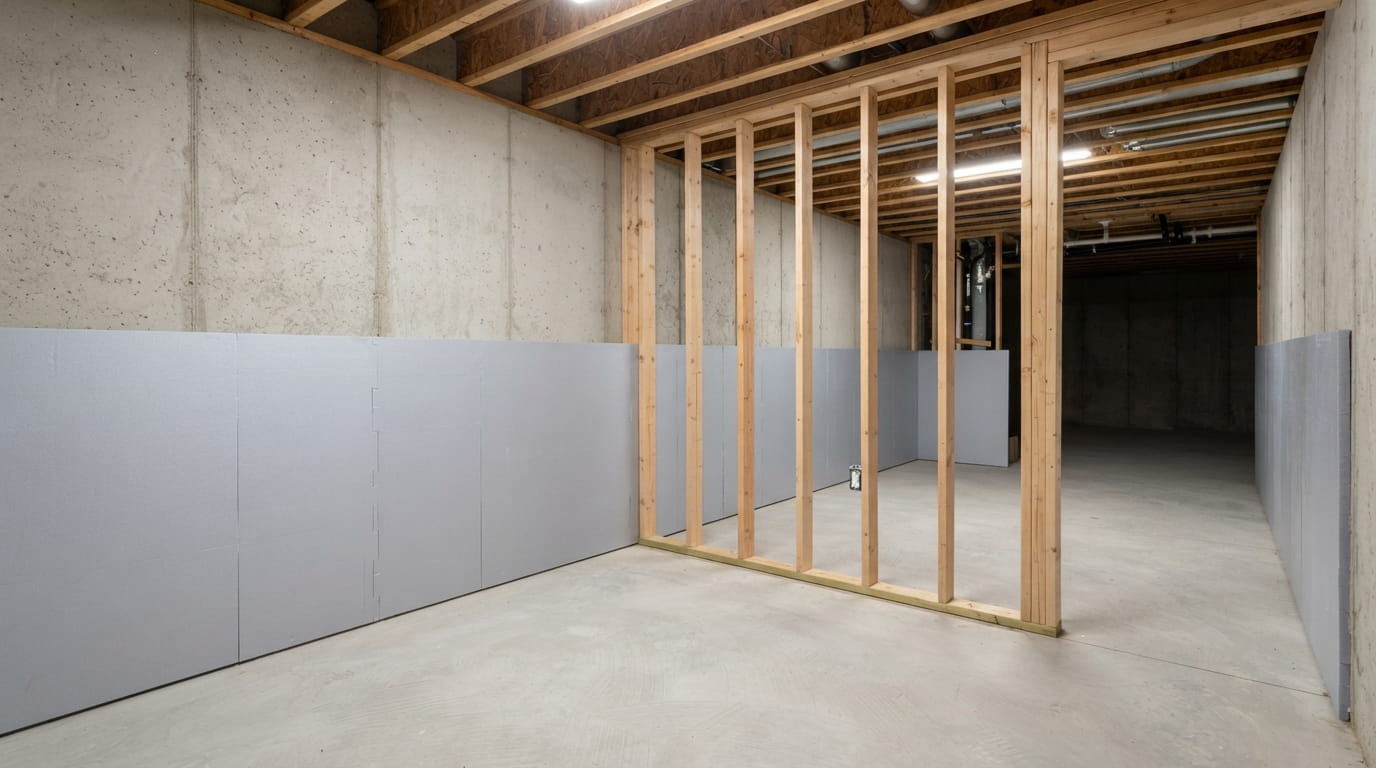
Basement waterproofing is any work that keeps groundwater, rain or snowmelt out of below-grade space, or collects that water and removes it before it reaches finished areas. In Canadian homes, it covers everything from injecting resin into one leaking crack to excavating the foundation, applying a membrane and laying new weeping tile.
Not every wet wall is a leak, though. CMHC’s guide to fixing a damp basement separates basement moisture into water vapour, condensation on cool surfaces and liquid leakage, and points out that condensed moisture can also show up as frost or ice. In January, a damp patch on cold concrete is often condensation. Diagnose before you pay for digging.
Can You Waterproof a Basement in the Winter?
Yes, with one caveat. Interior jobs such as crack injection, interior drainage and sump pits carry on normally in winter because crews work inside a heated house. Exterior excavation is possible too, but frozen ground and cold-weather concrete rules push the price up, so most Canadian homeowners schedule outside work for mid-fall or early spring.
Basement Leak Repair From the Inside
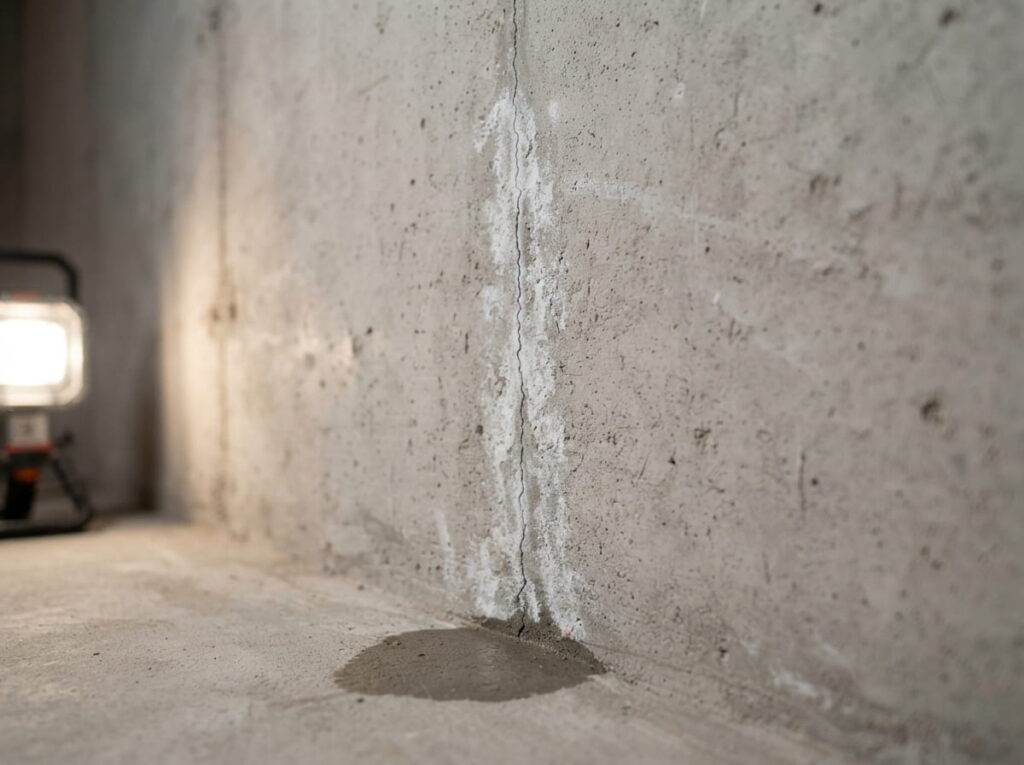
A single leaking crack is the most common winter call, and it’s the easiest to fix. Crews inject the crack from inside in a few hours, and Toronto pricing runs about $450 to $1,100 per crack in 2026. Flexible polyurethane suits an active crack that still moves with the seasons. Rigid epoxy works when a dry crack needs its strength back. leedwaygroup
Injection has limits. It won’t stop water seeping along the joint where the wall meets the floor slab, and it can’t fix a block wall leaking across its whole face. A crack that keeps widening needs a structural assessment first, and our guide to winter foundation repair costs and warning signs explains when to bring in an engineer.
Sump Pump Installation and Backup Power
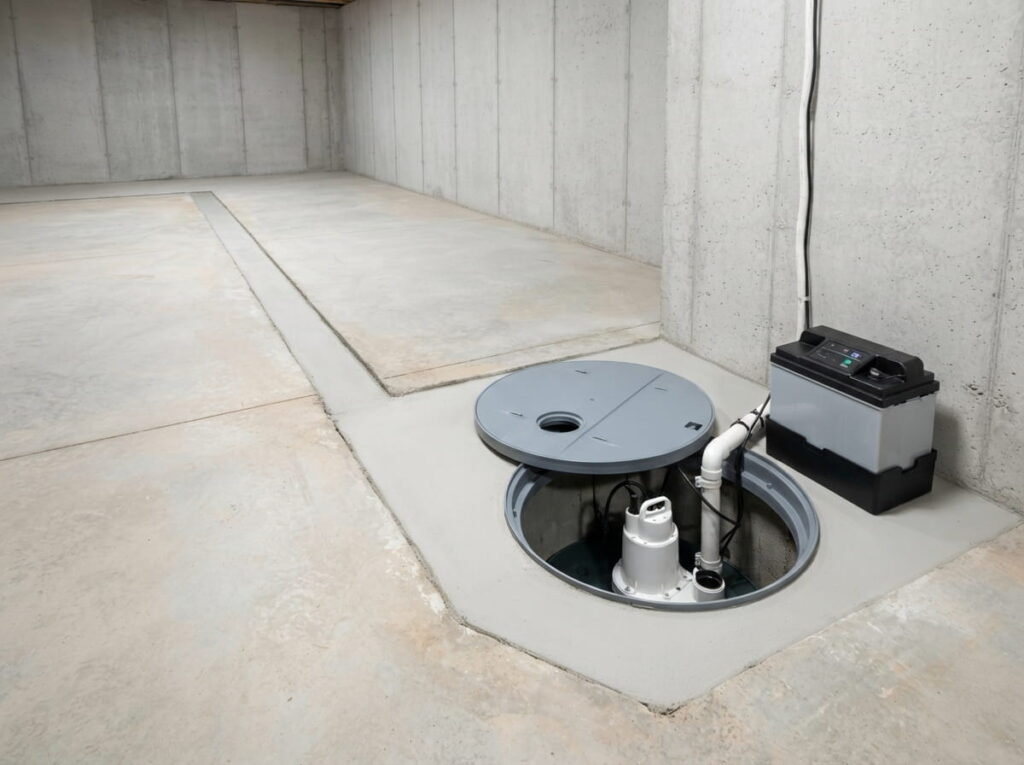
Interior drainage paired with a sump pit is the other job that suits winter. The Government of Canada’s flood-ready advice for protecting your property recommends keeping your sump pump in working order and adding a battery-powered backup in case the power goes out. That second pump earns its keep in Ontario, where ice storms and early melts can overlap. A 2019 Intact Centre assessment found that 85% of Ontario households had no backup sump pump or backup power. canada
Exterior Concrete Foundation Waterproofing in Cold Weather
Outside work is where winter bites. Frozen ground has to be broken mechanically, and some membranes need heat to cure. New concrete also falls under Ontario Building Code cold-weather rules: soil under footings can’t freeze, and concrete placed below 5°C needs 72 hours at 10°C or warmer. Our overview of building through an Ontario winter explains how crews provide that protection. leedwaygroup
Toronto exterior waterproofing runs roughly $150 to $300 per linear foot before any winter premium. Unless water is coming in now, book it for early spring and use the cold months to collect quotes.
| Waterproofing job | Can it be done in winter? | Typical 2026 cost (Toronto/GTA) |
|---|---|---|
| Crack injection | Yes, from inside | $450 to $1,100 per crack |
| Interior drainage and sump pit | Yes, inside a heated basement | Quoted after inspection |
| Exterior membrane and weeping tile | Possible, at a premium | $150 to $300 per linear foot |
| Downspout extensions | Yes, weather permitting | Low, often DIY |
How Do You Protect Your Basement Until Spring?
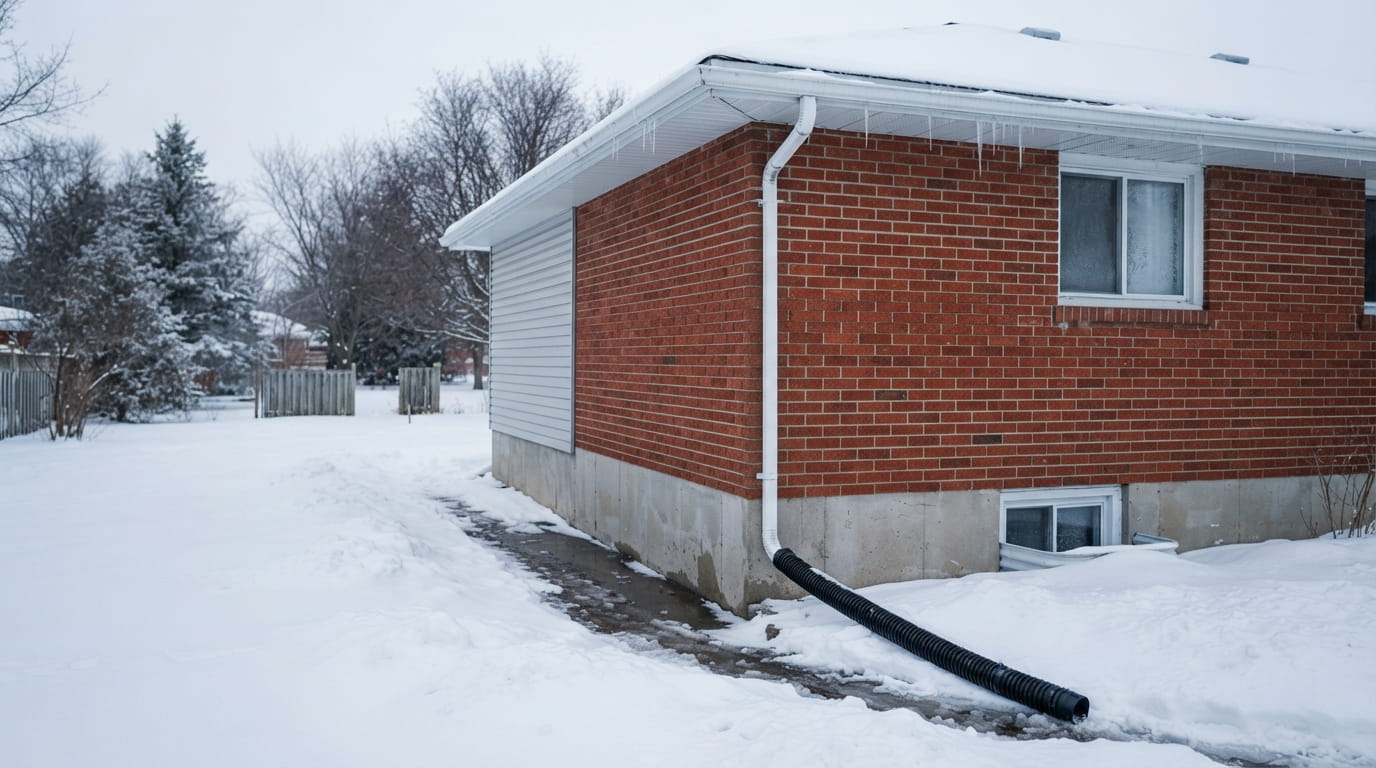
Water damage prevention through winter comes down to moving water away from the foundation and keeping your removal systems ready. Extend downspouts at least 2 metres from the basement wall, test the sump pump and its backup, clear the floor drain, and seal gaps around basement windows before the first thaw.
The federal flood-ready property protection checklist calls for downspouts that reach at least 2 m (6 ft) from the basement wall and for checking that the roof and eaves drain properly in heavy rain. In winter, add one task: keep the storm sewer grate on your curb clear of snow and ice. The stakes are high. The Insurance Bureau of Canada put the average flooded basement at $43,000 in 2018. Property protection +2
Foundation Sealing Before You Finish or Insulate
Winter is when many basement finishing projects start, and that’s where people get caught. Natural Resources Canada’s Keeping the Heat In guide warns against insulating a damp basement from the inside, because interior insulation makes the foundation walls colder, humid air condenses on them, and the new finishes hide the problem as it grows. NRCan also estimates basements can account for about 25 percent of a home’s heat loss, so the urge to insulate makes sense. Seal and drain first. Our Ontario basement insulation cost guide covers the next step once the walls are dry. canada
Frequently Asked Questions
Can you do basement waterproofing when the ground is frozen?
Yes. Interior crack injection, interior drainage and sump work proceed normally because crews stay inside a heated basement. Exterior excavation is possible, but frozen soil must be broken mechanically and new concrete needs cold-weather protection under the Ontario Building Code. That raises the cost, so most homeowners book exterior jobs for early spring.
How much does basement leak repair cost in Ontario in 2026?
Injecting one crack from inside costs about $450 to $1,100 in Toronto, depending on length and access. Sealing that same crack from outside means excavating down to it, which can double the price or more. Full exterior waterproofing in Toronto runs roughly $150 to $300 per linear foot of foundation wall.
Do you need a permit for sump pump installation in Ontario?
Drainage connections and backwater valves generally need a municipal permit in Ontario, while simple interior waterproofing usually doesn’t in Toronto. Call your building department before work starts and ask about flood-protection subsidies. Ottawa and Brantford both offer financial help toward installing sump pumps and backwater valves.
Why does a basement leak during a winter thaw?
Snow banked against the foundation melts during a mild spell, and gravity carries that water downward while saturated soil can build hydrostatic pressure against the wall. The water finds the first crack or joint available. Short downspouts make it worse, which is why federal guidance asks for discharge at least 2 metres from the basement wall.
How do you choose a basement waterproofing contractor in Ontario?
Ontario’s rules for home renovation contracts give you a checklist:
- Get written estimates from at least three contractors, each after an in-person inspection ontario
- Keep the deposit to 10% or less ontario
- Include the estimate in the contract so the final price can’t exceed it by more than 10% without your sign-off ontario
- Contracts of $50 or more signed at home carry a 10-day cooling-off period ontario
Conclusion
Winter doesn’t stop basement waterproofing in Canada; it changes the order of the work. Fix active leaks and add a sump pit with backup power now, protect the foundation from meltwater, and save excavation for spring. Date-stamp a photo of each crack this month so you’ll know by April whether it’s growing.