

Quick Answer Box: Adding a room to a house means expanding your living space with a new area, such as a bedroom or office, through a structured home extension or conversion. The process includes a design phase, securing permits, and constructing the foundation and framing, with costs ranging from $80 to $300 per square foot and typical timelines of several weeks to months.
What is Adding a Room to a House?
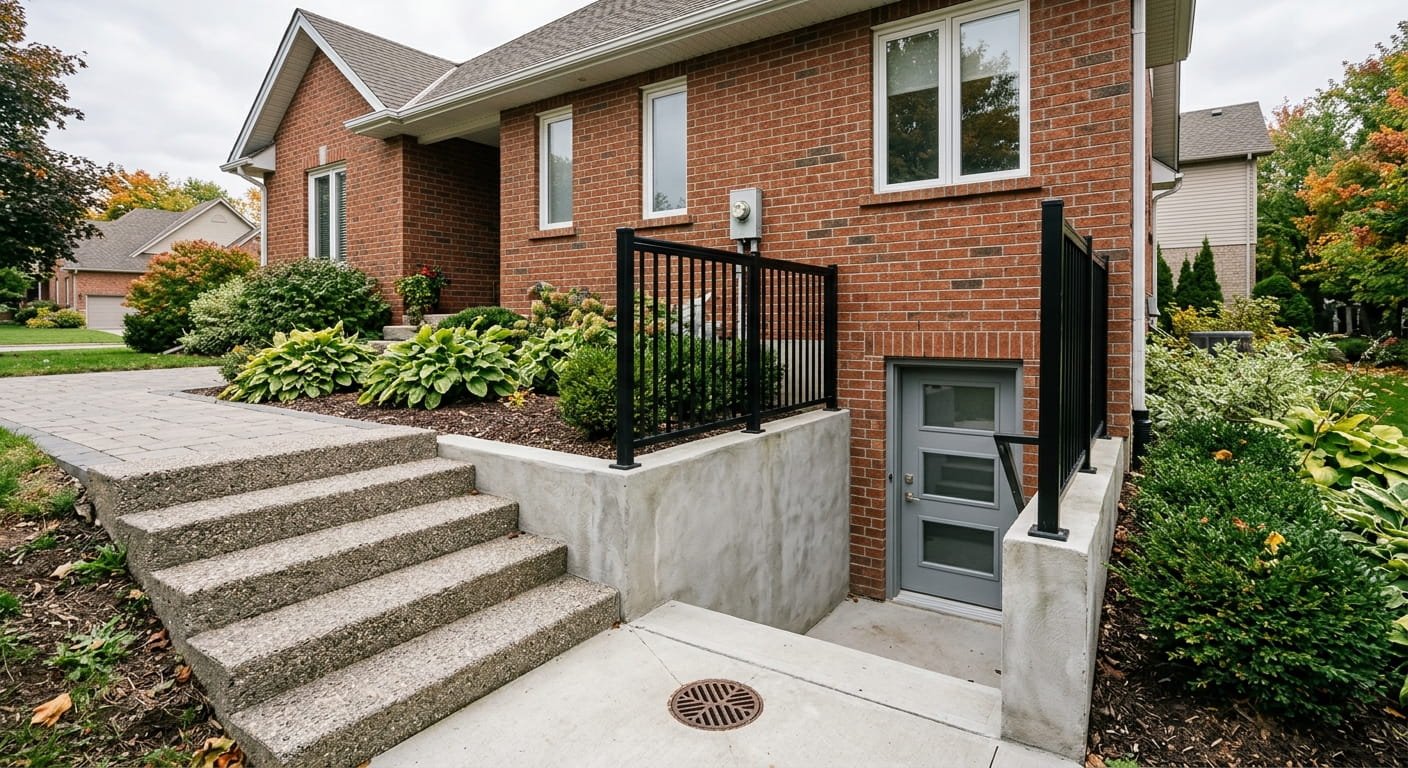
Adding a room to a house refers to increasing the home’s livable square footage by constructing a new room or extending existing areas. These projects can take the form of full room additions, sunrooms, bump outs, or conversions such as finished attics, garages, or basements. Most extensions physically attach to the main structure, requiring careful design phase planning, zoning compliance, foundation work, and finishing.
What Types of Room Extensions and Additions Are Available?
Room additions come in many forms to match various needs and budgets. Full home additions are entirely new rooms, such as bedrooms or family rooms, seamlessly integrated and built to code. Bump outs are smaller extensions like expanding a kitchen or adding a reading nook without increasing a room’s overall footprint extensively.
Sunrooms create a bright space for relaxation, commonly using larger windows and lighter insulation. Garage, attic, or basement conversions make use of existing unfinished or underused spaces, often resulting in a lower overall cost per square foot. Lateral home extensions increase width, while more traditional additions can involve multiple rooms, increasing both the size and complexity of the project. Consider your budget, timeline, and the intended use to choose the best type of extension.
How Do Zoning Laws and Permits Affect Room Additions?
Zoning laws and building permits are essential considerations for any extension or addition to your home. Municipalities regulate the allowable size, location, and height of new rooms, and failing to comply can lead to fines or removal.
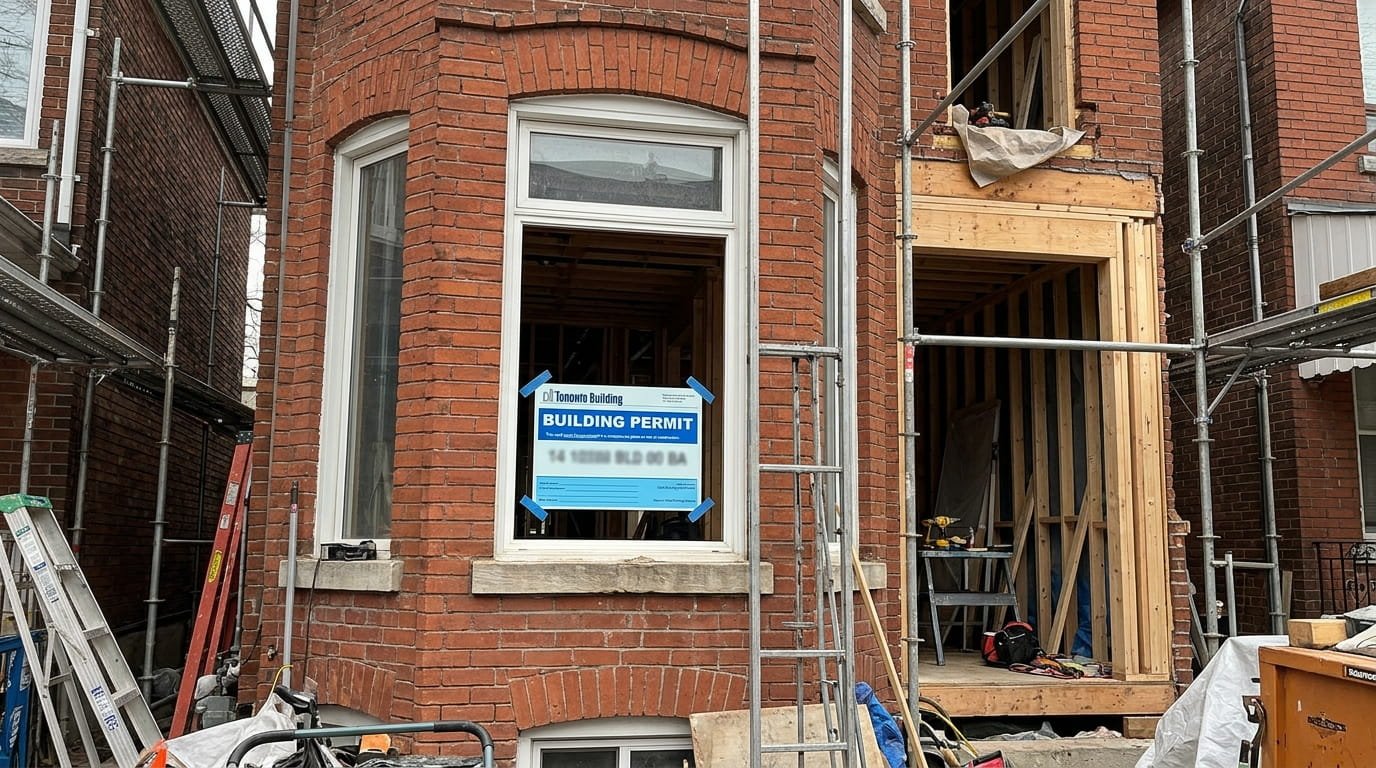
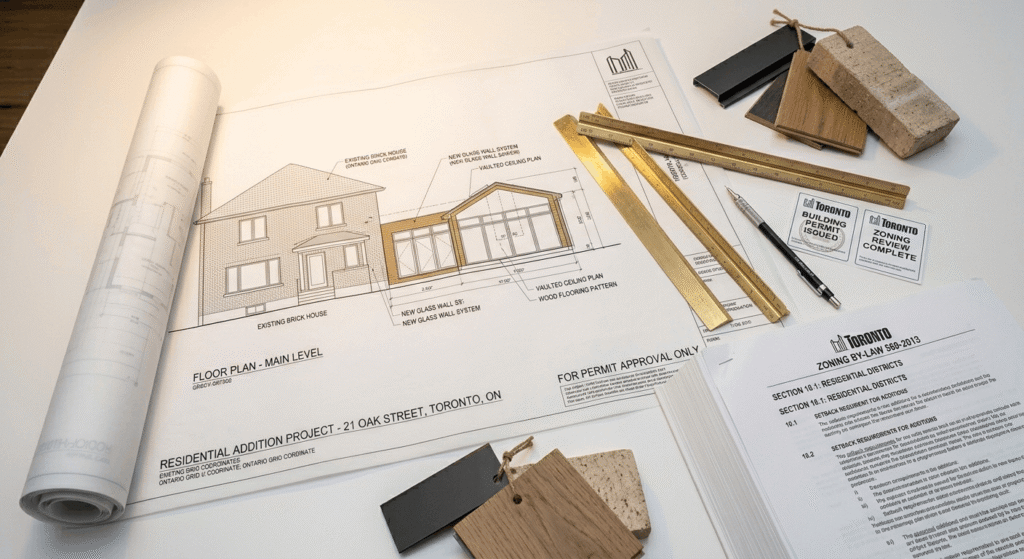
In Ontario, you must adhere to local zoning by-laws and building codes before any structural work begins. Submit detailed plans and permit applications to your city’s building department for approval. For guidance on compliance, applications, and required documentation, see the official Ontario government site. Permits are mandatory to ensure safety and can protect your property’s value when selling or refinancing.
What Is the Typical Timeline and Process for Adding a Room?
A room addition follows a clear step-by-step process:
- Needs Assessment & Budgeting: Define the space’s intended use, set a realistic budget, and consider future needs.
- Design Phase: Work with an architect or designer to create plans. Consider how the square footage integrates with your current layout and systems.
- Permitting: Secure approval from local authorities, which can take several days to weeks, especially in Ontario.
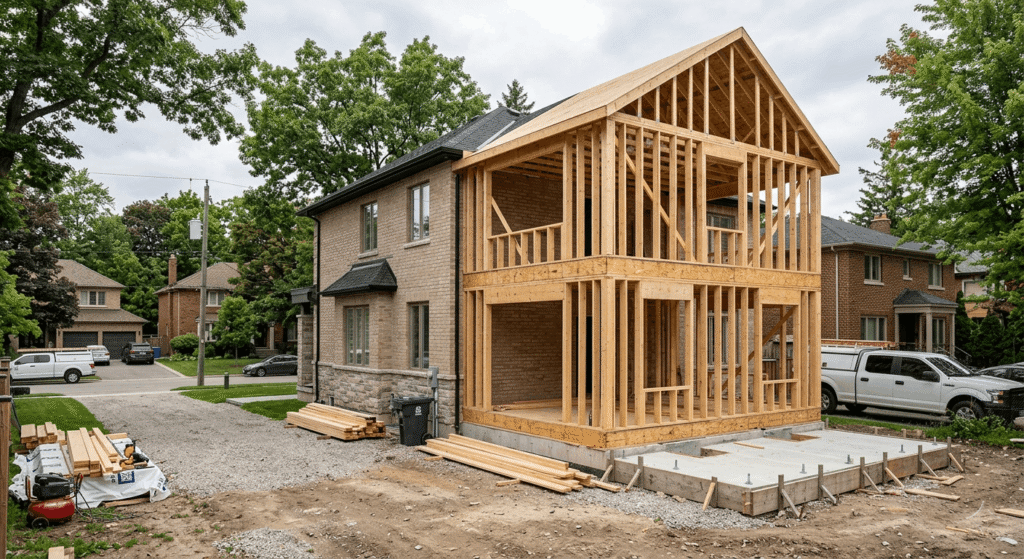
- Foundation and Framing: Prepare the site, pour a new or retrofit foundation, and build the framing for walls, floors, and roof.
- Utilities and Integration: Upgrade or extend electrical, plumbing, and HVAC systems to the new space for code compliance.
- Inspections: Schedule and pass inspections at critical stages such as framing and utilities.
- Finishes: Install drywall, flooring, doors, windows, and fixtures, then paint and complete final touches.
- Final Inspection and Occupancy: After passing the last inspection, the room is cleared for use.
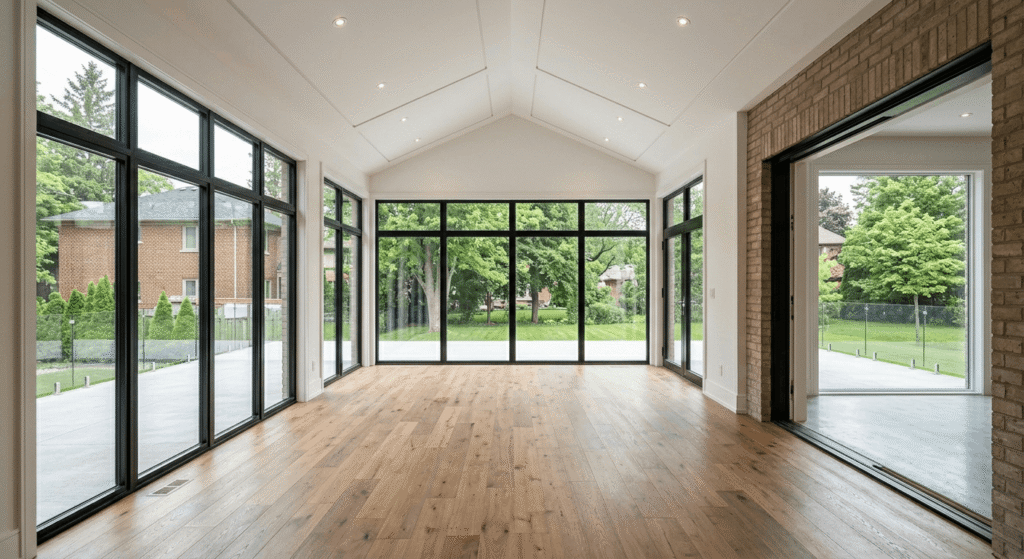
Timelines depend on the scale and complexity: minor bump outs or garage conversions may finish in four to eight weeks, while multi-room extensions can take three to six months. Delays can result from permit backlogs, weather, and material availability. For inspiration, explore Projects recently completed by local builders.
Framing and Foundation Considerations
Framing and foundation work are the backbone of a quality addition. The right foundation type slab on grade, crawlspace, or full basement is determined by soil, the size of the extension, and your home’s existing structure. Early evaluation by a professional is crucial, especially for older homes requiring retrofitting or structural reinforcement. Strong framing ensures stability, helps prevent later repairs, and supports future finishes and fixtures.
What Are the Costs to Add a Room to a House?
The cost to add a room to a house varies greatly with the size of the extension, design complexity, labor cost, and local requirements. Typical costs are driven by the quality of materials, square footage, and necessary upgrades to utilities or codes.
Average Cost per Square Foot: Nationally ranges from $80 to $300, based on data from Angi and HomeGuide.
Example Project Costs:
- 12×12 bedroom (144 sq. ft.): $17,000–$34,000
- 20×20 family room (400 sq. ft.): $47,000–$160,000
- Garage conversion: $10,000–$20,000
- Sunroom or home office: starting as low as $8,000
- Multi-room or second-story additions: $250,000–$600,000+
Expect a large portion 40% to 60% to go to labor cost, including carpenters, electricians, and other trades. Complex designs, high-end finishes, or challenging structural needs can increase overall pricing. Don’t overlook additional expenses: permit fees, unplanned repairs, and code-mandated upgrades. Always include a buffer of 10–15% over your initial cost estimate to handle surprises. For budgeting strategies, see Planning & Financial Guidance.
Labor Cost Breakdown in Room Additions
Labor is a major factor in any room addition, commonly making up half or more of the project’s total cost. This includes general contractors, carpenters, electricians, plumbers, and HVAC technicians.
Labor may be billed hourly or as a lump sum, with higher rates for more specialized or demanding tasks like custom framing or intricate finishes. Lower labor costs may be possible with straightforward projects or by handling some tasks yourself, but all work must meet safety and code requirements. To keep labor affordable:
- Solicit detailed bids from multiple contractors.
- Check references and completed project portfolios such as Weldon Drive Custom Home.
- Ensure each quote lists all relevant trades and potential contingencies.
Timely approvals, clear project scopes, and prompt payments help prevent costly change orders or delays. For a full overview of services related to labor and construction, visit Services.
Room Addition Types, Costs & Timelines
| Addition Type | Typical Cost Range | Timeline | Best Use Cases |
|---|---|---|---|
| Full Addition | $40,000–$200,000+ | 3–6 months | Bedrooms, suites, multi-room |
| Bump Out | $10,000–$30,000 | 2–6 weeks | Home office, reading nook |
| Sunroom | $8,000–$30,000 | 1–2 months | Recreation, garden room |
| Garage Conversion | $10,000–$20,000 | 4–8 weeks | Bedroom, rec room, rental |
| Attic/Basement Conversion | $25,000–$50,000 | 2–4 months | Playroom, extra suite |
Cost and timeline estimates depend on local regulations, project size, and availability of skilled labor.
Frequently Asked Questions
1. How long does adding a room to a house usually take?
A small extension, like a bump out or garage conversion, takes about 4–8 weeks. Full-scale additions or second stories extend the timeline to 3 to 6 months. Factors such as weather delays, permit times, and the complexity of the design phase all influence the schedule.
2. What is the average cost per square foot for a room addition?
Room addition costs typically range from $80 to $300 per square foot. The exact amount depends on the type and size of extension, region, labor cost, choice of finishes, and whether code upgrades or utility work are needed.
3.What are the key steps to a successful room addition?
To ensure a successful project:Define your goals and square footage needsComplete the design phase with detailed plansSecure all required zoning and permitsChoose the right foundation and framing methodsHire qualified contractorsAllocate extra budget for unexpected costs
Each phase supports a safe, compliant, and valuable home improvement.
4. Is it better to build up or build out when adding a room?
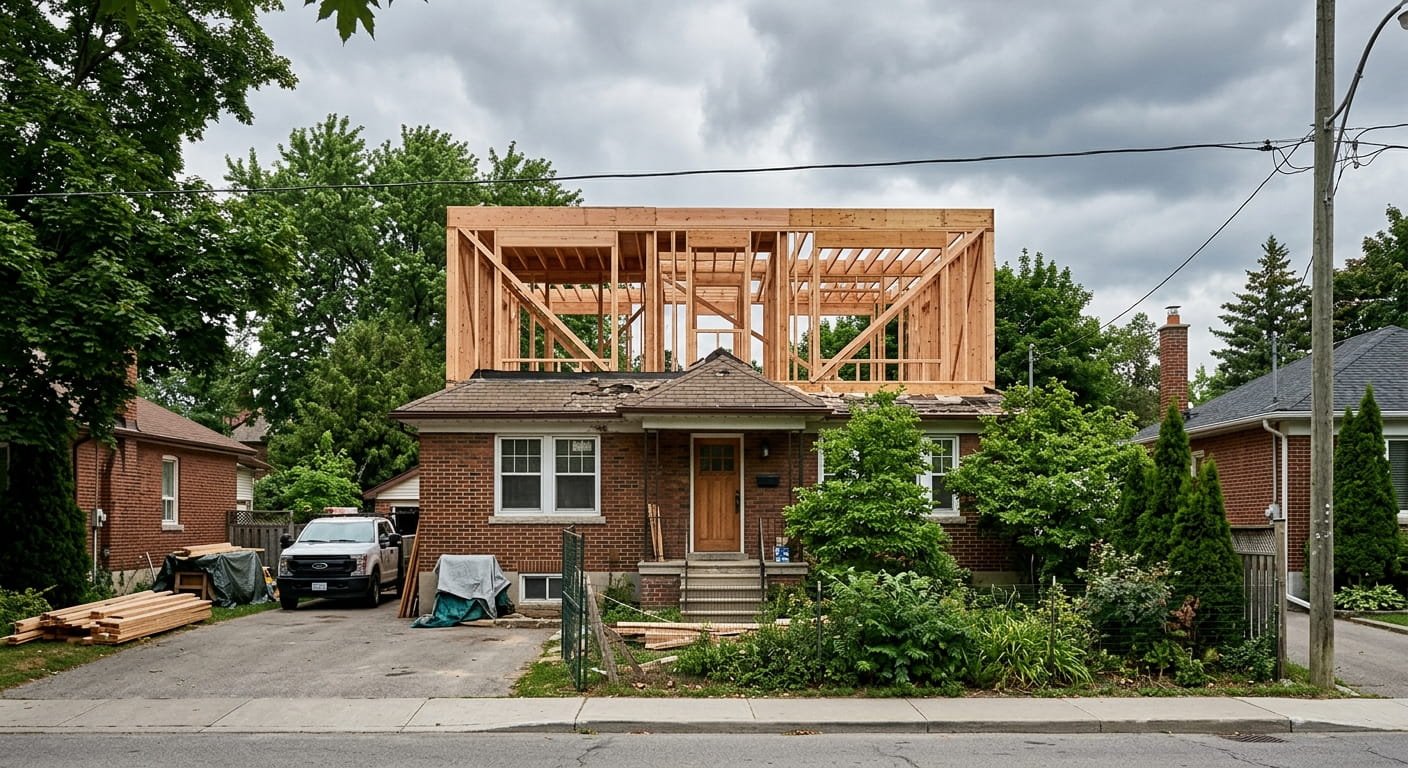
This depends on your lot size, foundation, zoning laws, and budget. Building out (adding ground-floor extensions or bump outs) is often simpler if you have ample space, but it might require additional foundation work and affect yard size. Building up (second-story additions) maximizes square footage without reducing your lot but tends to cost more due to extra framing, structural support, and integration with the existing structure. Consult with building professionals, such as those at Leedway Group, to determine the best approach for your home and goals.
5. What pitfalls should I avoid when planning a home addition?
Common mistakes include underestimating the total cost, overlooking the time needed for permits and inspections, failing to plan for foundation or framing issues in older homes, and hiring unvetted contractors. It’s crucial to build in a financial cushion, work with reputable professionals, ensure zoning compliance, and obtain the proper permits to avoid costly delays or code issues. For more tips and guidance, review FAQ and Planning & Financial Guidance.
Conclusion
Adding a room to a house is an effective way to expand your living space and increase your property’s value when planned carefully. From the design phase through permits, foundation, labor cost, and finishing, understanding every step including zoning and timeline considerations helps ensure a smooth project. By choosing the right extension type, controlling costs, and working with skilled professionals, you can achieve a functional, stylish home addition that meets your needs. For further guidance, visit Planning & Financial Guidance or explore About Us to see how experienced experts manage the process efficiently.