

Quick Answer Box: A home addition adds real value in Canada, but the return depends on what you build and where. In Ontario, most home additions deliver 50–75% ROI at resale, while legal secondary suites can reach 75–95%. The cost to build a home addition in the GTA ranges from $200 to $650+ per square foot depending on project type and complexity.
What Is a Home Addition?
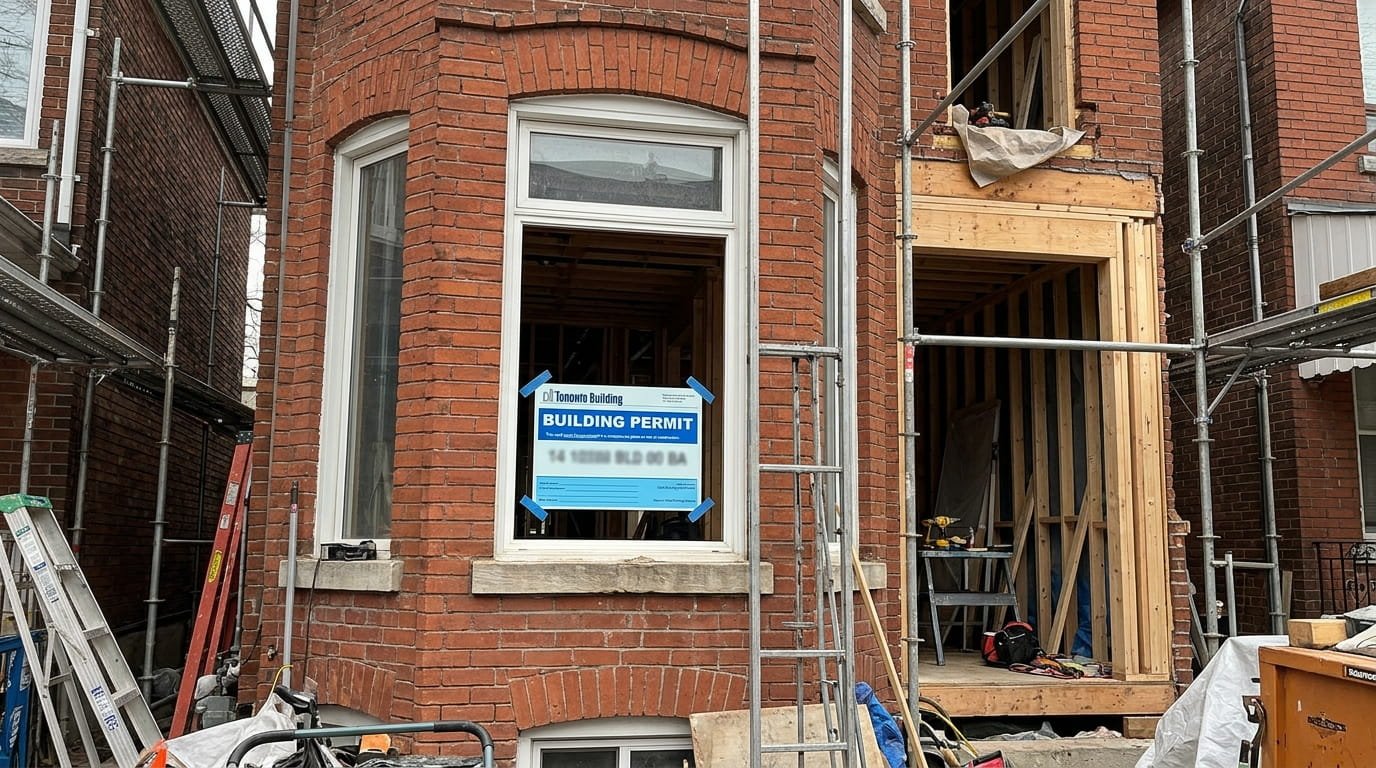
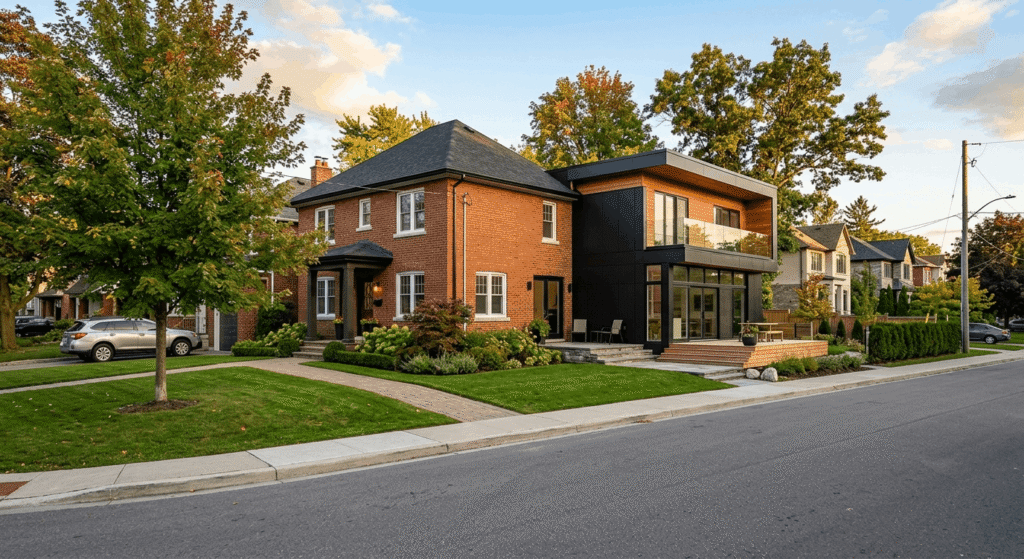
A home addition is any permanent structural expansion of an existing property, whether you’re extending the ground floor, building up a second storey, or converting a garage into livable square footage. In Ontario, every such structural expansion requires a building permit from the local municipality, must comply with the Ontario Building Code, and must respect the property’s zoning by-laws. Projects range from a modest single-room bump-out to a full second-floor remodel, each carrying different costs, timelines, and investment potential.
What Is the ROI of a Home Addition in Ontario?
Most Ontario homeowners can expect a return of 50–75% on a home addition at resale, based on 2026 TRREB valuation data tracked by Toronto-area design-build contractors. That means a $200,000 project realistically adds $100,000–$150,000 to your home’s market value at completion.
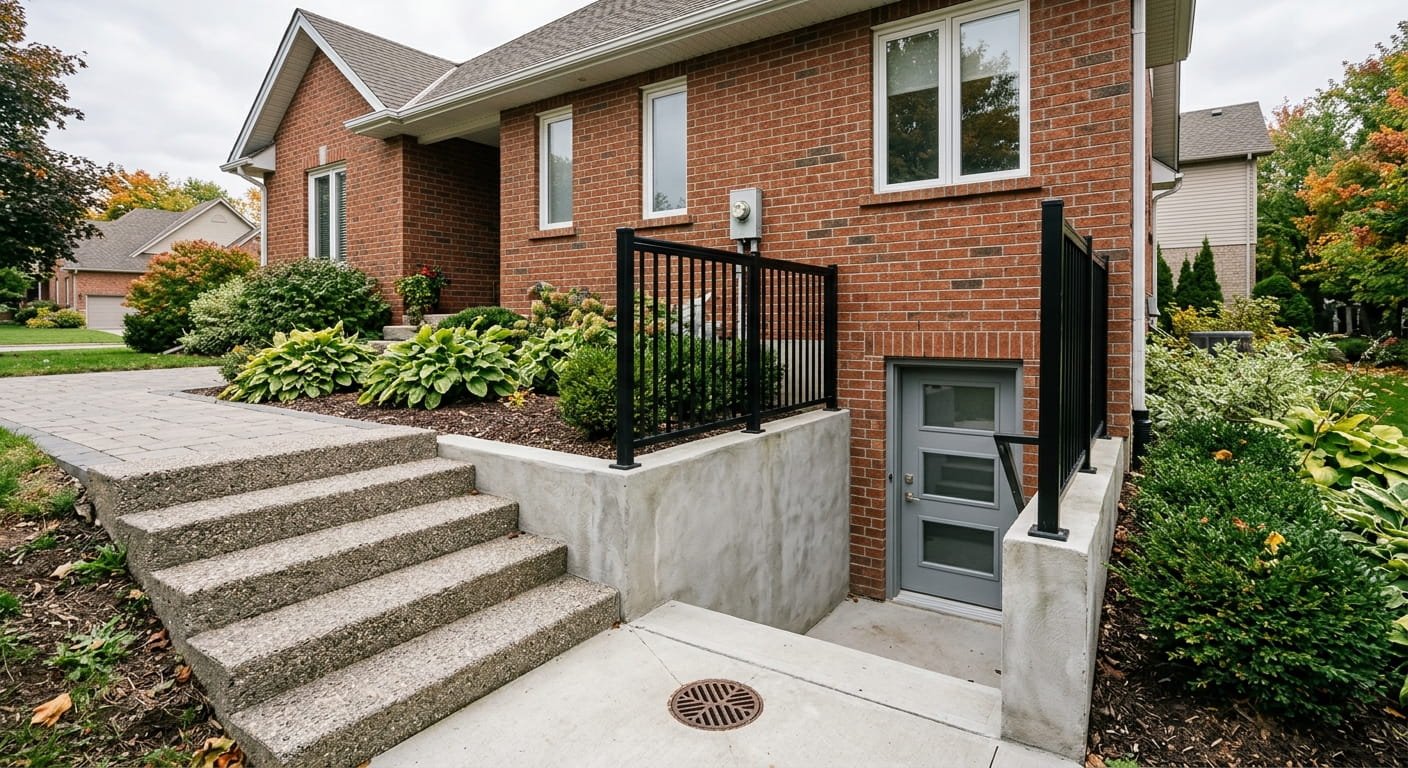
The type of addition matters more than how much you spend. Legal secondary suites deliver the highest ROI in Ontario, with Toronto 2026 data showing returns of 75–95%. A properly permitted basement apartment or in-law suite can add $80,000–$200,000 to appraised value while generating $1,500–$2,500+ per month in rental income. When 10-year cash flow is factored alongside equity improvement, well-executed suite projects frequently exceed 100% return on investment. For a closer look at how rental income compounds returns on multi-unit residential properties, the guide on how multi-plex additions generate long-term rental income is worth reviewing before you scope your project.
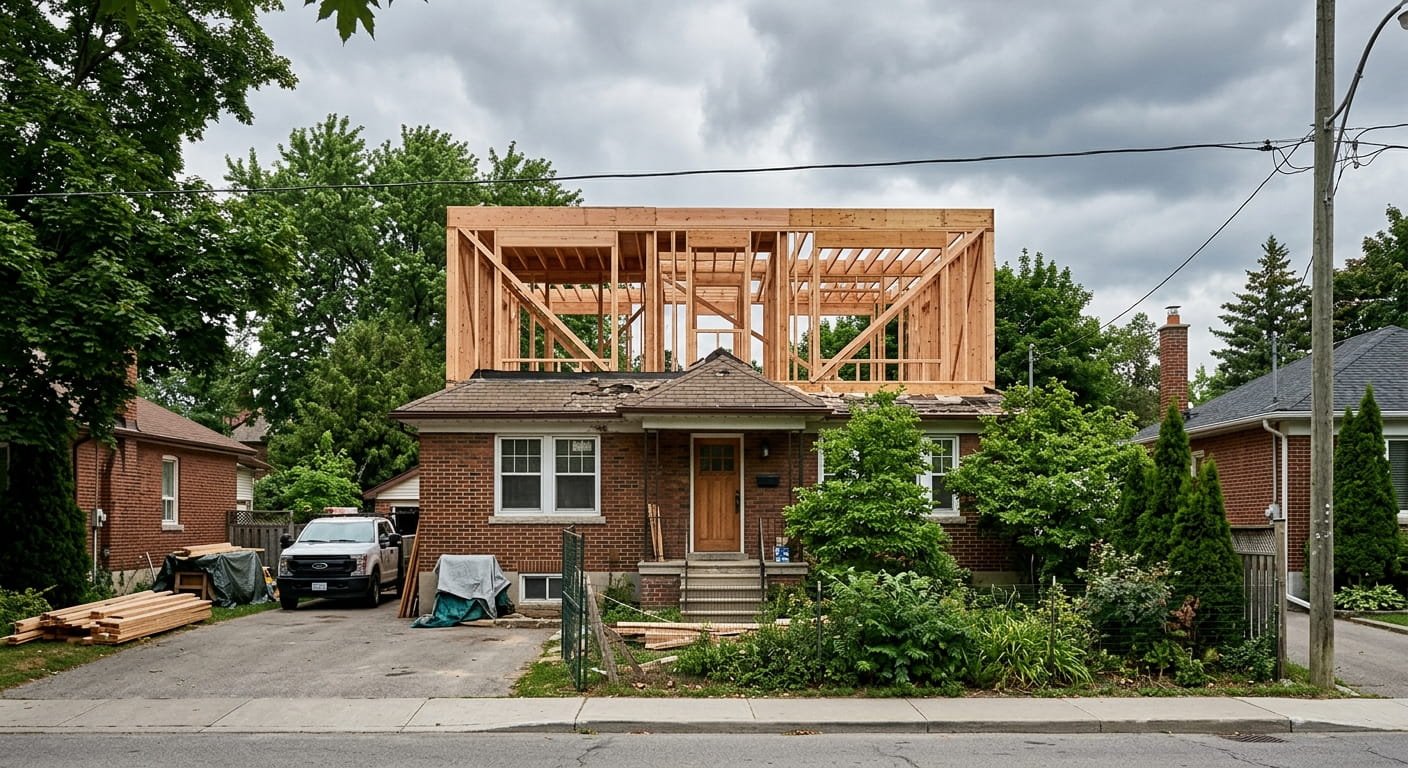
Second-storey additions return 70–85% in 2026 GTA markets. Rear and side extensions return 65–80%, while sunrooms and garage conversions sit lower on resale value increase but still improve livability and some buyer appeal.
One angle most homeowners overlook: moving up in the GTA is expensive. Real estate commissions run 4–5%, the combined Ontario and Toronto municipal land transfer tax can exceed $30,000 on homes over $1.5 million, legal fees add $3,000–$5,000, and moving costs $3,000–$8,000. Total transaction costs for upgrading to a larger home routinely exceed $150,000–$250,000 before gaining a single square foot. A well-planned expansion often costs less than the friction of selling and buying, while simultaneously increasing the resale value of the property you already own.
The ceiling on your return is set by neighbourhood comparables, not your investment size. Adding $600,000 in construction to a street where comparable homes sell for $1.1 million won’t recapture full cost at sale. For remodelling ideas that stay within market-appropriate budgets, the stylish renovation ideas that boost resale value guide is a solid reference before finalising your scope. Good remodelling choices keep you below the neighbourhood ceiling.
How Much Does a Home Addition Cost in Ontario?
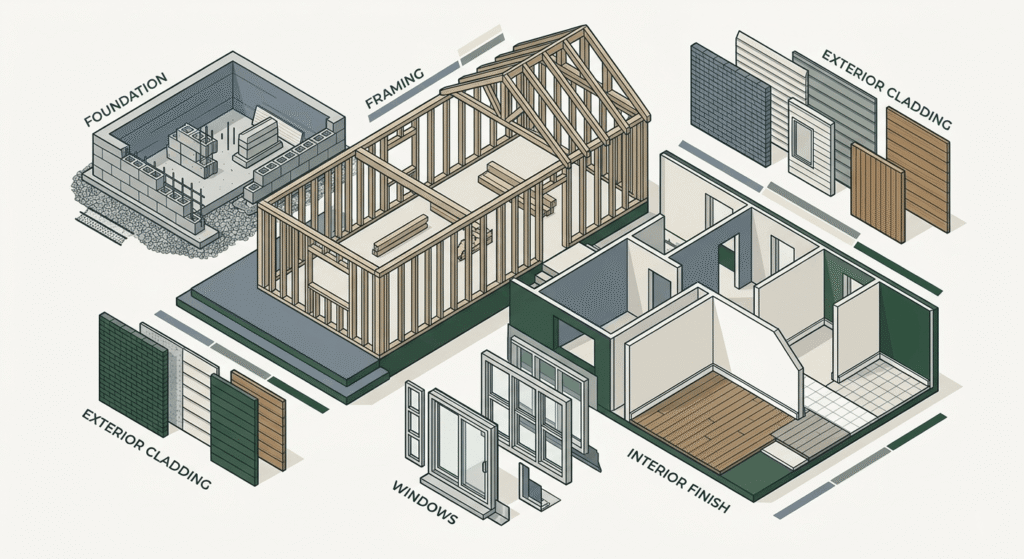
The cost to build a home addition in Ontario in 2026 ranges considerably by project type, and understanding that range is the starting point for any realistic improvement or investment plan. Current per-square-foot estimates across the province are:
- Single-storey rear addition: $200–$350/sq ft
- Second-storey addition: $250–$400/sq ft (GTA complex projects: up to $650+)
- Sunroom: $150–$250/sq ft
- Garage conversion: $100–$200/sq ft
For total project budgets, a basic single-room bump-out runs $40,000–$120,000. A mid-sized rear addition of 400–600 square feet in Toronto costs $150,000–$300,000. Full second-storey projects range from $250,000 to $500,000+.
Soft costs catch many homeowners off guard. Drawing fees for the project run $3,000–$6,000 with a BCIN-registered designer. The Ontario government’s building permit process requires a complete application with construction drawings, structural calculations, and compliance details before any construction begins. In Toronto, the base building permit is calculated at $18.56 per square metre, with separate HVAC and plumbing permits on top. Set aside 15–25% of your total budget for design, engineering, and permits. A 10–20% contingency for construction surprises is essential, not optional, in 2026.
Labour accounts for 35–45% of an addition budget in Ontario, making contractor selection one of the most cost-sensitive decisions in the entire process. Leedway Group’s renovation, addition, and garden suite service includes permit management as part of the design-build process across the GTA, reducing the soft cost surprises that derail many homeowner budgets.
Frequently Asked Questions
1. Does a home addition increase property taxes in Ontario?
Yes. Once your addition is assessed by MPAC (Municipal Property Assessment Corporation), your property’s assessed value increases, which typically raises your property taxes. The size of the increase depends on the addition’s scope, your municipality’s tax rate, and when your next reassessment occurs. Factor an estimated tax increase into your annual carrying costs before committing to a final budget.
2. Do I need a building permit for a home addition in Ontario?
Yes, all structural additions in Ontario require a building permit from your local municipality. You’ll need architectural drawings, Ontario Building Code compliance documentation, and often a structural engineer’s sign-off. Building without a permit creates legal liability, insurance problems, and significant complications when selling or refinancing. In Toronto, permit review for residential additions typically takes 4–12 weeks after a complete submission.
3. Which type of home addition has the best ROI in Ontario?
Legal secondary suites deliver the strongest ROI, consistently returning 75–95% and often exceeding 100% when 10-year rental income is included. Second-storey additions return 70–85% in 2026 GTA markets, and rear or side extensions return 65–80%. Sunrooms and garage conversions offer lower resale ROI but add livability and modest market appeal.
4. How long does a home addition take to build in Ontario?
Smaller bump-out or single-room additions take 6–12 weeks to construct once permits are approved. Larger second-storey projects run 6–7 months from construction start to occupancy. With permit review adding 4–12 weeks upfront, most GTA projects of this scope require a total timeline of 6–12 months from initial planning through to move-in.
5. Can a home addition hurt resale value in Ontario?
Yes, in specific circumstances. Overbuilding beyond neighbourhood comparables, unpermitted work, or poor design integration all compress returns. Buyers and their lenders flag unpermitted square footage during financing and inspection, which can stall or kill a sale entirely. Always benchmark your proposed addition against comparable sales on your street before locking in the scope and budget.
Conclusion
A home addition is one of the most effective ways to grow equity and living space simultaneously in Ontario’s real estate market. Most additions return 50–85% at resale, secondary suites frequently exceed that benchmark, and the full cost comparison with moving often favours building. The difference between a strong investment and an expensive renovation comes down to permitted work, a scope matched to neighbourhood comparables, and experienced design-build execution.
Before committing, the renovation versus rebuild analysis is a practical resource for confirming that expanding your property is the right path for your specific financial goals.