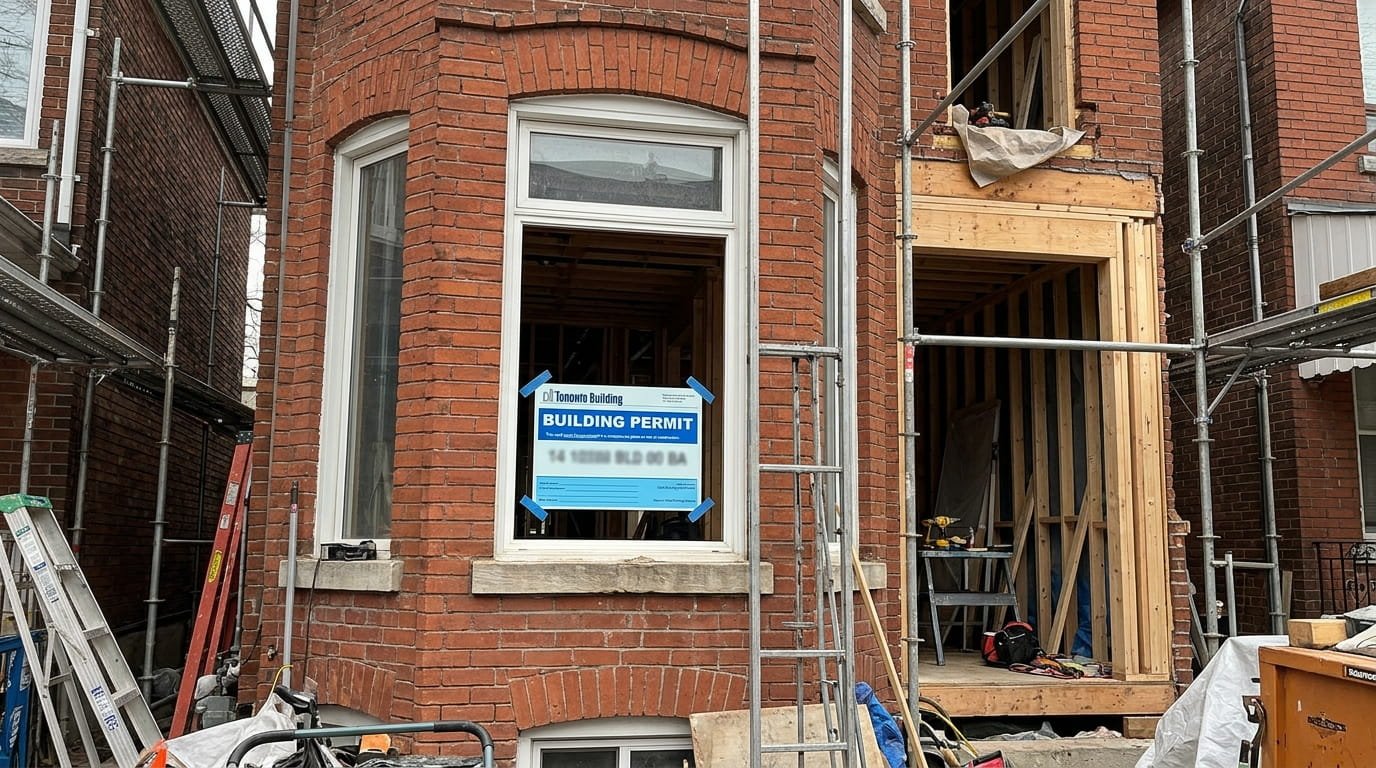


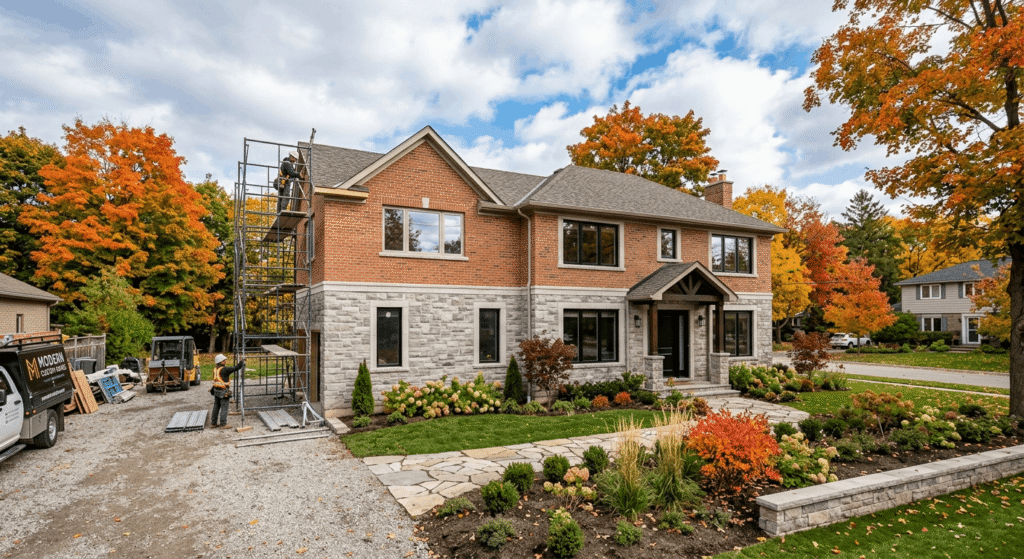
Quick Answer Box: The average house addition cost in Ontario in 2026 ranges from $350 to $500 per square foot, with Toronto projects often exceeding $650. Prices depend on factors like type, size, finishes, and location. Expect to spend between $40,000 and $350,000 for most standard additions, while luxury or complex builds may cost significantly more.
Planning an addition? Leedway Group designs, permits and builds home additions across Toronto, Mississauga and the GTA. See our home additions service.
What is a Home Addition in Ontario?
A home addition in Ontario is a construction project that increases the living area of an existing house by building extra rooms, adding new floors, or expanding the current structure. Due to the province’s strong housing market and regulatory environment, many homeowners pursue additions to tailor their space and increase property value instead of moving.
Average House Addition Cost Ontario: 2026 Overview
Understanding house addition cost in Ontario for 2026 is crucial for anyone planning to expand their home. Based on data from industry leaders, the average pricing is as follows:
- Ontario average: $350–$500 per square foot for standard additions
- Toronto/GTA: $400–$650+ per square foot, particularly with upscale finishes or intricate designs
- Basic single-room or bump-out additions: $40,000–$120,000 total
- Permits and soft costs: Set aside 10–20% of your budget for permits, architectural, and engineering fees
- Overall project range: $50,000–$550,000 based on size and complexity
- Ultra-custom and luxury builds: $600,000–$1,000,000+ for expansive or luxury-focused additions
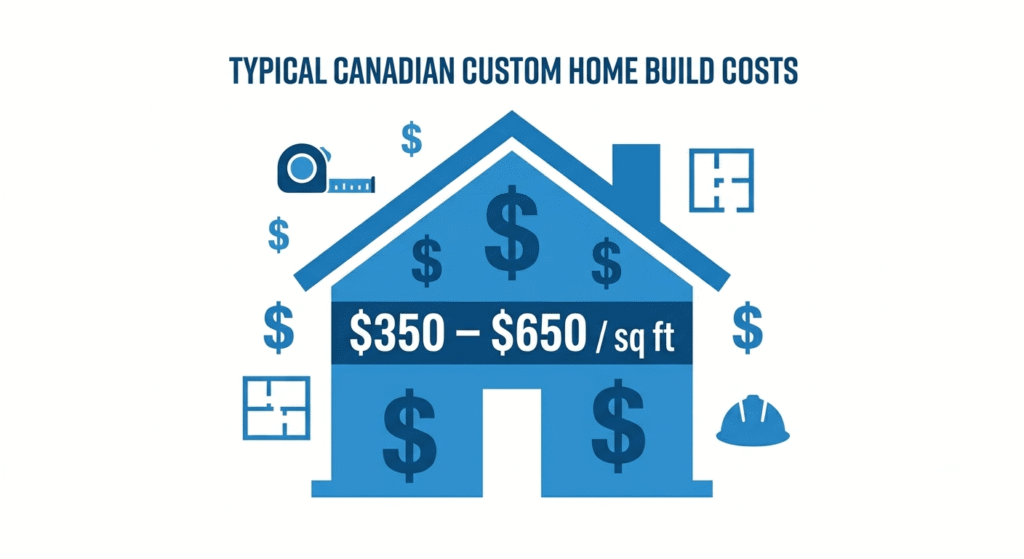
These figures may change with market trends and the cost of labor or materials. High demand, especially in the GTA, drives higher per-square-foot rates. Always budget a 10–20% contingency to account for inflation and unforeseen issues. If you are interested in high-value returns, Toronto projects may command the greatest resale increases in the province.
Square Footage of an Average House
The square footage of an average house in Ontario typically ranges from 1,200 to 2,000 square feet, but most home addition projects look to add 200–1,200 sq ft, depending on the family’s needs and the property’s existing layout.
Types of Home Additions and Their Costs
The type of addition you choose will greatly influence the final price. Ontario’s most popular expansion types include second storeys, bump-outs, kitchens, bathrooms, garages, sunrooms, and in-law suites. Each serves a unique function and has its own pricing trends.
Second Storey Additions
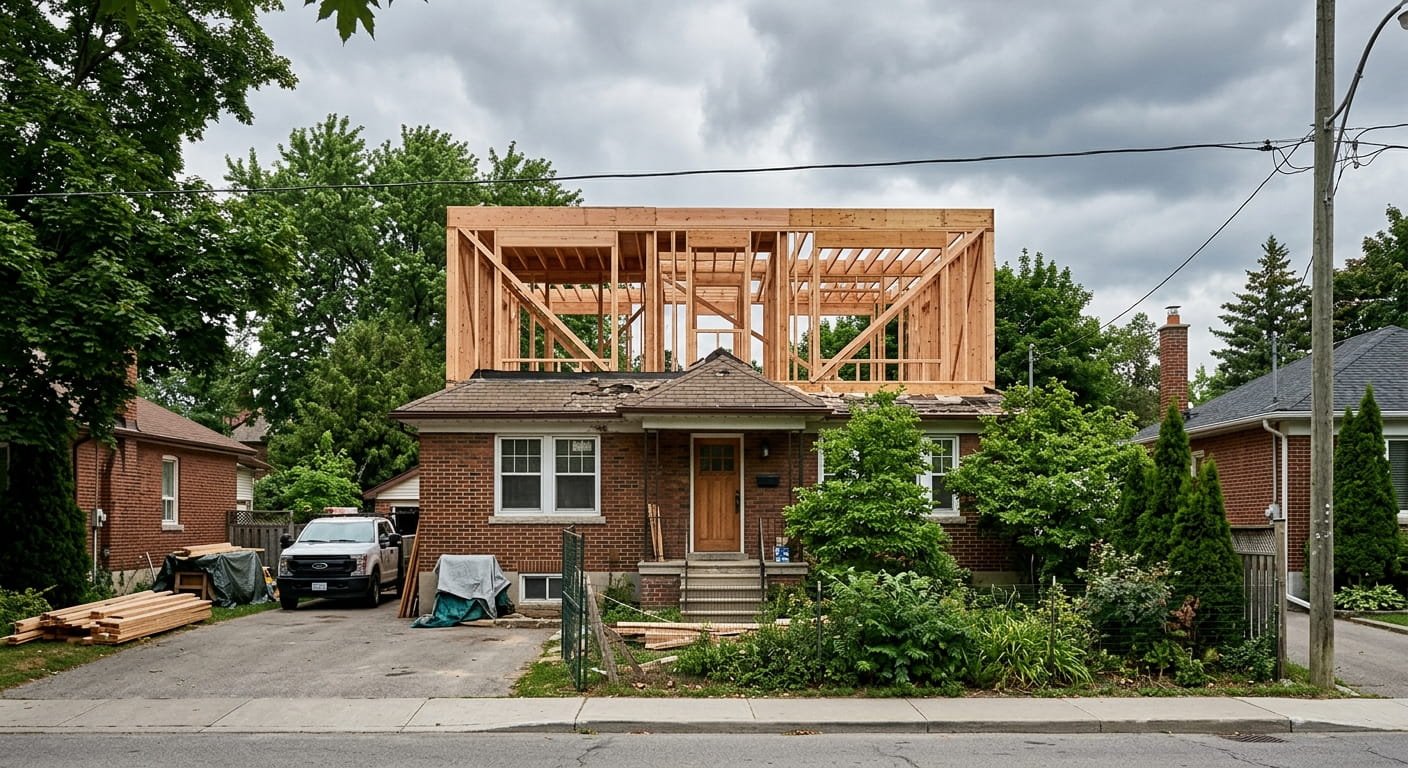
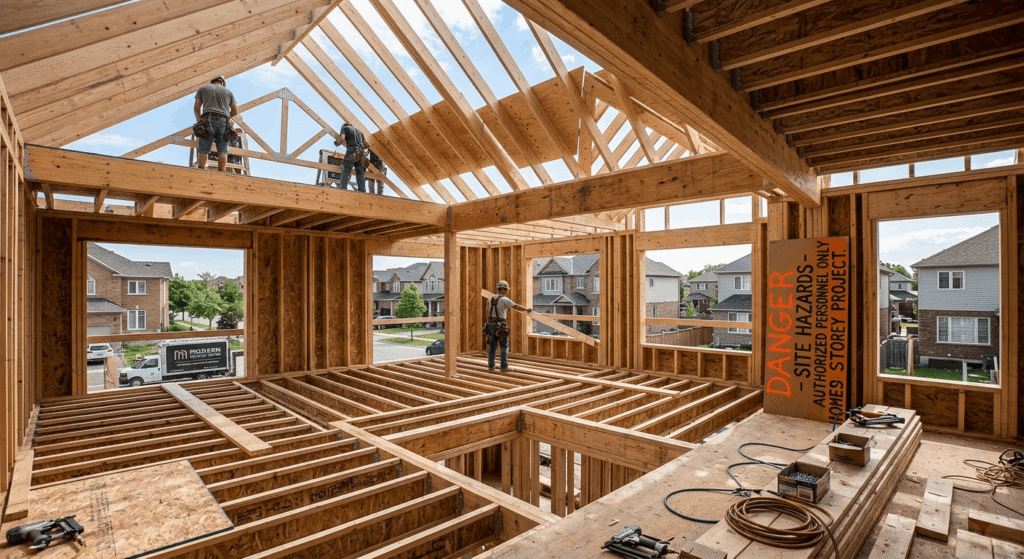
Building a second storey is among the most substantial types of house addition cost Ontario homeowners encounter. This process requires removing the roof, reinforcing the home’s structure, and investing in significant design and engineering work.
- Cost: $375–$550 per square foot (Toronto: $400–$700+)
- Typical project: 800–1,200 sq ft costs $300,000–$550,000+
- Factors: Engineering studies ($1,200–$4,000), extensive permits, possible relocation
Second storeys excel in high-density markets like Toronto and Ottawa and typically yield a strong return on investment by maximizing valuable land.
Engineering and Permitting for Second Storey Projects
Ontario Building Code compliance is mandatory, as are detailed engineering reports to ensure safety and meet the HCRA Ontario requirements. Allow extra time for municipal reviews and permit applications, which can stretch the project’s total timeline.
Room Additions (Bedroom, Living Room, Office)
Simple room additions are a flexible solution for growing families. These typically include bedrooms, living rooms, offices, or small extensions and can rapidly add highly usable square footage.
- Cost: $300–$400 per square foot
- Total: $40,000–$120,000, depending on size and finish level
- Timeline: 6–12 weeks is typical
These projects are often the fastest and least disruptive but still require full permitting and must follow the Ontario Building Code. Even small rooms demand adherence to safety and egress requirements.
Kitchen and Bathroom Additions
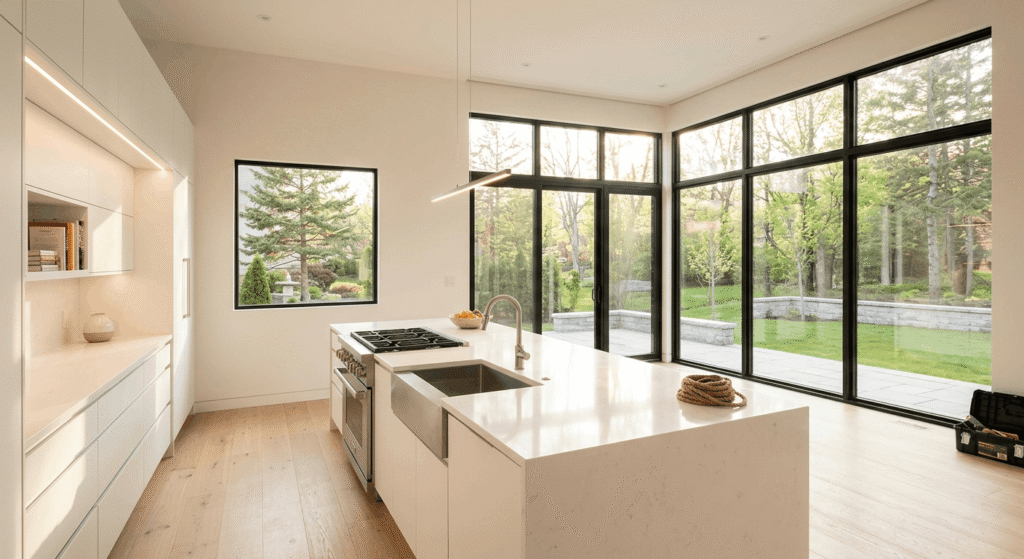
Kitchens and bathrooms rank as the most expensive spaces to add because of plumbing, electrical upgrades, and costly finish options.
- Kitchen: $500–$700 per square foot
- Bathroom: $600–$800 per square foot
- Average investment: $50,000–$200,000+
Investing in custom cabinetry, stone counters, or luxury appliances can push the house addition cost well above the average. These projects often add major resale value but involve longer timelines and more complex inspections.
Garage and Sunroom Additions
A garage or sunroom can add functional or lifestyle value.
Garage:
- Cost: $250–$370 per square foot, depending on finish
- Features: Parking, storage, or workspace
Sunroom:
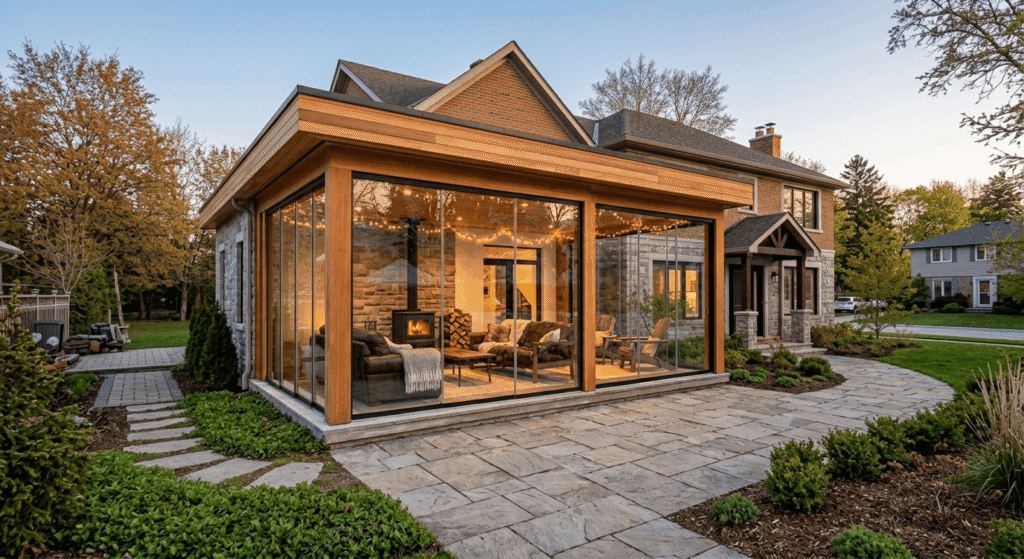
- Three-season: $250–$350 per square foot
- Four-season/finished: $350–$450 per square foot
If you plan to add a garage, garage plans in Ontario Canada must comply with the same Building Code Act standards as the main structure. Sunrooms are desirable for lifestyle, but their return on investment can be more limited than other additions.
In-Law or Rental Suites
Adding an in-law suite or rental unit responds to rising demand for multigenerational and rental-friendly properties across Ontario.
- Cost: $250,000–$350,000+ for fully independent, code-compliant units
- Regulations: Comply with separate egress, local bylaws, and require additional inspections
Rental suites offer potential income and are especially valuable in high-demand areas. Always check municipal zoning rules and separate entrance/egress mandates before planning this type of addition.
What Drives House Addition Prices?
Calculating home addition prices demands more than just multiplying square footage. Several key influences impact your budget and project outcome.
- Type and size: Larger or more intricate additions raise both material and labor costs
- Design complexity: Custom layouts, unique materials, or major system upgrades (like HVAC) add to expenses
- Finish quality: The difference between builder-grade and luxury fixtures can shift total cost significantly
- Material selection: From siding to countertops, your choices set the tone for both appearance and budget
- Labour: Cities like Toronto pay premium rates for trades, which boosts house addition cost Ontario-wide
- Permits and regulations: Mandatory for almost all additions, especially second storeys or complex projects
- Engineering, design, and soft costs: Plan for 10–20% of your entire project
Architecture, Engineering, and Permits
Soft costs represent a substantial portion of your total. Expect:
- Architectural/engineering: 10–20% of project cost
- Permits: $8,000–$12,000 for 1,000+ sq ft in Toronto, or approximately $17–$18/m² per City of Toronto
- HCRA Ontario: The Home Construction Regulatory Authority enforces builder licensing. Choosing an HCRA-licensed contractor protects you and ensures regulatory compliance.
Never skip structural engineering or attempt to bypass City inspections. These steps are non-negotiable for safety and code compliance.
Materials, Labor, and Finishes
Material and labor costs are the backbone of your estimate. Builder-grade options keep budgets lower, while premium choices—such as hardwood, marble, imported tile, or custom millwork—raise the price per square foot. In Toronto, labor costs have escalated by 4–6% per year, and shortages can impact both pricing and timelines.
If you opt for upscale finishes or a particularly complex design, expect your cost per square foot build house to trend higher, sometimes as much as $650–$750 or more.
Site Conditions, Floor Plan, and Square Footage
The project’s complexity is shaped by your home’s existing structure, lot grade, and floor plan. Additions over crawlspaces or into sloped yards cost more. More intricate floor plans mean design fees rise and can complicate HVAC or plumbing integration.
Careful planning of your new floor plan with a qualified architect, like those found on Projects, will help control costs and avoid expensive surprises. The square footage of your addition is a multiplier for every other component and must align with both your needs and your budget.
Home Addition Cost Per Square Foot Build: 2026 Rates
Here’s a detailed look at Ontario’s 2026 costs:
| Addition Type | Standard Finish ($/sq ft) | Premium/Luxury Finish ($/sq ft) |
|---|---|---|
| Second Storey | $375–$550 | $600–$750+ |
| Single Room/Bump-Out | $300–$400 | $450–$600+ |
| Kitchen Addition | $500–$700 | $750+ |
| Bathroom Addition | $600–$800 | $900+ |
| Garage Addition | $250–$370 | $400+ |
| Sunroom (3 or 4-season) | $250–$350 | $400–$450 |
| In-law/Rental Suite | $350–$500 | $600+ |
Always include a healthy 10–20% contingency in your budget. Factors like supply chain disruptions and volatility in labor costs continue to impact home addition prices throughout Ontario.
Home Addition vs. Building a Custom Home
Homeowners often wonder if it’s better to enhance their current space or build new. Comparing house addition cost Ontario figures to the cost to build a house helps clarify which option fits your goals.
Building a custom home in Ontario costs $400–$650+ per square foot in 2026, including site work and land development. In contrast, additions allow you to keep your property’s location, avoid land transfer taxes, and reduce disruption.
Cost to Build a House: Additions vs Custom Homes
| Project Type | Typical Size (sq ft) | Standard Finish Cost | Premium Finish Cost |
|---|---|---|---|
| Single Room Addition | 250 | $75,000 | $125,000 |
| Second Storey Addition | 1,000 | $450,000 | $700,000 |
| Kitchen Addition | 150 | $90,000 | $115,000 |
| Garage Addition (double) | 500 | $130,000 | $180,000 |
| New Custom Home (incl. land) | 2,500 | $1,200,000 | $1,700,000 |
If you already own your lot, a house addition can be far more cost-effective, delivering added space and value for less. Review the pros and cons in Renovation vs Rebuild for more insight into Ontario’s market dynamics.
How to Plan a Home Addition in Ontario
A successful addition depends on thorough planning. Here’s how to approach your project:
- Define your needs and set a realistic budget.
Determine what extra space you require (bedroom, kitchen, suite), the desired square footage, and refer to Ontario’s average house addition cost metrics. Factor in a 10–20% contingency to address unexpected overruns. - Develop a floor plan and choose a contractor.
Hire an experienced designer or architect familiar with Ontario regulations. Consult online portfolios like Projects for inspiration. When evaluating builders, always confirm HCRA Ontario licensing, request references, and review Our Approach for insights into each company’s process. - Obtain permits and follow Ontario regulations.
Apply for necessary municipal permits and book a structural engineering assessment, which is essential for large or structural projects. Stay current on HCRA Ontario regulations and Ontario Building Code requirements. Permit fees average $17–$18/m² in Toronto or $8,000–$12,000 for large projects. - Oversee construction and manage costs closely.
Once permits are in place, your general contractor will schedule trades and order supplies. Construction times range from 2–3 months for single rooms to 6–7+ months for complex additions. Clearly define payment milestones, monitor progress, and use Planning & Financial Guidance to keep your project on track.
Cost Savings and Budgeting Tips
Strong budgeting is crucial as home addition prices continue to rise across Ontario. Consider these strategies to maximize returns:
- Focus on essential features and prioritize spaces with the highest daily utility and resale potential.
- Choose standard finishes in areas where luxury materials have limited impact.
- Bundle multiple rooms in one project to save on mobilization and permit fees
- .Keep the floor plan simple—major alterations to structure, foundation, or roofline inflate costs.
- Gather several quotes to encourage competitive pricing and transparency.
- Delay luxury upgrades and complete them after the core project if the initial budget is tight.
- Explore government and utility rebates for energy-efficient upgrades, especially for heating and insulation improvements.
- Schedule work during slower seasons, when contractors may offer reduced rates.
- Confirm post-build protection with comprehensive warranty support.
Comprehensive upfront planning helps prevent costly overruns and surprises. For in-depth tips, visit Planning & Financial Guidance.
Common Mistakes to Avoid with Home Additions
Homeowners face common pitfalls during the addition process that can harm budgets or timelines:
- Underestimating costs, leading to budget overruns due to unexpected structure upgrades or market cost swings.
- Skipping engineering or structural assessments, creating risks during construction and potential inspection failures.
- Ignoring permit procedures, which can delay projects for weeks or months in Ontario municipalities.Hiring unlicensed builders. Always verify HCRA Ontario credentials and choose registered professionals.Over-renovating compared to your neighbourhood, causing the property value to exceed the local market ceiling.Relying solely on verbal agreements. Execute written contracts and document all changes.Omitting a contingency reserve of 10–20%.Neglecting post-build warranty details—learn more at Warranty.
Proactive preparation and working with highly reputable firms, such as those listed on About Us, reduce the risk of these mistakes.
FAQs
1. What is the average cost to add a room to a house in Ontario?
In 2026, the cost to add a bedroom or small office in Ontario averages $300–$400 per square foot, with most projects totaling $40,000–$120,000 based on scope, finishes, and regional labor rates. These ranges can shift with market conditions.
2. How does house addition cost compare to building a new home?
Typically, a house addition in Ontario costs $350–$500 per square foot, while building a new custom home usually ranges from $400–$650 per square foot plus the purchase price of land. Additions provide a less disruptive and often more affordable way to upgrade your space.
3. Do I need a permit for a home addition in Ontario?
Yes. Almost every home addition in Ontario requires a municipal building permit. Fees vary by city, but in Toronto expect $17–$18/m² and compliance with the Ontario Building Code. Additions involving structure changes or second storeys require engineering assessments.
4. How long does a typical home addition take to complete?
Smaller additions, such as single rooms or bump-outs, usually take 6–12 weeks to construct. Larger or multi-room projects, including second storeys, last between 6 and 7 months. Permit approval and planning add time upfront to the project timeline.
5. Can I save money by acting as my own general contractor?
While you may reduce overall costs by eliminating contractor markups, Ontario’s regulatory requirements, such as HCRA Ontario licensing and technical demands, mean acting as your own general contractor is risky. Savings can be offset by mistakes and compliance challenges. Consider your expertise carefully.
Conclusion
Expanding your home in Ontario can significantly enhance your living space, comfort, and property value if approached with careful planning and budgeting. As of 2026, home addition costs vary widely depending on type, size, location, and chosen finishes, with prices typically ranging from $350 to $500 per square foot—and potentially higher for luxury or complex builds. Understanding all cost factors, adhering to provincial regulations like the Ontario Building Code and HCRA Ontario requirements, and working with experienced professionals helps ensure a smooth experience. Prioritize thoughtful design, clear contracts, and a well-managed budget for a successful addition that matches your needs and adds lasting value to your property. For more personalized advice and step-by-step support, reach out to industry experts or explore detailed guides from reputable Ontario home construction professionals.