

Quick Answer: Interior home renovations update the inside of a house to improve comfort and boost resale value. In Canada, the most noteworthy examples span quick cosmetic upgrades like a fresh coat of paint through to a full kitchen or bathroom overhaul. The best projects match their finishes to the home and its neighbourhood.
What Are Interior Home Renovations?
Interior home renovations are upgrades to the inside of a house, covering everything from a weekend paint job to a full kitchen rebuild. Across Canada, homeowners renovate to modernize dated spaces and lift resale appeal. The projects below range from low-cost cosmetic refreshes to larger structural changes.
10 Noteworthy Interior Home Renovation Examples
These ten interior home renovation examples reflect what Canadian designers showcased at the 2026 Interior Design Show in Toronto and what buyers now expect. They move from quick cosmetic wins, like paint and lighting, toward bigger investments such as a new kitchen or bathroom. Pick based on budget and how long you plan to stay.
1. Interior Painting and Colour Drenching
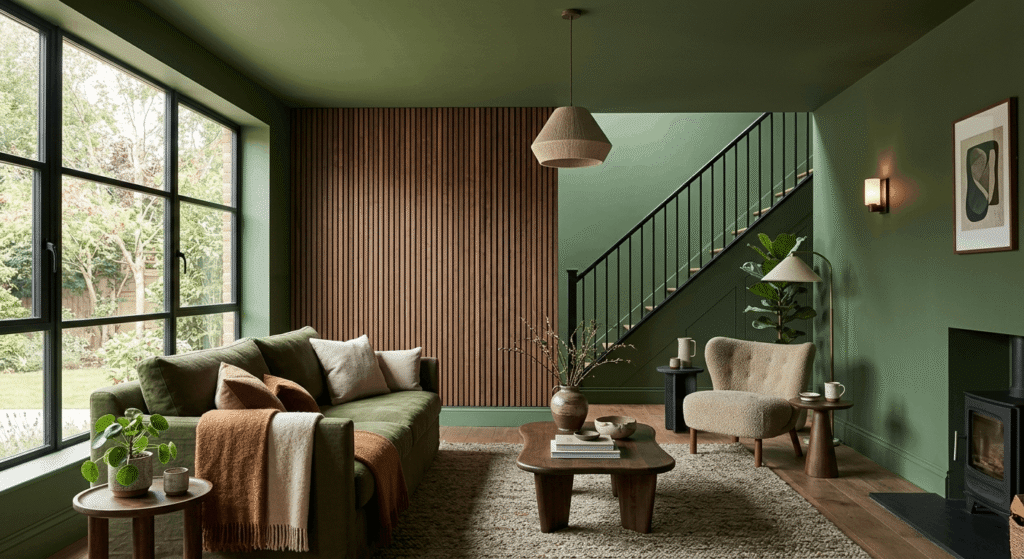
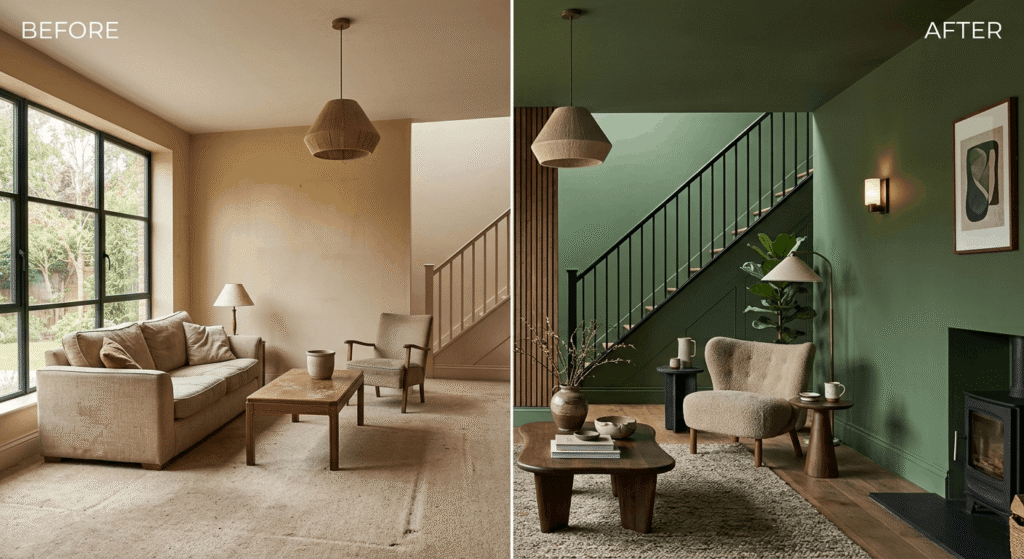
Interior painting is the highest-impact, lowest-cost renovation on this list. A whole-home repaint runs roughly $2,500 to $6,000 in most Canadian markets. The big 2026 shift is colour drenching, carrying one earthy shade across walls, trim, doors, and ceiling for a cohesive, grounded look. BeautiTone’s Colour of the Year, Muse, and Dulux Canada’s Pine Forest both lean into moody greens.
2. A Staircase Makeover
A staircase makeover turns a purely functional feature into a focal point. Common upgrades include refinishing treads in oak, swapping tired spindles for slim black metal balusters, and painting risers a contrasting colour. Because the staircase often sits in the entry, it shapes the first impression a visitor forms. Costs vary widely, from a few hundred dollars for paint to several thousand for a full rebuild.
3. Feature Walls and Wall Panelling
Feature walls are back, but the 2026 version leans architectural rather than painted-accent. Board-and-batten, slat wood, and traditional mouldings add texture and depth without a full remodel. At the Interior Design Show, panelling and heritage trim ran through nearly every room. A single feature wall behind a bed or sofa can anchor a whole space for a modest materials budget.
4. Hardwood Flooring Refinishing
Few upgrades change a room like flooring. Refinishing existing hardwood flooring costs far less than replacement and strips away decades of scratches and dated stain colours. New engineered wood or luxury vinyl plank suits basements and high-moisture areas better than solid planks. Buyers across Canada consistently rank real or wood-look floors above carpet, which helps this project hold its value.
5. Interior Door Upgrades
Interior door upgrades are an underrated way to modernize a whole floor at once. Replacing hollow flat doors with two-panel or Shaker styles, adding matte black handles, and swapping worn hinges instantly reads as newer. Solid-core doors also cut noise between rooms, a real benefit for a home office or nursery. Widening a doorway for accessibility can even qualify for the federal Home Accessibility Tax Credit.
6. Opening Up an Open Floor Plan
An open floor plan remains one of the most requested layouts, though 2026 designers now favour defined zones over one vast empty room. Removing a non-structural wall between the kitchen and living area improves light and flow. Load-bearing walls need an engineer and a permit, which raises the cost. Done well, this renovation makes a modest home feel considerably larger.
7. A Dedicated Home Office Renovation
Remote and hybrid work made the home office renovation a lasting priority, not a pandemic fad. Converting a spare bedroom or unused dining room with built-in desks, extra outlets, and proper lighting adds genuine daily function. Sound insulation and a solid-core door help on video calls. A well-planned office can also count as usable square footage when you eventually sell.
8. A Full Bathroom Remodel
A bathroom remodel delivers some of the strongest returns of any interior project. RE/MAX estimates mid-range bathroom renovations recover roughly 62 percent at resale, with well-planned ensuites returning more. Popular 2026 choices include a walk-in glass shower, large-format porcelain tile, a quartz-topped vanity, and a backlit mirror. Expect to spend about $15,000 to $35,000 for a main bathroom in Canada. Our step-by-step bathroom remodel plan walks through the full sequence.
9. A Modern Kitchen Refresh
The kitchen is where renovation dollars work hardest. A modern kitchen with quartz counters, flat-panel or Shaker cabinets, and updated appliances can return 75 to 100 percent, according to RE/MAX. You don’t always need a full gut. Repainting cabinets, replacing countertops, and adding a tile backsplash refreshes the room for a fraction of a $20,000 to $80,000 full renovation. See our modern kitchen renovation cost guide for a detailed breakdown.
10. Lighting and Trim to Lift Home Aesthetics
Small finishing touches shape overall home aesthetics more than most people expect. Layered lighting, sculptural sconces, dimmers, updated baseboards, and crown moulding pull a renovated room together. Warm LED bulbs flatter the earthy 2026 palette far better than cool white. These low-cost details are often the difference between a space that looks finished and one that feels almost there.
How Much Do Interior Home Renovations Cost in Canada?
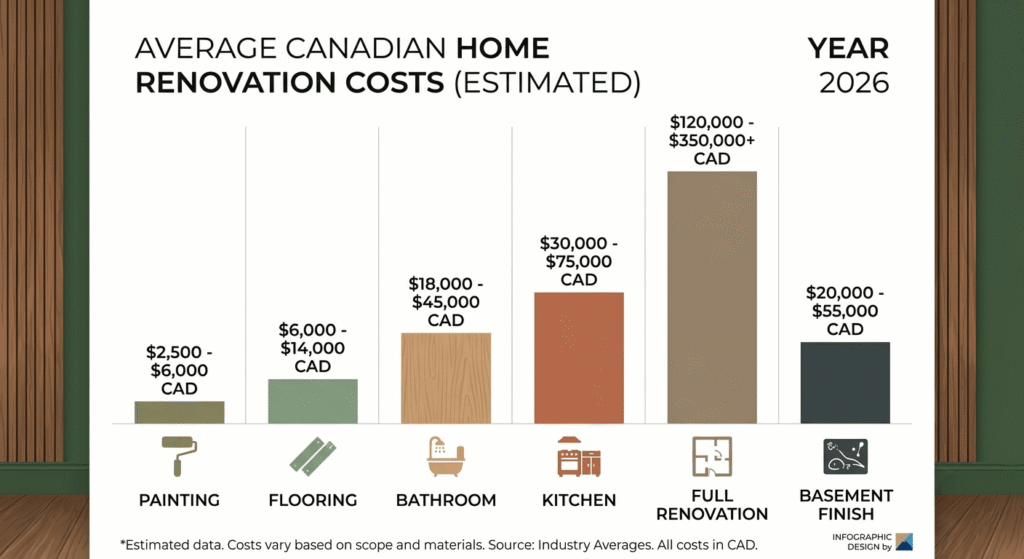
Interior home renovation costs in Canada span a huge range, from about $5,000 for cosmetic updates to $200,000 or more for a full interior overhaul. Labour and materials have kept climbing: Statistics Canada’s Residential Renovation Price Index, which tracks 37 project types across 15 metro areas, has risen in every recent quarter through early 2026. The table gives typical 2026 ranges; our full home renovation cost breakdown covers province-by-province detail.
| Interior renovation | Typical cost (CAD) | Notes on value |
|---|---|---|
| Whole-home interior painting | $2,500 to $6,000 | High impact, low cost |
| Hardwood flooring refinishing | $3 to $8 per sq ft | Strong buyer appeal |
| Bathroom remodel | $15,000 to $35,000 | Around 62% resale return |
| Modern kitchen renovation | $20,000 to $80,000 | 75 to 100% resale return |
| Full interior renovation | $100 to $300 per sq ft | Depends on scope and city |
A couple of federal programs can offset part of the bill. The Canada Revenue Agency’s Multigenerational Home Renovation Tax Credit refunds 15 percent of up to $50,000 when you build a secondary suite for a senior or a relative with a disability. For energy-related work such as windows and exterior doors, review current options through Natural Resources Canada’s Greener Homes Initiative, though its main grant and loan closed to new applicants in 2025.
Frequently Asked Questions
1. What interior home renovations add the most value in Canada?
Kitchen and bathroom projects lead. RE/MAX data shows kitchen renovations often return 75 to 100 percent and bathrooms around 62 percent at resale. Fresh paint, refinished floors, and modern lighting also deliver strong value for a low outlay. Returns depend on matching finishes to your home’s price range.
2. How much does a full interior home renovation cost in Canada?
A full interior renovation typically costs $100 to $300 per square foot, so a 1,500 square foot home often lands between $150,000 and $450,000. Toronto and Vancouver sit at the higher end because of labour rates and permit timelines. Cosmetic-only refreshes can start near $5,000.
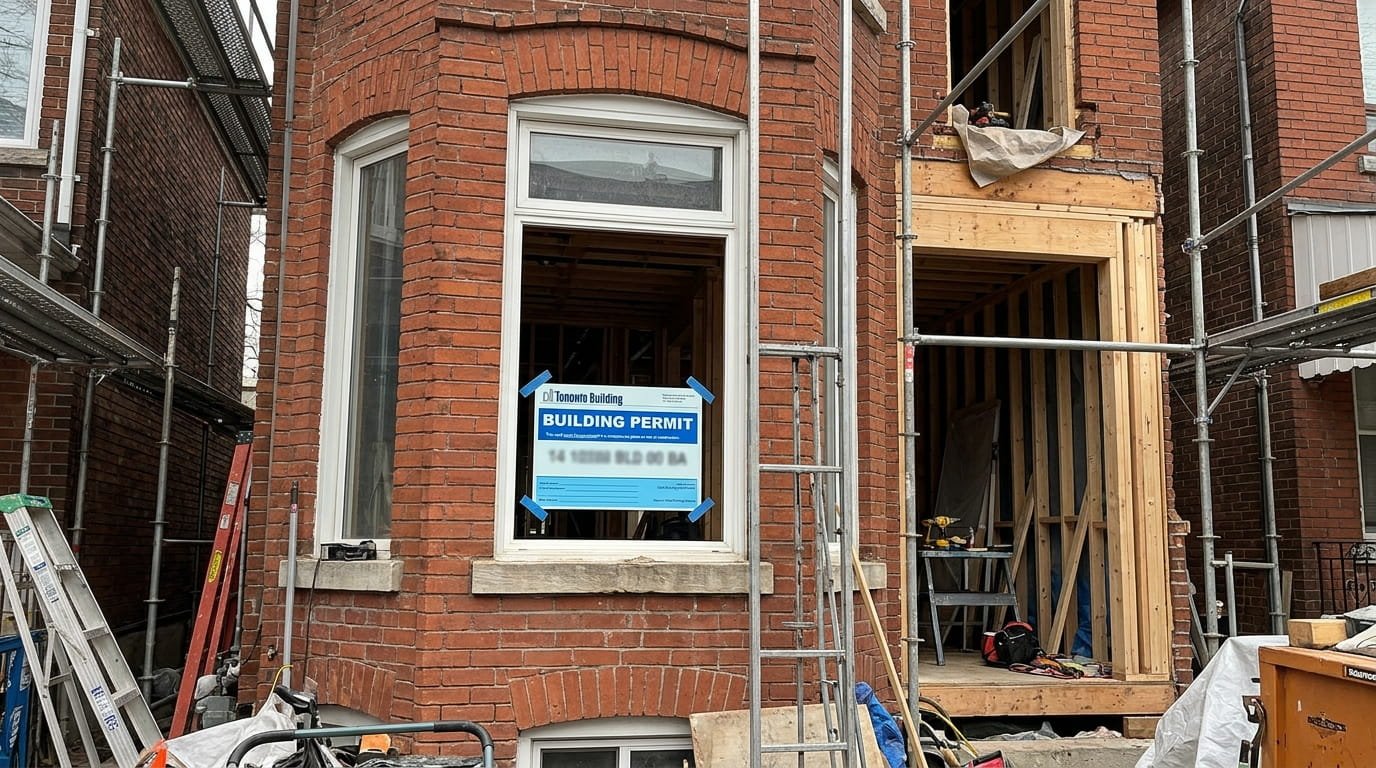
3. Which interior renovations need a permit in Canada?
Permit rules vary by municipality, but you generally need one for:
- Removing or altering a load-bearing wall for an open floor plan
- New or relocated plumbing in a bathroom or kitchen
- Electrical changes beyond simple fixture swaps
- Adding a self-contained secondary suite
Always confirm with your local building department before work starts.
4. What are the biggest interior design trends for 2026?
Canadian designers point to colour drenching, earthy greens and warm neutrals, architectural feature walls with panelling, and mixed wood tones. The 2026 Interior Design Show in Toronto highlighted low-slung furniture and moody, cosy palettes. Open-concept layouts are shifting toward defined zones rather than one large room.
5. Can I get a tax credit for home renovations in Canada?
Yes, in specific cases. The Multigenerational Home Renovation Tax Credit refunds 15 percent of up to $50,000 for a qualifying secondary suite. The Home Accessibility Tax Credit covers up to $20,000 in accessibility work for seniors or people with disabilities. Most cosmetic upgrades don’t qualify, so check Canada Revenue Agency rules.
Conclusion
The best interior home renovations balance daily function with resale value, not just looks. From a weekend paint refresh to a full kitchen rebuild, focus on quality finishes that suit your space and your Canadian market. Get a few quotes, budget a 10 to 20 percent contingency, and check which federal credits apply first.