

Quick Answer Box: The best home improvements before selling a house in Canada are the ones buyers can see and won’t have to redo: fresh paint, strong curb appeal, an updated kitchen and bathroom, durable flooring, and a sound roof. In a balanced 2026 market, condition and move-in readiness drive resale value far more than luxury finishes.
What adds value to a house before selling in Canada?
Home improvements before selling are targeted upgrades that raise a property’s resale value and help it sell faster. In Canada’s 2026 market, the projects that pay off blend visible appeal with practical reassurance: fresh finishes, a tidy exterior, and systems buyers won’t need to replace. Overbuilding for the neighbourhood rarely returns its cost.
Which home improvements add the most value before selling?
The home improvements that add the most value before selling target two things: first impressions and buyer confidence. Across Canadian markets, agents and appraisers keep pointing to the same short list, from paint and curb appeal to kitchens, bathrooms, flooring, roofing, and efficient mechanical systems. Cosmetic refreshes usually beat full gut renovations on return, because they modernize a home without pricing it out of its neighbourhood.
Start with curb appeal
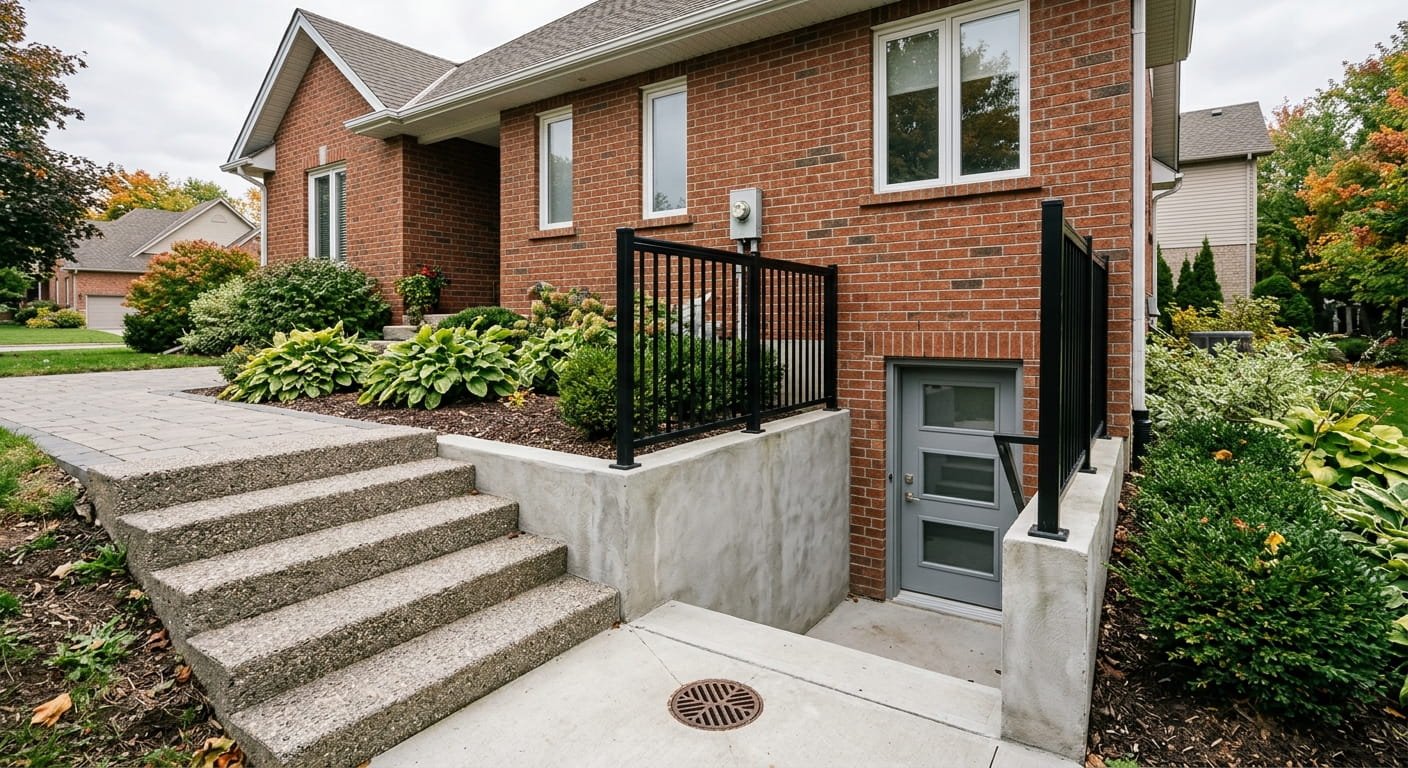
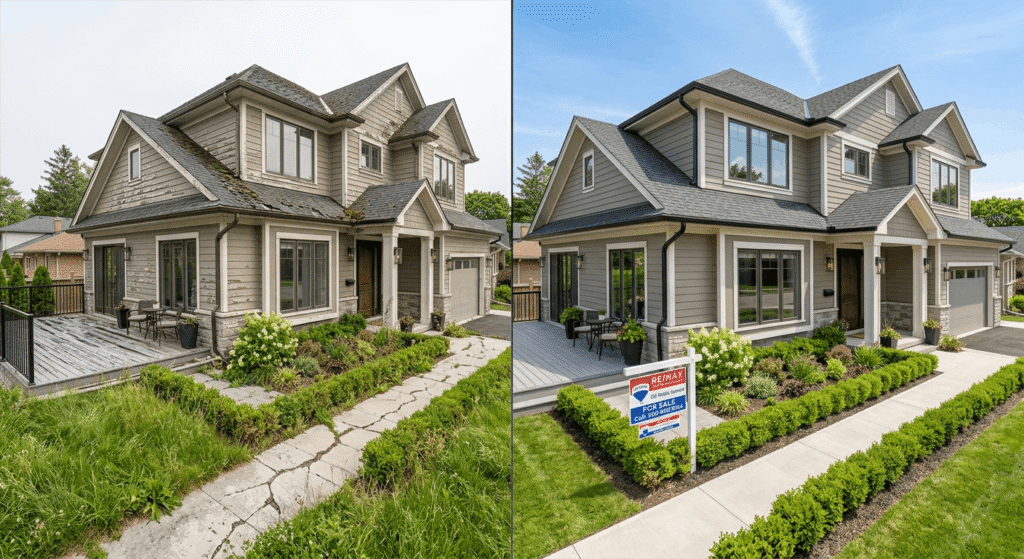
Curb appeal decides whether buyers arrive interested or skeptical. With more listings on the market across Canada in 2026, a strong exterior matters more than ever. The cheap wins add up fast: a neatly mowed lawn, fresh mulch, pruned hedges, a clean walkway, and updated outdoor lighting. Tidy, low-maintenance landscaping signals a home that’s been cared for.
Fresh paint delivers the best return per dollar
Few projects beat fresh paint for value recovery. Canadian estimates put interior painting near $2 to $6 per square foot, roughly $4,000 to $7,000 for a 2,000 square foot home, with returns that can run from 60 to well over 100 percent. Choose neutral, current colours. Buyers picture their own furniture faster in a bright, clean space.
A bathroom remodel and minor kitchen refresh
Kitchens and bathrooms move buyers most, but restraint wins. A mid-range bathroom remodel, around $15,000 to $35,000, usually returns 70 to 85 percent through a new vanity, tile, fixtures, and lighting. In the kitchen, refacing cabinets, adding quartz counters, and updating appliances beats a full gut on return. For bigger jobs, an experienced renovations and additions team keeps the work efficient.
Hardwood flooring and durable surfaces
Flooring sets the tone the second buyers step inside. Hardwood flooring still carries the highest perceived value in Canada, and wide-plank engineered white oak in a matte finish is the defining 2026 look. Warm tones have replaced cool grey. Swapping dated grey laminate for a warm engineered floor is one of the higher-return flooring moves right now.
A roof replacement removes a major buyer worry
A roof is the first thing an inspector and a cautious buyer scrutinize. In Canada, a roof replacement recovers roughly 60 to 80 cents on the dollar, and homes with a documented new roof have sold about 11 days faster than comparable listings. The catch: it only pays off when the roof is near end of life, around 15 to 20 years or visibly worn.
An HVAC upgrade that lowers monthly bills
Value-focused buyers read the operating costs. An HVAC upgrade to a high-efficiency furnace or a heat pump can trim heating and cooling bills, often by $100 to $300 a month. It rarely returns its full cost on paper, yet a modern, reliable system removes another reason for buyers to negotiate the price down.
Deck installation for outdoor living
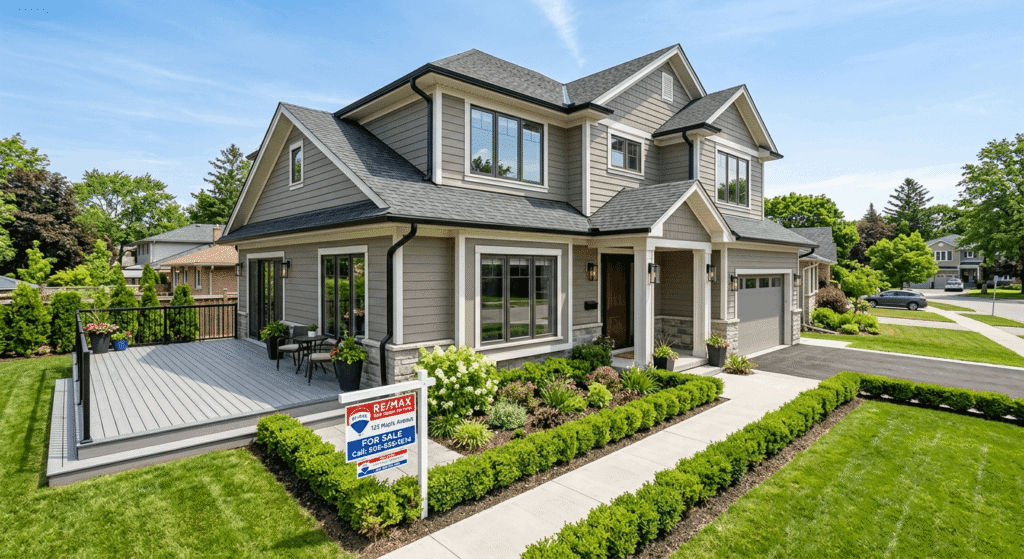
Outdoor space keeps its pull with Canadian buyers. In the GTA, deck installation returns about 65 to 85 percent of its cost, and homes without usable outdoor space have sold for 5 to 8 percent less than comparable homes with a finished deck or patio. Composite decking leads on return thanks to its low upkeep.
Smart home technology buyers actually use
Smart home technology has moved from novelty to baseline expectation. The features that add value are the practical ones: a smart thermostat, a video doorbell, smart locks, and efficient lighting. Skip the over-automated setups that confuse buyers mid-showing. Systems that are intuitive and easy to explain feel polished, not piecemeal.
How much do home improvements increase a house’s value in Canada?
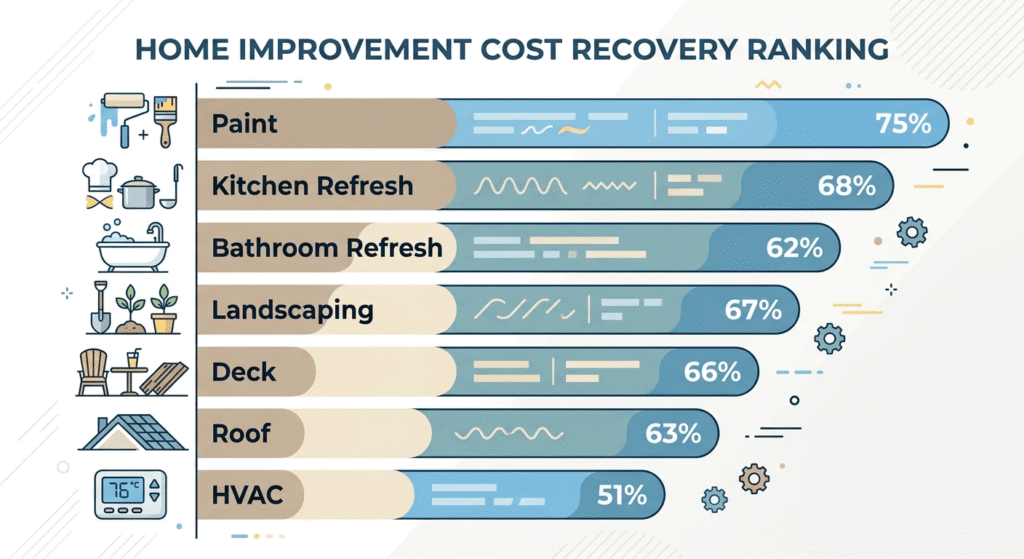
Home improvements increase a house’s value by recovering a share of their cost at resale, not by adding profit. Return on investment here means value recovery: a 75 percent return means every $100 spent lifts market value by about $75. Most cosmetic upgrades recoup 60 to 100 percent, while full luxury renovations often return less.
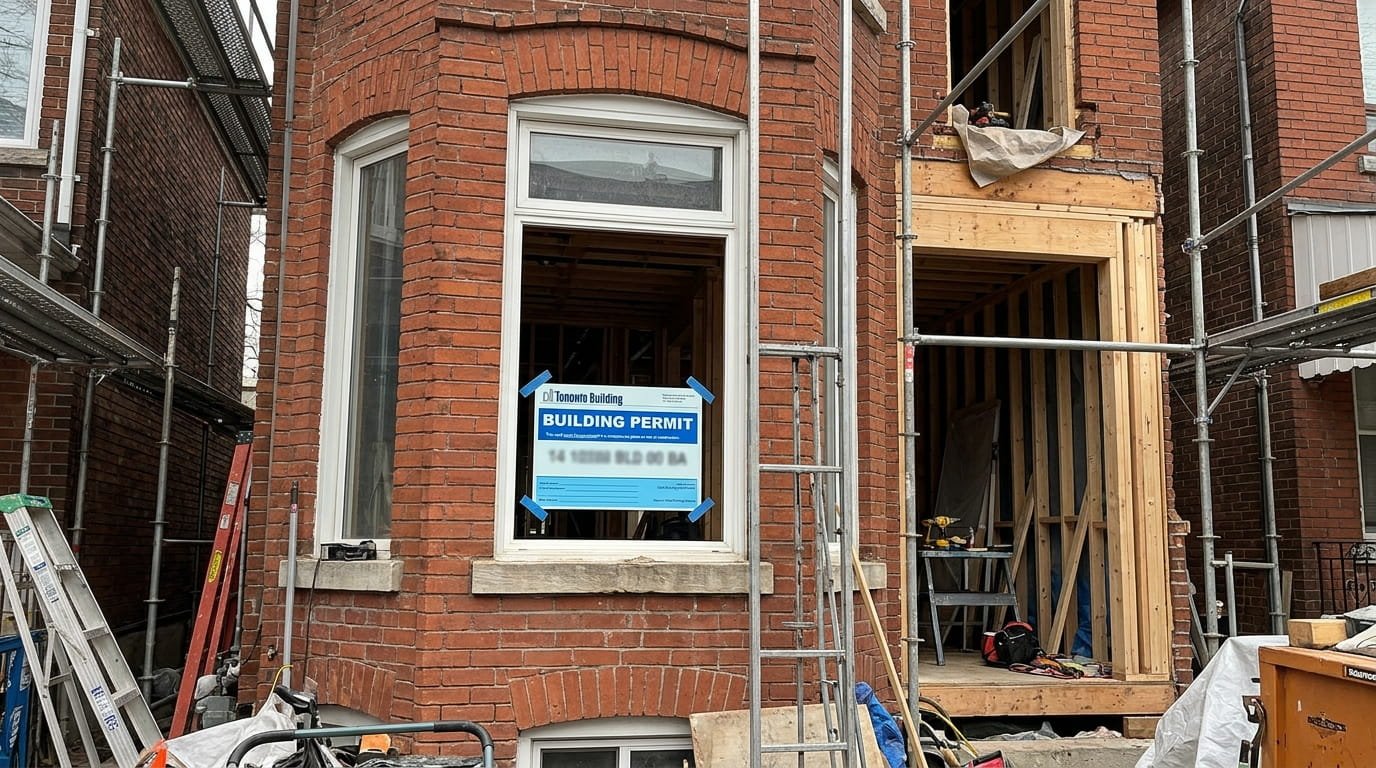
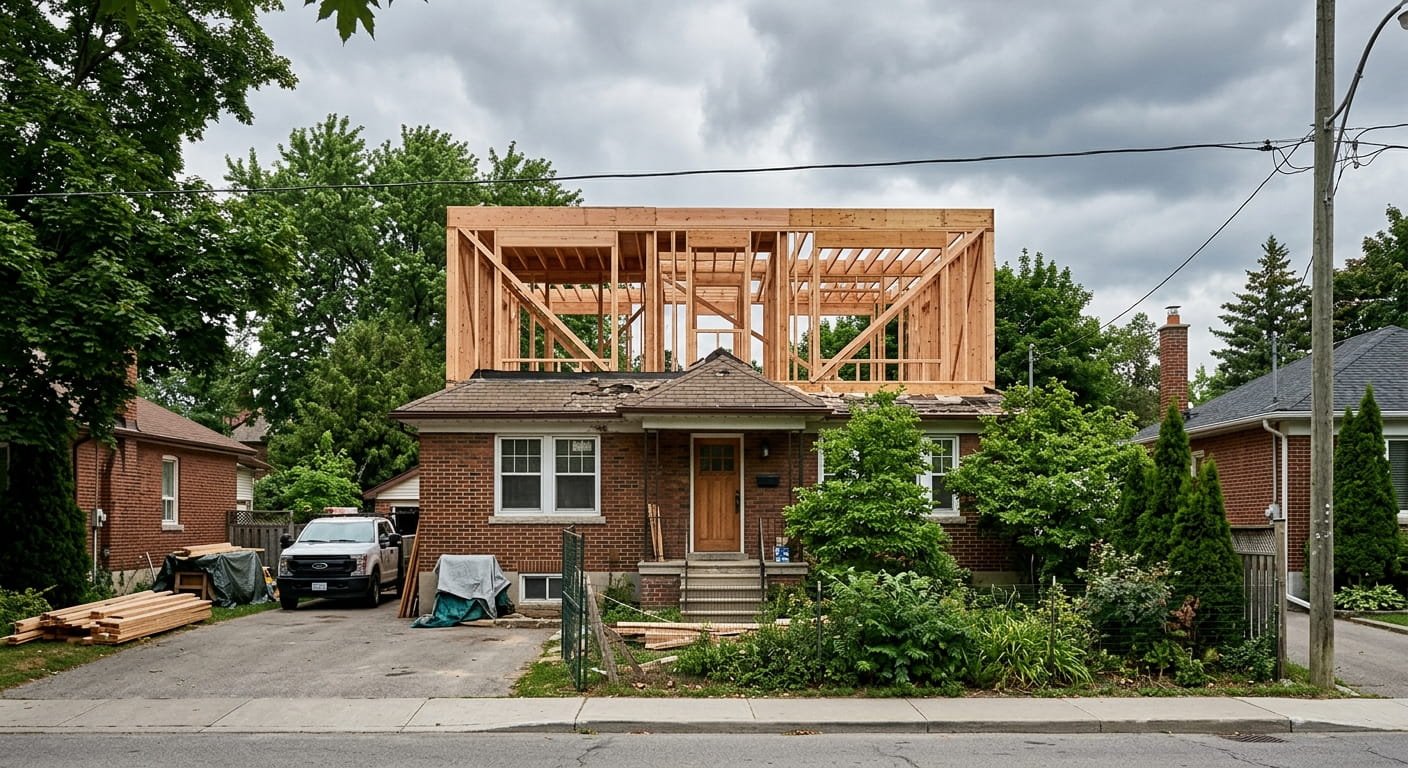
The 2026 backdrop shapes the math. Canadian conditions have cooled into a more balanced, buyer-friendly market, with listings high and buyers taking their time. That rewards homes that feel easy to move into. It also punishes overspending: a $100,000 kitchen in a mid-market home rarely earns back its cost, because it lifts the price above the neighbourhood. Tie your budget to the home’s likely resale ceiling, and steady renovation planning and budgeting keeps you from overcapitalizing. Larger projects such as a new deck or roof often need a local building permit, and rebate programs differ from province to province. Where a home needs major structural work, it’s worth taking time to weigh renovating against a full rebuild before you commit.
| Improvement | Typical cost recovery | Best done when |
|---|---|---|
| Interior paint | 60 to 130 percent | Colours are dated or walls are marked |
| Minor kitchen or bathroom refresh | 70 to 100 percent | Fixtures and finishes look tired |
| Landscaping and exterior | Strong, varies | The home looks neglected from the street |
| Deck installation | 65 to 85 percent | The yard lacks usable outdoor space |
| Roof replacement | 60 to 80 percent | The roof is 15 to 20-plus years old |
| Energy-efficient HVAC | Payback via lower bills | The furnace is old or heating costs are high |
Energy efficiency deserves its own line. The Appraisal Institute of Canada has flagged efficiency retrofits as among the highest paybacks relative to cost, mainly through lower operating expenses, with heat pumps, insulation, and air sealing leading the way. Federal support has tightened, though. The Canada Greener Homes Grant has closed to new applicants, so confirm what’s active on the Government of Canada’s Canada Greener Homes Initiative page, then stack provincial and utility rebates on top. Planned alongside broader energy-efficient home upgrades, these projects pair monthly savings with resale appeal.
A few popular projects rarely earn their cost back before a sale:
- Luxury finishes that exceed what the neighbourhood supports
- High-maintenance landscaping, newly planted mature trees, or artificial turf
- Driveway heating systems and other niche comfort features
- Highly personalized built-ins or bold, trend-driven tile
Frequently Asked Questions
1. Should you renovate before selling or sell the house as-is?
It depends on condition and budget, but light, high-return work usually beats selling untouched. Fresh paint, deep cleaning, minor repairs, and curb appeal often lift the sale price for a few thousand dollars. Save major renovations for homes with clear defects that would scare off buyers or fail an inspection.
2. What are the best home improvements before selling on a tight budget?
When funds are limited, spend where buyers look first. The highest-impact, lowest-cost moves are:
- Fresh, neutral interior paint
- A tidy lawn, trimmed hedges, and a clean entry
- Updated light fixtures and cabinet hardware
- A minor bathroom update, like a new vanity and mirror
Together these refresh a home’s first impression without a full renovation.
3. Does a new roof or HVAC upgrade increase a house’s value?
Yes, mostly by removing buyer worry rather than adding dollar-for-dollar. A roof replacement recovers about 60 to 80 percent of its cost and helps a home sell faster, especially when the old roof is near end of life. On the mechanical side, Natural Resources Canada reports the average Greener Homes household saved roughly $386 a year on energy, and buyers price that comfort in.
4. Does new flooring or hardwood increase a home’s value?
Yes. Durable flooring is one of the most effective pre-sale updates a seller can make. Hardwood carries the highest perceived value in Canada, and wide-plank engineered white oak, around $4.50 to $7 per square foot for materials, delivers the same warm look with better stability. Consistent flooring across the main rooms makes a home feel move-in ready.
5. How long before listing should you finish home improvements?
Finish major work before listing photos, not after. Roofers and deck builders book up fast in spring and summer, so schedule those contractors four to six weeks ahead. Allow a similar window after a new deck or landscaping so surfaces settle and weather in. Paint and minor updates can happen closer to launch.
Conclusion
The smartest home improvements before selling aren’t the flashiest; they’re the ones that make a house feel clean, current, and worry-free. In Canada’s balanced 2026 market, that means leading with paint, curb appeal, and condition, then adding value where buyers feel it most, from an updated bathroom to a sound roof. Match your spending to your neighbourhood, keep receipts and warranties ready to hand to buyers, and let move-in readiness do the selling.