

Quick Answer: Basement water damage from frozen pipes calls for a renovation when drywall, insulation or flooring stayed wet for more than 48 hours, when mould growth becomes extensive, or when foundation cracks keep letting water in. Small leaks that dry quickly usually need only a pipe repair, better insulation and improved drainage.
Frozen Pipes and Basement Water Damage: When to Renovate
One cold snap is all it takes. A pipe in an outside wall freezes, splits, and by morning there’s water across the basement floor. Basement water damage like this is a familiar winter headache across Canada, and the hard question comes after the cleanup. Do you patch it, or is it time to renovate? This guide covers the warning signs, what Health Canada and Public Safety Canada recommend, and the point where rebuilding makes more sense than another repair.
What Is Basement Water Damage?
Basement water damage is any harm caused when water enters or collects below grade, whether from a burst pipe, water seepage through the foundation, a failed sump pump or a sewer backup. It includes soaked drywall and insulation, warped flooring, rotting wood framing and the mould that can follow within days.
How Do Frozen Pipes Cause Basement Water Damage?
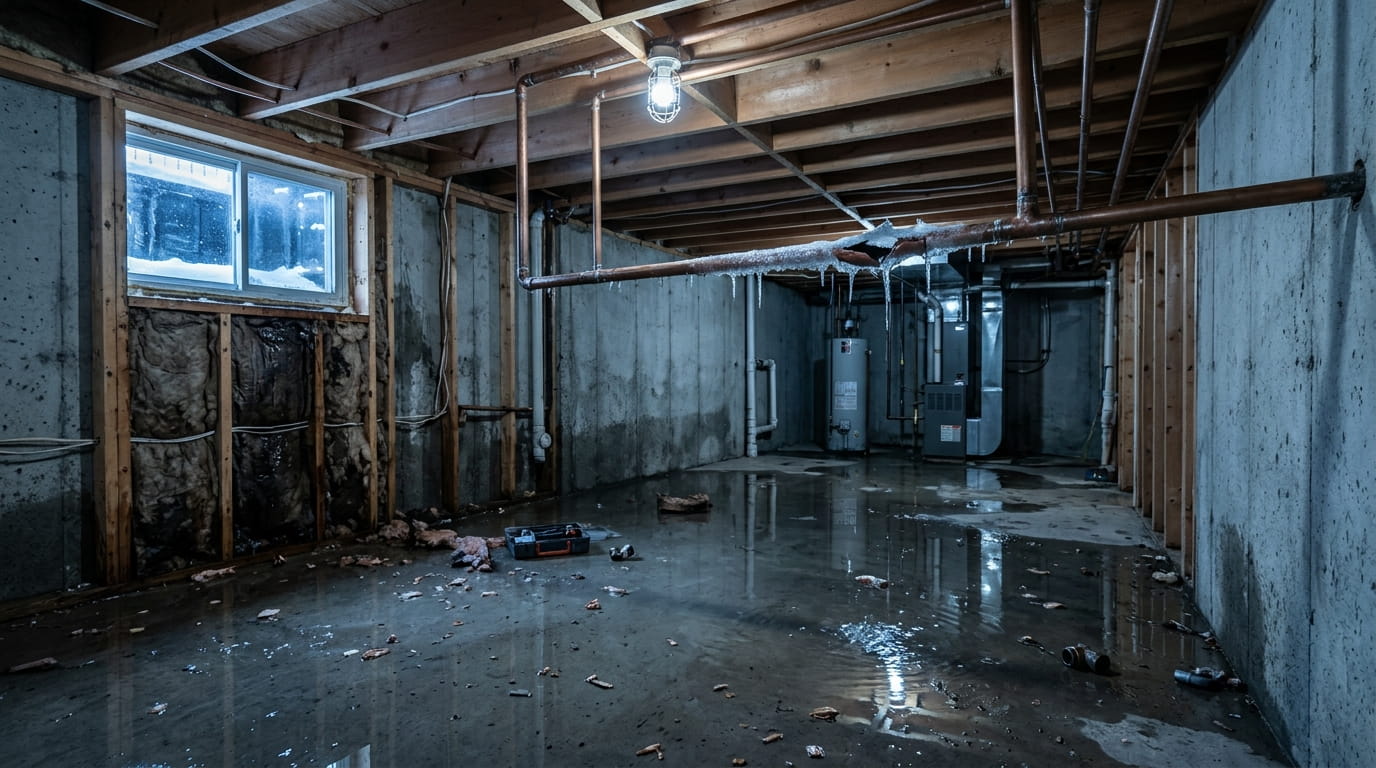
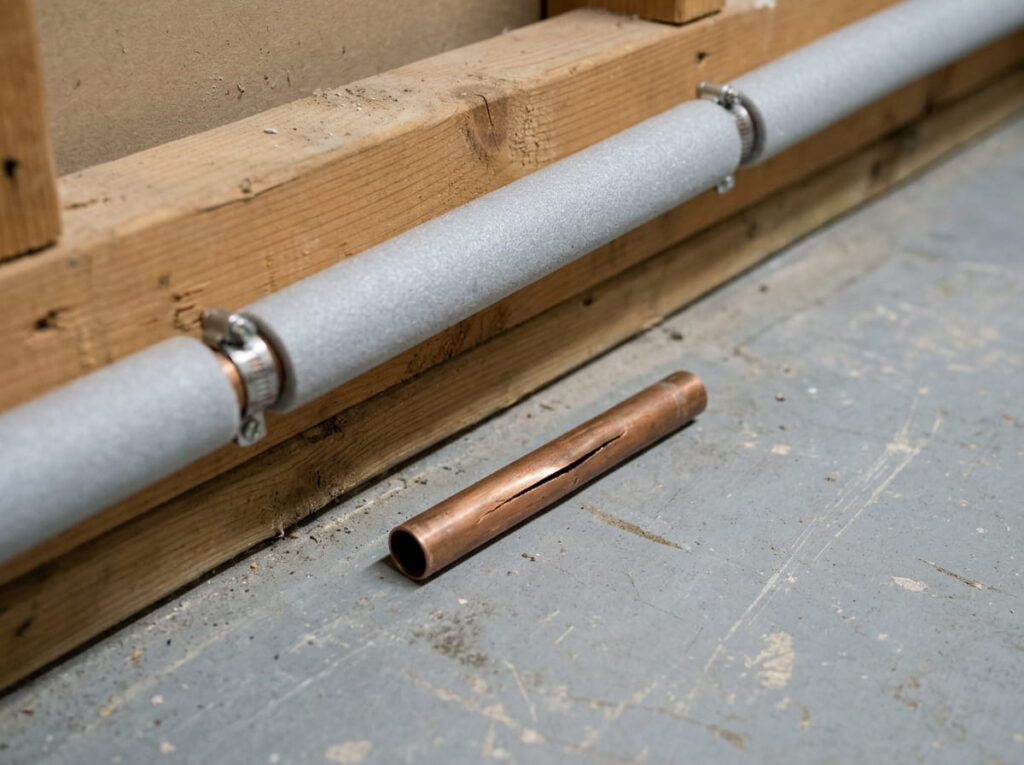
Frozen pipes cause basement water damage when the water inside turns to ice, expands by roughly 9% and builds pressure until the pipe splits. The leak often shows up during the thaw, not the freeze. Pipes in exterior walls, crawl spaces and unheated corners of the basement face the highest risk.
That timing matters. Ice can plug a crack for hours, then release water steadily once temperatures climb above 0°C. If nobody’s home, a small split can run into a finished basement all day. Many Canadian insurers also expect a home to be heated or checked regularly during winter absences, so read your policy before you travel.
Pipe Insulation and Winter Prevention
Foam pipe insulation on exposed supply lines is inexpensive and quick to install, and it’s the first defence for lines running along exterior walls. Pair it with sealing air leaks around rim joists and pipe penetrations, shutting off and draining outdoor taps before the first freeze, and keeping the basement heated when you’re away. Our homeownership and long-term care resources cover other seasonal checks worth adding to your calendar.
Water Seepage and Foundation Cracks
Not every wet basement starts with a pipe. Water seepage through foundation cracks, poorly sealed basement windows or soil sloping toward the house can look like a plumbing leak, but the fix is completely different.
Check where the water appears. A puddle under a supply line points to plumbing. Damp patches along the base of a wall, white chalky stains on concrete, or water that shows up after rain or snowmelt point to the foundation. CMHC’s guide to fixing your damp basement walks through this diagnosis and helps you judge whether a contractor’s recommended work is actually needed.
When Should You Renovate After Basement Water Damage?
You should renovate after basement water damage when materials stayed wet longer than 48 hours, when mould growth is extensive, when water soaked the drywall and insulation inside finished walls, or when the same area keeps getting wet. Health Canada notes that homes dried within 48 hours are less likely to grow mould.
Health Canada’s flood cleanup guidance is blunt about what has to go. Soaked flooring should be removed and discarded, along with insulation, drywall and carpet that can’t be dried. Finished walls should come out completely if the water rose several feet, took many days to drain, or left the room humid for an extended stretch. At that point you’re halfway into a renovation whether you planned one or not.
Mould size is the other trigger. Under Health Canada’s mould guidance, one to three patches each smaller than 1 m² count as small, while anything larger than 3 m² is extensive and usually calls for professional help. Large growth often points to a bigger problem, like a foundation leak.
Repair or Renovate: A Quick Comparison
| Situation | Likely Fix | Renovation Needed? |
|---|---|---|
| Small leak, dried within 48 hours | Replace pipe, add insulation | Usually no |
| Small mould patches under 1 m² | Clean with water and dish detergent | No |
| Drywall and insulation wet for days | Remove and replace finishes | Yes, partial |
| Mould over 3 m² or returning | Professional remediation | Yes |
| Recurring seepage through foundation | Waterproofing repairs | Yes, after waterproofing |
Fix Basement Waterproofing Before You Finish Anything
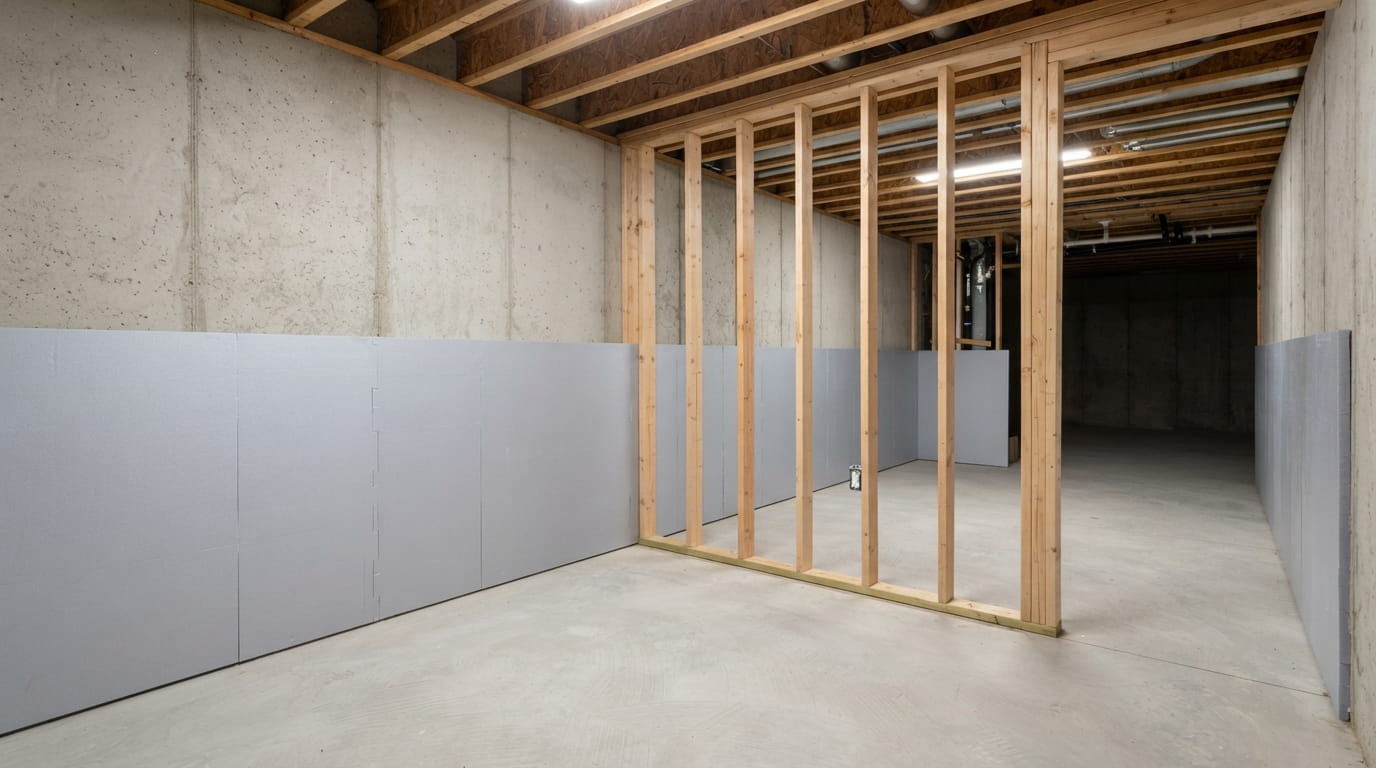
New drywall over an old leak is money lost. CMHC advises correcting moisture problems before renovating a basement, because leftover moisture can ruin new finishes and force costly demolition later.
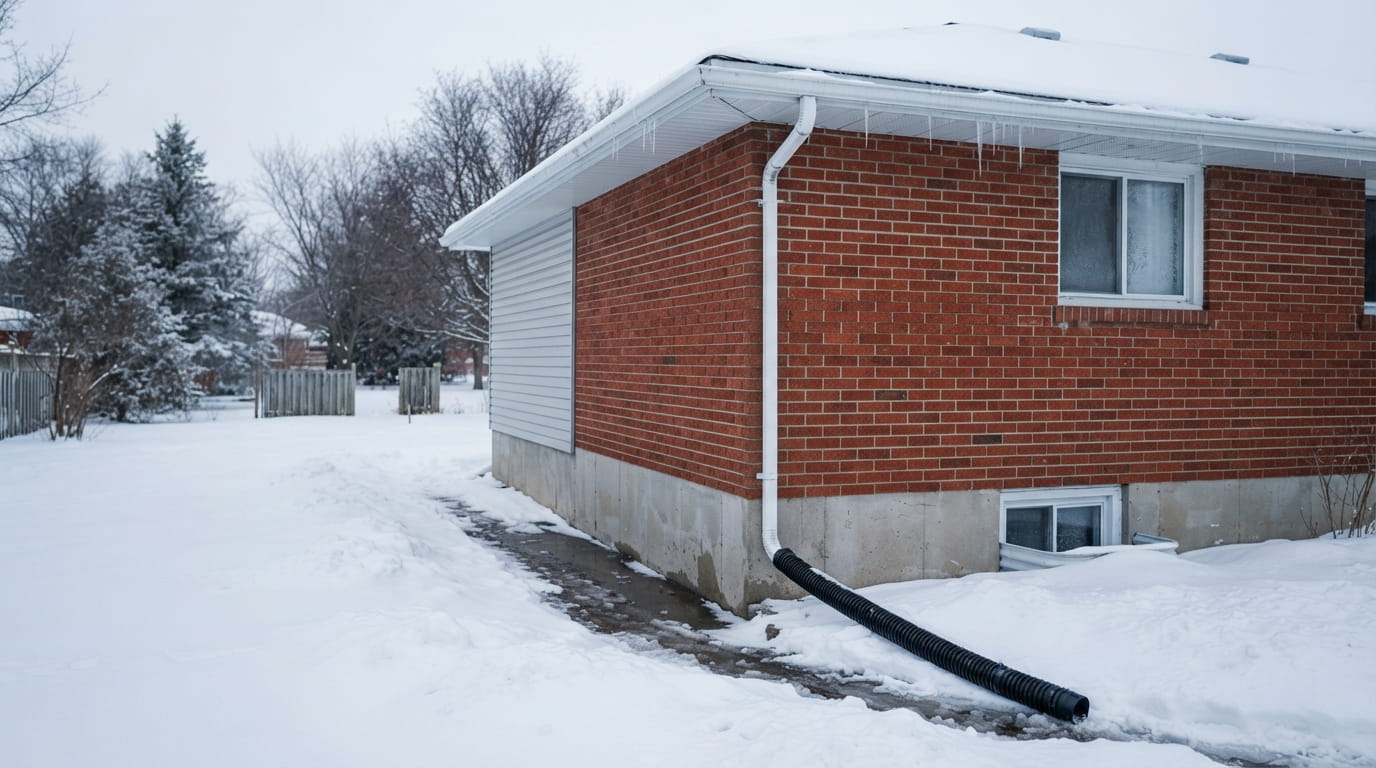
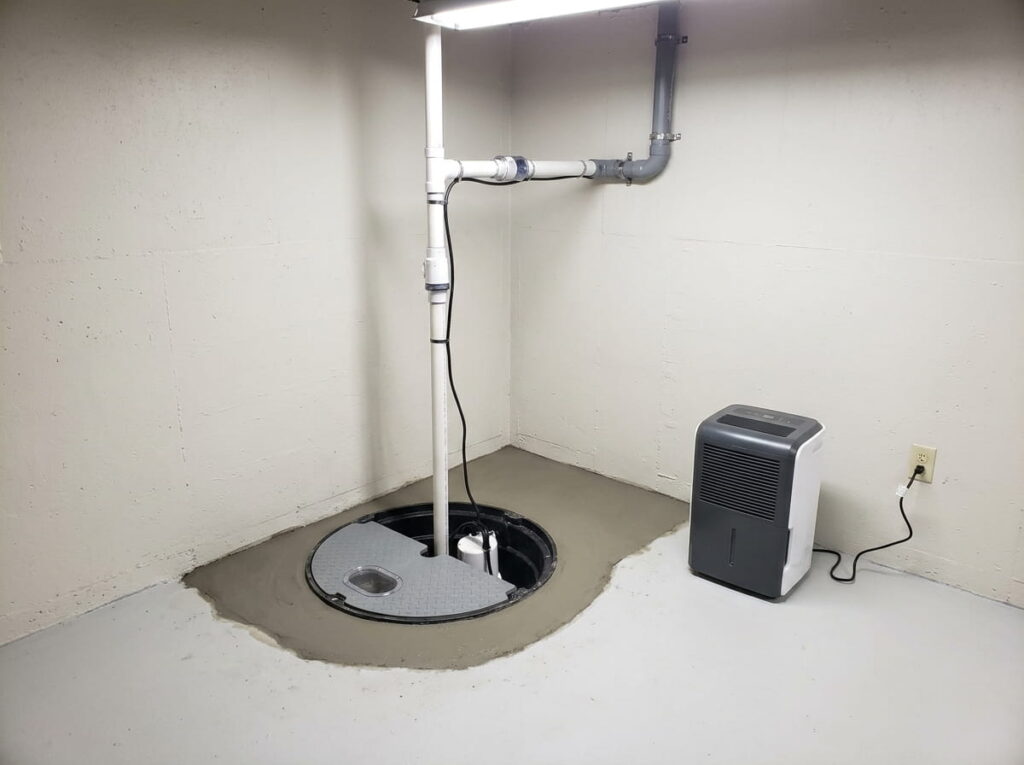
Start outside. Public Safety Canada recommends grading soil away from the foundation and making sure downspouts discharge at least two metres from the house. Its flood preparation checklist also suggests a sump pump and a backflow valve, which stops sewage from entering your home if the sanitary sewer is overloaded.
Sump Pump Installation and Smart Upgrades
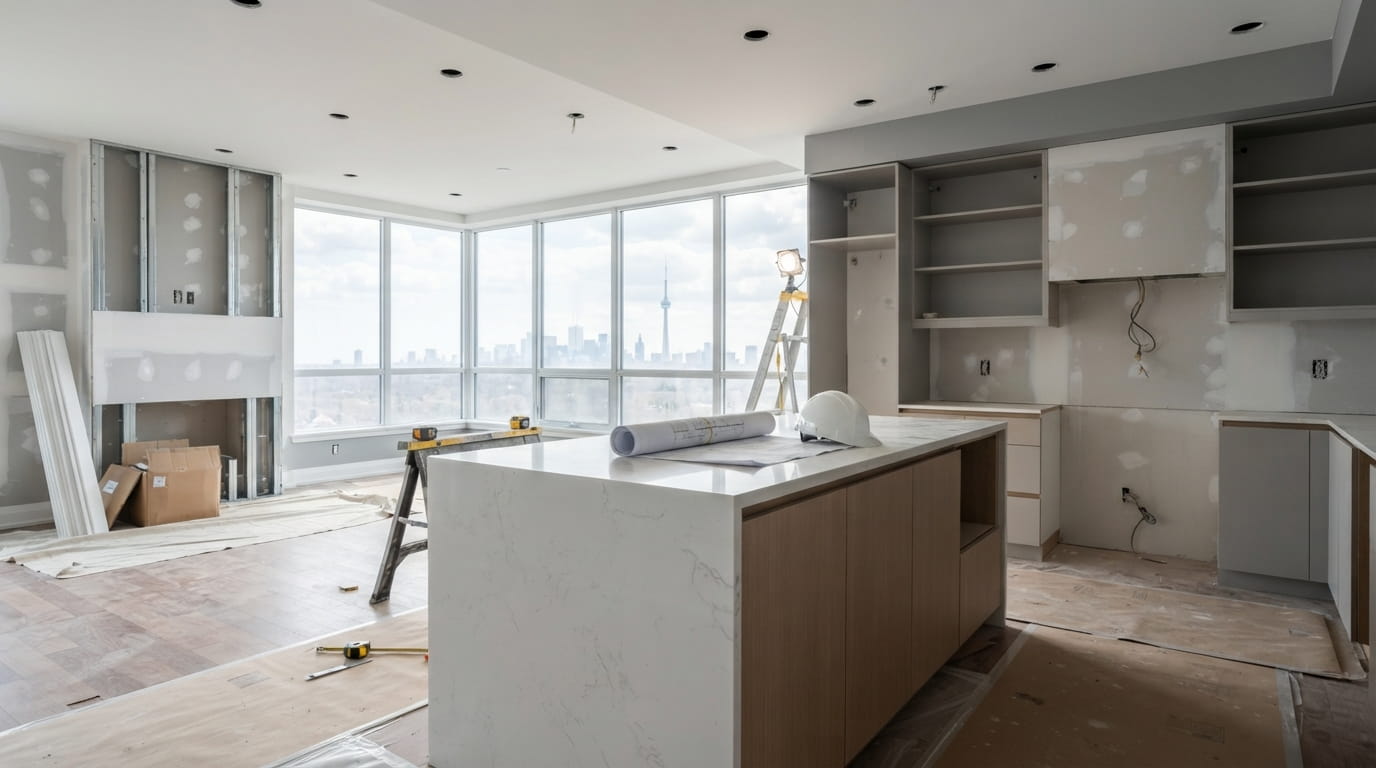
Sump pump installation makes the most sense in homes with high groundwater, weeping tile that drains to a pit, or a history of spring seepage. While the walls are open, reroute vulnerable supply lines away from exterior walls and run a dehumidifier to hold humidity between 30% and 50%, the range Health Canada recommends. If damage is widespread, our renovation vs. rebuild guide helps you weigh the scope, and our renovation and additions services handle design, permits and construction under one contract.
Frequently Asked Questions
Can frozen pipes burst inside a heated basement?
Yes. Pipes in a heated basement can still freeze if they run along an exterior wall, sit near a drafty rim joist or pass through an unheated crawl space. Any temperature below 0°C puts them at risk. Insulating exposed lines, sealing drafts and keeping the furnace running while you travel all reduce that risk.
How long does it take mould to grow after basement water damage?
Health Canada says homes and furnishings dried within 48 hours are less likely to grow mould, so that’s your window to act. After two days, wet drywall, carpet and insulation become prime growth surfaces. Start pumps, wet/dry vacuums, fans and dehumidifiers right away, and keep a working carbon monoxide detector nearby.
What should I do first after a pipe bursts in my basement?
Act in this order to limit damage:
- Shut off the main water valve and power to the flooded area
- Photograph the damage for your insurer
- Remove standing water with a pump or wet/dry vacuum
- Pull out soaked carpet and items that can’t be dried
- Call a licensed plumber before assessing walls and flooring
Does home insurance cover basement water damage in Canada?
Coverage depends on the cause and your policy wording. A sudden burst pipe is often covered, but many Canadian insurers deny frozen pipe claims if the home was left unheated or unchecked during a winter absence. Sewer backup and overland flooding usually need separate coverage, so confirm with your insurer before starting repairs.
Is basement waterproofing worth it before finishing a basement?
Yes, if there’s any history of seepage, foundation cracks or high humidity. CMHC advises fixing moisture problems before renovating, since trapped moisture can damage new finishes and force demolition. Options include exterior membranes, weeping tile repair and interior drainage with a sump pump, depending on where water is getting in.
Conclusion
Basement water damage doesn’t always mean a full renovation, but it often signals one is coming. If materials dried within 48 hours and the cause was a single burst pipe, repair it, add pipe insulation and move on. If walls stayed wet, mould spread past 3 m², or water keeps finding its way through the foundation, fix the waterproofing first. Then rebuild the space properly, and it can come back drier and better built than before.