

Quick Answer: The best tips to update an old house start with high-impact, lower-cost changes: fresh paint, updated lighting, and new floors. From there, older Canadian homes gain the most from better insulation, efficient windows, and stronger curb appeal. Prioritize comfort and energy savings first, then finishes, and keep a 15% buffer for surprises.
What are the best tips to update an old house?
The best tips to update an old house balance safety and comfort with style. Fix the building envelope and dated systems first, then spend on the finishes people actually see, like fresh paint and new flooring. In Canada, energy retrofits often qualify for rebates, so an efficiency assessment usually pays for itself. Work room by room.
Which budget updates modernize an old house fastest?
The easiest tips to update an old house also cost the least. A fresh coat of paint, better lighting, and updated flooring can make a dated interior feel current in a weekend or two, long before you touch the layout. These cosmetic changes carry strong resale value and rarely need permits in Canada.
Refresh walls with interior painting
Paint is still the highest-return cosmetic update you can make. For 2026, warm neutrals have replaced cool grays: creamy whites, soft greige, and muddy greens read as modern and photograph well. Real-estate research from Zillow found that warm off-white and greige homes tend to sell faster than stark white or bold colours.
Prep matters more than the paint itself, especially on older plaster, so if your home predates the 1980s, test for lead before you sand.
Swap dated fixtures and lighting
Nothing dates a room faster than 1980s brass. Replace flush-mount fixtures with slim LED pot lights, add dimmers, even in the hallway, and switch to warm-white bulbs around 2700K to 3000K. Ever notice how a colour looks perfect in the store, then wrong at home? Paint shifts under LED versus daylight, so test large swatches in morning and evening light. Layered lighting, ceiling fixtures paired with a couple of task or accent lamps, instantly reads as modern.
Replace tired flooring
Worn carpet and scuffed laminate pull a whole house down. Flooring replacement with luxury vinyl plank or engineered hardwood suits Canadian homes well, handling humidity swings better than solid wood. If original hardwood hides under the carpet, refinishing usually costs less than replacing and keeps the home’s character. Check what’s under old tile first, since some pre-1980s vinyl contains asbestos.
Is it worth upgrading an old home’s insulation and windows?
For older Canadian homes, yes, this is where comfort and savings actually come from. Sealing drafts, adding insulation, and replacing single-pane windows cut heating bills through long winters far more than any cosmetic change. If you’re planning a broader retrofit, our guide to energy-efficient home upgrades maps out the options.
Home insulation and air sealing
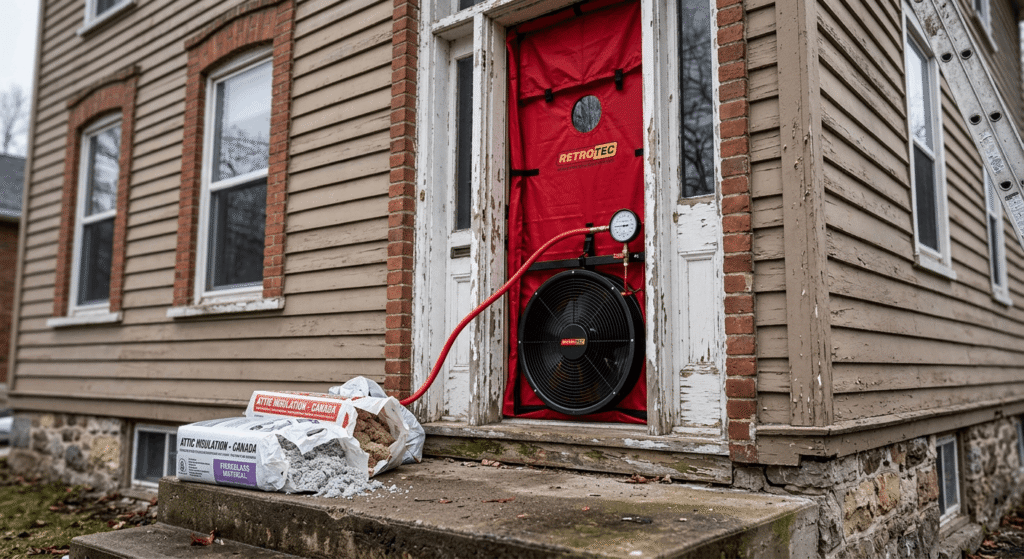
Air sealing and insulation give the best return of any energy upgrade, dollar for dollar. Weatherstripping, caulking, and attic insulation are cheap next to new windows and stop the drafts you feel every winter. Under the Canada Greener Homes Grant, home insulation ranked among the top retrofits, with over 74,000 jobs completed nationwide. Start with a professional assessment. You can book an EnerGuide home evaluation through Natural Resources Canada, which runs $600 to $1,000 and uses a blower door test to find leaks.
Window replacement
Old single-pane and aluminum-framed windows leak heat and money. Window replacement in Canada runs $400 to $1,500 per unit, and energy-efficient models cut heating costs by 15 to 25 percent. Triple-pane, low-E glass reduces heat loss 40 to 50 percent versus double-pane and holds up through freeze-thaw cycles. Replacing several at once earns volume discounts of 10 to 20 percent, so plan them together rather than one at a time. See our window replacement cost breakdown for regional pricing.
Adding solar panels to older homes
Solar homes aren’t only for new builds. An older roof in good shape can host panels, though you’ll want a structural and electrical check first, since some homes still run outdated wiring or an undersized panel that can’t handle the extra load. Federal support has narrowed since the Canada Greener Homes Grant closed to new applicants in 2024, though it funded roughly 38,500 solar installs. Residential incentives now run mainly through income-tested provincial programs.
How can you boost curb appeal and refresh the kitchen?
Two of the most visible tips to update an old house are boosting curb appeal and refreshing the kitchen. First impressions change how the whole house feels from the street, and the kitchen is where families spend the most time. Both add resale value, and neither has to mean a six-figure budget if you’re strategic.
Curb appeal and exterior upgrades
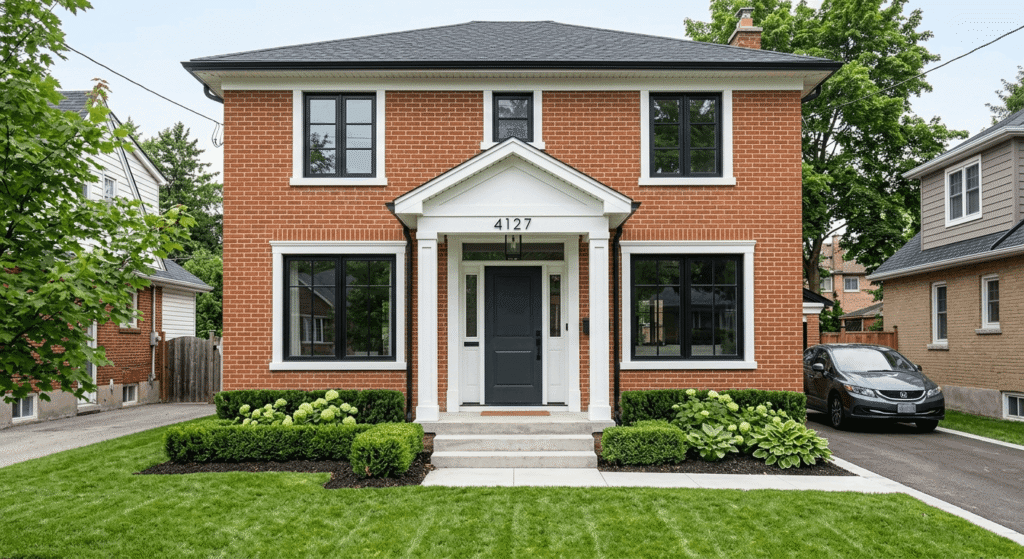
The exterior is the first thing buyers and guests judge. A new front door, updated house numbers, black or bronze window trim, and tidy landscaping deliver an outsized exterior upgrade for the money. For 2026, warm charcoal and creamy white sidings have replaced cool grays. A weekend of paint and fresh landscaping can transform a dated facade, no structural work required.
A cost-conscious kitchen renovation
The kitchen returns strong value, but costs climb fast. A cosmetic kitchen renovation, new paint, hardware, and refaced cabinets, starts around $15,000, while a mid-range remodel runs $30,000 to $50,000 in 2026. Older kitchens hide surprises: pre-1960 homes often have knob-and-tube wiring or non-standard walls that stop off-the-shelf cabinets fitting. Refacing beats replacing when the boxes are sound. Our kitchen renovation cost guide breaks down where the money goes.
Frequently Asked Questions
1. What should you update first in an old house?
Start with safety and the building envelope, not looks. Before any demolition, prioritize:
- Wiring, plumbing, and heating checks, since pre-1980 homes may hide outdated systems.
- Air sealing and insulation to stop drafts and cut heating bills.
- Testing for asbestos and lead in old tile, popcorn ceilings, and paint.
NRCan’s registered advisors never sell door-to-door, so ignore unsolicited retrofit calls.
2. How much does it cost to modernize an older home in Canada?
A cosmetic refresh with paint, lighting, and new flooring can run a few thousand dollars, while a mid-range kitchen renovation sits around $30,000 to $50,000 in 2026. A full-home renovation typically costs $100,000 to $300,000, depending on scope, finishes, and hidden repairs uncovered along the way.
3. Are new windows worth it in an older Canadian home?
Usually, yes. Energy-efficient windows cut heating costs by roughly 15 to 25 percent, and triple-pane units reduce heat loss 40 to 50 percent versus double-pane through freeze-thaw winters. Expect $400 to $1,500 per window installed. Replacing several at once earns volume discounts of 10 to 20 percent.
4. Can you get government rebates for updating an old house in Canada?
Yes, though the biggest federal program has changed. Current options include:
- Provincial retrofit programs such as Ontario’s Home Renovation Savings and Quebec’s Rénoclimat.
- The Oil to Heat Pump Affordability program for households heating with oil.
- The income-tested Canada Greener Homes Affordability Program, delivered by each province.
Begin with a home energy assessment to confirm what qualifies.
5. How do you make an old house look modern without losing its character?
Keep original features worth saving, like hardwood, trim, and solid doors, then modernize around them. Swap dated light fixtures, paint walls in warm 2026 neutrals, and update the flooring. Small changes to lighting and colour usually read as modern faster than a full gut renovation, and they cost a fraction of the price.
Conclusion
The smartest tips to update an old house all start the same way: fix what protects the home first, then spend on what people see. Sort out wiring, insulation, and drafts, then move to paint, lighting, flooring, and curb appeal. Book an EnerGuide evaluation before any energy work, get three quotes, and hold back 15 percent for surprises. Older Canadian homes reward patience, and the right updates pay you back in comfort and resale value.