

Quick Answer Box: Multigenerational homes Ontario are residences designed to accommodate multiple generations, such as grandparents, parents, and children, within a single household. These homes offer flexible layouts, enhanced privacy, and shared amenities while addressing housing affordability and close family support unique to Ontario’s dynamic communities.
What is Multigenerational Living?
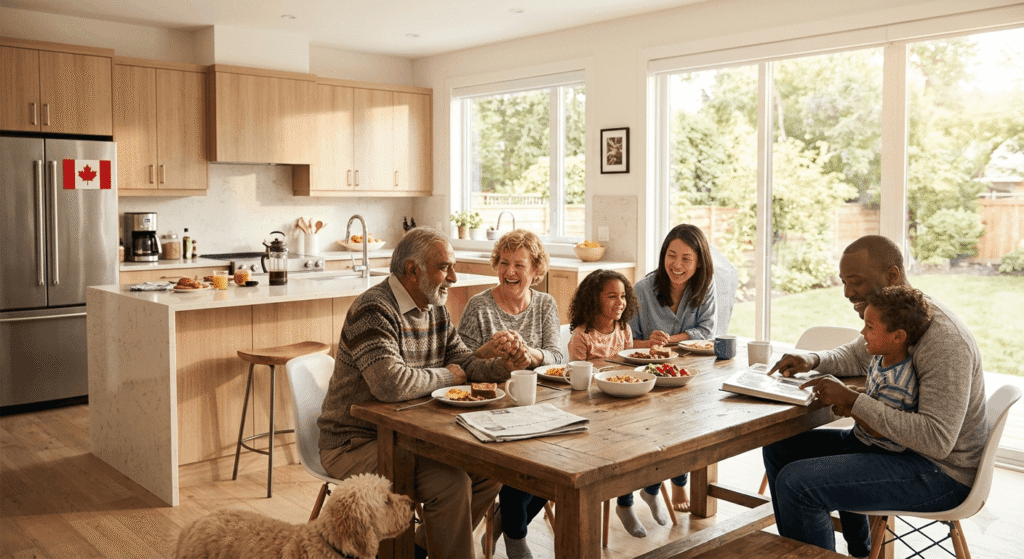
Multigenerational living describes two or more generations—such as grandparents, parents, and children—living together in one home, typically referred to as multigenerational homes Ontario. In Ontario, this approach includes various family members or even close friends cohabiting long-term under a shared roof.
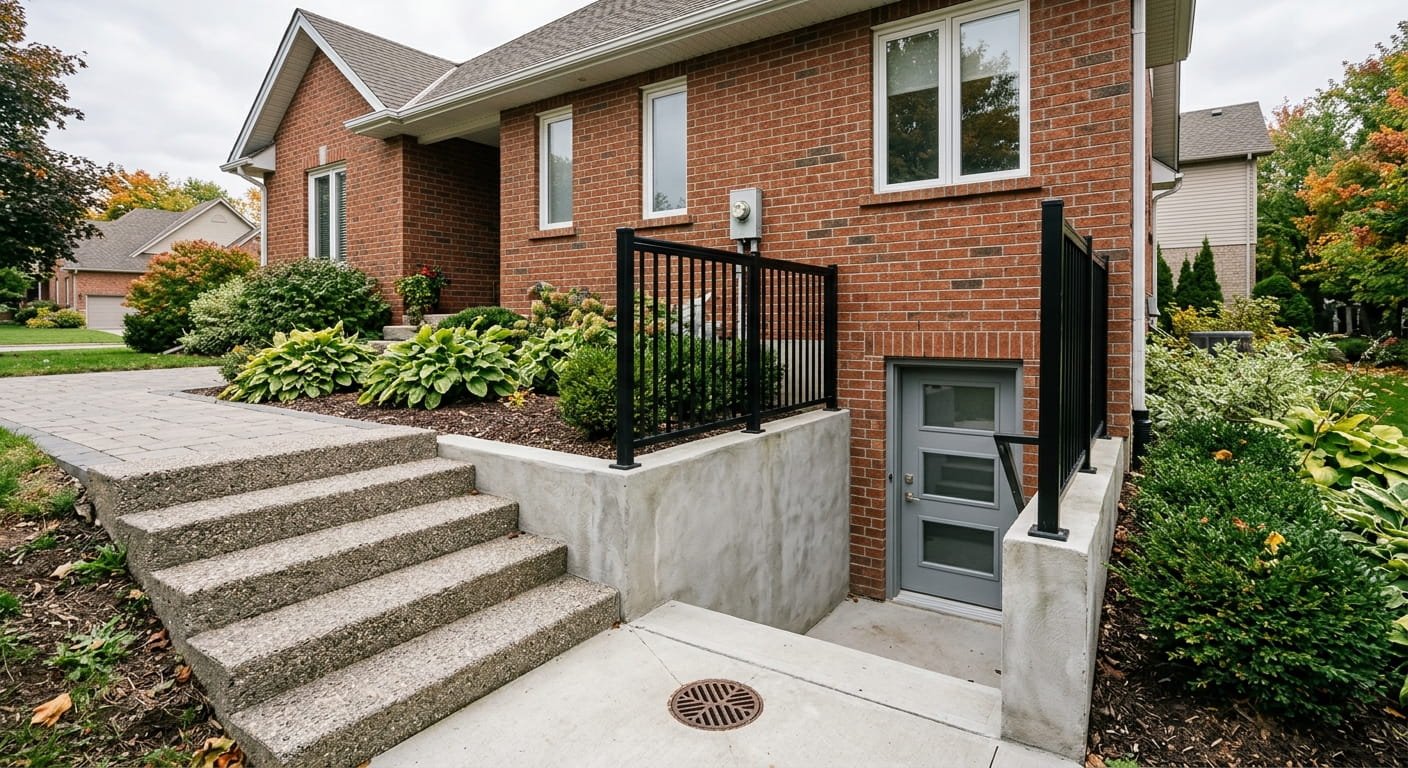
These multigenerational living homes are thoughtfully structured for both independence and connection. Typically, the definition in Ontario includes spaces like in law suites or basement suites, so each generation can enjoy privacy while maintaining areas for shared meals and recreation. Multigenerational living meaning in Ontario also reflects a response to high housing costs, aging populations, and the cultural value of extended family caregiving.
Multigenerational Living Guide: Trends and Statistics in Ontario
Research from Statistics Canada reports that 2.4 million Canadians—about 6.5% of the national population—reside in multigenerational households, with over half living in Ontario. Cities such as Brampton lead with nearly 14.3% of all homes designated as multigenerational, followed by Markham and Mississauga, highlighting a significant demand for flexible family housing.
Between 2001 and 2021, the number of multigenerational homes Ontario increased by 21%, making this the fastest-growing household type in Canada. Projects like Generations Toronto showcase how multigenerational living is evolving from a trend to an established housing solution.
Drivers of Growth
Several factors account for the rapid adoption of these households:
- Steep real estate and rental prices in urban centers
- Cultural norms centered around family unity and care
- A greater desire for in-home elder care and affordable childcare
- The financial benefits of pooled resources
- Regulatory changes, like Ontario Regulation 462/24, making accessory dwelling units such as garden suites and laneway homes more accessible.
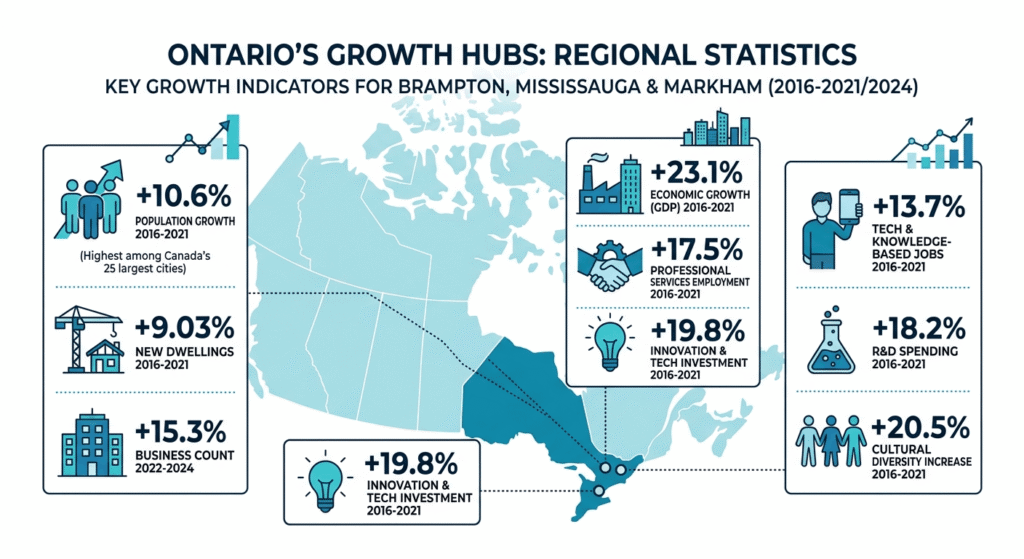
By combining legal innovation with social necessity, Ontario is uniquely poised for continued growth in multigenerational homes.
Benefits and Challenges of Multigenerational Living Homes
Multigenerational living homes offer both emotional and financial strengths for Ontario families. Financially, combining households allows for shared mortgages, taxes, and utility expenses, easing the burden of homeownership—especially in high-cost areas. Grandparents providing childcare can save families $435 or more monthly by offsetting regulated childcare costs (Statistics Canada, 2025).
On the emotional side, multigenerational homes Ontario create deep family ties and provide continual companionship. This arrangement allows adults to care for aging family members at home, maintain cultural heritage, and provide stable environments for children who benefit from frequent interaction with elders.
Despite these advantages, challenges exist. Privacy for all residents can be a concern, particularly when multiple adult couples live together. Differences in lifestyle, boundaries, and schedules may cause friction, particularly in shared spaces like kitchens or bathrooms. Addressing these issues requires setting clear house rules about expenses, chores, and boundaries and ensuring each resident’s needs are part of the design process.
Designing Multigenerational Homes Ontario: Building for Every Generation
Designing effective multigenerational homes Ontario means creating floor plans that meet various age groups’ needs while anticipating future changes. A successful multigenerational living guide focuses on privacy, accessibility, and adaptability.
Universal and Flexible Design Principles
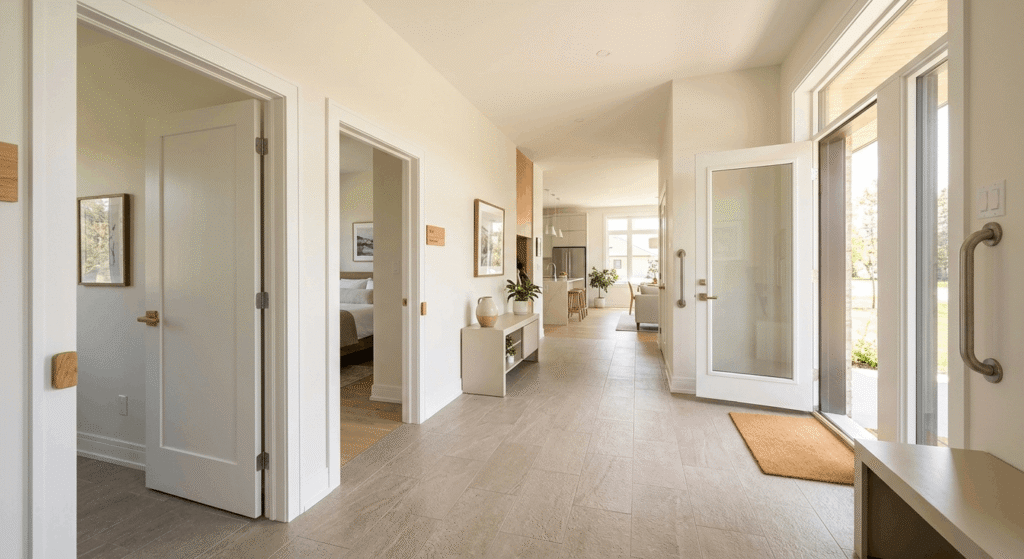
A well-designed home features privacy “zones” for parents, grandparents, and adult children. In law suites and basement suites are popular, often with private bathrooms, separate kitchens, or even external entrances. Universal design elements—such as no-step entries, wider doorways, lever-style handles, slip-resistant flooring, and grab bars—make homes safer for seniors and accessible for guests or residents with temporary injuries.
Smart home technologies further improve functionality for everyone. Features like video doorbells, motion-sensor lights, remote climate controls, and fall-detection alarms support aging in place and overall security. For ideas, visit Projects or see how Custom Homes are built to accommodate evolving family requirements and changing lifestyles.
Zoning and Shared Spaces
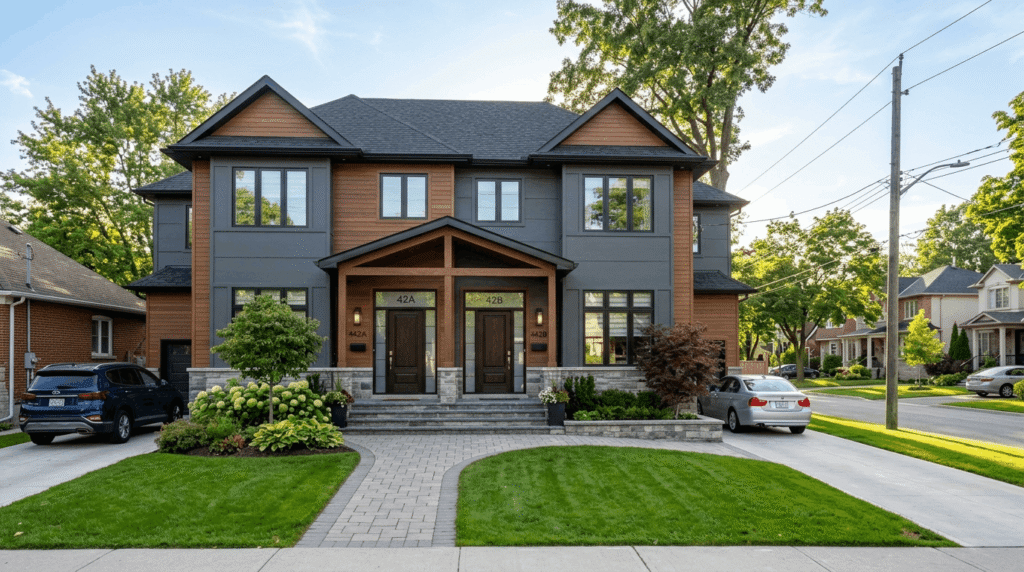
Separate entrances allow for independence within a multigenerational home, while soundproofed walls between zones provide comfort and reduce stress. Some new builds feature innovative T-shaped or side-split layouts, maximizing separation and connection. Where possible, design dual kitchens, laundry areas, or private lounges to offer each group the space they need. Adaptable rooms, such as a guest suite with an ensuite, can be reimagined over time for caregivers or young adults returning home.
In addition to in law suites and basement suites, converting garages or outbuildings and adding garden suites or laneway homes are increasingly popular. These flexible options ensure your home remains comfortable—no matter how your family changes.
Types of Multigenerational Living Spaces in Ontario
Ontario offers a range of legal and practical solutions for families seeking multigenerational homes Ontario, each tailored to privacy, independence, and community standards:
- In law suite: These private living spaces are either within or attached to the main house. They offer a dedicated bedroom, bathroom, and kitchenette, ideal for seniors who value close family support with autonomy.
- Basement suite: Lower-level apartments with their own bathroom, kitchenette, and separate entry. They are cost-effective but require extra attention to natural light, ventilation, and noise insulation.
- Garden suite: Detached, fully self-contained buildings added in a backyard. Garden suites are suitable for older family members or adult children seeking greater separation from the main house.
- Laneway home: Standalone, compact homes built along a property’s alley or rear lot line. Laneway homes are permitted in several Ontario cities and are especially valued for increasing density without sacrificing privacy.
- Secondary suite: Any legalized, self-contained unit within the primary residence, often a basement or main-floor apartment with its own entrance and amenities.
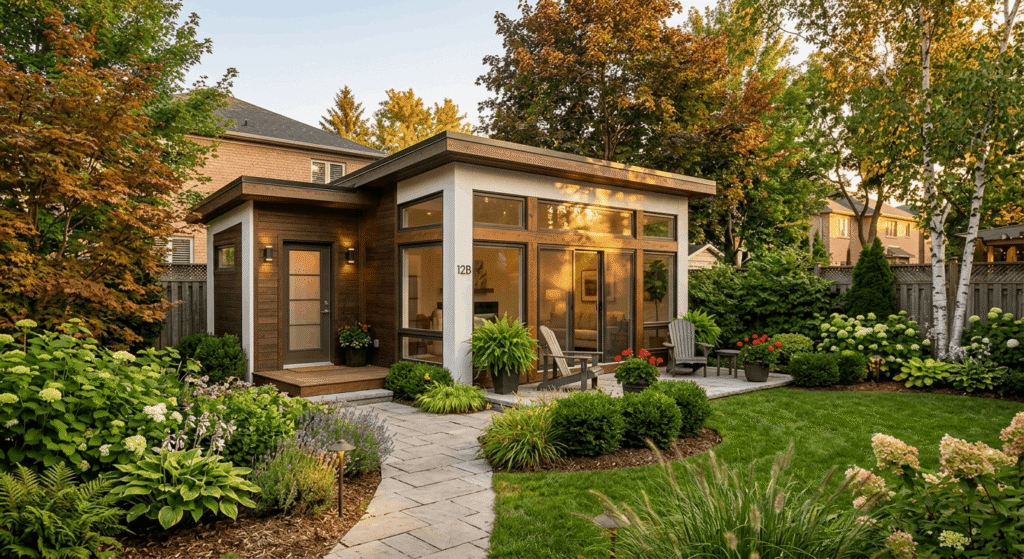
Recent regulatory changes have streamlined the addition of garden suites and secondary suites, making it easier for homeowners to expand living arrangements. Multi generational home builders can assist with these layouts, ensuring compliance with Ontario Building Code and safety standards.
Legal and Regulatory Considerations in Ontario
The legal landscape for secondary suites and accessory dwelling units (ADUs) in Ontario has changed dramatically in recent years. Ontario Regulation 462/24, effective since 2024, empowers homeowners to add more secondary suites, easing multigenerational living for families across the province.
Municipalities still retain the authority to set zoning rules, limits on the number of units per lot, parking requirements, unit sizes, and mandated fire/safety features. For instance, Toronto, Markham, and Hamilton now permit up to four legal units per lot, while Oakville is exploring similar policies as of 2026. Speaking with your local planning office is essential—especially in rural Ontario, where service infrastructure may be limited.
Homeowners wishing to add an in law suite, garden suite, or laneway home should:
- Verify the number and type of legal units allowed with local planning authorities
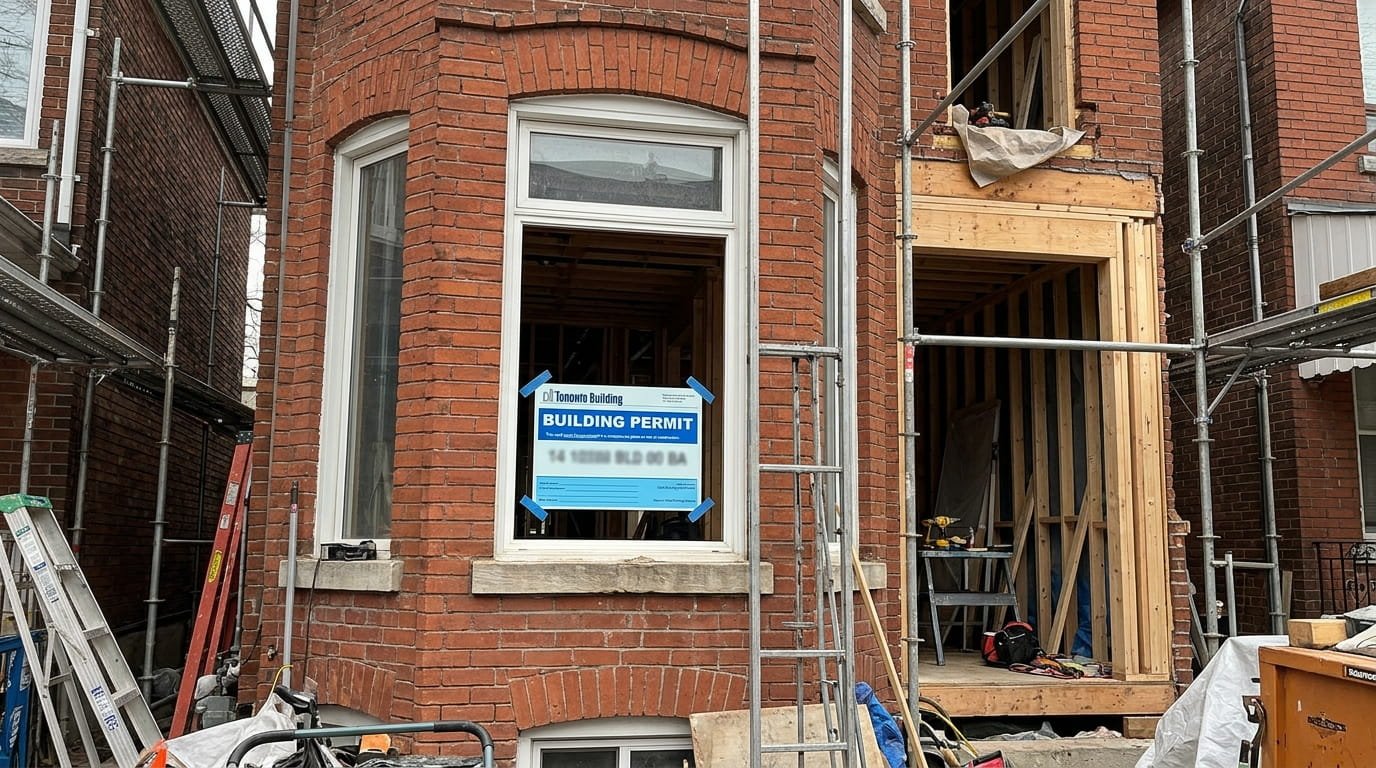
- Get building permits and comply with Ontario Building Code and fire safety regulations
- Apply to the Committee of Adjustment if your property’s lot or structure is unusual and requires a variance
Consult the Ontario Ministry of Municipal Affairs and Housing or official municipal websites for current rule updates. For detailed steps, see the Planning & Financial Guidance resources.
Secondary Suite Permit Process Ontario
Navigating the secondary suite permit process in Ontario is key for legal compliance. Start by reviewing your zoning, prepare your construction plans, and work with multi generational home builders knowledgeable about local permitting rules. Attention to required fire safety, accessibility, and egress standards will ensure your secondary suite passes inspection the first time.
How to Build a Multigenerational Home
- Assess Family Needs
Identify every intended resident’s routines, accessibility requirements, and privacy goals. - Set a Budget and Explore Incentives
Use the Planning & Financial Guidance page to estimate costs, including legal, design, and construction expenses. Research incentives like the Multigenerational Home Tax Credit. - Find the Right Property or Location
Evaluate school, transit, health, and community proximity. Confirm with authorities which multigenerational home arrangements are legal in your area. - Engage Multi Generational Home Builders and Designers
Browse Custom Homes for portfolios, and consult Renovations experts familiar with local codes and adaptive design. Ask about universal design, noise control, and future-proofing layouts. - Develop Construction Plans
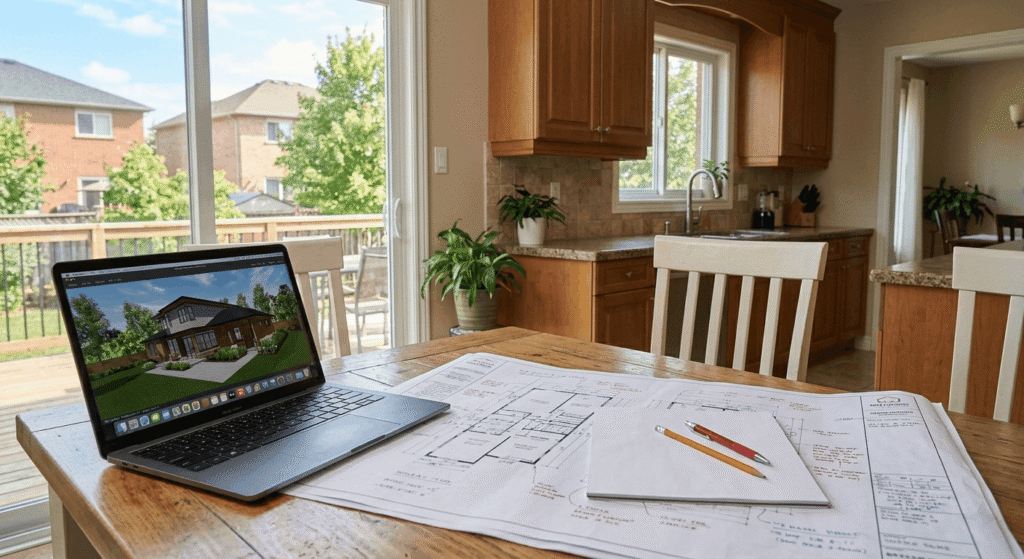
Draft blueprints that reflect code, accessibility, and separate-living needs. Consider flexible elements so rooms can be repurposed over time. - Obtain Permits and Approvals
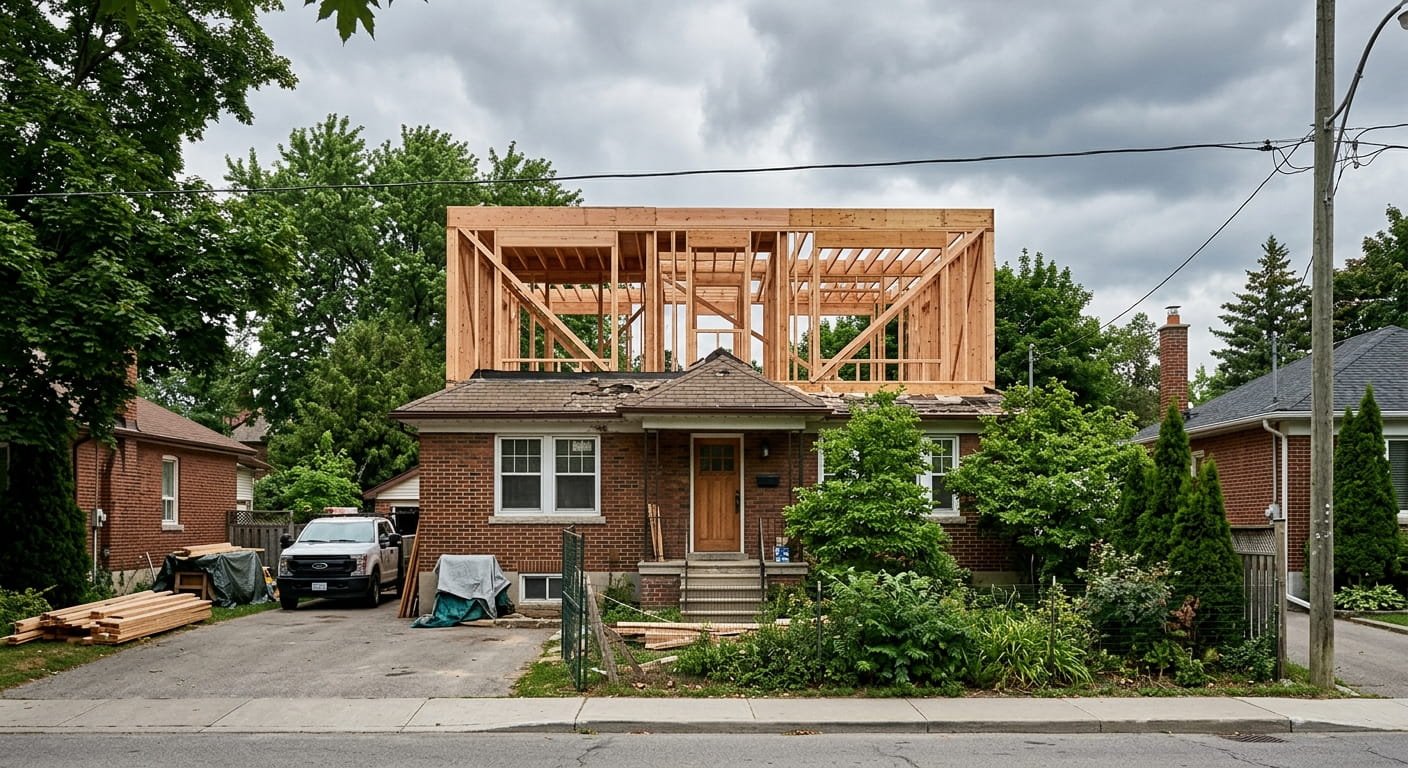
Submit designs to the local planning office or Committee of Adjustment for variances. Ensure all code and safety requirements are met, including those for secondary suite permit process Ontario. - Oversee Build or Renovation
Organize a construction timeline and builder check-ins. Communicate with your team to address problems quickly and remain on budget. - Move In and Settle Up Agreements
Confirm that all private and shared spaces work as planned. Create clear written agreements about costs, chores, and boundaries to ensure long-term harmony.
For more on construction workflows, see Our Approach and see multigenerational living homes in Projects.
Selecting Multi Generational Home Builders in Ontario
Selecting the right multi generational home builders in Ontario makes the difference between a smooth project and a stressful experience. Builders specializing in multigenerational homes Ontario combine knowledge of privacy, zoning, universal design, and family dynamics.
When evaluating a builder:
- Review their completed multigenerational living homes (see Projects) to ensure style and functionality meet your needs.
- Confirm their expertise with multi-unit zoning, building codes, and navigating the secondary suite permit process Ontario.
- Ask if they offer a collaborative approach, adapt to feedback, and provide regular communication.
- Compare pricing structure, delivery times, and ask about warranty support post-occupancy.
- Check for positive client reviews and a track record for delivering projects on schedule.
Browse About Us and Services to understand a builder’s commitments. Early consultations can reveal whether their multigenerational living guide matches your goals. Also consider rural multigenerational home builders Ontario for countryside projects, as regulations and infrastructure may vary.
Cost Comparison: Renovation vs. New Build vs. Ready Homes
| Option | Typical Cost | Timeline | Pros | Cons |
|---|---|---|---|---|
| Renovating Existing | $200k–$600k+ | 4–12 months | Keeps location, lower cost, fast setup | Can require compromises, disruptive |
| Building New Home | $1M+ | 12–18 months | Customizable, modern, future-proof | Highest cost, longest process |
| Buying Move-in-Ready | $350k–$600k+ | <3 months | Quickest, avoids building stress | Limited supply, may not suit all needs |
| Adding In Law Suite | $50k–$120k | 2–6 months | Most affordable, speediest upgrade | Limited privacy in most layouts |
Deciding between renovation, new building, or move-in-ready homes depends on your budget, timeline, property location, and family requirements. Refer to Renovation vs Rebuild and Planning & Financial Guidance for deeper comparisons and to determine the best long-term strategy for flexible living.
Common Mistakes in Multigenerational Home Planning
Avoiding common mistakes is crucial when planning multigenerational homes Ontario. Some pitfalls families face include:
- Neglecting to confirm zoning for secondary suite or ADU construction, resulting in undocumented work or legal hurdles.
- Underestimating privacy needs, leading to unresolved conflicts over noise and shared spaces.
- Failing to plan for future care needs, requiring renovation sooner than expected.
- Not involving all residents—particularly seniors or teens—in design decisions, risking dissatisfaction.
- Hiring home builders without experience in multigenerational living homes, causing delays and poor fit.
For best results, hold open family discussions early, consult guides such as FAQ, and use Blogs for expert strategies and case studies.
Frequently Asked Questions
1. What is the difference between an in law suite, basement suite, and garden suite?
An in law suite is a private living unit inside or attached to a main house, often with its own entry, kitchen, and bathroom. A basement suite utilizes finished lower-level space with separate facilities, though noise and lighting can be issues. A garden suite is a fully detached, self-contained structure situated in the backyard, offering the highest level of privacy. Each has distinct cost, privacy, and permitting factors.
2. Can any home in Ontario be converted into a multigenerational living home?
Not every home in Ontario is suitable for conversion, as municipal zoning, lot size, and local building codes may limit options. Urban and suburban areas frequently allow secondary suite construction or basement apartments under Ontario Regulation 462/24, while rural communities may require more due diligence. Always check with your city’s planning office before planning renovations and confirm what legal steps are necessary for in law suites, garden suites, or laneway homes.
3. Do you need special permits to build a secondary suite or laneway home?
Yes, building any secondary suite or laneway home in Ontario requires a building permit and compliance with all zoning, fire, and safety standards. Plans must show code-compliant layouts, emergency egress, parking, and access. Some municipalities require approval from the Committee of Adjustment for special cases or unique properties. Ontario Regulation 462/24 simplifies some steps, but requirements still vary, so consult your local authorities and consider Planning & Financial Guidance.
4. What Ontario tax credits or incentives exist for multigenerational homes?
Ontario families may qualify for the Multigenerational Home Tax Credit, offering up to $7,500 for building or renovating a qualifying secondary suite for an eligible senior or person with disabilities. Additional incentives for energy efficiency, accessibility, or green upgrades may be available through both municipal and provincial programs. Reference the Planning & Financial Guidance resource for current opportunities.
5. How do you balance privacy and shared spaces for multiple generations?
Balancing privacy and common spaces calls for thoughtful design—separate entrances, private bedrooms and bathrooms, and sound-insulated walls are vital. Place communal spaces like kitchens or playrooms away from sleeping areas and set household guidelines for noise or quiet hours. Honest upfront conversations and agreed-upon boundaries help ensure everyone feels comfortable and respected.
Conclusion
Building multigenerational homes Ontario provides families with exceptional financial and emotional rewards, facilitating stronger relationships across generations and more affordable living solutions. As the fastest-growing household type in the province, these homes rely on thoughtful design, careful collaboration with multi generational home builders, and strict legal compliance to deliver sustainable, flexible living. Take advantage of supportive programs and professional resources to create a home where every generation can thrive—now and in the future.