
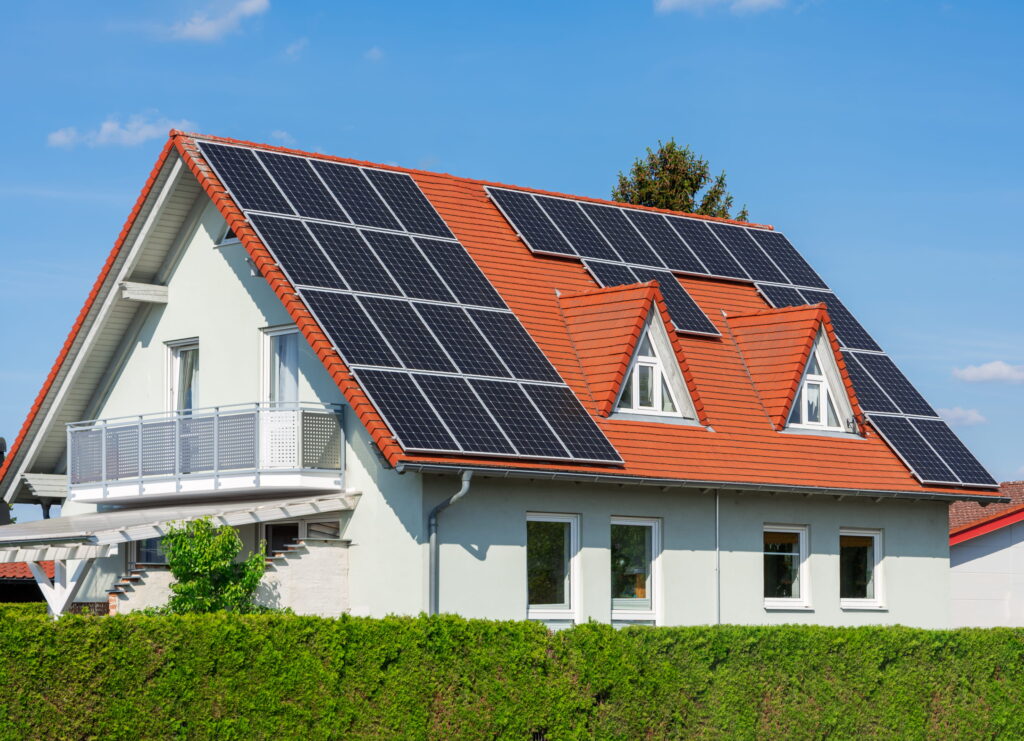
Quick Answer Box: A net zero home in Ontario is a residence designed to produce as much energy as it consumes annually. Through advanced insulation, airtight construction, and on-site renewable energy such as solar panels, net zero homes minimize utility costs, increase comfort, and promote sustainable living for Ontario homeowners.
What is a Net Zero Home?
A net zero home is a residence engineered to produce as much energy as it consumes over a year, equating to a net zero energy draw from the grid. In Ontario, net zero homes are built or upgraded with robust insulation, air-sealed envelopes, energy-smart mechanicals, and usually solar panels to achieve this balance. This supports lower utility costs, improved health and comfort, and substantial environmental benefits for homeowners.
How Net Zero Homes Work in Ontario
Net zero homes in Ontario carefully balance their annual energy use with on-site generation—most often via solar photovoltaic panels. To succeed in Ontario’s climate, construction focuses on highly insulated and air-tight shells that keep heat in during winter and out during summer, reducing the need for mechanical heating and cooling. High-performance windows, doors, and smart monitoring push efficiency further.
Most net zero homes utilize advanced air-source or geothermal heat pumps, allowing for effective operation even during the province’s frigid winters. When solar production exceeds usage during sunny periods, the excess electricity flows back to the grid, earning credits through Ontario’s net metering program. During lower production times, such as at night or in midwinter, the home draws needed power—achieving net zero over the course of the year.
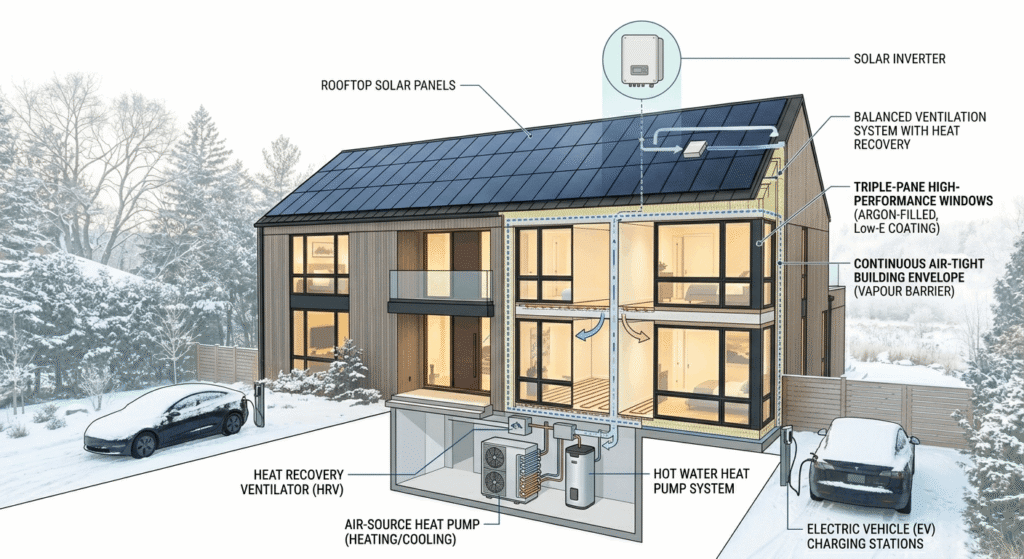
Additional features include HRV/ERV balanced ventilation systems and real-time monitoring to optimize performance, wellness, and cost savings. The Canadian Home Builders’ Association (CHBA) notes that net zero homes in Ontario use up to 80% less energy than typical new builds, even under challenging weather.
Energy Efficient Homes Ontario: Integration and Performance
While not all energy efficient homes in Ontario qualify as net zero, many integrate critical upgrades—like advanced insulation, triple-pane windows, and modern mechanicals—delivering lower operating costs and smaller environmental footprints compared to standard homes. Programs such as ENERGY STAR and LEED ensure these homes meet stringent standards for improved energy performance in Ontario’s diverse climates.
Key Features of Net Zero and Energy Efficient Homes
Net zero homes and energy efficient homes Ontario share several advanced features but achieve different performance thresholds:
- Superior Insulation: Net zero home requirements dictate exceptional insulation in walls, roofs, and floors to prevent heat transfer.
- Building Envelope Air Tightness: Blower door testing ensures the home is sealed against unwelcome drafts and leaks.
- Triple-Pane, Low-E Windows: These further limit energy loss and increase comfort, especially in cold months.
- High-Efficiency HVAC: Cold-climate and geothermal heat pumps replace fossil-fuel systems, cutting carbon output dramatically.
- Renewable Energy Integration: The distinguishing hallmark for net zero home design, with solar PV being most common, and occasional wind or geothermal.
- Continuous Fresh Air: HRV and ERV devices deliver filtered air without penalizing thermal efficiency.
- Real-Time Energy Monitoring: Helps maintain the desired net zero status by allowing constant energy use and generation tracking.
- All-Electric Operation: Most new net zero homes Ontario avoid on-site gas entirely, further reducing emissions.

The result is not only lower utility costs but also greater air quality, soundproofing, and home resilience. These features also contribute to resale value in a growing Ontario market for energy efficient homes.
Net Zero Home Requirements: Building to Extreme Efficiency
Successful net zero and zero net homes demand meticulous planning and execution. Homeowners must ensure their builder meets all net zero home requirements, including third-party verification through CHBA, Passive House, or LEED certification processes.
Net Zero Home Design
Designing for net zero is a holistic process focused on reducing energy demand well before adding renewable production.
- Prioritize Passive Design: Maximize benefit with optimal site orientation, window placement, adjustable shades, and overhangs to reduce energy load naturally.
- Seamless Mechanical Integration: Ensure that HVAC, HRV/ERV, and monitoring systems are cohesively designed for optimal indoor environmental quality.
- Correct Sizing for Solar & Renewables: Net zero home design involves aligning solar array size with anticipated annual energy use and available roof space.
- Smart Material and System Selection: Use insulated concrete forms, advanced framing, locally sourced materials, and air-sealed construction to reduce heat loss and environmental footprint.
- Climate-Responsive Detailing: Consider Ontario’s winter extremes in every system and material specification, from deep foundation insulation to vapor barriers.
- Plan for Certification: Work with your team to map out requirements for programs like CHBA Net Zero or LEED from the beginning for successful post-construction certification.
If building new, you can integrate net zero home design principles from the ground up through custom homes. For renovations, see Renovations to upgrade an existing property toward net zero standards.
For more in-depth technical guidance, refer to Net Zero Energy Homes and Sustainable Construction Practices for methods relevant to both net zero and energy efficient homes Ontario.
Integrating Net Zero with Sustainable Land Development
When combining net zero home design with broader land development or real estate ventures, early planning helps optimize neighborhood-scale energy systems, shared renewables, and infrastructure for future proofing and cost-effectiveness.
How to Build a Net Zero Home in Ontario
- Define Project Goals and Budget
Establish if your target is net zero ready, full net zero, or energy efficient home upgrades. Include both construction and operating budgets, recognizing a 4–8% increase over conventional builds. - Select Accredited Net Zero Home Builders Near You
Focus your search on net zero home builders with CHBA, Passive House, or LEED credentials and proven local experience. Evaluate portfolios, such as those in Projects, for examples of zero net homes. - Collaborate on Design and Energy Modeling
Engage your builder’s design team or a consultant for architectural plans and energy modeling. Confirm all planned components—insulated envelope, high-performance windows, HVAC, and solar array—will meet net zero home requirements. Employ simulation tools like EnerGuide or the HERS Index. - Apply for Permits, Rebates, and Incentives
Your builder should facilitate all necessary building permits, along with applications for Ontario and federal rebates (e.g., Canada Greener Homes Grant) or innovative financing like PACE. - Construct the High-Performance Shell
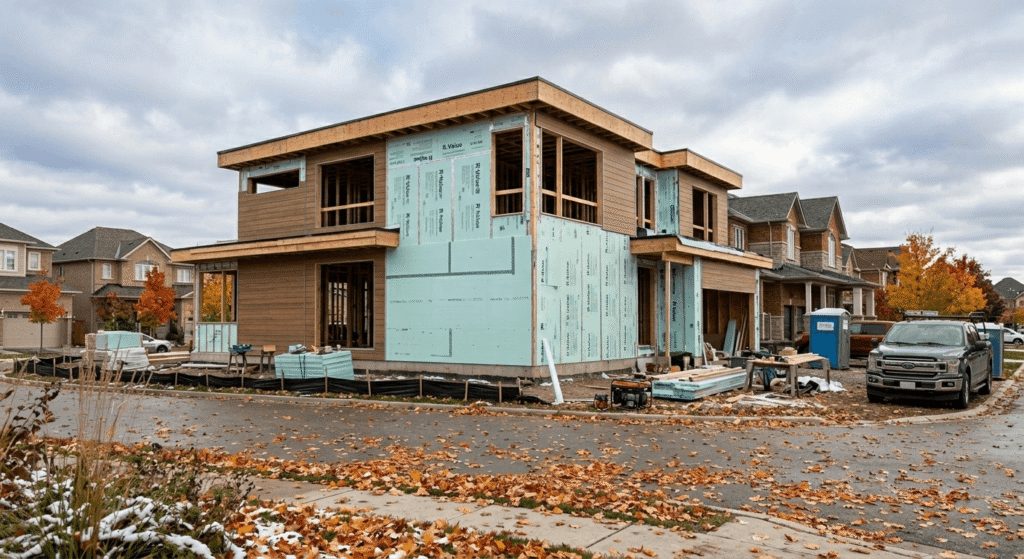
Use advanced framing, rigid insulation, and air barrier technology for superior performance. Install triple-pane windows and high-efficiency doors. Prepare for solar PV and install after the structure is weather tight. Continuous onsite testing—such as blower door and thermal scans—ensure standards are met. - Install Renewables and Mechanical Systems
Finalize the mechanical system (high-efficiency heat pumps, HRV/ERV, water heating) and integrate solar PV and energy storage if required. All systems should be designed for durability and ease of ongoing maintenance. - Commission, Certify, and Train
Perform rigorous third-party testing for air tightness, system balancing, and solar generation. Secure certification under CHBA Net Zero, Net Zero Ready, or Passive House labeling. Train homeowners on the use of monitoring systems and equipment. - Move-In and Monitor Home Performance
Post-occupancy, monitor energy generation and usage with supplied tools, verify utility costs savings, and maintain systems with help from support agreements, such as Warranty and homeownership long-term care options.
For a more detailed understanding of the process, visit HowTo: Net Zero Energy Homes.
Comparing Net Zero, Zero Net, and Energy Efficient Homes
| Feature | Net Zero Home | Zero Net Homes | Energy Efficient Homes Ontario |
|---|---|---|---|
| Definition | Uses and produces equal energy annually | Alternate term for net zero or mix of advanced features | High-performance build, not full energy balance |
| Certification | CHBA, Passive House, LEED, Net Zero Ready | As above, may be less formally verified | ENERGY STAR, LEED, custom builder standard |
| Key Features | Renewables, air-tight, high insulation, smart monitoring | Mix reduce/renew/offset; local materials | Upgraded insulation, windows, mechanicals |
| Cost | 4–8% higher, plus $15K–$35K for solar | Varies, similar if built to spec | 2–5% above code, lower than net zero |
| Utility Costs | 70–100% lower; often $0 annual bills | Same if properly engineered | 30–50% lower than code-minimum homes |
| Market Availability | Custom builds, select pre-built, expanding rapidly | Used interchangeably with net zero | Widely available from most Ontario builders |
| Resale/Investment | High resale and appeal for efficiency buyers | Strong, especially when certified | Improved over standard, rising market value |
For more perspectives on lived experience, investment, and resale for net zero and zero net homes, explore Blogs and the FAQ.
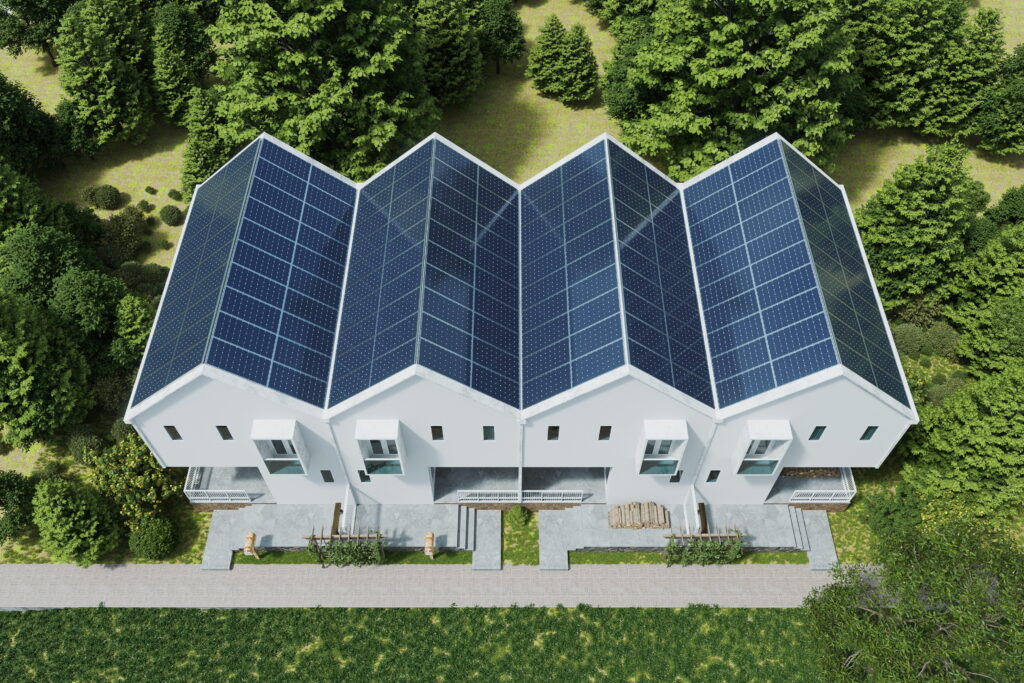
Zero Net Homes: Alternate Term in Ontario
Zero net homes often describe the same high-performance houses as net zero homes in Ontario. Some communities and builders may use these terms interchangeably, but always confirm certification and energy modeling for accurate comparisons.
Selecting Net Zero Home Builders Near You
Finding skilled net zero home builders near you is crucial for a successful project. In Ontario, prioritize those recognized by the Canadian Home Builders’ Association (CHBA), listed with the Ontario Home Builders’ Association, or accredited for Passive House or LEED builds.
The strongest net zero home builders:
- Have a verified track record with completed net zero or zero net homes, such as Kennedy + Kenel or Minto Communities
- Offer third-party testing and guarantees for performance
- Manage the full process from design through to certification and post-build service
- Support custom homes, renovations, and major energy retrofits
Visit Our Approach for details on what to expect, and look for transparent references and communication from your short-listed net zero home builders near you.
Net Zero Home Builders: Services Provided
Services you should expect from reputable Ontario net zero home builders include:
- Custom net zero home design and new builds tailored to homeowner priorities
- Deep retrofits—boosting existing houses to net zero home requirements with extensive envelope and systems upgrades
- Integration of renewables and battery storage for greater energy autonomy
- Ongoing monitoring, maintenance support, and troubleshooting to ensure lasting home performance
Consult Services and About Us to learn more about what top Ontario builders provide.
Cost to Build Net Zero Home: Ontario Pricing Explained
The cost to build a net zero home in Ontario averages 4–8% more than a code-compliant new build, due to advanced insulation, air sealing, efficient windows, and smart mechanicals before adding renewables. However, upfront costs are offset by much lower utility costs and greater home resilience.
Breakdown of investment for a net zero home Ontario:
- Building Envelope:Upgrades to insulation, air barriers, and triple-pane windows can add $5,000–$10,000 or more.
- Mechanical Systems: Advanced heat pumps and balanced ventilation systems increase the initial budget.
- Solar Power: Photovoltaic solar typically ranges from $15,000–$35,000 depending on energy goals and system size.
- Certification and Testing: Expect $2,000–$5,000 for third-party modeling, HERS/EnerGuide tests, and CHBA certification.
- Operating Savings: Net zero homes Ontario can deliver 70–100% lower annual utility costs. Well-designed homes export excess generation to the grid through net metering, often achieving $0 net bills.
- Incentives: Ontario and federal programs (see Natural Resources Canada – Ontario) frequently offer grants, rebates, and innovative loans for high-performance homes.
Return on Investment: Energy savings and improved comfort allow most homeowners to recoup the added cost within 5–10 years, depending on energy prices and program participation. In places such as Union Village, net zero or net zero ready packages have been chosen by 30% of buyers, illustrating the growing value confidence among Ontario homebuyers.
For guidance on financial planning and tailored costing, see Planning & Financial Guidance or reach out via Contact for an individualized quote.
Net Zero Homes for Sale in Ontario: Market Trends
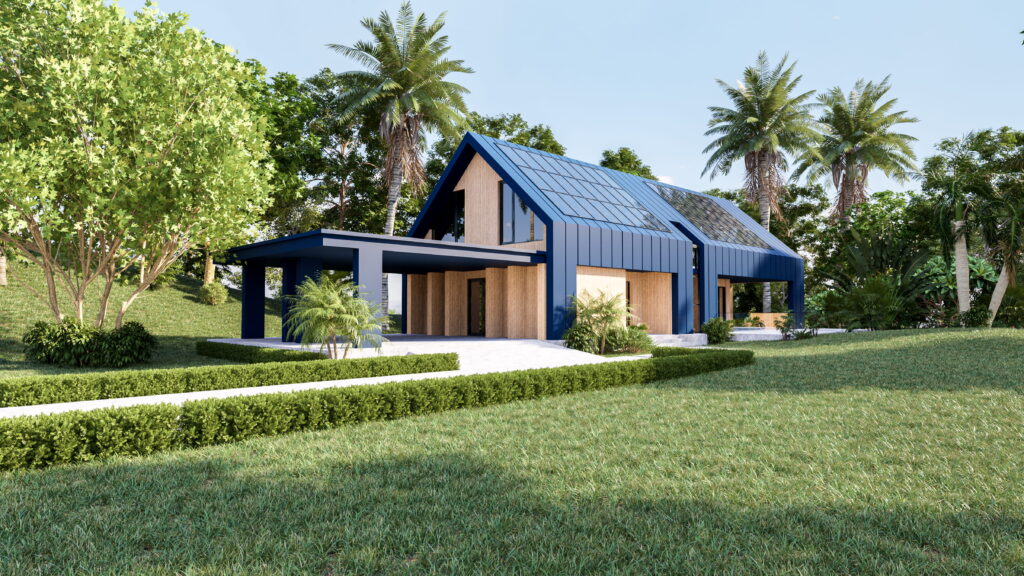
Ontario’s market for net zero homes for sale is expanding, led by developers such as Minto Communities, whose newest neighborhoods like Union Village and The Heights of Harmony offer net zero or net zero ready homes by default or optional upgrade. Builders showcase their expertise through Weldon Drive Custom Home, Thorah Park Custom Home, and other bespoke projects viewable in the Projects gallery.
Key market trends:
- Mainstream Adoption: Over 30% of home buyers in select Ontario developments now choose net zero or enhanced energy efficient packages.
- Rising Resale Value: Energy efficient homes Ontario see premium resale prices thanks to utility cost savings and superior livability.
- Wider Access: More builders now offer smaller, affordable net zero ready homes as well as major renovations bringing old homes up to modern standards.
- Certification Growth: The CHBA Net Zero Home Labelling Program is scaling, including more retrofit and multi-unit dwellings in the coming years.
Explore Real Estate for properties and communities with net zero homes for sale in Ontario.
Homes for Sale: Finding Zero Net Homes on the Market
Selecting a builder with both zero net and net zero experience ensures your new home is fully verified and primed for maximum energy efficiency. Always confirm current listings, incentives, and available certifications to best match your needs.
Common Mistakes in Net Zero Home Projects
Despite the growing popularity of net zero and energy efficient homes Ontario, several common pitfalls can compromise success:
- Inadequate Planning: Rushing project goals, underestimating budget, or neglecting utility cost modeling can derail a build’s efficiency.
- Envelope Shortfalls: Skimping on insulation, windows, or air barrier leads to drafty homes, lost energy, and higher monthly bills.
- Misaligned System Integration: Fragmented mechanical and solar system choices can cause efficiency losses and frustrating troubleshooting.
- Faulty Energy Predictions: Poorly executed modeling results in undersized solar arrays, failing to meet annual needs.
- Hiring Inexperienced Teams: Not all builders meet net zero home requirements. Seek those certified by CHBA or a similar body for net zero home Ontario builds.
- Neglecting Maintenance: Regular system checks and cleaning are vital to protect both performance and warranty.
Refer to Homeownership Long-Term Care for post-construction best practices, and Renovation vs Rebuild for guidance on upgrading existing homes.
Frequently Asked Questions
1. What are the main net zero home requirements?
In Ontario, net zero home requirements include advanced insulation in all envelope areas, verified airtight construction, triple-pane windows, sophisticated all-electric mechanical systems, and renewable energy production (commonly solar PV) sized to match annual consumption. Certified builders conduct third-party energy modeling and onsite testing under the CHBA Net Zero Home Labelling Program.
2. How do net zero homes impact monthly utility costs?
Net zero homes in Ontario can cut monthly utility costs by 70–100%. When homes are carefully modeled and built to net zero home requirements, many owners enjoy $0 net electricity bills annually. Ontario’s net metering credits and predictive energy monitoring help maintain this savings year after year.
3. Are net zero homes Ontario only available as custom builds?
While most net zero homes in Ontario begin as custom builds, large developers increasingly offer net zero ready and fully net zero homes for sale in select neighborhoods. Many builders also provide options to upgrade energy efficient homes Ontario to full net zero as budgets or incentives allow.
4. Is retrofitting an existing home to net zero feasible?
Yes, deep energy retrofits can transform existing properties, but the process is stepwise: adding insulation, replacing windows, upgrading to high-efficiency HVAC, electrifying appliances, and installing solar panels. Builders specializing in energy efficient homes Ontario can offer staged retrofit plans and guidance on available rebates.
5.How do net zero homes benefit the environment in Ontario?
Net zero homes in Ontario eliminate on-site carbon emissions by running entirely on electrified, renewable-powered systems. This dramatically reduces greenhouse gases, supports healthier communities, and advances Ontario’s climate and resilience objectives for future generations.
Conclusion
A net zero home in Ontario offers top-tier energy efficiency, significant utility cost savings, and a direct contribution to a greener future—all through strategic net zero home design and certified builder expertise. As the Ontario market continues to lead Canada’s adoption of net zero and energy efficient homes, homeowners gain access to better comfort, resale value, and lasting sustainability. By partnering with experienced net zero home builders near you and leveraging smart planning, every Ontario resident can achieve a resilient, eco-friendly home investment.
Related guides: Net Zero Homes Ontario 2026: Costs, Certifications & Incentives · Green Building Certifications Ontario: Complete 2026 Guide.