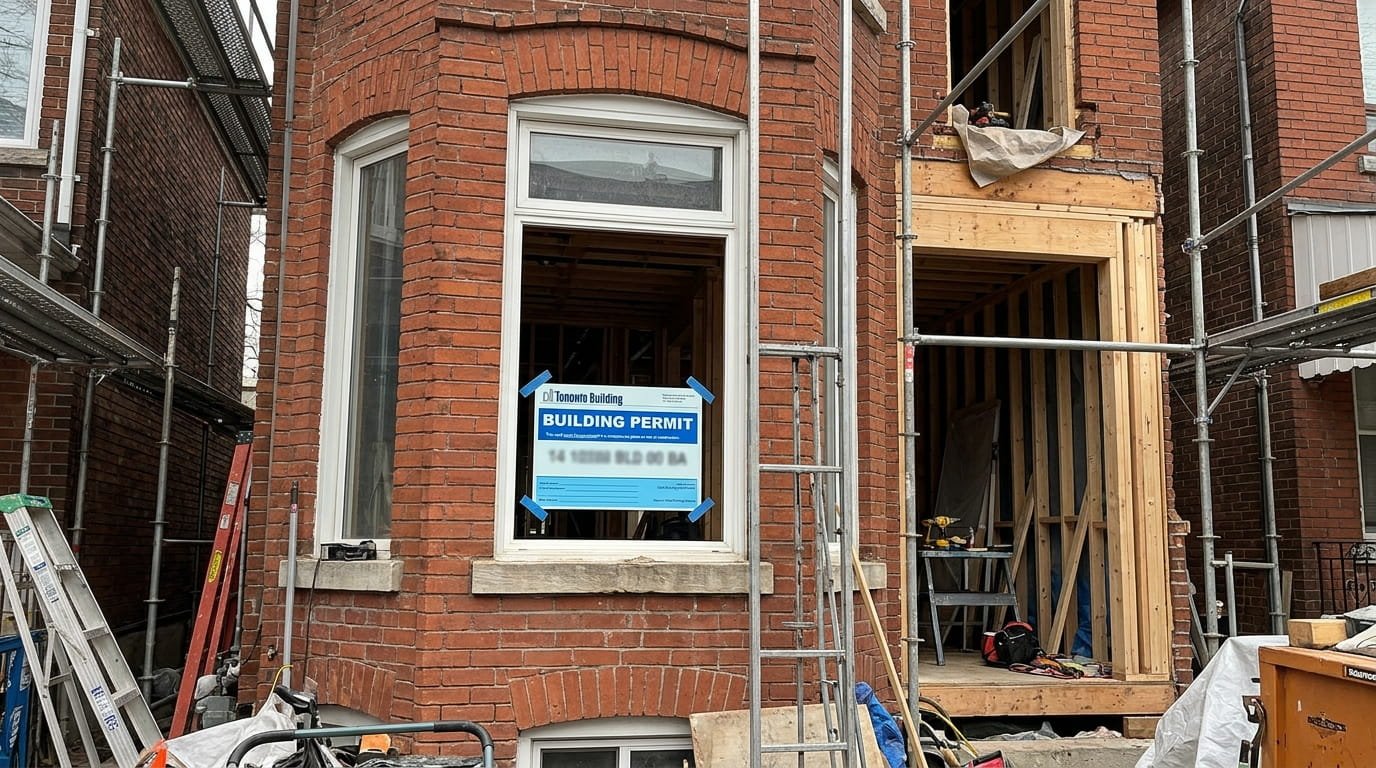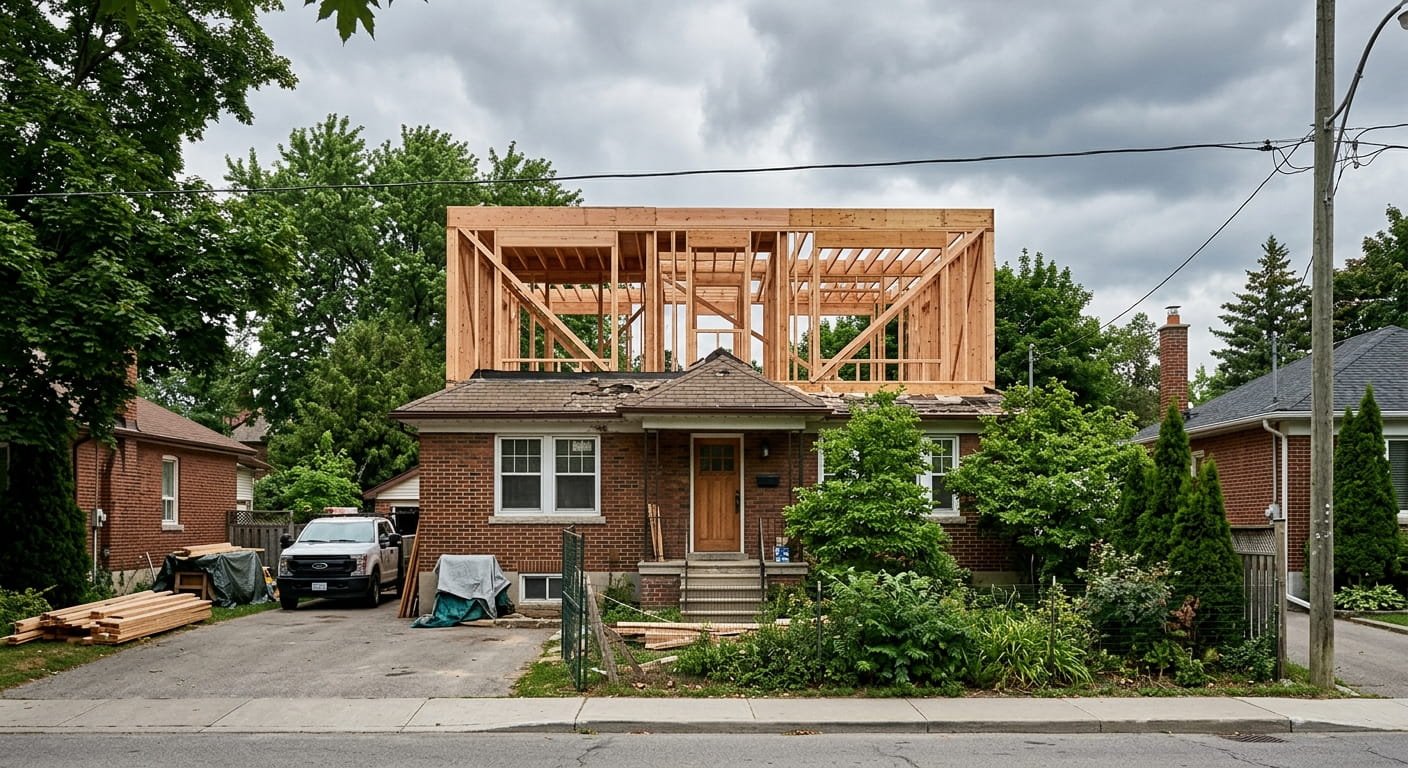


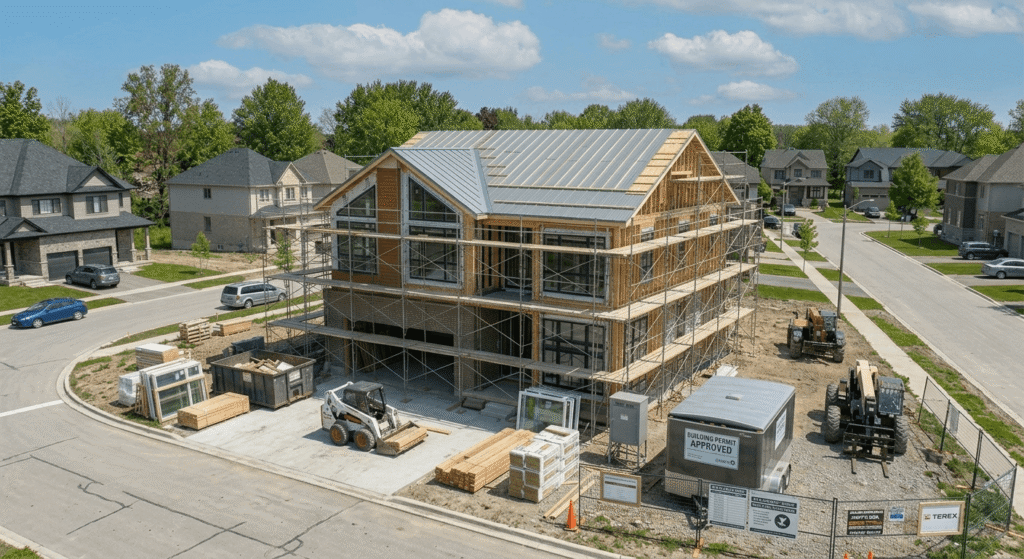
Quick Answer Box: The Ontario Building Code Guide 2026 outlines the critical changes every homeowner needs to understand. In 2026, the Ontario Building Code introduces major rules for fire protection, carbon monoxide alarms, zoning, permits, building construction codes, and energy efficiency. Complying with the updated OBC is now mandatory for all renovations and new home projects across Ontario.
What is the Ontario Building Code?
The Ontario Building Code (OBC) is the province’s legal authority governing how buildings are planned, constructed, renovated, or demolished. Since 1975, it has set minimum requirements for structural integrity, fire protection, accessibility, plumbing, heating, ventilation, and energy efficiency. The 2026 version incorporates over 1,730 technical updates, aiming to improve safety, sustainability, and consistency across all residential and commercial construction.
Why the Ontario Building Code Matters for Homeowners
For homeowners, the Ontario Building Code ensures that every renovation, addition, or new build meets fundamental standards for safety, energy savings, and quality. Adherence isn’t optional municipal building officials enforce OBC compliance through permits and inspections at each major project milestone. Failure to follow these building construction codes could lead to penalties such as stop work orders, insurance voidance, expensive corrections, or even legal trouble at resale or rental. By following the OBC, you not only protect your property investment but also your family’s safety and long term comfort.
Ontario Building Code Act and Regulatory Framework
The Ontario Building Code Act is the legislative backbone that authorizes the creation and enforcement of the OBC. Passed in 1992, it places the power to update the Ontario Building Code in the hands of the Ministry of Municipal Affairs and Housing, while municipalities hold responsibility for enforcing compliance, issuing building permits, and conducting inspections. The OBC is aligned with the National Building Code of Canada 2020, but it includes province specific requirements, such as those targeting cold climate resilience. Homeowners must also check for any local zoning regulations or special municipal amendments which may apply in addition to the OBC’s requirements.
Permitting trips up most projects, so it helps to know how to get a garden suite permit in Ontario first.
Importance of Building Permit
Under the Ontario Building Code Act, virtually all significant home projects require a building permit. Applying for a building permit ensures that your plans are checked for compliance with both the OBC and local zoning regulations, reducing the risk of issues during construction or resale.
Major Changes in the 2026 Ontario Building Code
The 2026 Ontario Building Code includes more technical and practical changes than any past edition. Key reforms include:
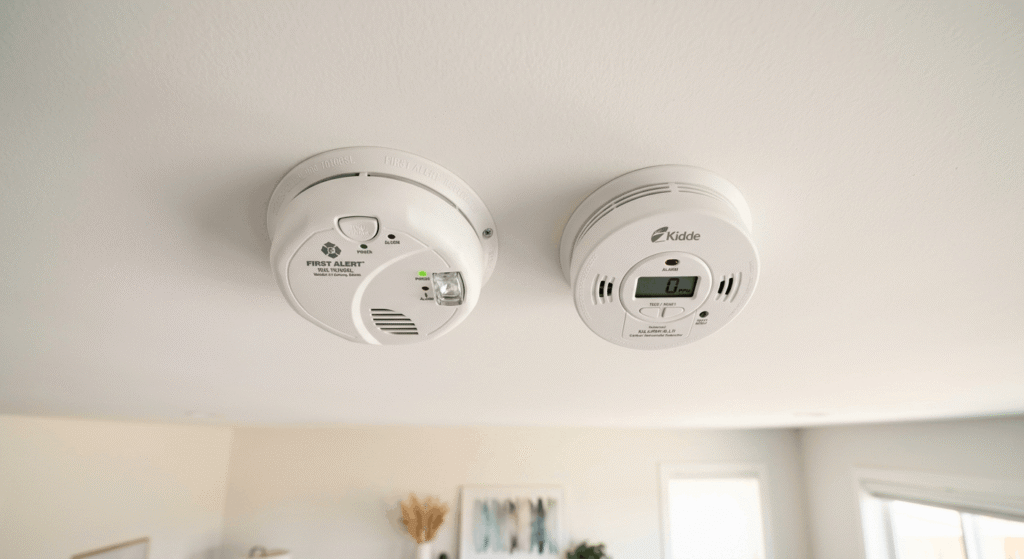
- Expanded carbon monoxide safety: As of January 1, 2026, CO alarms must be installed on every floor containing fuel-burning appliances, chimneys, fireplaces, or attached garages. Multi-unit buildings are fully covered.
- Fire separation upgrades: Secondary suites now require a smoke-tight gypsum board barrier (minimum 15.9 mm Type X) instead of the previous 45 minute fire rating.
- Secondary suite ceiling minimums: The minimum ceiling height for legal secondary suites is 1.95 meters throughout (1.85 meters permitted below beams and stairs).
- Enhanced energy efficiency: Attic insulation now requires an R value of at least 60, while exterior wall insulation must be R 22 or higher, pushing homes toward higher energy savings and lower utility bills.
- Radon mitigation requirement: All new builds must include a radon subfloor depressurization rough-in to minimize indoor air quality risks.
- Expanded digital permitting: Many municipalities roll out online submission and document tools, simplifying application and review.
- Liability and contract clarity: Homeowners and builders both face expanded liability for compliance failures now more explicitly documented in contracts and disclosures.
With over 1,730 updates, homeowners and builders must plan for longer permitting times, possible increases in construction and documentation costs, and the need for highly qualified professionals. For a detailed breakdown, refer to the official Ontario Building Code page.
Legal Secondary Suite Requirements Ontario
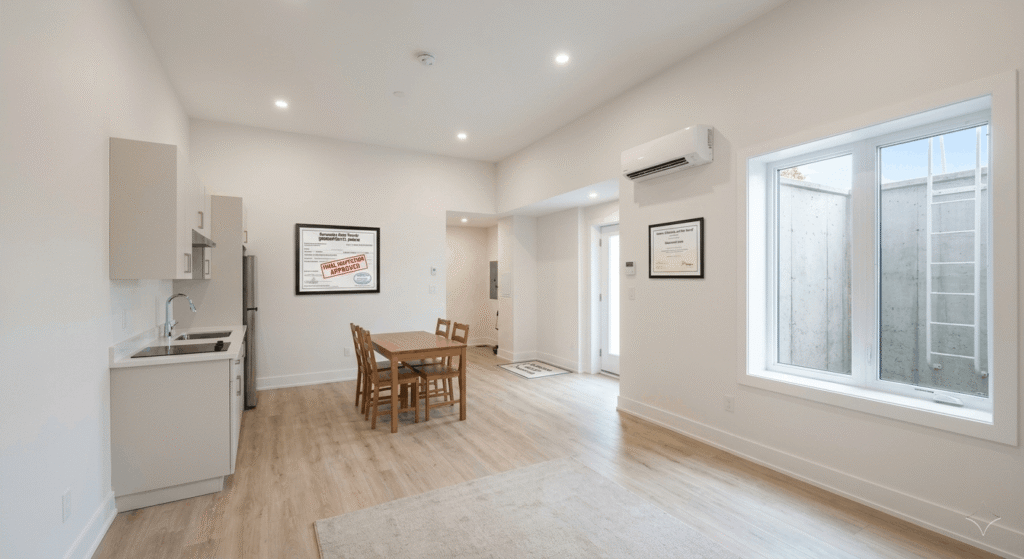
Legal secondary suites in Ontario now face stricter OBC measures: minimum ceiling heights, more robust fire barriers, and direct access or egress. Municipalities may introduce additional zoning regulations, so always verify with your city’s planning department before starting a suite project.
Ontario Building Code Fire Protection Requirements
Fire safety is a central focus of the 2026 Ontario Building Code. All dwellings with a fuel-burning appliance, fireplace, or attached garage must have carbon monoxide alarms installed on every floor no exceptions for either single-family homes or multi unit buildings. Smoke alarms must be placed in every bedroom and on each storey of the dwelling. Newly legalized secondary suites now mandate a continuous smoke tight 15.9mm (Type X) gypsum barrier separating each unit and shared areas, replacing the previous 45 minute fire separation requirement.
Building owners must ensure all fire and life safety systems are interconnected and conform to CAN/ULC S536 (smoke alarms) and S537 (alarm system inspection) protocols. These requirements must be met and demonstrated at final inspection. Failure to comply can result in steep fines, removal orders, or denial of occupancy permits. The OBC’s fire protection provisions guide design and construction, while the Ontario Fire Code governs ongoing maintenance and everyday operation. For specifics, refer to Fire Protection in Buildings – Ontario.ca.
Ontario Building Code Fire Protection 2026
In 2026, ontario building code fire protection measures go further, such as comprehensive CO and smoke alarm placement and formalized inspection requirements. These rules aim to reduce fire-related deaths and property loss across Ontario, making it vital for all owners to stay compliant.
Building Code for Decks in Ontario
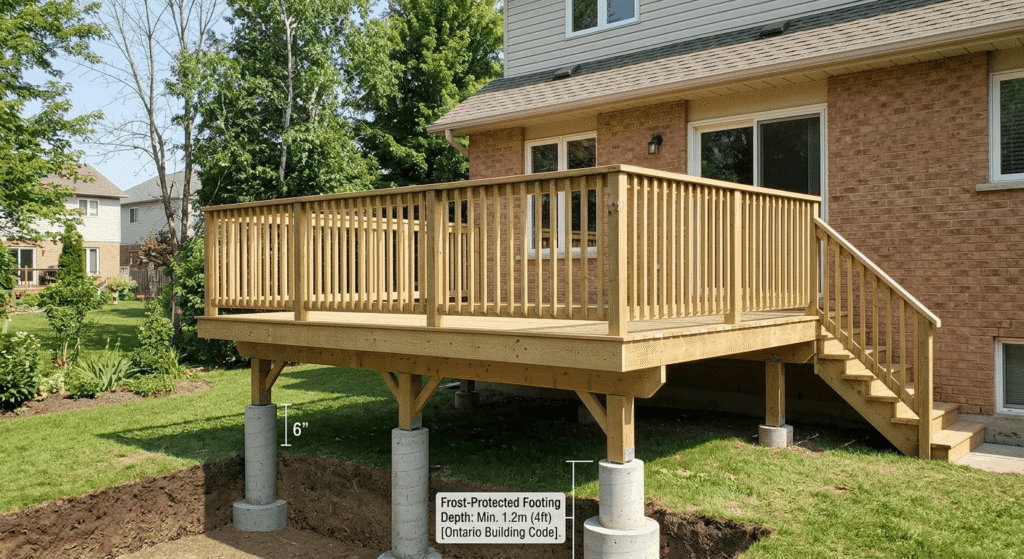
The building code for decks in Ontario is revised in the 2026 OBC under Part 9, which applies to all attached decks and porches no matter their size or height. If you are building new or significantly renovating an existing deck, a building permit is required. Permit applications must include scaled and dimensioned plans, location of footings, railing and guard heights, and engineering calculations for loads if the deck connects to your house or stands over 60 centimeters above ground.
Deck foundations must be frost-protected to 1.2 meters deep, railings placed a minimum of 900 millimeters high on elevated decks, and stair guards must prevent the passage of spheres larger than 150 millimeters. Only use OBC compliant fasteners and pressure treated or rated lumber. Unpermitted or non compliant decks routinely result in stop work orders, forced removal, insurance problems, and resale delays. Before starting, review both the OBC and your local zoning codes list for allowable deck placement and design. For expert tips and custom builds, visit Custom Homes and Projects.
Zoning Codes List and Regulations in Ontario
Ontario’s zoning codes list and municipal zoning regulations dictate what can be built, where, and for what intended use on your property. Zoning bylaws distinct from the technical OBC govern property use, building setbacks, coverage, height, and parking. Ontario does not have a single, province-wide zoning code; every city and township, such as Toronto, Markham, and Niagara, enacts its own regulations,
Before applying for a building permit, verify your property’s zoning online or with a visit to your local planning department. No matter how well your plans conform to the OBC, a project out of step with zoning rules will be refused. For instance, an accessory suite or deck that passes OBC inspection can still be blocked by a zoning violation. Stay up to date with the latest zoning regulations on your city’s website, or consult the Land Development section for more information.
Zoning Regulations in Ontario
When working on any construction or renovation, understanding your municipality’s zoning regulations is crucial. The zoning codes list ontario provides essential details about permitted land uses and restrictions. Not checking zoning regulations is a frequent and costly homeowner mistake.
For the full sequence, see how the Ontario building permit process works from application to approval.
Understanding Building Permits and Inspections
Obtaining a building permit is mandatory for most significant projects in Ontario, be it a new construction, addition, finishing a basement, installing a secondary suite, or even building a deck above 60 centimeters. The process starts with submitting detailed plans to your municipality, showing compliance with both the OBC and all relevant zoning regulations.
Once submitted, plans are reviewed. If compliant, you’ll receive authorization to begin, but must arrange inspections at major milestones: before pouring foundations, after framing, before insulation and drywall, and at final occupancy. If an inspection reveals a deficiency, you must correct it before proceeding. Permit fees vary based on municipality and project value, so consult your local building permit office for fee tables and process details. Undertaking unpermitted renovations can result in fines, forced demolition, or legal limitations on resale.
Building Permit Process Ontario 2026
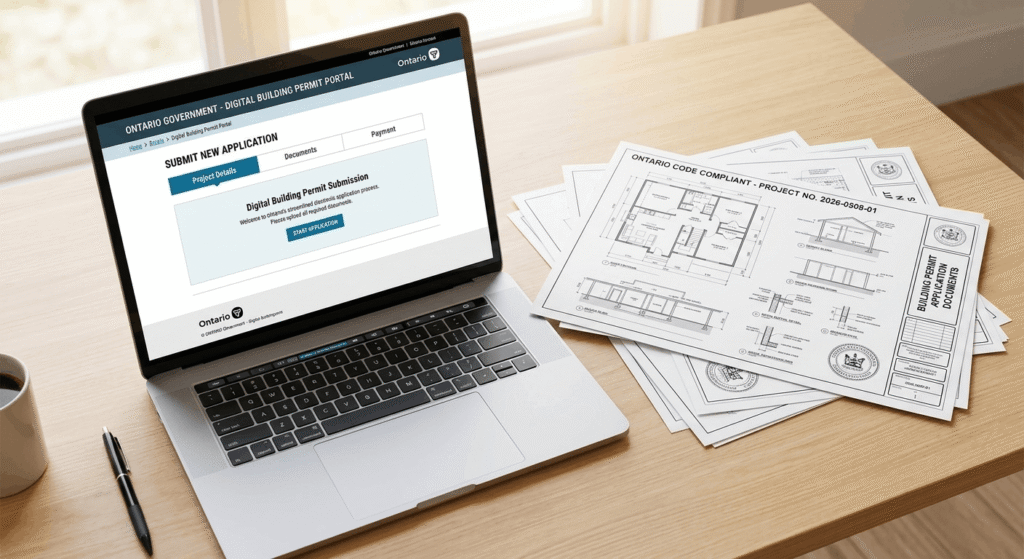
The building permit process Ontario 2026 now often includes digital portals for submitting plans, payments, and inspection requests. Always save all forms, inspection reports, and communications, as you may need them for insurance, warranty, or future sale.
Compliance with the 2026 Ontario Building Code
Follow these steps to ensure your project meets the requirements of the 2026 Ontario Building Code:
- Project Planning and Budgeting
Begin with a well-defined project scope and a contingency budget of at least 10 percent for code-driven expenses. - Confirm Zoning and Property Restrictions
Use your municipality’s online zoning maps or contact planning staff to confirm what is allowed on your property and identify required setbacks or height limitations. - Hire the Right Design and Construction Professionals
Engage an architect, engineer, or designer knowledgeable in the 2026 OBC and municipal zoning. Professional Engineers Ontario and Ontario Association of Architects ensure credentials. - Complete Detailed Design Drawings
Draft clear, to scale drawings with all structural, electrical, HVAC, and fire safety details. Include deck, basement, or secondary suite plans as needed. - Collect Required Documents for Submission
Municipalities require site plans, technical drawings, engineering reports, energy efficiency calculations, and completed application forms. - Apply for a Building Permit
Submit your plans and documentation. Many cities now use digital permitting platforms for efficiency and tracking. - Undergo Municipal Review
City building inspectors will review your project for compliance with both the OBC and local zoning regulations. Respond promptly to any requests for revisions. - Start Construction and Schedule Required Inspections
Begin work only after receiving your permit. Contact the municipality to schedule inspections at each critical stage foundation, framing, insulation, fire protection, and occupancy. - Address Inspection Results Promptly
If inspectors note deficiencies, resolve them immediately and request a re-inspection. - Retain All Documentation
Keep permits, inspection reports, compliance certificates, and any correspondence for warranties, insurance, resale, and long-term care planning.
Should you want project management or turnkey support, companies like Leedway Group have proven experience navigating the building permit process and OBC compliance for custom homes, commercial builds, and renovations.
Old vs New Ontario Building Code (2024 vs 2026)
| Requirement/Area | 2024 OBC | 2026 OBC |
|---|---|---|
| CO Alarm Locations | Only near sleeping areas | On every floor of fuel-burning homes |
| Secondary Suite Ceiling | 1.95m only | 1.95m; 1.85m under beams/stairs |
| Suite Separation | 45 min fire separation | Smoke-tight 15.9mm Type X gypsum board |
| Attic Insulation | R 50 | R 60 minimum |
| Wall Insulation | R 20 | R 22 to R 24 minimum |
| Radon Mitigation | Not explicitly required | Mandatory rough-in for new homes |
| Permit/Inspection Process | Paper-based | Digital rollout in many municipalities |
| Liability for Non-Compliance | General, less explicit | Extended to contracts and resale |
Consult the official Ontario Building Code for a complete list of regulatory differences and technical requirements.
Common Mistakes Homeowners Make with the Ontario Building Code
Homeowners commonly underestimate the OBC’s scope and complexity, making mistakes with costly consequences. Frequently, people start projects without a permit or fail to review both the OBC and their local zoning regulations. Using out of date code references or hiring unlicensed builders can also lead to significant issues. Many overlook mandatory fire protection and energy efficiency upgrades required for permit approval.
Some skip required inspections or submit incomplete documentation, risking final disapproval. Others rely solely on their contractors rather than confirming compliance through the Home Construction Regulatory Authority (HCRA). It’s smart to check references using pages like Our Approach and past Projects. Trying to fix non-compliant work after the fact is almost always more expensive and far more disruptive than planning for compliance from the outset.
Avoiding Common OBC Errors
Stay current by referencing Ontario Building Code online, consulting your city’s planning office, and maintaining ongoing communication with your licensed builder or designer.
Ontario Building Code Online Resources
Staying informed with the Ontario Building Code online resources is essential for anyone planning, building, or renovating. The Government of Ontario maintains a comprehensive Building Code website, including the full OBC, recent bulletins, amendment logs, and digital and print ordering through Publications Ontario.
These platforms offer detailed guides, amendment summaries, frequently asked questions, and direct contact channels for technical support. Many municipal building departments such as Toronto or Niagara publish local checklists and blog updates to address regional variations or recent changes. Regularly checking these resources helps prevent delays, failures, and misinterpretations.
Frequently Asked Questions
1. Who enforces the Ontario Building Code and what are the penalties for non-compliance?
Local municipal building officials enforce the Ontario Building Code. They review plans, issue permits, and conduct inspections. Penalties for non-compliance include immediate stop work orders, costly fines, mandatory remediation, potential insurance claim denial, and even the possibility of lawsuits that could impede property sales or rentals.
2. Do I need a permit for all home renovations or only certain types?
A building permit is essential for any renovation affecting your home’s structural integrity, fire safety, or critical services such as plumbing, wiring, or HVAC. This includes additions, finished basements, secondary suites, and decks above a certain elevation. Cosmetic changes like painting or flooring typically do not require a permit, but you should always confirm with your local municipality to ensure compliance with current rules.
3. How can I check that my construction project meets zoning and building code requirements?
Begin by contacting your municipal planning or building department for guidance on your property’s zoning status and restrictions. Review the latest version of the OBC available through the Ontario Building Code online resource. Submit detailed plans for a pre application review and retain written records of all feedback or conditions, which serve as valuable documentation if issues arise during inspections.
4. What is the difference between the Ontario Building Code and the Ontario Fire Code?
The Ontario Building Code governs how structures are designed and built at the time of planning or renovation, specifying minimum standards for construction quality and safety. The Ontario Fire Code, in contrast, regulates the operation and maintenance of already-occupied buildings, ensuring ongoing fire protection and emergency readiness once people move in. Each code is enforced at different stages of a building’s life.
5. Can homeowners access the full text of the Ontario Building Code online?
Yes, homeowners have free access to the complete Ontario Building Code online via the province’s official website, as well as through Publications Ontario, where both current and previous editions and amendments can be downloaded or purchased in print for reference during your project.
Conclusion
The Ontario Building Code Guide 2026 is a vital resource for staying compliant as a homeowner in Ontario, especially with thousands of new rules now in effect. Ensuring your project follows the OBC from permit application to final inspection protects your investment, your safety, and your peace of mind. Consult official Ontario Building Code online resources, seek advice from licensed professionals, and reference trusted experts such as Leedway Group at every step for lasting value and full compliance.
For everything on approvals, see our complete Ontario building permits guide. Ready to start? Talk to the Leedway team about your build.