
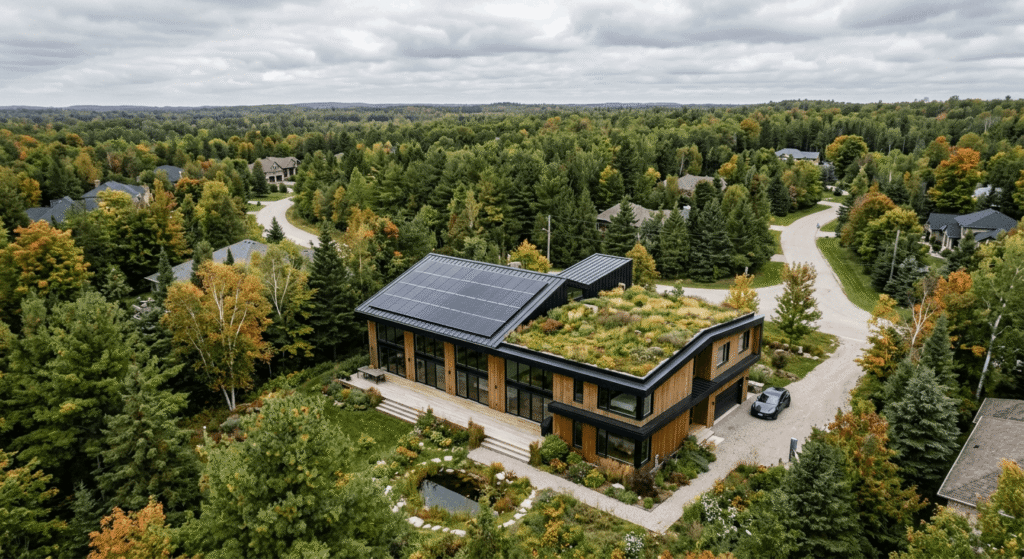
Quick Answer Box: Sustainable construction practices in Ontario focus on minimizing environmental impact, maximizing energy efficiency, and supporting healthier communities. These practices use eco friendly building materials, advanced building envelopes, and features like green roofs, while following standards such as LEED. Ontario’s approach promotes resilience, cost savings, and better quality of life.
What are Sustainable Construction Practices in Ontario?
Sustainable construction practices in Ontario are methods and materials designed to reduce environmental harm, boost energy efficiency, and foster healthier communities. Focused on the building’s full lifecycle, these practices go well beyond standard construction. They address resource use, operational energy, occupant comfort, and resilience. In the province, sustainable construction aligns with code updates, LEED certification, and evolving municipal demands for climate adaptation.
Why Do Sustainable Construction Practices Matter in Ontario?
Ontario’s embrace of sustainable construction practices directly supports climate action, resource conservation, and the public’s health and well-being. The Canada Green Building Council reports a $33 billion GDP impact and over 217,000 jobs in this sector, confirming the economic weight of green building. With policies like the Toronto Green Standard and the Advanced Wood Construction Action Plan, the province is a leader in policy and project innovation. According to Ontario-specific research, 68% of construction industry professionals and 53% of citizens now list sustainable practices as a top priority, even as they face housing pressures and economic uncertainty. By focusing on energy efficiency, Ontario strengthens buildings against extreme weather, lowers operating costs, and creates more comfortable, resilient places to live and work.
Economic and Community Impact
Green infrastructure often costs 5–30% less to build and 25% less to maintain than conventional systems. Moreover, every dollar invested in energy efficiency in Ontario saves approximately two dollars in energy generation costs. This continuous cycle of savings benefits property owners, tenants, and taxpayers while supporting the province’s sustainability targets.
Key Elements of Sustainable Construction in Ontario
Ontario’s sustainable construction relies heavily on energy-efficient design, advanced materials, and an uncompromising building envelope. These elements ensure buildings handle Ontario’s seasonal extremes while minimizing their environmental footprint.
Energy Efficiency
Energy efficiency is the bedrock of modern sustainable construction in the province. With advancing legal standards, high-performance insulation, on-site renewables, and efficient mechanical systems are now commonplace. Net zero homes Ontario are designed to use as little energy as possible and may supply their own needs through solar or other renewable energy. To learn more about how net zero homes Ontario are built for savings, see Net Zero Energy Homes.
Design and Materials Integration
Selecting the right sustainable construction materials is crucial for long-term performance. Choices like engineered wood, mass timber, and fiber cement reduce the structure’s carbon footprint while providing strength, durability, and longevity. The trend toward prefabrication off-site assembly of building segments Eco Friendly Building Materials ensures precision, less waste, and improved timelines, further supporting sustainability.
The Building Envelope
A building’s envelope—the combination of walls, roofs, windows, and foundations is essential for comfort and efficiency. High-performance assemblies, airtight construction, and substantial insulation are critical in Ontario to achieve consistent comfort and prevent energy loss throughout the year. Using low VOC (volatile organic compound) paints, sealants, and materials keeps indoor air healthy.
Air Quality and Low VOC Benefits
Low VOC products are increasingly standard for Ontario sustainable construction. These help maintain indoor air quality and align with both LEED and Ontario Building Code requirements, offering direct benefits for occupant well-being.
Eco Friendly Building Materials and Sustainable Construction Materials
Recent years have seen a shift in Ontario toward eco friendly building materials that prioritize durability, low embodied carbon, and indoor environmental health.
Engineered Wood & Mass Timber
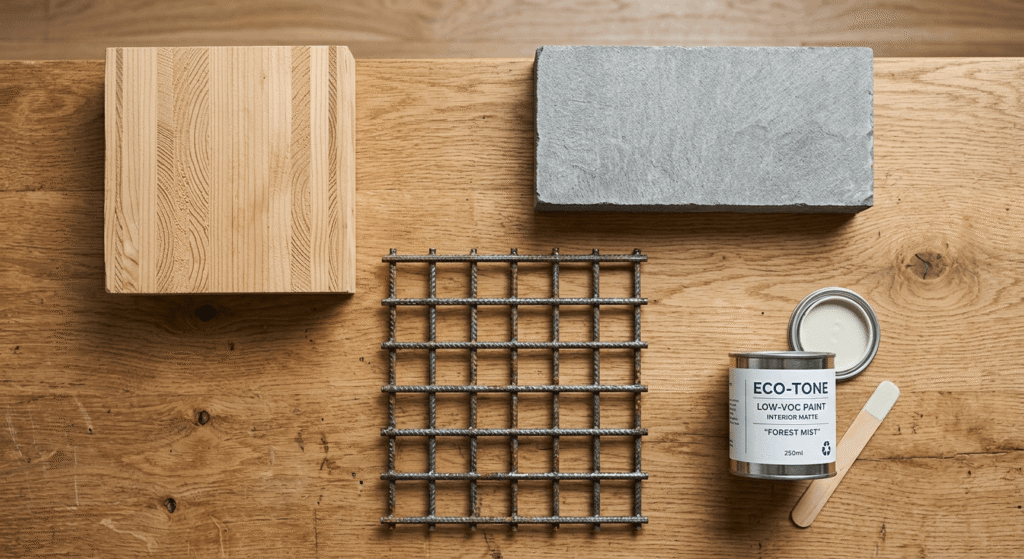
Mass timber and engineered woods are cornerstones of the province’s Advanced Wood Construction Action Plan. These products are renewable, strong, and sequester carbon for decades. Their use in both public and commercial projects matches long-term provincial targets for emissions reduction.
Low VOC and Recycled Content Products
Paints, adhesives, and flooring with low VOC ratings are standard for new builds aiming for green status. Recycled steel, glass, and insulation (made from post-consumer materials) limit demand for new resources. Durable panels and fiber cement products offer performance with less environmental harm.
Innovative Sustainable Construction Materials
Ontario’s drive for innovation includes materials like hempcrete, recycled plastic composites, and mycelium insulation. While newer, these materials demonstrate great promise, complementing the more widespread use of traditional low-emission alternatives. Ontario-based project portfolios showcase these sustainable construction materials in action.
Locally Sourced Eco Friendly Materials
When planning your project, consider how locally sourced or adapted eco friendly building materials reduce transport emissions and support the province’s economy. For guidance, visit Our Approach on material selection and sourcing practices in Ontario.
Green Roofs and Living Infrastructure in Ontario
Ontario has embraced green roofs and other forms of living infrastructure to address stormwater management, lessen urban heat, and increase urban biodiversity.
Green Roofs
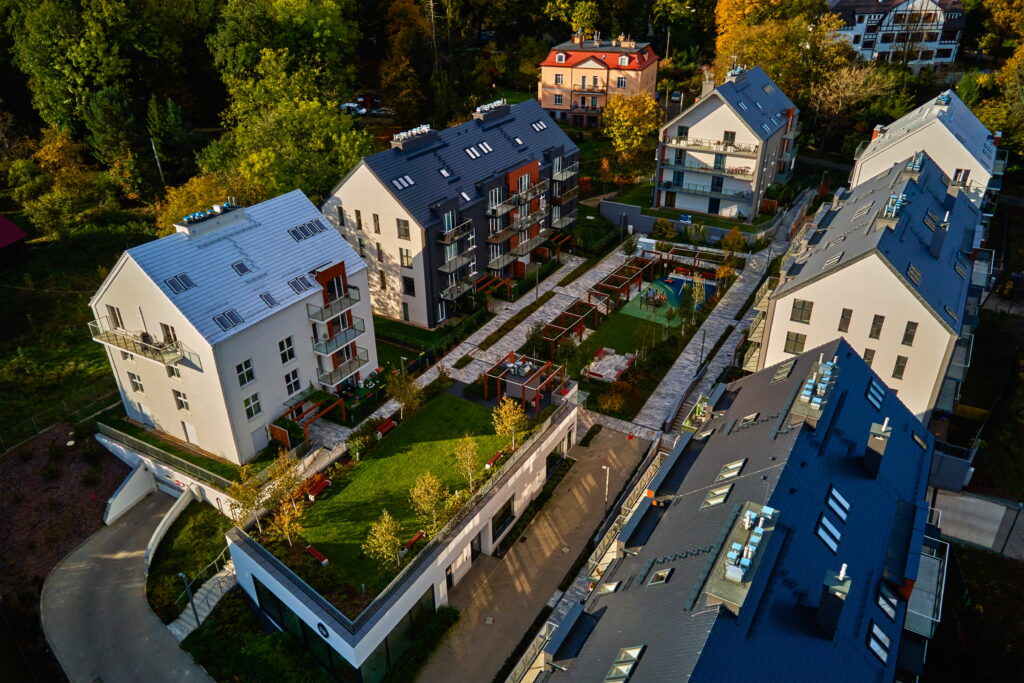
Green roofs, which place a vegetative layer atop a building, are now a common feature in new construction across cities like Toronto. They’re proven to limit stormwater runoff, help insulate buildings, and provide urban habitats.
Policy, Adoption, and Benefits
Ontario municipalities, particularly Toronto, have adopted standards and incentives to promote green roofs. Living green infrastructure frequently costs less to build and maintain—saving up to 30% on construction and 25% in lifecycle costs over traditional rooftops.
Bioswales and Permeable Surfaces
Alongside green roofs, bioswales and permeable pavements are increasingly used for their capacity to manage water at the source and recharge groundwater systems. These methods alleviate pressure on municipal drainage and enhance sustainability on-site.
Green Roofs in the Ontario Building Code
Changes in law continue to shape how Ontario municipalities can require green roofs and related features. Whether you’re building residential or commercial properties, staying up to date with building codes and municipal guidance is essential. Access the latest information directly from Ontario’s official resources.
Prefabrication’s Role in Sustainable Construction
Prefabrication the off-site assembly of key building components is a major driver of green building progress in Ontario.
Prefabrication Benefits
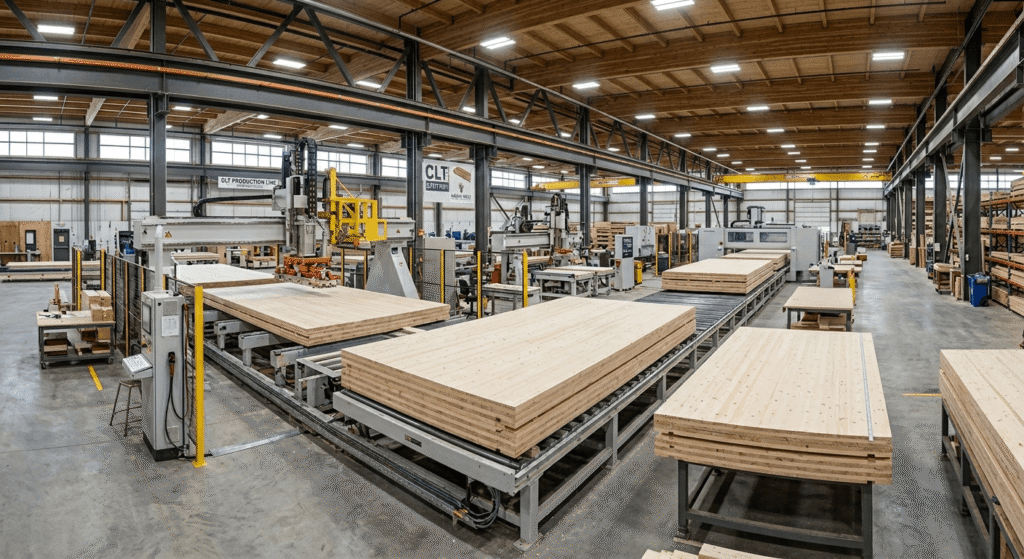
By assembling parts of buildings in a controlled environment, construction waste drops significantly. Timelines are often reduced, and precision increases, which improves overall building performance and sustainability.
Mass Timber and Modular Growth
Ontario is investing heavily in mass timber, especially panels produced for mid-rise residential, commercial, and institutional construction. Programs such as the $20 million Forest Biomass Program position Ontario as Canada’s leader in prefabricated wood construction. Discover more about Ontario’s custom home builds and commercial construction options integrating prefabrication and sustainability.
Residential and Commercial Applications
Prefabrication isn’t limited to major complexes; small homes, additions, and affordable housing benefit too. By using modular components, building teams can minimize operational disruptions, achieve higher quality, and meet stringent sustainability goals. The growth of mass timber prefabrication Ontario exemplifies this sector innovation.
Sustainable Construction Companies in Ontario
Ontario features a robust community of sustainable construction companies, many of which have won awards, certifications, and repeat clients for their environmental commitments.
Certifications and Recognized Companies
A number of companies are LEED-accredited, certified to ISO environmental standards, and experienced with the Toronto Green Standard. Prominent firms such as PCL Construction, Leedway Group, and MTE Consultants—regularly deliver buildings that exceed code, showcase energy efficiency, feature green roofs, and display highly resilient building envelopes.
Local Leadership and Innovation
These sustainable construction companies are active experimenters, integrating smart building systems, advanced prefabrication, and new sustainable construction materials. Many play a central role in industry-wide innovation by taking part in pilot programs, demonstrating best practices, and mentoring local professionals.
Showcasing Project Success
Numerous project portfolios, such as Weldon Drive Custom Home and Niagara Condo Development, illustrate Ontario’s leadership. For more company-focused insights, see the Sustainable Construction Practices overview.
Certifications, Codes, and Standards for Energy Efficiency
Ontario stands out for stringent construction codes and a suite of certifications centered on energy efficiency and environmental leadership.
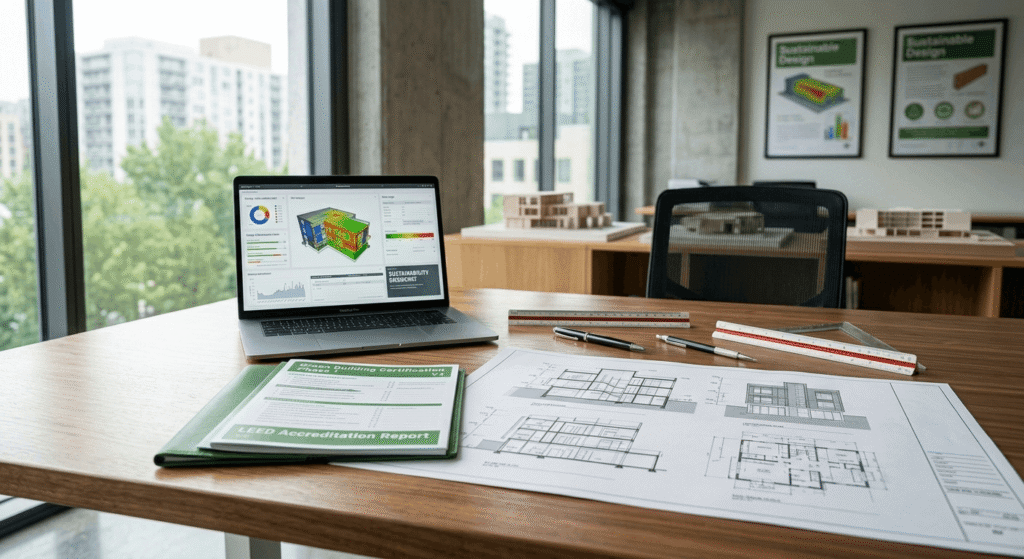
LEED
LEED (Leadership in Energy and Environmental Design) is a global benchmark for green buildings, offering Platinum, Gold, or Silver ratings aligned with energy savings, water use, air quality, and resource efficiency.
Toronto Green Standard (TGS)
The Toronto Green Standard mandates advanced requirements for energy, water, waste, and transportation in new developments across the city, surpassing baseline legal codes and influencing broader provincial policy.
Ontario Building Code (OBC)
The Ontario Building Code continues to evolve, raising minimum energy efficiency benchmarks and mandating sustainable construction materials for certain new builds. These updates reflect Ontario’s climate targets and policies laid out in Policies & Standards.
Net Zero Homes Ontario
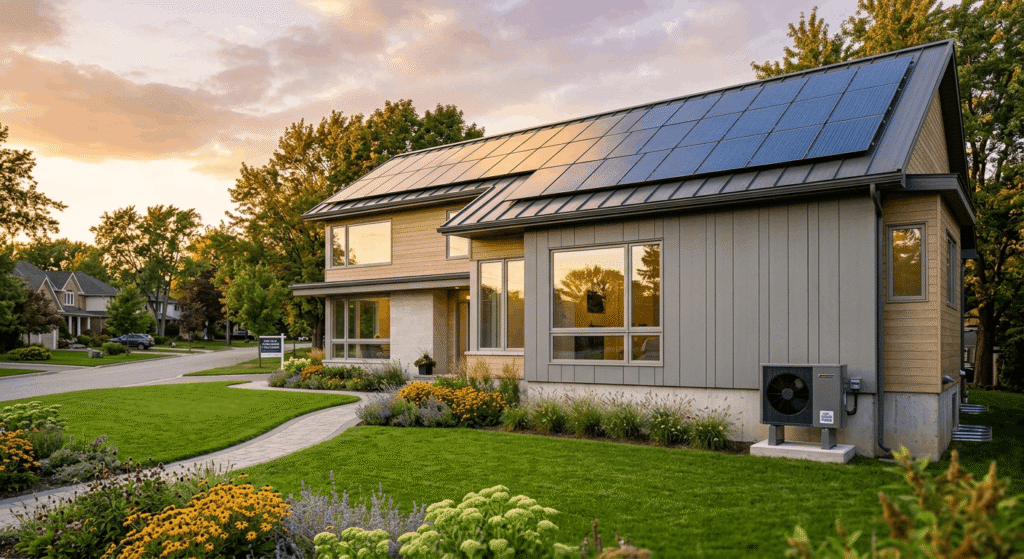
Net zero homes Ontario are constructed to generate as much energy as they use annually, featuring solar photovoltaics, heat pumps, airtight envelopes, and advanced insulation strategies.
Energy Efficiency Mandates
From 2026, new energy regulations have tightened standards further for retail, mixed-use, and residential buildings. For comprehensive policy guidance, refer to the official Ontario policy page.
How to Implement Sustainable Construction Practices
Ready to integrate sustainable construction practices in Ontario into your next project? Use the following step-by-step plan:
- Assess Your Project and Set Goals
Define objectives—energy reduction, eco friendly building materials, green roof integration, or LEED certification. - Assemble an Experienced Team
Hire design and construction professionals with a strong track record in green building. Use past project portfolios to verify expertise. - Select and Evaluate Your Site
Orient the building for passive solar gain, plan stormwater management with bioswales or green roofs, and minimize ecological disruption. - Source Sustainable Construction Materials
Opt for local, recycled, and certified (e.g., FSC wood) materials, plus low VOC paints, adhesives, and high-performance assemblies. - Optimize the Building Envelope
Maximize insulation, airtightness, and window performance to minimize heating and cooling costs in Ontario’s climate. - Incorporate Green Infrastructure
Add green roofs, permeable paving, and living infrastructure to control water runoff and support biodiversity. - Plan for Energy Efficiency and Renewables
Install advanced HVAC systems (such as ERV), prioritize onsite renewable energy like solar, and build in smart controls. - Test and Certify
Conduct blower door tests for airtightness, monitor energy use, and complete commissioning to ensure compliance. - Train and Maintain
Educate occupants and establish a maintenance plan for systems like living roofs, solar panels, and HVAC equipment. For more, see Homeownership Long-Term Care and Planning & Financial Guidance.
Traditional vs. Sustainable Construction Practices
| Feature | Traditional Construction | Sustainable Construction |
|---|---|---|
| **Materials** | Concrete, steel, standard wood | Engineered wood, mass timber, recycled content, low VOC products |
| **Energy Efficiency** | Meets code minimums | Net zero, energy recovery, triple-glazed windows |
| **Building Envelope** | Standard insulation, basic sealing | High-performance, airtight, advanced insulation |
| **Environmental Impact** | Higher carbon, more waste | Lower carbon footprint, green roofs, stormwater management |
| **Project Cost** | Lower up-front, higher lifetime costs | Slightly higher up-front, lower operating and long-term costs |
| **Lifecycle Benefits** | Shorter lifespan, high maintenance | Durability, lower maintenance, heightened comfort and wellness |
Common Mistakes in Sustainable Construction Projects
Avoid these frequent errors in your Ontario project:
- Neglecting the Building Envelope: Inadequate insulation and sealing compromise energy efficiency.
- Choosing Poor Eco Friendly Materials: Not all products labeled sustainable are suitable for local conditions or durability expectations.
- Disregarding Codes and Incentives: Missing green building rebates Ontario, updates to the code, or performance incentives could lead to extra costs.
- Ignoring Maintenance Needs: Green roofs and some advanced systems require ongoing upkeep that must be factored into project plans.
- Hiring Inexperienced Teams: Sustainable construction companies with a solid reputation and project list are key to success. Verify credentials through About Us and Our Approach.
If you’re preparing for a sustainable retrofit, review the sustainable retrofit guide Ontario for tactical advice on upgrading existing buildings.
Frequently Asked Questions
1. What are the benefits of sustainable construction in Ontario?
Sustainable construction in Ontario leads to reduced greenhouse gas emissions, ongoing energy and water savings, and healthier indoor environments. These projects support green jobs, offer long-term utility savings, and typically see lower lifecycle maintenance costs. Green infrastructure can be more durable and is often less expensive over time than traditional construction approaches.
2. How do I find reputable sustainable construction companies in Ontario?
Start your search by seeking organizations with certifications such as LEED or ISO, portfolios of sustainable projects in Ontario, and membership in reputable associations. Additional steps include requesting references and reviewing case studies. Browse the Leedway Group About Us and Projects pages for examples of high-quality work.
3. Are green roofs practical for Ontario’s climate?
Yes, green roofs are viable across Ontario if properly designed for local weather and structural requirements. Extensive systems offer lightweight, low-maintenance options for urban properties, while intensive designs provide greater biodiversity but demand more support. Using hardy, native plants can ensure success through Ontario’s changing seasons.
4. What eco friendly building materials are best for Ontario construction?
Engineered wood, mass timber, FSC-certified lumber, recycled metals, fiber cement, and low VOC finishes suit Ontario climates while providing durability and sustainability. Insulation made from recycled content and locally sourced stone or biomass further reduces environmental impact.
5. What is the process to achieve LEED certification in Ontario?
A LEED-certified project in Ontario starts with registration via the Canada Green Building Council. Work with experienced designers to set goals and integrate sustainability into the design and construction process. Continuous documentation and third-party review are required until final certification, which benefits from knowledgeable local teams familiar with Ontario codes and LEED pathways.
Conclusion
Sustainable construction practices in Ontario remain at the forefront of quality, performance, and environmental stewardship. Integrating eco friendly building materials, net zero homes Ontario, energy efficiency, and living infrastructure is more than a trend—it’s a necessity for resilience, savings, and the province’s climate goals. To apply these principles or connect with proven sustainable construction companies, explore reliable service and planning resources or consult experienced professionals in Ontario.