

Quick answer: Winter home renovations can help you fix comfort problems while they’re easy to notice, make progress on indoor upgrades, and prepare larger projects for spring. In Canada, the best winter projects are those you can complete in a heated, weather-tight home or plan without relying on a stretch of mild weather.
A bedroom that never warms up, a kitchen that feels cramped during family gatherings, or a basement that sits unused all winter can tell you where a renovation would make the biggest difference. Start with the problem you want to solve, then decide which work makes sense now and which needs warmer weather. For homeowners in Mississauga and the Greater Toronto Area, Leedway Group’s home renovation services cover everything from single-room updates to whole-home remodels.
Why is winter a good time to find and fix heat loss?
Cold weather makes some comfort problems easier to spot. You might notice a draft around the attic hatch or find that an upstairs room cools quickly after the heat shuts off. Those clues give an energy advisor or contractor a starting point for deciding whether air sealing, insulation, or heating system changes would help. Natural Resources Canada
Check air leaks before adding attic insulation
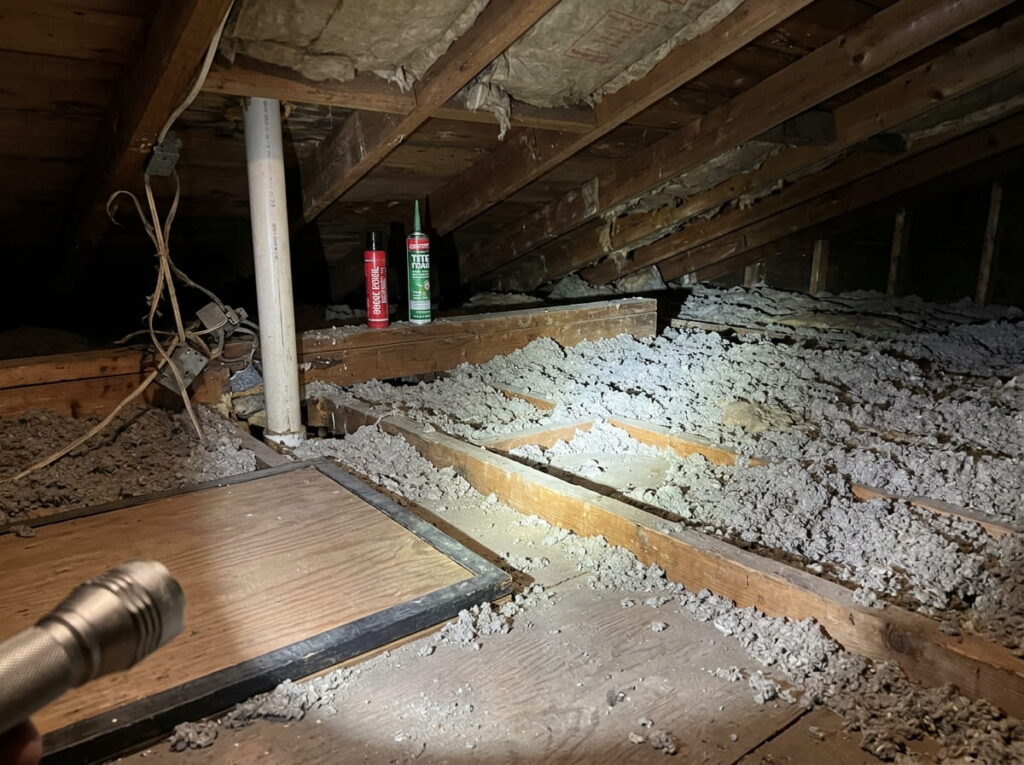
Adding more material to the attic can slow heat loss, but gaps around the hatch, plumbing penetrations, or ceiling fixtures can still let warm, moist air escape. In cold conditions, that moisture can collect as frost on the underside of the roof. If an inspection reveals frost, damp insulation, or staining, have the moisture source investigated before covering the area with a new layer. A contractor should also check that the work preserves ventilation at the eaves. See Natural Resources Canada’s guide to roofs and attics.
An EnerGuide home evaluation can help if the source of the draft is unclear. An energy advisor can use a blower door test to measure how airtight the home is and assess existing insulation. If you’re choosing between several upgrades, the evaluation gives you a better starting point than relying on how cold one room feels. Natural Resources Canada
Plan heat pump installation around your home’s needs
If a heating system replacement is already on your list, ask an HVAC contractor how a cold-climate heat pump would perform at the outdoor temperatures your area sees. Discuss the home’s heating demand, whether the existing ducts are suitable, and what backup heat may be needed on the coldest days. If you’re also improving the building envelope, tell the installer before equipment is sized because those changes can affect how much heat the house needs. See Natural Resources Canada’s guide to heating and cooling with a heat pump.
Which indoor upgrades can you get done during winter?
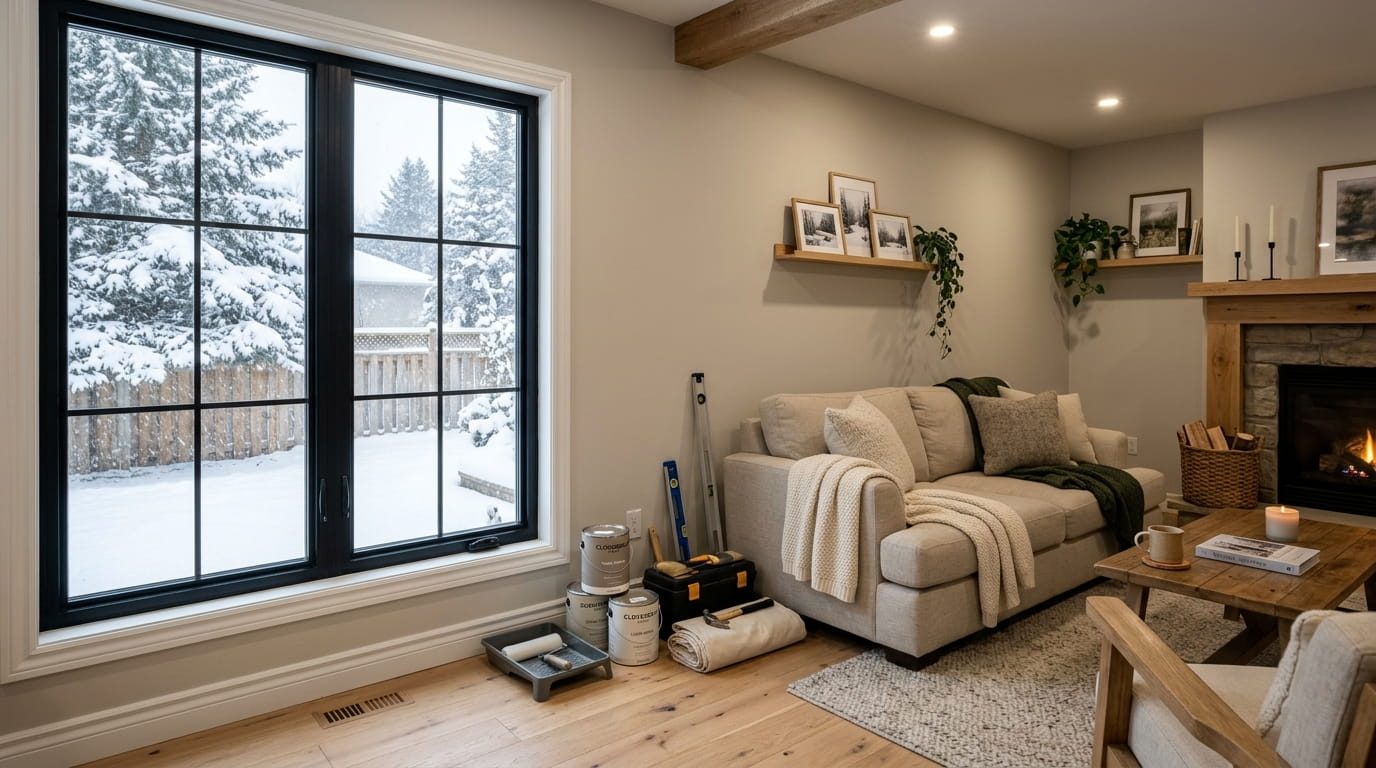
A heated, enclosed house gives crews a place to work on cabinetry, interior finishes, and many layout changes while snow or ice makes outdoor work harder to schedule. Before committing to a start date, confirm that the rooms will stay within the temperature and humidity limits specified for the materials you’ve chosen.
Sequence framing and flooring so work doesn’t have to be redone
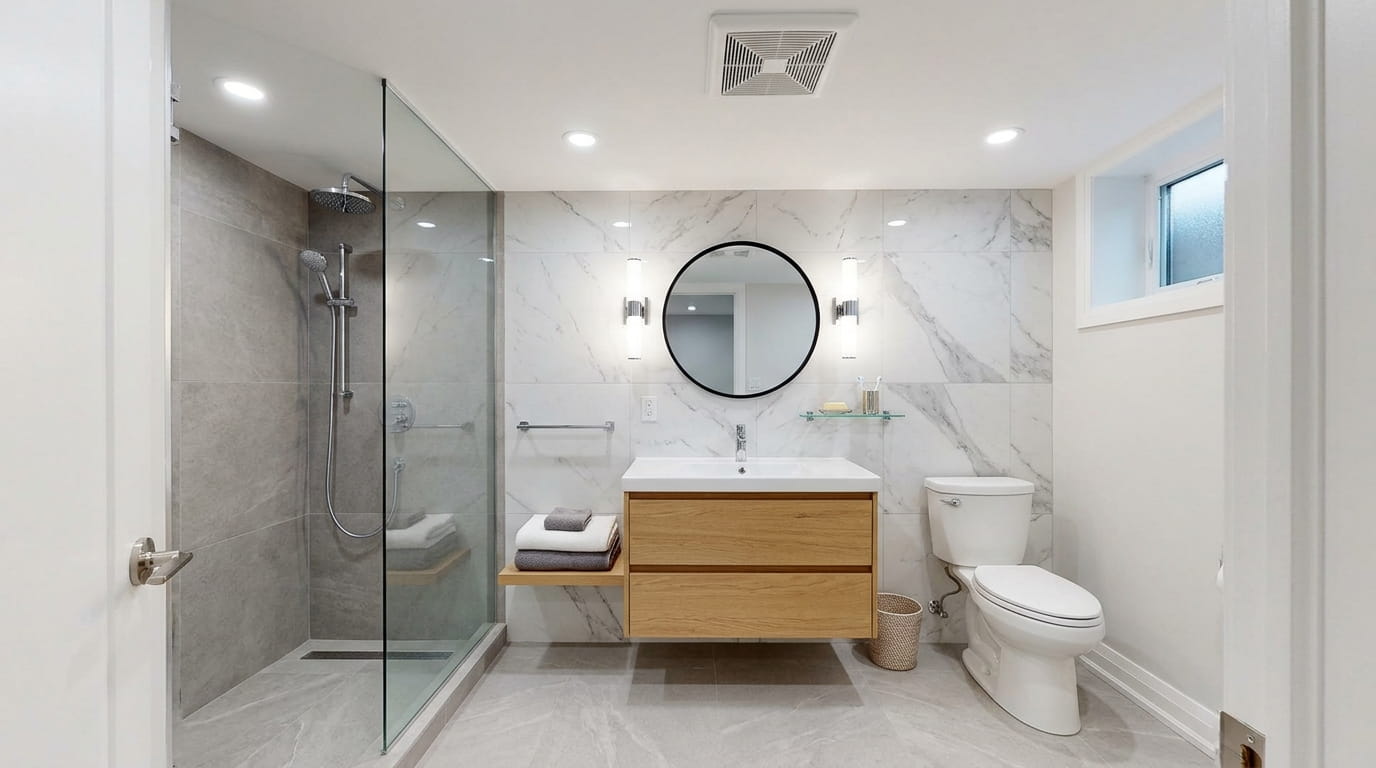
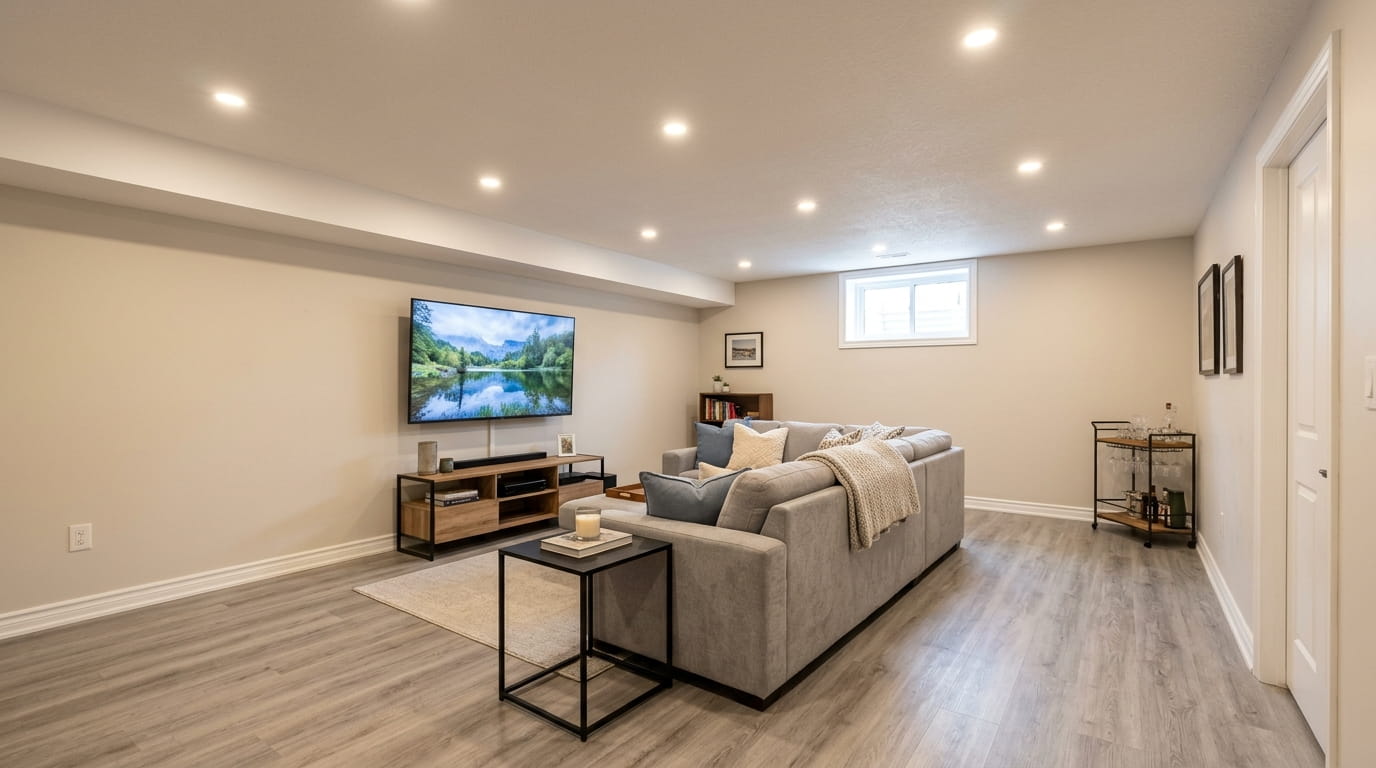
A basement remodel illustrates why the order matters. Check for dampness before enclosing walls or covering the slab. If the project includes a new room or bathroom, coordinate the framing with electrical, plumbing, and ventilation work, and confirm which inspections are required before closing the walls. Leedway Group’s basement renovation services in Mississauga cover finished living spaces and legal suites.
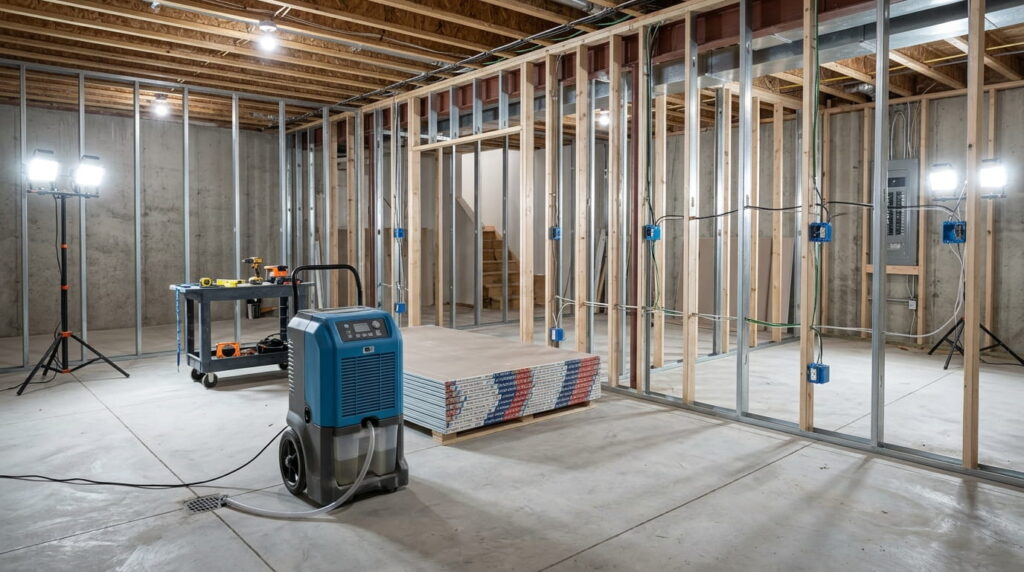
Flooring typically comes later, once the substrate is ready and the room conditions meet the manufacturer’s requirements. If boxes arrive cold from a delivery truck, follow the product’s storage and acclimation instructions before installation. For a kitchen remodel, plan for the days when the sink or appliances will be disconnected. A temporary setup with a place to prepare meals and access to water can make it easier to stay in the house while the work is underway.
Choose updates with everyday use and resale value in mind
If you may sell in the next few years, start with problems a buyer could see or feel during a walk-through, such as damaged floors, poor lighting, or an awkward kitchen layout. A well-planned kitchen renovation in Mississauga can also solve daily frustrations, such as a dishwasher door that blocks a walkway. Choose changes you’d be glad to live with if your sale plans shift, and treat any future resale gain as uncertain.
How does winter project planning help you prepare for spring?
Winter gives you time to make design, budget, and permit decisions before outdoor construction begins. For an addition or a renovation that opens an exterior wall, a phased schedule can separate work you can do inside now from tasks that need suitable site conditions. That also gives you time to check which materials must be ordered early.
Confirm the permit scope before setting a start date
A cosmetic refresh and a structural renovation can have different approval requirements, even when they affect the same room. In Mississauga, painting and installing cabinetry generally don’t require a building permit, while an addition or finishing a basement to create living space does. Check the rules for your address before committing to demolition or placing orders that depend on the approved layout. See the City of Mississauga’s building permit guide.
Once the scope is clear, ask your contractor which dates depend on permit approval, supplier lead times, or the weather. If you’re planning a rear addition, for example, you can work on drawings and select windows during winter, then schedule excavation around site conditions. A useful schedule shows what can move forward if one of those dates slips.
Frequently Asked Questions
1. Can you renovate a house during winter in Canada?
Yes. Interior work can often proceed in an enclosed home with reliable heat, safe access for crews, and suitable conditions for the materials. Exterior work needs a separate assessment. Ask your contractor how they’ll protect any part of the home that has to be opened and which tasks they would reschedule during severe weather.
2. Are winter renovations cheaper than spring renovations?
Winter pricing varies by contractor, trade availability, and the work involved. Compare written quotes with the same scope and materials. If the job includes exterior work, ask whether temporary heat, weather protection, or snow clearing is included, since those items can change the total price even when the labour quote looks lower.
3. Can you install a heat pump in the middle of winter?
Yes. Agree on how the house will stay warm during the changeover, especially if the existing heating system needs to be disconnected. Ask the installer how the selected unit performs at your local winter temperatures and whether the system needs supplemental heat on the coldest days. Natural Resources Canada
4. What home renovation projects are best to start in winter?
- Cabinetry updates in a heated kitchen with a confirmed delivery date.
- Interior painting where the room can be ventilated and kept at the required temperature.
- Basement finishing after any moisture problems are addressed and required permits are in place.
- Attic air sealing and insulation after an assessment identifies where heat is escaping.
5. Can you stay in your home during a winter renovation?
Many households can stay home during a single-room project if heat, running water, and a working bathroom remain available. Before work starts, ask which rooms will be closed off and when utilities will be interrupted. A whole-home renovation may call for a temporary move if those interruptions overlap. Leedway
Conclusion
Winter home renovations make sense when the season helps you solve a problem or move a project forward. Use cold days to identify where your home loses heat, schedule indoor work where conditions are suitable, and settle design and permit questions before spring construction. If your renovation includes both interior and exterior work, ask for a schedule that shows how those phases fit together.
Ready to discuss your project?
Book a free consultation with Leedway Group to discuss your property and project.