Quick Answer: The biggest construction trends 2027 brings to Canada are factory-built housing and energy codes moving toward net zero. Homeowners are also renovating instead of moving. For you, that means more efficient homes, slowly rising renovation costs and fewer federal rebates, so line up financing and permits early.
Construction Trends for 2027: What Homeowners Should Know
Construction trends 2027 will look different from anything Canadian homeowners saw in the last decade. Ottawa now runs its own homebuilding agency, and energy codes keep tightening. Meanwhile, the big federal retrofit money has dried up.
If you’re planning a custom home, a kitchen renovation or an addition in the next 12 to 24 months, these shifts affect your budget and the products your builder recommends. Here’s what’s changing.
What Are the Construction Trends for 2027?
Construction trends for 2027 are the building methods, codes, materials and costs shaping Canadian homes next year. The main drivers are federal support for factory-built housing, the national push toward net zero energy ready codes by 2030, and a renovation market where costs climb slowly while incentives shrink.
New home construction is cooling. Industry summaries of CMHC’s outlook show housing starts dropping to roughly 223,400 units in 2027. That’s one reason more owners are improving the house they already have.
Which Construction Trends Will Affect Canadian Homeowners Most?
Four trends will touch most homeowners in 2027: modular construction going mainstream, codes pushing toward net zero homes, smart home technology moving into the base build, and wider use of sustainable building materials. Each one changes either what your home costs to build or what it costs to run.
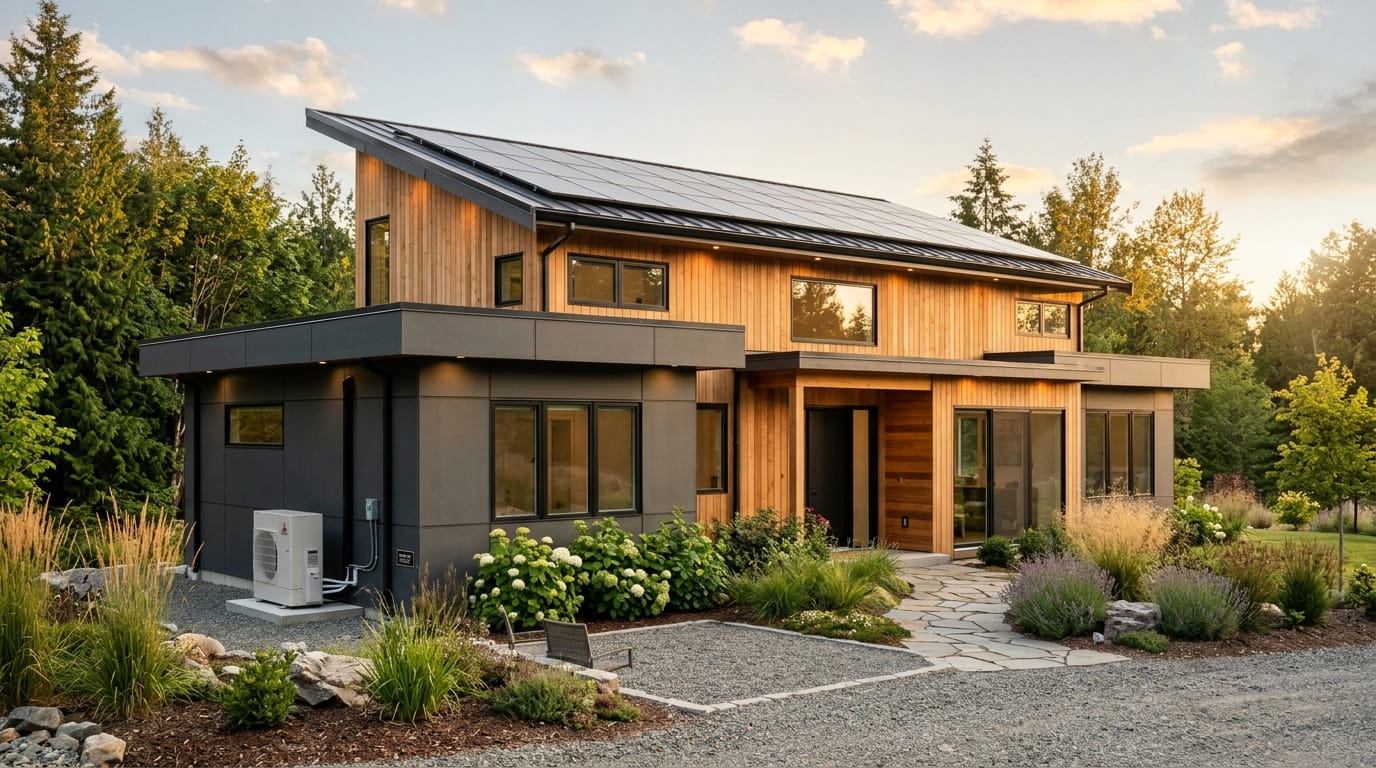
Modular Construction Gets Federal Backing
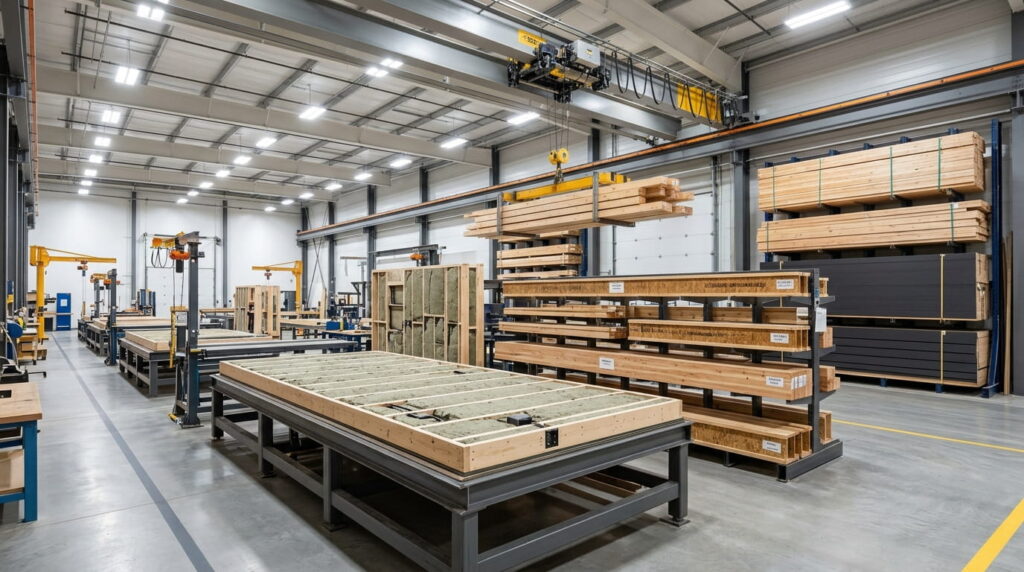
Build Canada Homes launched on September 14, 2025 as a federal agency to scale up affordable housing, and it prioritizes Canadian materials and factory-built methods. It began with $13 billion in capital, and the Build Canada Homes Act received Royal Assent on June 19, 2026. Its six Direct Build sites in Toronto, Winnipeg, Edmonton, Ottawa, Dartmouth and Longueuil use factory-built construction, and Ottawa wants prefabricated homes to make up 5% of new housing stock. Build Canada Homes Launches Request for Information on Modern Methods of Construction +4
Why does this matter for a single-family owner? Federal orders build factory capacity, and that capacity spills over into garden suites, additions and custom homes. The catch: modular still needs a site-built foundation, crane access and local permits, so your lot matters. The Build Canada Homes overview from Housing, Infrastructure and Communities Canada explains the program’s goals.
Net Zero Homes and Tougher Energy Codes
Under the 2017 Build Smart framework, every province and territory committed to adopting a net zero energy ready model building code by 2030. The 2025 National Building Code gives builders more flexibility than the 2020 tiers, and CHBA’s labelling data shows homes can reach net zero ready performance without building to Tier 5. Timing varies: British Columbia targets net zero energy ready new buildings by 2032. Our guide to designing net zero energy homes covers the envelope and mechanical choices involved.
Don’t count on federal retrofit cash. Natural Resources Canada confirms October 1, 2025 was the last day to apply for the Canada Greener Homes Loan (see the NRCan Greener Homes status page). Lower-income households may qualify for the no-cost Greener Homes Affordability Program, offered as of August 2026 in BC, Manitoba, Nova Scotia, PEI and Quebec. canada
Smart Home Technology Moves Into the Base Build
Smart home technology is shifting from gadgets to infrastructure. As homes get tighter and more electric, smart thermostats and heat pump controls do real work on comfort and bills. In CMHC’s 2026 survey, 75% of energy-efficiency renovators reported lower energy bills. Plan wiring and electrical panel capacity at the framing stage. Opening finished walls later costs far more.
Sustainable Building Materials and Engineered Wood
The 2026 Spring Economic Update committed to updating the National Model Codes to support factory-built housing and more flexible options like engineered wood. Envelope upgrades are popular too: 43% of future energy-efficiency renovators plan new doors or windows, and 37% plan to seal air leaks. Leedway’s page on sustainable construction practices explains how these choices play out on site. cceonlinenews
How Much Will Kitchen Renovation and Home Additions Cost in 2027?
Expect renovation costs to keep creeping up, not fall. CHBA’s Spring 2026 Renovation Market Index projected renovation investment growth below 1%, and renovators said Statistics Canada’s 3% annual price increase understates their real cost increases. Budget for modest inflation and lock in quotes early. chba
Kitchen Renovation and Interior Remodeling
Canadians still plan to renovate. CMHC’s 2026 Mortgage Consumer Survey found 63% of mortgage holders plan a renovation within five years, 46% of them expect to spend at least $20,000, and customizing the home led the reasons at 41%. You can review the full 2026 CMHC Mortgage Consumer Survey for details.
Kitchens remain the priciest room. RenoIntel’s permit data puts the average permitted kitchen renovation at $137,200, though permitted jobs skew toward full gut projects. In interior remodeling, moving plumbing or removing load-bearing walls drives the biggest jumps. See how we scope a full kitchen renovation project.
Home Addition Cost and Financing
A promised federal loan never arrived. The Canada Secondary Suite Loan Program was cancelled in Budget 2025 without accepting a single application. Instead, CMHC’s refinance option lets homeowners access up to 90% of post-renovation value, up to $2 million, amortized over 30 years, to build a secondary suite.
Returns matter. Kitchens and bathrooms typically recover 75% to 100% of their cost, while additions recover 40% to 60%, per Appraisal Institute of Canada figures. If the numbers feel tight, compare renovating versus rebuilding before committing, or review our home additions services.
Frequently Asked Questions
1. What are the biggest construction trends for 2027 in Canada?
The trends most likely to affect homeowners are:
- Factory-built and modular housing backed by Build Canada Homes
- Energy codes moving toward net zero energy ready by 2030
- Smart controls and heat pumps planned into new builds
- Engineered wood and high-performance windows
- Renovation costs rising slowly as federal rebates disappear
2. Is the Canada Greener Homes Loan still available in 2027?
No. Natural Resources Canada stopped accepting Canada Greener Homes Loan applications on October 1, 2025, and the grant’s document deadline was December 31, 2025. Lower-income households should check whether their province runs the no-cost Greener Homes Affordability Program, and all homeowners should look at provincial and utility rebates. canada
3. Will net zero homes be mandatory in Canada by 2030?
Not automatically. The 2017 Build Smart framework commits provinces and territories to adopt a net zero energy ready model code by 2030, but each province chooses when to enforce the top tier. British Columbia has set 2032 for net zero energy ready new buildings, so check your province’s schedule.
4. How much should I budget for a kitchen renovation in 2027?
CMHC’s 2026 survey shows 46% of planned renovators expect to spend at least $20,000, but full gut kitchens run far higher. Add a 10% to 15% contingency, since renovators report cost increases above Statistics Canada’s 3% price index. Moving plumbing or walls adds the most.
5. How can I finance a home addition or secondary suite in Canada?
Most homeowners use savings or home equity. CMHC found 59% of future renovators plan to use savings. For suites, CMHC’s refinance program allows borrowing up to 90% of post-renovation value. The federal secondary suite loan was cancelled, so ignore marketing that still advertises it.
Conclusion
Construction trends 2027 reward homeowners who plan early. Factory-built options are expanding, efficiency codes keep rising and federal rebates have mostly closed, so financing and design choices now carry more weight. Start with a clear budget, check your province’s energy code timeline and get firm quotes before costs move again. Our planning and financial guidance is a good next step.
Ready to discuss your project?
Book a free consultation with Leedway Group to discuss your property and project.