

Quick Answer Box: DIY vs professional installation comes down to legal risk, not confidence. In Canada you can install flooring, paint, shelving and most cosmetic finishes yourself. Gas, structural and most electrical work needs a certified installer, a permit and an inspection, because one denied insurance claim costs more than the labour you saved.
What DIY vs professional installation means for Canadian homeowners
DIY vs professional installation is the choice between doing the work yourself and hiring a licensed trade to do it for you. In Canada that line is drawn by law, not by skill level. Provincial safety regulators decide which jobs a homeowner may touch and which ones require a certificate holder.
What does the installation process actually involve?
Every installation process runs through four stages: product selection and measurement, permits or notifications, the physical install, then inspection and sign-off. Most homeowners plan for stage three and forget the rest. Stages two and four are where weekend projects stall, because they run on the municipality’s calendar instead of yours.
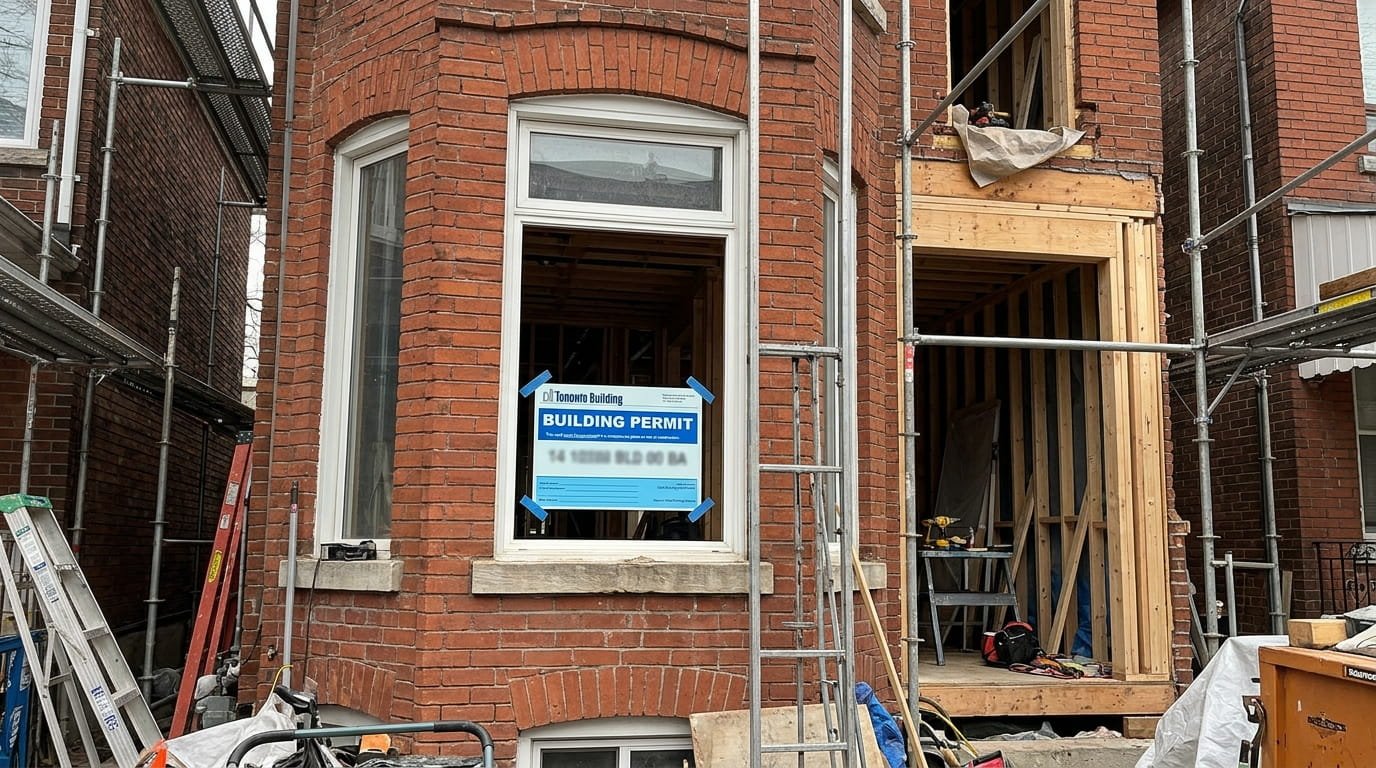
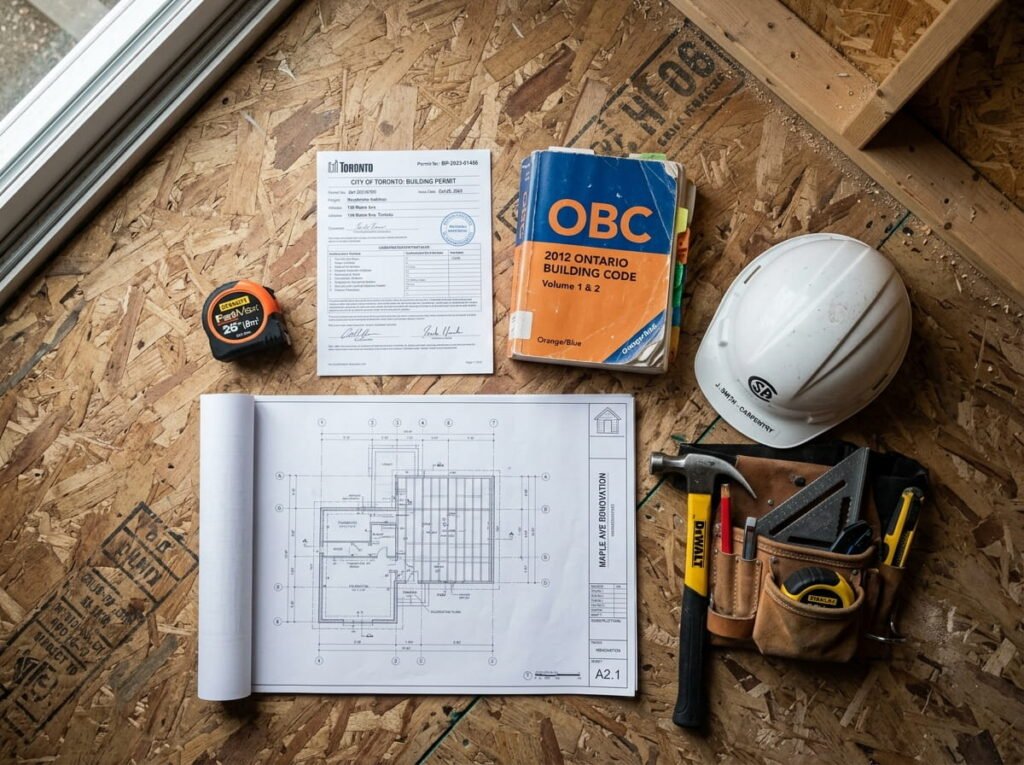
Permits are not optional paperwork. The City of Mississauga says most renovation, construction or demolition projects need a building permit, and zoning rules still apply even when a permit doesn’t. Swapping a vanity in the same spot is fine. Moving the drain is not. Additions follow the same logic, as our sunroom cost and permit guide shows.
Where technical expertise changes the outcome
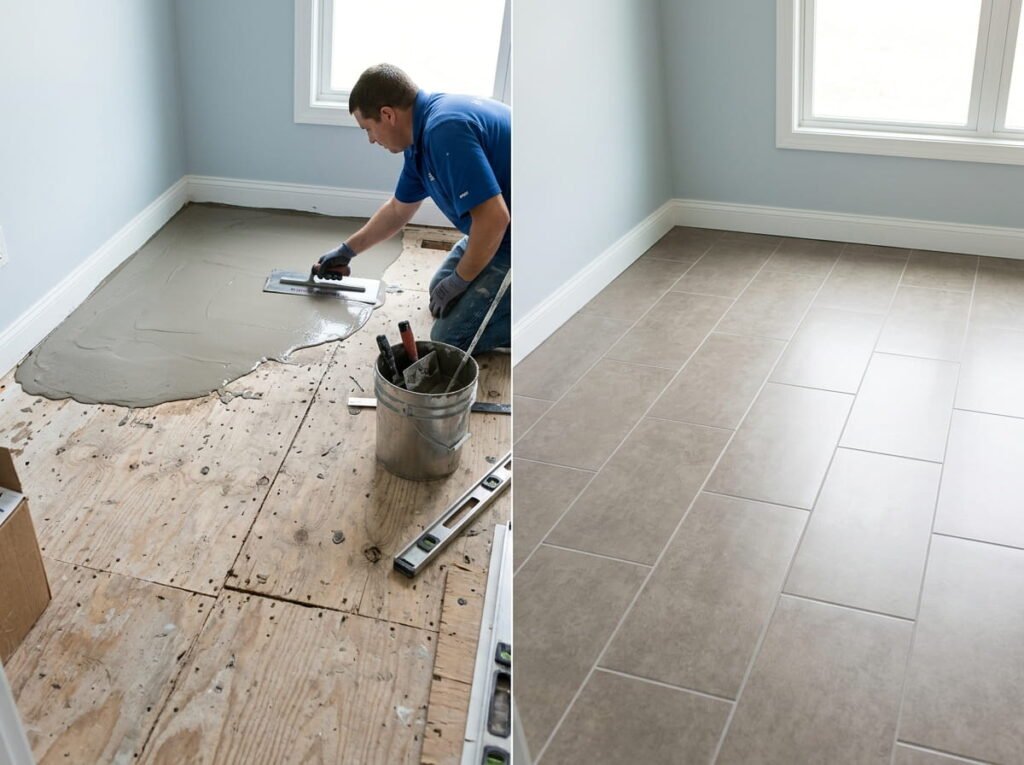
Technical expertise shows up in the parts nobody photographs. Flashing laps, vapour barrier continuity, joist loading. A tile floor that looks perfect can still fail in eighteen months because the substrate deflected. The rulebook also moves: the current Ontario Electrical Safety Code took effect on May 1, 2025, and a new edition lands roughly every three years. A tradesperson tracks those revisions to keep a licence. A homeowner reading a 2019 forum thread does not.
Which installations can you legally do yourself in Canada?
Ontario draws its hardest line at fuel. You may do electrical work in your own home, provided you file a notification of work with the Electrical Safety Authority before you start. You may not touch a gas appliance without a TSSA certificate, no matter whose name is on the deed.
The Electrical Safety Authority requires almost all electrical work to be reported and reviewed before it gets buried behind drywall. Once it passes, ESA issues a Certificate of Acceptance, which insurers and buyers’ lawyers ask for later. Skip the notification and that paper trail doesn’t exist.
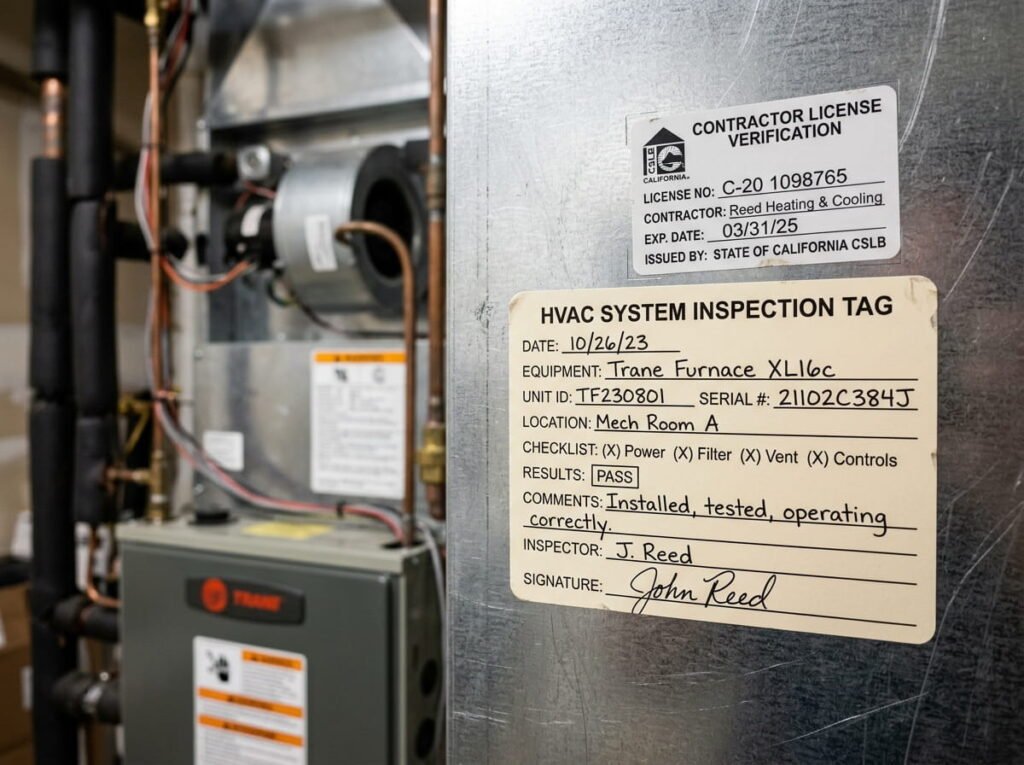
Fuel work is different. Only TSSA-registered contractors and certified gas technicians may install or service furnaces, water heaters and gas ranges in Ontario. TSSA reports that roughly 65% of fuels-related incidents trace back to substandard installation and poor maintenance, with about 9,000 registered fuels contractors in the province. There is no homeowner exemption here.
DIY installation pros and cons: cost savings versus repair costs
The DIY installation pros and cons are easy to summarise. You keep the labour margin, you control the schedule, and you learn the house. You also absorb every warranty gap, every code error and every hour of rework. Rework is where the arithmetic on DIY vs professional installation turns.
Angi surveyed 750 homeowners who had attempted a DIY project. Seven in ten hit problems, one in four hired a professional to fix or finish the job, and 86% of those spent more than budgeted, by an average of $862. That data is American, and Canadian repair costs skew higher once permit and re-inspection fees enter the picture. Cost savings on paper are real. They have a short shelf life on anything structural, wet or wired.
Our project managers see the same pattern on renovation versus rebuild assessments: the demolition was free, and the correction was not.
A short DIY installation guide for low-risk jobs
Use this DIY installation guide as a filter. Do it yourself when all of these are true:
- No permit, ESA notification or TSSA certificate is required
- Failure is visible and reversible, like paint, trim, shelving or laminate
- Nothing behind the finish carries load, water or wiring
- You can reach every fastener without working at height
- The manufacturer doesn’t tie its warranty to certified installation
Exterior work sits at the edge of that list. Cladding, roofing and window replacement touch the building envelope, which is why we cover them separately in our guide to advanced exterior renovations.
What are the professional installation benefits worth paying for?
Professional installation benefits are usually described as peace of mind, which undersells them. What you actually buy is a licence on the line, liability insurance behind the work, a documented inspection record, and access to rebate programs that homeowners cannot enter alone.
Certified installer benefits under Canadian rules
Certified installer benefits are financial before they are anything else. Ontario’s Home Renovation Savings program, delivered by Enbridge Gas and Save on Energy, requires a participating contractor and written pre-approval before installation begins. Federal programs work the same way. Natural Resources Canada counts 284,727 heat pumps installed with federal support since December 2020, yet personal labour was never an eligible expense under the Canada Greener Homes programs. DIY hours are worth nothing to a rebate file.
Installation warranty coverage you can’t buy back later
An installation warranty covers workmanship, which is separate from the product warranty on the box. Most manufacturers void coverage on equipment installed by an uncertified person, so a DIY furnace can carry a live product defect and no remedy. New homes add a third layer: Tarion enrolment gives Ontario buyers one year on workmanship, two years on systems and seven on structure. Touch that work yourself and the builder’s obligation narrows.
DIY vs professional installation compared
This table sets the DIY vs professional installation trade-offs side by side. Repair costs decide most of these projects, and they surface after the money is spent.
| Factor | DIY installation | Professional installation |
|---|---|---|
| Upfront cost | Materials only | Materials plus labour and overhead |
| Time savings | Evenings and weekends, often weeks | Crew scheduling, usually days |
| Permits and inspection | You file, attend, carry the risk | Handled inside the contract |
| Installation warranty | None on workmanship | Typically one to two years, plus Tarion on new builds |
| If it fails | You pay to open the wall and to close it | Contractor returns under warranty |
Frequently Asked Questions
1. Can a homeowner legally do their own electrical work in Ontario?
Yes, in your own home. The Electrical Safety Authority lets homeowners do electrical work in the residence they occupy, but you must file a notification of work before starting and have the installation reviewed before covering it. Work for hire requires a Licensed Electrical Contractor.
2. Does DIY installation void my home insurance?
Not automatically, but it creates exposure. Insurers ask for permits and inspection certificates when a claim involves fire, water or electrical failure. Undocumented work gives an adjuster grounds to reduce or deny a claim, and unpermitted installations also surface during a sale when the buyer’s lawyer requests records.
3. Which installations should never be DIY in Canada?
Four categories belong to certified trades every time:
- Anything burning natural gas or propane, which requires a TSSA-certified technician
- Panel upgrades, new circuits and EV charger installs
- Load-bearing walls, beams and foundation work
- Roofing, window openings and anything altering the building envelope
4. How much do I really save with DIY installation?
The DIY vs professional installation gap on labour runs roughly 30% to 50% of an installed price, so the paper saving looks large. Subtract tool rental, delivery, permit fees, your own hours and the odds of rework. Angi found a quarter of DIY attempts needed a professional afterward, adding $862 on average.
5. Does a certified installer come with a warranty on the work itself?
Yes. A contractor’s installation warranty covers workmanship for a defined term, separate from the manufacturer’s product warranty. Get the term in writing, confirm the licence or registration number, and keep the invoice. Rebate programs and future buyers both ask for that documentation.
Conclusion
DIY vs professional installation isn’t a test of competence. It’s a question of what happens when the install goes wrong, who is liable, and who pays to fix it. Paint the room. Hang the shelves. Then hand the gas line, the panel and the load-bearing wall to someone whose certificate depends on getting it right. Planning work in Mississauga or the GTA? Our design-build services cover permits and inspections in one contract.