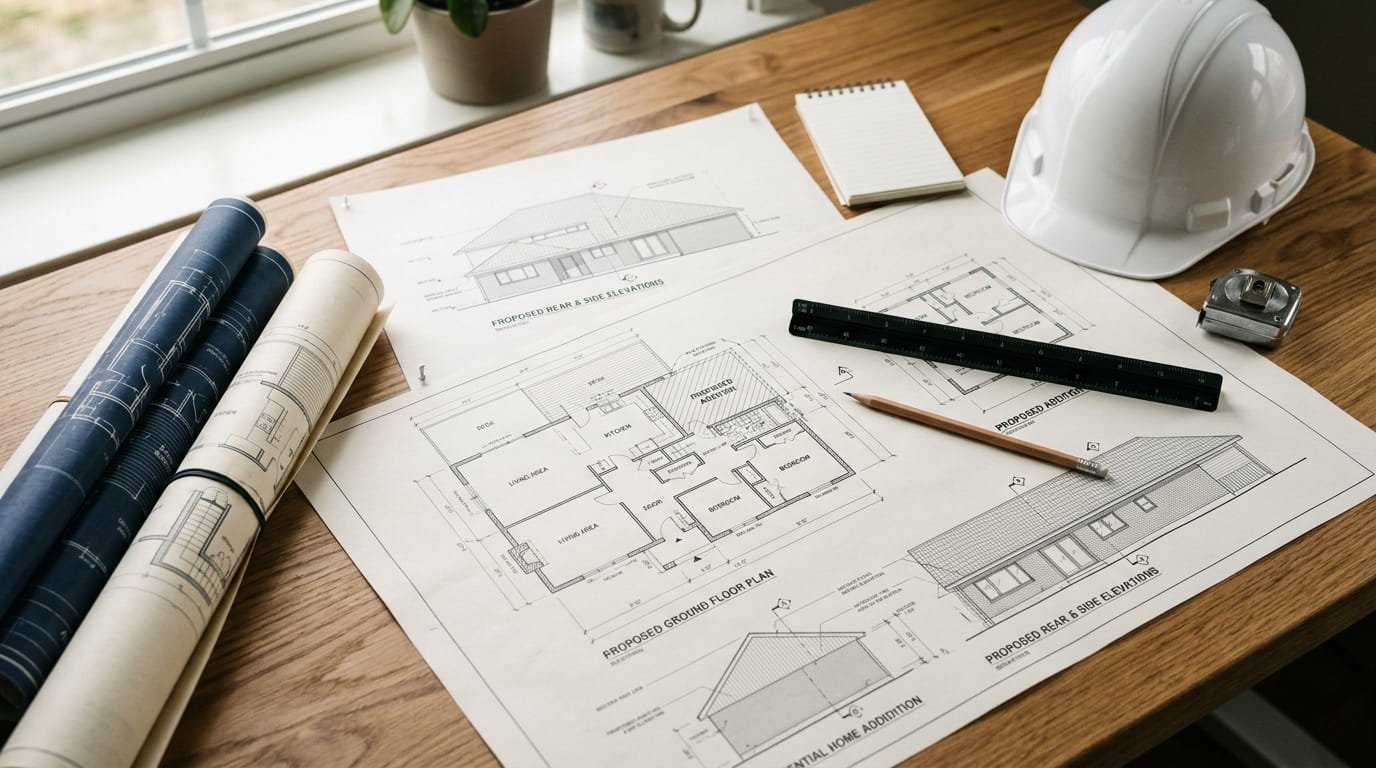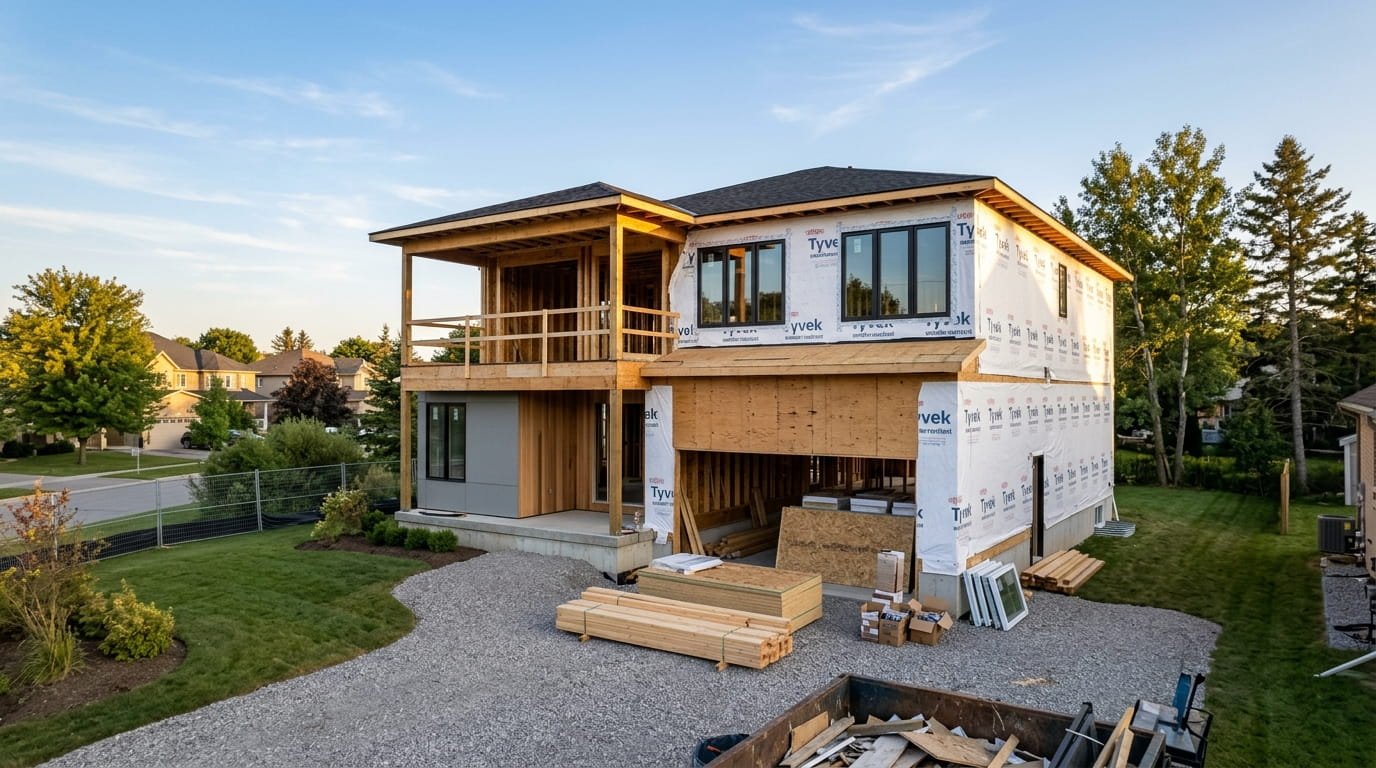


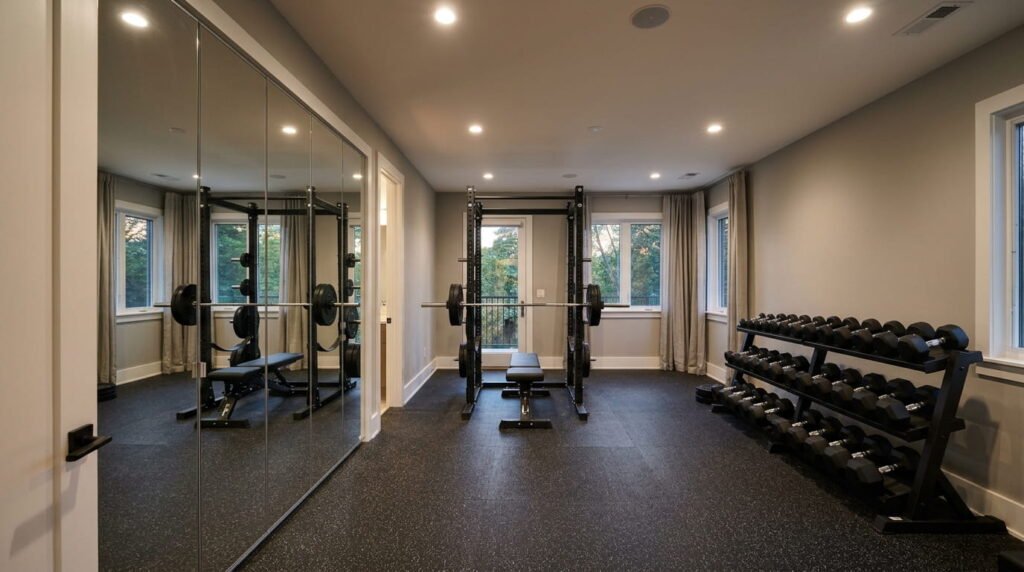
Quick Answer Box: A home gym renovation in Canada usually costs between $3,000 and $100,000 or more, depending on whether you finish an existing basement or build a custom room. Flooring, acoustic work, electrical upgrades, and ventilation deserve the most planning. Most basement projects in Ontario require a building permit, so confirm requirements with your municipality before work begins.
What Is a Home Gym Renovation?
A home gym renovation converts an existing room, such as a basement, spare bedroom, or garage, into a space built for training. It goes well beyond buying equipment. Floors, walls, lighting, and electrical circuits all change so the room can handle heavy use, noise, and sweat.
How Much Does a Home Gym Renovation Cost in Canada?
Costs depend heavily on your province, your city, and how much structural work the room needs. Recent Toronto-area estimates put a basic gym in a finished basement at roughly $3,000 to $20,000. A purpose-built gym in Toronto commonly requires about $40,000 to $100,000 or more, excluding HST and equipment. Lower Mainland figures in British Columbia run higher, with a basic conversion of a finished basement in Surrey, White Rock, and Langley often reaching $16,000 to $32,000.
| Renovation Level | Typical Scope | Indicative Cost (CAD) |
|---|---|---|
| Basic | Rubber flooring, a mirror wall, and extra outlets in a finished basement | $3,000 to $20,000 |
| Mid-range | Basement finishing with flooring, lighting, and some acoustic work | $10,000 to $30,000 |
| Custom | Structural changes, upgraded HVAC, sound isolation, and custom millwork | $40,000 to $100,000 or more |
These are planning estimates from Ontario and B.C. contractors, and they vary by market. Check whether each quote includes HST and equipment before you compare numbers.
Home Gym Ideas That Work in Canadian Homes
Start with how you train. Lifters need a reinforced floor and a rack anchored into framing. Cardio users need quiet flooring and enough outlets for a treadmill and a fan. Plan storage before the walls go up, because built-in shelving is far easier to add during framing than after drywall.
Home Gym Flooring
Rubber flooring is the default for good reason. It absorbs impact, protects the subfloor, and works for both free weights and cardio machines. Rubber tiles or rolls typically run $2 to $5 per square foot, but installed prices climb quickly. Quality rubber gym flooring in the Lower Mainland runs $16 to $35 per square foot installed, depending on thickness. Thicker material costs more but handles dropped weights better, so match the thickness to your equipment.
Gym Wall Mirrors
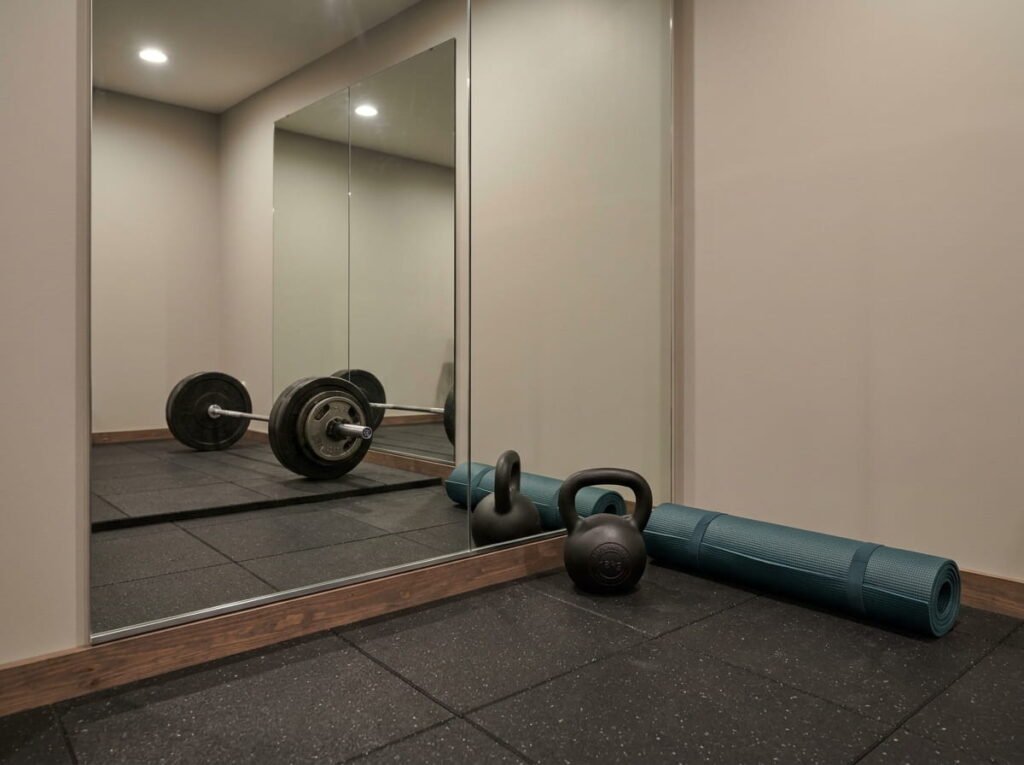
Mirrors help with form checks and make a basement feel larger. Mount them to solid blocking or studs rather than drywall alone. Choose safety-backed panels so a dropped weight does not turn the glass into a hazard across the room.
Acoustic Insulation and Sound Control
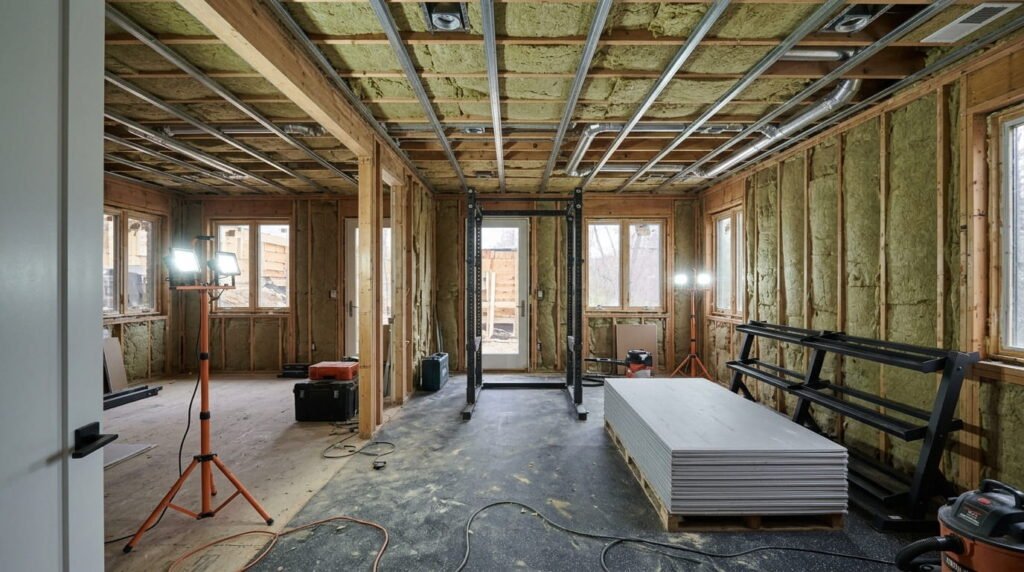
Noise is the complaint most people discover after they start using the room. Insulation in the joist bays runs about $400 to $1,000 in one Toronto-area estimate, while resilient channel and double-layer drywall on the ceiling typically cost $2,500 to $5,000. The building code also sets minimums for basement walls. The Ontario Building Code minimum for basement walls is commonly cited as R-20. Where R-20 continuous insulation is required, R-12 plus 10 continuous insulation is permitted, or the reverse, though local building departments may offer alternate interpretations.
HVAC Installation for a Home Gym
Heavy workouts raise heat and humidity quickly, so ventilation matters. A heat recovery ventilator typically recovers 70 to 80 percent of the heat from exhaust air, and central ventilation systems should be designed, specified, and installed by a professional. You can read more in Natural Resources Canada’s guidance on ventilation and heat recovery. For budgeting, one Toronto contractor lists a full HVAC upgrade or zoning project at $5,000 to $8,000 or more. nrcan
Do You Need a Permit for a Home Gym Renovation?
Often, yes. Municipal guidance from Peterborough explains that any construction in a basement requires a building permit under Ontario law. Cosmetic work is different. Painting, replacing trim, installing cabinetry, or updating flooring in an already finished basement can often be done without a permit. Moving walls, adding circuits, or changing ventilation almost always triggers review, so check with your local building department first. You can view the City of Peterborough’s basement finishing guide as an example of what municipalities typically ask for. peterborough
How to Remodel a Home Gym Step by Step
- Define your training style and write an equipment list before drawing any plans. Equipment dimensions drive the layout, ceiling clearance, and power needs.
- Assess the room’s moisture, structure, and airflow. Basements need moisture control before any finishes go in.
- Confirm permit requirements with your municipality and prepare drawings if they are needed.
- Collect at least three written quotes that list materials, brands, and what each price includes.
- Complete electrical, acoustic, and HVAC work first, then install flooring, mirrors, and finishes.
- Book every inspection and walk through the finished room before you move heavy equipment in.
Hiring Renovation Contractors You Can Trust
Choosing the right team matters as much as choosing the right equipment. Ontario’s guidance warns homeowners never to accept an estimate over the phone or without the contractor inspecting the area, and never to pay a large down payment to cover materials. The federal Office of Consumer Affairs recommends that a written contract include the name and address of the contractor, their Business or GST/HST number, and specific details about products and materials. You can review the federal guidance on home renovations and the Ontario renovation rights page before you sign anything. ontariocanada
If you want one team to handle design, mechanical work, and finishes under a single contract, Leedway Group’s renovation services explain how that process works. Leedway Group is an Ontario-based firm that has delivered projects across the Greater Golden Horseshoe, supported by a working knowledge of municipal processes and regulatory requirements. You can also browse completed projects in the Leedway portfolio to see how the team handles complex scopes.
Frequently Asked Questions
1. How much does a home gym renovation cost in Canada?
Costs range from about $3,000 for a basic setup in a finished basement to $40,000 or more for a custom room in markets like Toronto. Your province, the room’s condition, and whether the quote includes HST and equipment all shift the total. Request at least three written quotes so you can compare what each price covers.
2. Do I need a permit to finish a basement gym in Ontario?
Usually yes, if the work involves framing, electrical, plumbing, or ventilation. Cosmetic updates like painting or new flooring in a finished room often do not require one. Rules differ between municipalities, so confirm with your local building department before you start.
3. What flooring is best for a home gym?
Rubber flooring is the most popular choice because it absorbs impact, protects the subfloor, and suits both free weights and cardio machines. Choose thicker tiles or rolls if you plan to drop heavy weights. Professional installation costs more than a basic DIY roll, but it usually produces a cleaner, more durable finish.
4. How can I reduce noise from a basement gym?
Start with insulation in the joist bays, then add resilient channel and double-layer drywall to the ceiling. Place rubber mats under heavy equipment and consider a decoupled platform for deadlifts. Plan acoustic work before the ceiling is closed, because adding it later is much harder and more expensive.
5. Is a home gym a good investment for resale?
It can be, but buyers tend to value a finished, dry, and permitted basement more than specialized equipment. Keep machines removable and save permits, drawings, and inspection records. Documented work reassures buyers and makes your renovation easier to explain during a sale.
Conclusion
A home gym renovation works best when you plan the room around how you train, then budget for the systems people often overlook, such as flooring, sound control, and ventilation. Write your equipment list first, confirm permits early, and collect written quotes before committing. Homeowners who plan this way usually end up with a room they actually use every day.
Ready to discuss your project?
Book a free consultation with Leedway Group to discuss your property and project.