

Quick Answer Box: The exterior renovation ideas that pay back best in Canada are the cheap cosmetic ones and the ones that fix a real defect. Appraisal Institute of Canada data puts exterior painting at 50 to 100 percent cost recovery, while landscaping and asphalt paving sit near the bottom at 25 to 50 percent.
What Are Exterior Renovation Ideas That Actually Add Value?
Value comes from two places: what a buyer sees in the first ten seconds, and what an appraiser or home inspector flags as a defect. Most exterior renovation ideas land in one camp or the other. The projects that fail are the ones that do neither.
Here’s the uncomfortable part. Almost nothing recovers its full cost.
The Appraisal Institute of Canada has been clear on this for years: renovations rarely return dollar for dollar, and exterior work is no exception. What follows are the ranges its appraisers cite, which vary with your neighbourhood and the condition of the house before you start.
| Exterior project | Typical cost recovery | Best for |
|---|---|---|
| Exterior painting | 50 to 100% | Sellers on a tight budget |
| Exterior siding | 50 to 75% | Homes with visible wear or rot |
| Window and door replacement | 50 to 75% | Older homes with drafts |
| Roof shingle replacement | 25 to 75% | Anyone with a roof past 15 years |
| Deck construction | 25 to 75% | Homes with no usable outdoor space |
| Landscaping, fencing, asphalt paving | 25 to 50% | Curb appeal ahead of a sale |
Notice where roofing sits. That number surprises people, and it points to something worth understanding before you spend anything.
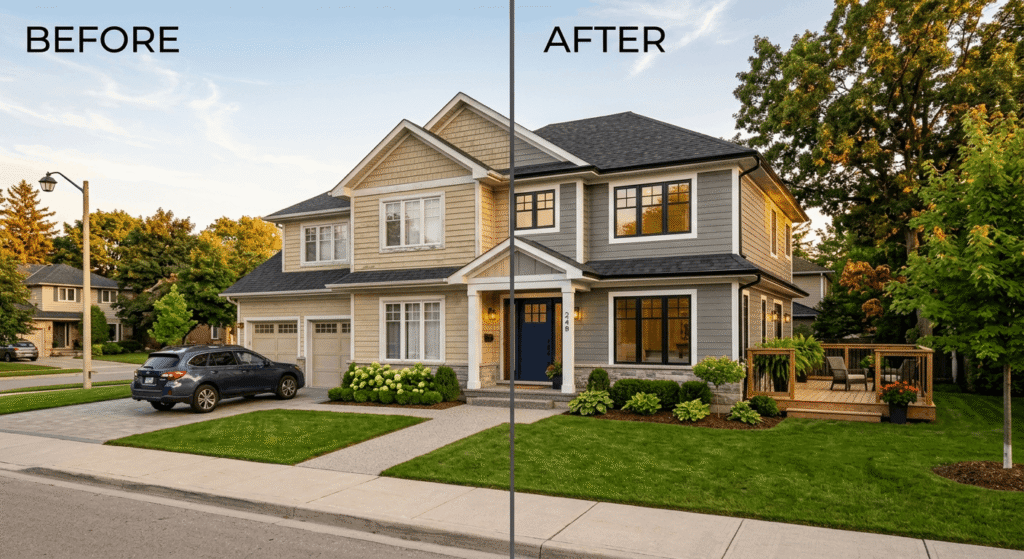
Which Exterior Renovation Ideas Give the Best Return in Canada?
Cost recovery and value are not the same thing. Painting recovers the most because it costs the least. Roofing recovers less on paper but protects the sale itself. Sort your list by what your house actually needs, then by what it costs, and the priorities usually sort themselves out.
Exterior painting and curb appeal
This is the cheapest way to change how a house reads. Fresh paint on siding, trim and the front door sits at the top of the cost recovery table because the material bill is small relative to the visual change. Replacing a front door or garage door does similar work for similar reasons.
One caution that most articles skip. Curb appeal projects tend to make a home sell faster and show better, but they rarely lift the appraised value dollar for dollar. If you’re refinancing rather than selling, paint and landscaping won’t move the appraisal much. If you’re listing in spring, they matter a great deal.
Roof replacement
Roof replacement earns a middling 25 to 75 percent on the appraisal sheet, and homeowners often read that as a reason to defer. That’s the wrong conclusion. A visibly failing roof doesn’t reduce your offer by the cost of shingles. It scares buyers off entirely, gets flagged in every home inspection, and can complicate financing because lenders care about the remaining life of major components.
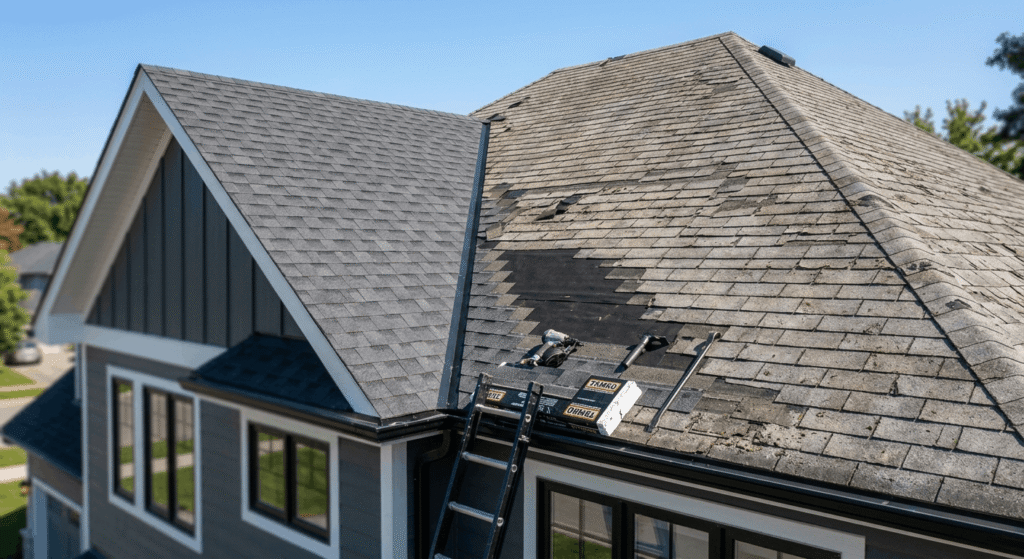
Treat roofing as maintenance, not as an investment. Asphalt shingles typically need replacing every 15 to 25 years in the Canadian climate, and a roof project is also the natural moment to fix attic air sealing and ventilation, which is where the actual energy savings live.
Window replacement and energy efficiency
Windows are where energy efficiency claims get exaggerated, so it helps to use the government’s own numbers. Natural Resources Canada reports that windows, doors and skylights account for up to 25 percent of a home’s energy loss. That’s the total leak, not your potential saving.
The improvement is more modest. ENERGY STAR certified windows are about 20 percent more efficient than an average window, with certified doors around 15 percent and skylights 35 percent. The top tier, ENERGY STAR Most Efficient, reaches up to 55 percent for windows and sliding glass doors.
So new windows are worth doing when the existing ones are failing, single-pane or drafty. They are a poor investment when your current windows are merely dated. Comfort and condensation usually improve more than the utility bill does, and both matter if you’re staying put. Our ROI guide for Canadian home additions applies the same cost-versus-value test to larger projects.
Do a Deck Renovation or Driveway Resurfacing Need a Building Permit?
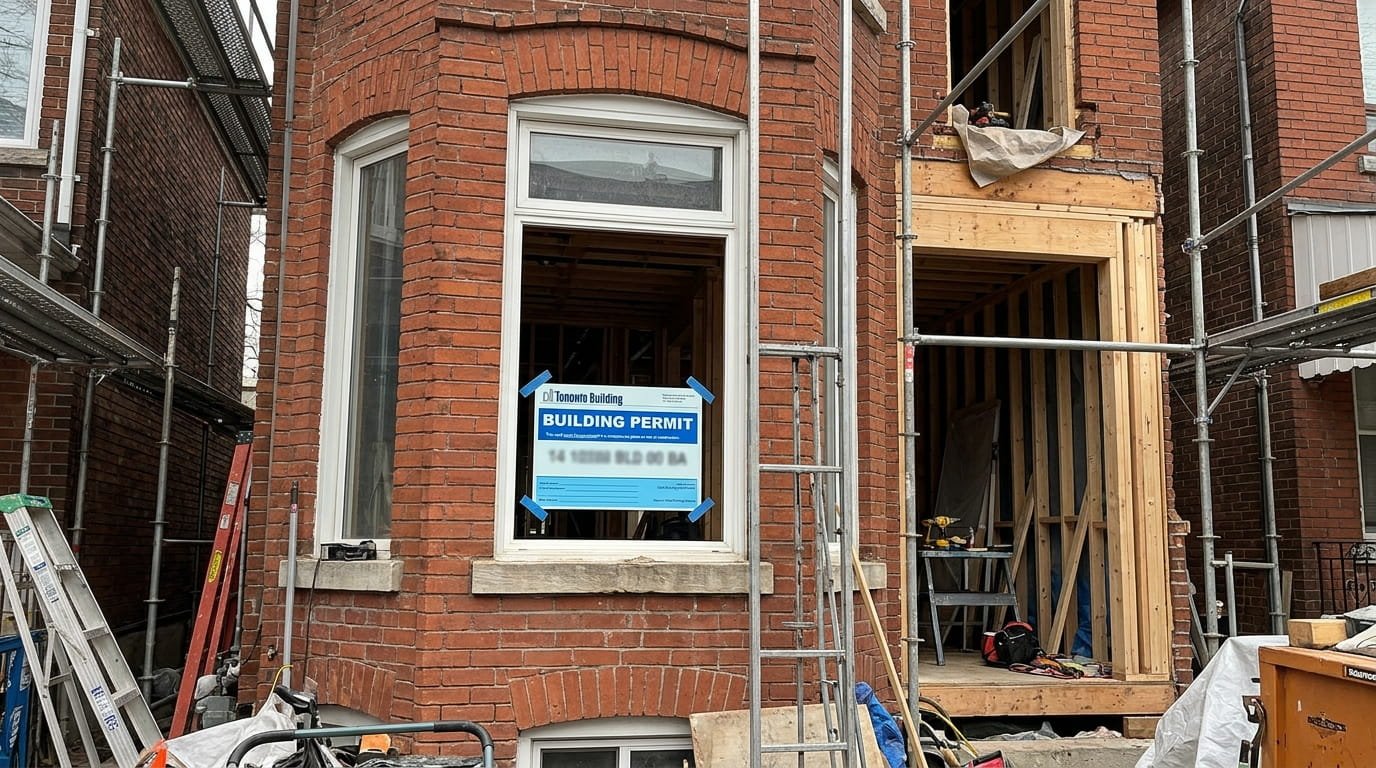
Sometimes, and the thresholds catch people out. Across most of Ontario, a deck needs a building permit if it covers more than 10 square metres, sits more than 600 millimetres above grade, or attaches to the house. Fail any one of those three tests and you need the permit. Driveway resurfacing usually doesn’t require a building permit, though widening a driveway or altering the curb often triggers a separate municipal approval.
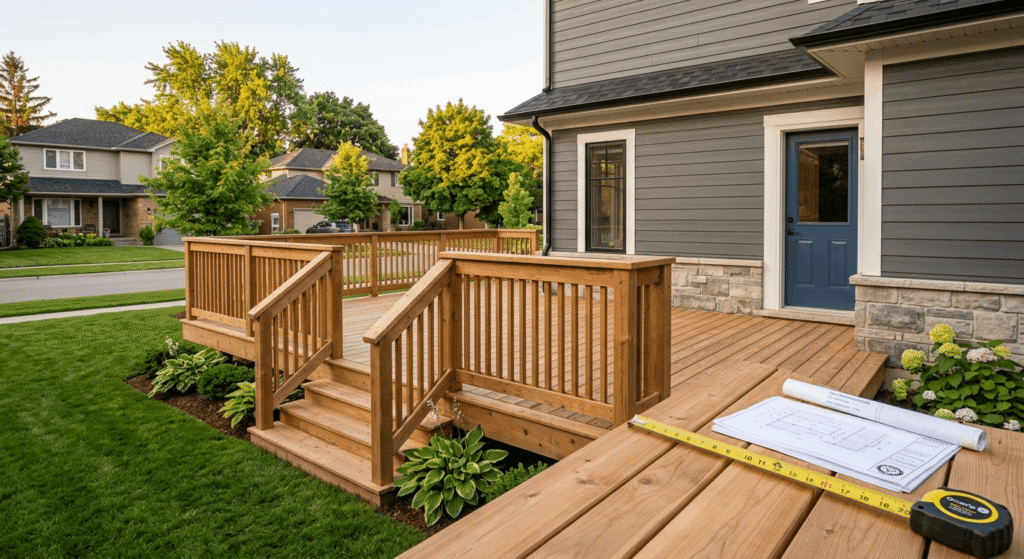
Rules differ by municipality across Canada, so confirm locally before you assume. The City of Toronto building permit guide sets out how one large municipality handles this, and most follow a similar logic.
Two things people get wrong. Permit-exempt is not code-exempt: a low freestanding deck still has to meet the building code for structure and guards, and still has to respect your zoning setbacks. And unpermitted exterior work surfaces later, usually during a home inspection or at closing, where it can delay a sale or force you to legalize the work on someone else’s timeline.
A deck renovation also competes with other ways of adding outdoor space. Before committing, it’s worth comparing against a sunroom or room addition and what each costs, since a three-season room serves a different purpose for a different budget.
Heritage properties carry an extra layer. If your home is individually designated or sits inside a heritage conservation district, exterior alterations need heritage planning approval on top of the building permit. That applies to the visible face of the building specifically, which is exactly what exterior renovation touches.
Frequently Asked Questions
1. What is the cheapest exterior renovation that adds the most value?
Exterior painting. The Appraisal Institute of Canada puts painting at 50 to 100 percent cost recovery, the highest band of any exterior project, because the material cost is low relative to the visual change. Replacing a front door or garage door delivers a similar effect for similar reasons.
2. Does driveway resurfacing increase home value?
Not much on the appraisal. Asphalt paving and concrete work fall in the lower ROI bands, roughly 25 to 50 percent for asphalt. A cracked or heaving driveway does read as deferred maintenance to buyers, so resurfacing is better understood as removing a negative than adding value.
3. How long does an exterior renovation take?
It depends on scope and season. Rough guidance for a single-family home:
- Exterior painting: 3 to 7 days in dry weather
- Roof replacement: 1 to 3 days for a standard asphalt roof
- Window replacement: 1 to 3 days for a full house
- Deck construction: 1 to 3 weeks including permit inspections
- Full siding replacement: 1 to 3 weeks
4. Should I do roof, siding and windows at the same time?
Often yes, if all three are aging at a similar rate, which is common in homes built in the same era. Bundling shares scaffolding, site setup and mobilization costs, and it lets one crew coordinate flashing and transition details rather than three crews working around each other.
5. Do exterior renovations qualify for energy rebates in Canada?
Some do. Insulation, air sealing and ENERGY STAR certified windows and doors are the usual qualifying categories. Programs are run provincially and municipally rather than through one national grant, and eligibility changes often, so confirm current offerings with your province before budgeting around a rebate.
Conclusion
Rank your exterior renovation ideas by what your house needs first and what recovers its cost second. Paint and doors give you the fastest visual return. Roofing and windows are maintenance items that protect a sale rather than raise an appraisal, and deferring them costs more than doing them. Confirm permit thresholds before a deck goes in, and check for heritage designation before touching the front of the house. Choosing the right delivery model matters too, which our comparison of design-build and general contractor approaches covers in detail.